
| ☀️ Light | Bright indirect light |
|---|---|
| 💧 Water | Low (allow soil to dry) |
| 🪴 Soil | Cactus and succulent mix with extra perlite, pumice or baked clay granules |
| 🌡️ Temp | 5°C – 35°C |
| 🐾 Safety | Cats: non-toxic · Dogs: non-toxic |
| 📏 Mature size | 60 cm |
Where It Grows & Climate Tolerance
Pet & Companion Animal Toxicity (Burro's Tail)
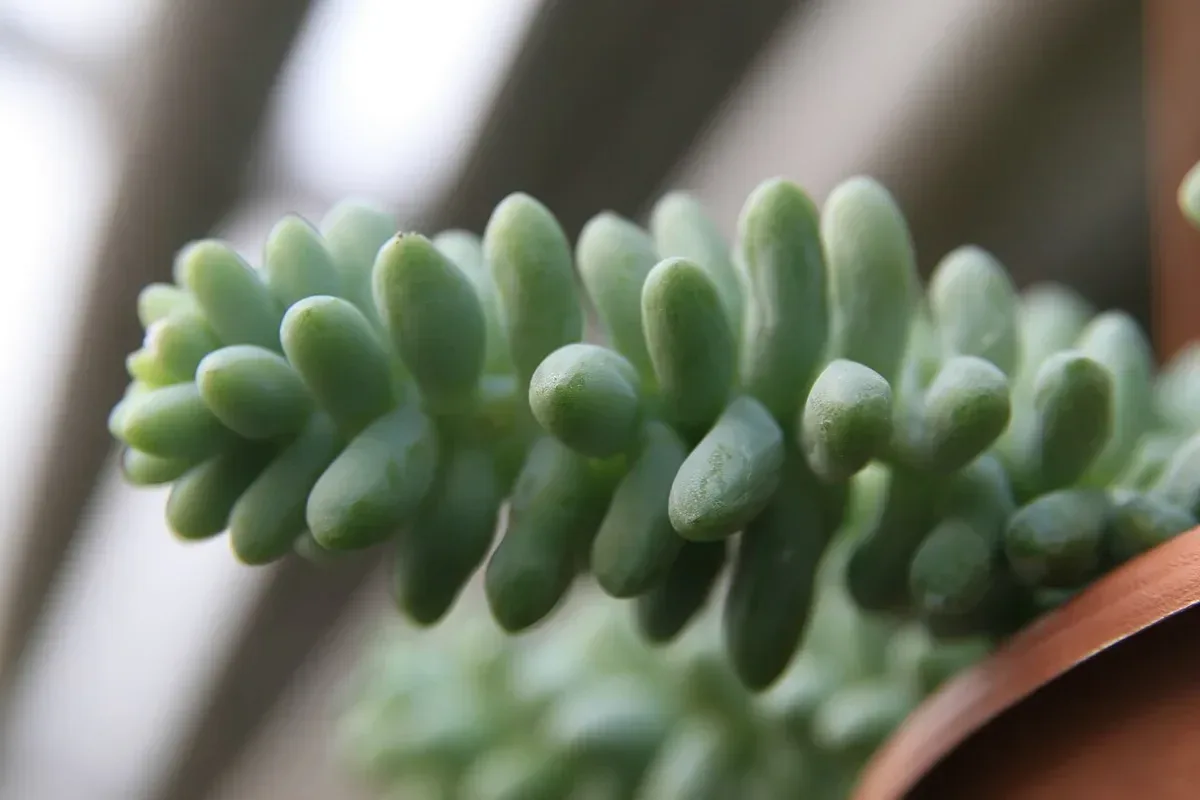
Burro's tail (Sedum morganianum) is a trailing succulent from Mexico with rope-like stems packed with plump, blue-green leaves. Grown in a hanging pot, the stems hang down 60 cm or more. It needs bright light, gritty soil and little water, and the leaves fall off at a touch.
Care instructions
Care Guide & Maintenance Routine
Give bright light with some direct sun, a gritty, fast-draining mix and a pot with a drainage hole. Water deeply only when the mix is almost dry, and much less in winter. Feed lightly once or twice a year. Hang it where nobody brushes past. Keep it above about 5°C.
Light & Sunlight
Wisconsin Horticulture says it grows best in bright light to full sun; in poor light the stems stretch and the leaves sit further apart. Very strong sun bleaches leaves yellowish, so in hot climates give morning sun and bright shade after noon.
Watering Schedule
Let the mix nearly dry out between waterings, then water deeply and let it drain. Reduce watering in autumn and give only enough in winter to stop the mix drying out completely (Wisconsin Horticulture). Plump leaves mean enough water; wrinkled leaves mean it needs a drink.
Potting Mix & Drainage
Cactus and succulent mix with extra perlite, pumice or baked clay granules
Temperature & Humidity
NC State says it tolerates down to about 4°C (40°F); the RHS rates it H1C, which means it needs protection under glass or indoors in winter. Bring it in when nights drop below about 4°C. Shade from fierce afternoon sun once days pass 35°C.
About burro's tail
Burro's tail (Sedum morganianum) is a trailing succulent in the stonecrop family. It also goes by donkey's tail, horse's tail and lamb's tail, after the way its stems hang like a tail. NC State Extension gives its origin as Mexico, and it has been grown as a pot plant for well over a century. The RHS gave it the Award of Garden Merit in 1993.
The stems start upright and then hang down. NC State gives a trailing length of up to about 60 cm, while Wisconsin Horticulture says old plants can reach about 1.2 m. Each stem is covered in short, fleshy, pointed leaves that overlap in a tight spiral, giving a braided look. A powdery coating gives them a blue-green colour; it rubs off where you touch them.
Indoor plants seldom flower. Mature plants with long stems may produce small pink to red star-shaped flowers at the tips in summer.
Burro's tail and 'Burrito'
'Burrito', sometimes sold as baby burro's tail, has shorter stems and smaller, rounder, brighter green leaves. Wisconsin Horticulture notes it is unclear whether it is a cultivar, a hybrid or a separate species. Both need the same care.
Buying tips
Choose a plant with firm, plump leaves and stems that are covered right down to the pot. Avoid plants with bare, black or soft stem bases, white cottony patches (mealybugs) or a pot sitting in water. Carry it home upright in a box: leaves drop easily in transit. A few loose leaves are normal and can be rooted.
Where to put it
Burro's tail is best in a hanging basket, on a shelf or on a pot stand where the stems can hang freely. Because leaves fall off at a touch, keep it away from doorways, busy paths and curtains.
Light
Bright light with a few hours of direct sun keeps the stems compact and well covered. In low light the gaps between leaves get longer and the plant looks thin. Very strong sun can bleach the leaves yellowish, so in hot places morning sun and bright shade in the afternoon work best. If you move a plant from indoors to strong outdoor light, do it over a week or two to avoid sunburn.
Soil and pots
Use a gritty, fast-draining mix: cactus mix with extra perlite, pumice or baked clay granules. Wisconsin Horticulture warns against sand, which fills the gaps in the mix. A shallow pot with a drainage hole is ideal. The plant is happy when pot-bound, so repot only when the pot is full, in spring. Repotting is the riskiest moment for leaf loss, so handle the plant by the root ball and lay the stems along a towel.
Watering through the year
Growing season
Water deeply when the mix has almost dried out, then let all excess drain away. Plump leaves are a good sign. Wrinkled, slightly flattened leaves mean the plant needs water.
Wet or humid weather
Water much less. Keep outdoor plants under cover so rain cannot keep the mix wet.
Winter
Give just enough water to stop the mix drying out completely. Indoors this may be only once a month, depending on warmth and light.
Feeding
Feed lightly once or twice in the growing season with a diluted balanced or cactus fertiliser, following the label. No feeding in winter. Too much fertiliser gives soft, weak growth.
Temperature
This is not a frost-hardy plant. NC State says it tolerates temperatures down to about 4°C, and the RHS rates it H1C, needing winter protection. A cool, bright winter at around 10 to 16°C may encourage flowering the following summer.
Propagation
Burro's tail is one of the easiest succulents to multiply. Take a stem tip, strip a few leaves from the base, let it dry for a day or two and push it into gritty mix. Fallen leaves laid on the mix will also root and form tiny plants, though this is slower. Several cuttings in one pot give a full plant sooner.
Troubleshooting
Mushy leaves and black stem base
Root or stem rot from overwatering. Stop watering, cut off healthy tips and root them in fresh, dry mix. The base rarely recovers.
Wrinkled, dull leaves
Too dry for too long. Water deeply and let it drain; leaves should firm up within days.
White cotton on stems
Mealybugs, which hide between the leaves. Dab them with a cotton bud dipped in rubbing alcohol and check again weekly.
Thin stems with gaps
Not enough light. Move to a brighter place; the stretched section will not fill in, so trim it and root the tip.
Yellow, pale leaves
Harsh sun or a sudden move into strong light. Give some afternoon shade.
Safety and pets
ASPCA lists burro's tail as non-toxic to dogs, cats and horses, and NC State tags it pet-friendly. Leaves that fall can still be a choking or mess problem with small pets, so a hanging pot is the tidiest choice.
Common mistakes
- Watering on a fixed schedule instead of when the mix is nearly dry.
- Pots without a drainage hole.
- Moving the plant around often, which knocks off leaves.
- Repotting every year when it likes being pot-bound.
- Leaving it in the rain.
For other easy succulents, see jade plant, string of pearls and autumn joy sedum, a hardy garden relative.
India and Canada in brief
In India it grows outdoors in pots for most of the year, and the long rainy season is the main risk. In Canada it lives indoors by a sunny window and can spend the warm months outside.
Seasonal rhythm
Seasonal Calendar
A month-by-month calendar for Burro's Tail in Global is coming soon. See the light, water and temperature notes above.
Diagnostics
Common Problems & Troubleshooting
Soft, translucent or yellow leaves and black stem bases from overwatering; wrinkled leaves from long dry spells; leaves dropping when the plant is moved or brushed; stretched, sparse stems in low light; bleached yellow leaves in harsh sun.
Pests & seasonal watch: Mealybugs occasionally infest stems (Wisconsin Horticulture). NC State notes slugs and snails outdoors. Root and stem rot from overwatering is the most common problem.
Care encyclopedia · 3 guides
Guides & Articles for Burro's Tail
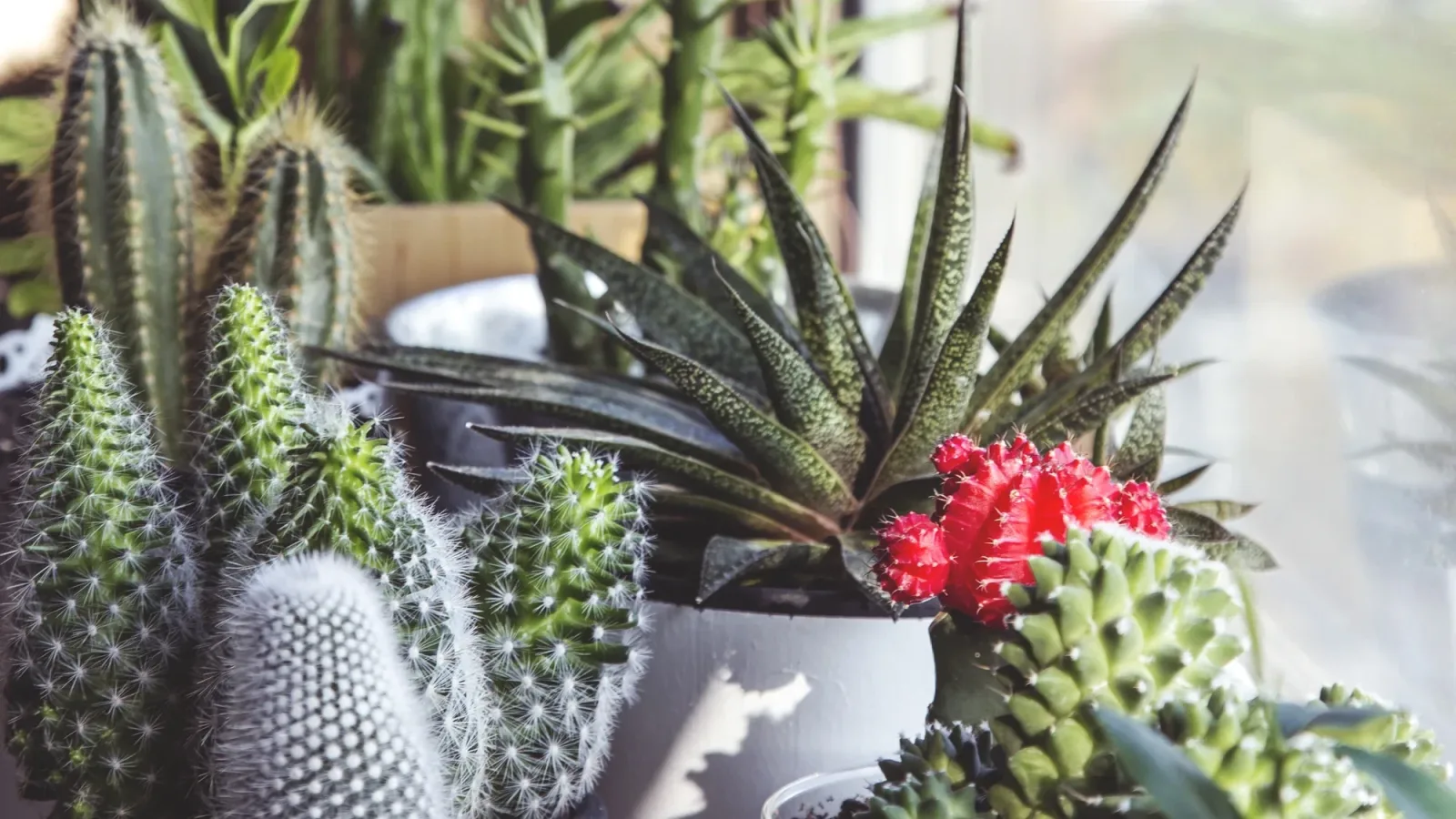
10 Houseplants That Cope With Dry Winter Air in North Indian Homes
When heaters and closed windows dry the air in a North Indian winter, some houseplants cope better than others. Ten plants that handle dry rooms, with notes for the South, coasts and hills.
Read guide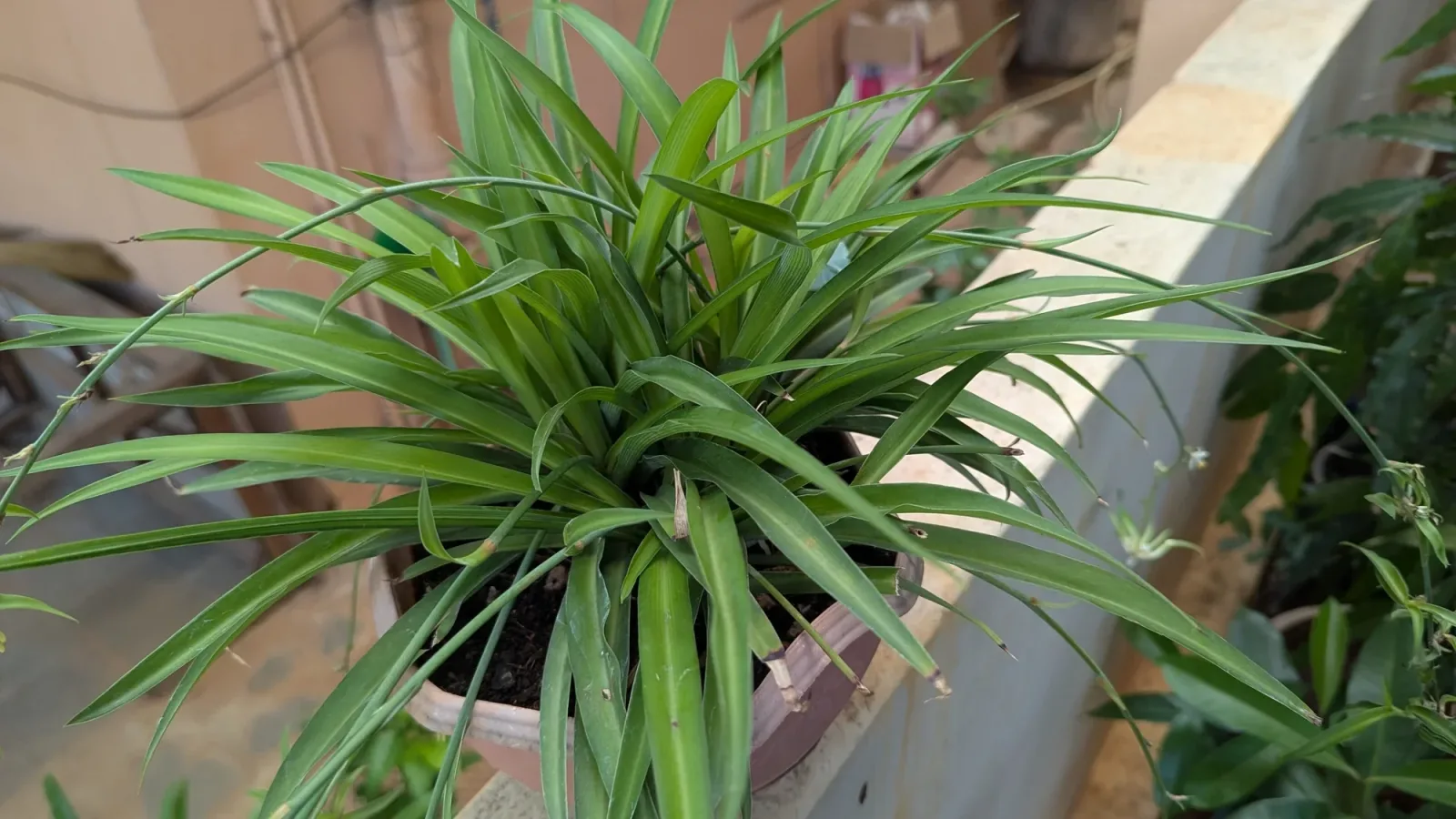
11 Best Indoor Hanging Plants for Indian Homes (and Where Each One Grows Best)
For a first hanging pot, money plant, spider plant and inch plant (zebrina) are the easiest in Indian homes. Here are 11 trailing plants, with light, watering, pet-safety and region notes.
Read guide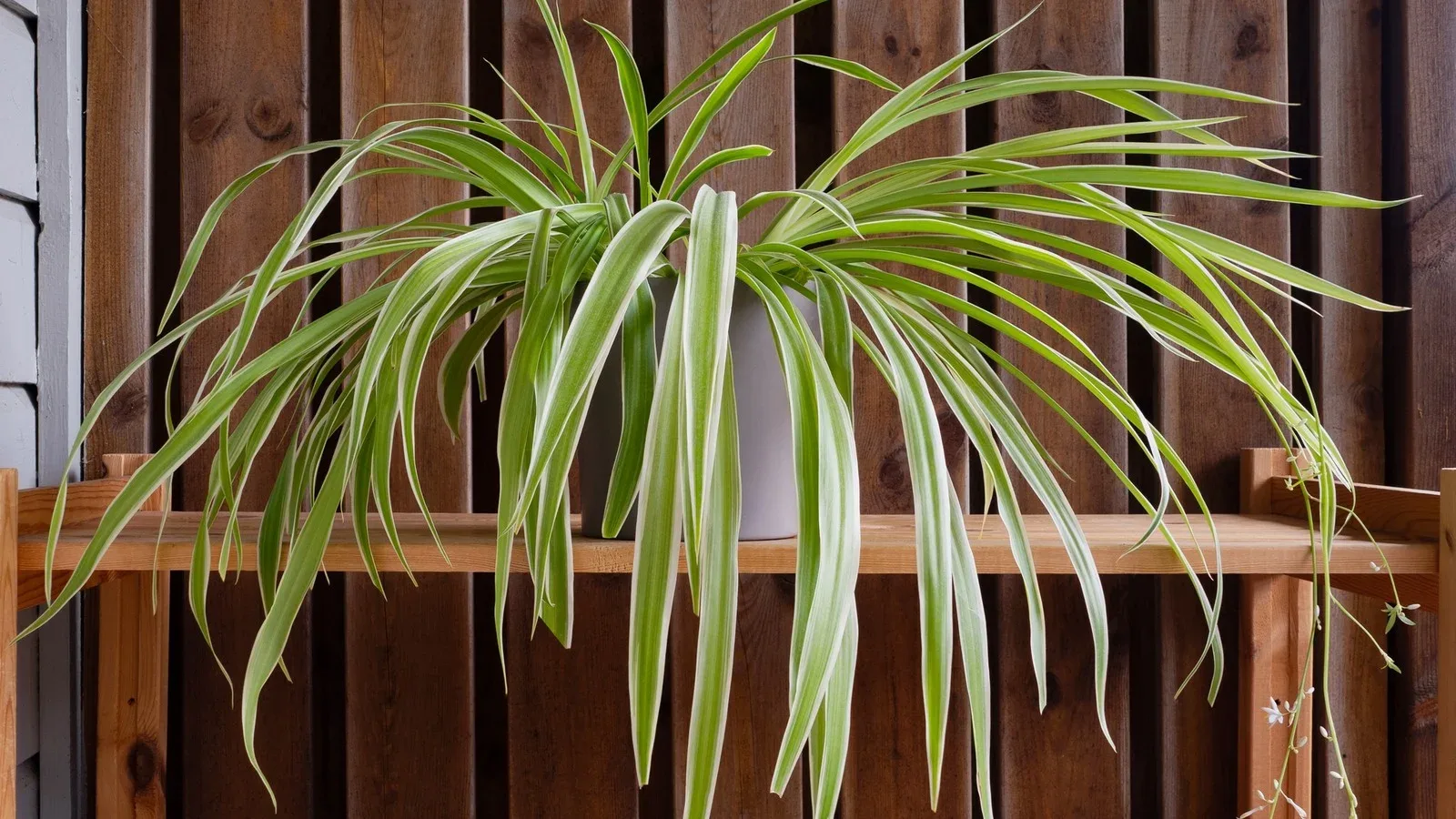
10 Best Indoor Hanging Plants for Indian Homes
Choose from ten hanging plants for Indian homes. See what suits the light near your balcony, what to check during monsoon, and which pots are easier to water.
Read guideQ&A
Frequently Asked Questions
Why are my burro's tail leaves falling off?
Most often because the plant has been bumped, moved or handled; the leaves are attached very loosely. Soft, mushy leaves that drop point to overwatering, while shrivelled ones point to a long dry spell.
How often should I water burro's tail?
Water deeply only when the mix is nearly dry, then let it drain. Wisconsin Horticulture notes indoor plants may need water only about once a month in winter.
Is burro's tail safe for cats and dogs?
Yes. ASPCA lists Sedum morganianum as non-toxic to dogs, cats and horses.
How do I propagate burro's tail?
Take stem cuttings or root fallen leaves. Let them dry for a day or two, then set them in gritty mix and keep it barely damp.
Why are the stems long with gaps between leaves?
Too little light. Move the plant to a brighter spot with a few hours of direct sun.
Does burro's tail flower?
Rarely indoors. Wisconsin Horticulture says stems must be at least about 25 cm long, and a cooler winter rest can help pink to red flowers appear in summer.
Can burro's tail grow outdoors?
Yes, in warm weather. Move it outside once nights stay above about 4°C and bring it back before they fall below that. Introduce it to strong sun gradually.
What is the difference between burro's tail and 'Burrito'?
'Burrito' has shorter stems with smaller, rounder, lime-green leaves. Wisconsin Horticulture notes it is unclear whether it is a cultivar, a hybrid or another species.
What soil does burro's tail need?
A cactus mix with extra perlite, pumice or baked clay granules. Avoid plain sand, which clogs drainage.
Similar Botanical Matches
Keep exploring
Related plants
Grower field notes
Reader Field Notes in Global
Share how this plant performs in your local Global climate.