
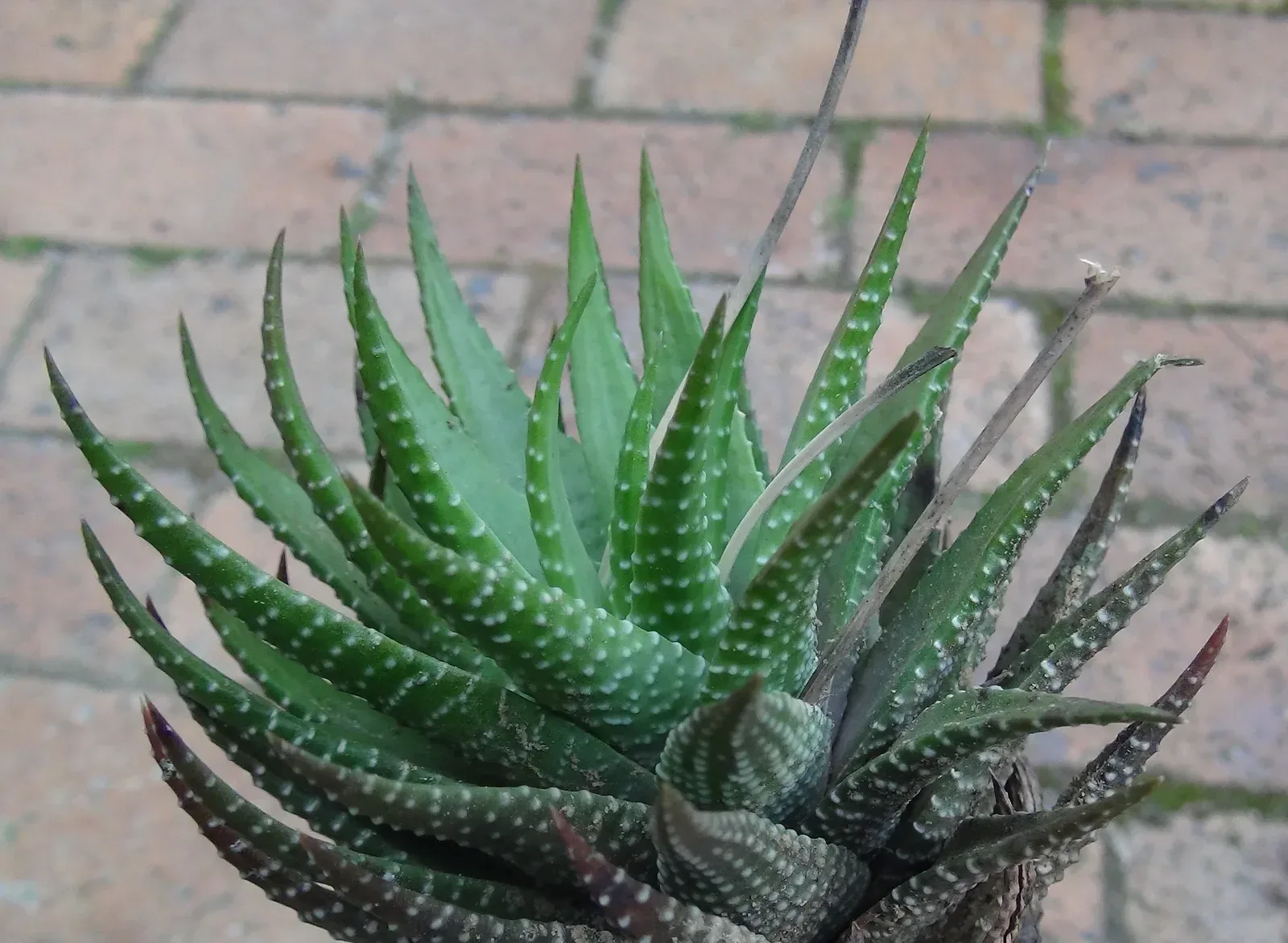
| ☀️ Light | Bright indirect light |
|---|---|
| 💧 Water | Low (allow soil to dry) |
| 🪴 Soil | Gritty cactus mix |
| 🌡️ Temp | 8°C – 30°C |
| 🐾 Safety | Cats: non-toxic · Dogs: non-toxic (ASPCA Animal Poison Control) |
| 📏 Mature size | 15 cm |
Where It Grows & Climate Tolerance
Pet & Companion Animal Toxicity (Haworthia)
Zebra succulent that handles lower light than most; pet-safe and tiny for Canadian windowsills.
Care instructions
Care Guide & Maintenance Routine
Bright indirect light, water when dry, gritty mix.
Light & Sunlight
Bright indirect; tolerates less sun than echeveria.
Watering Schedule
Water when fully dry.
Potting Mix & Drainage
Gritty cactus mix
Temperature & Humidity
Avoid frost.
Haworthia, often sold as zebra plant, is a small striped succulent that copes with less light than most.
Bright indirect light works well, so it suits Canadian windowsills that do not get all-day sun. Water only when the gritty mix is fully dry.
It is pet-safe per the ASPCA. Pups form around the base — separate them when repotting. Very little feeding is needed.
Too much hot sun turns leaves reddish. Too little makes them stretch. A small terracotta pot with drainage keeps roots healthy through humid summers and dry winters.
Haworthia suits north-east Canadian windowsills that are too dim for echeveria. It still wants bright light, just not hot full sun all day. Water deeply then wait until dry. Pups around the base can be twisted off and potted once they have a few roots.
Pet-safe and tiny, it fits classrooms and offices. Overwatering in decorative pots without holes is the usual death. Add grit and drill or switch pots. A cool bright winter rest keeps plants compact. Little feed is needed — more light beats more fertilizer every time.
Translucent leaf tips on some haworthia species need bright light to look their best but burn in hot midday glass; east windows are ideal. Water less if the plant is in a cool room. Offsets in a crowded pot can be left for a fuller look or separated for gifts. Use a chopstick to check dryness deep in the pot before watering again in winter.
Seasonal rhythm
Seasonal Calendar
A month-by-month calendar for Haworthia in Canada is coming soon. See the light, water and temperature notes above.
Diagnostics
Common Problems & Troubleshooting
Mushy (overwater); red/brown tint (too much sun); stretching (low light).
Pests & seasonal watch: Mealybugs.
Care encyclopedia · 2 guides
Guides & Articles for Haworthia
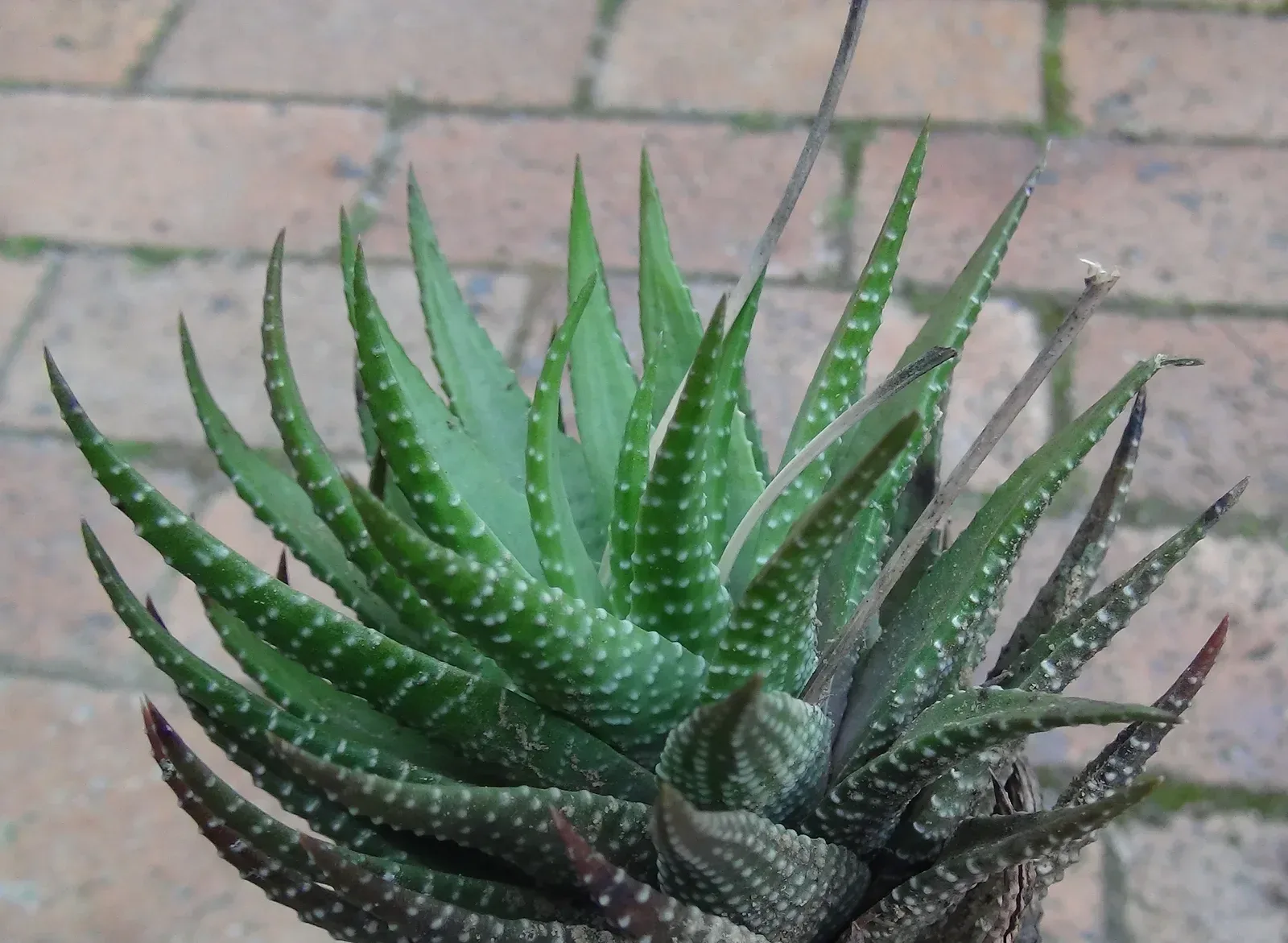
Haworthia Care Guide for Canada
A practical Canadian guide to haworthia, with seasonal care, common problems, propagation and buying checks.
Read guide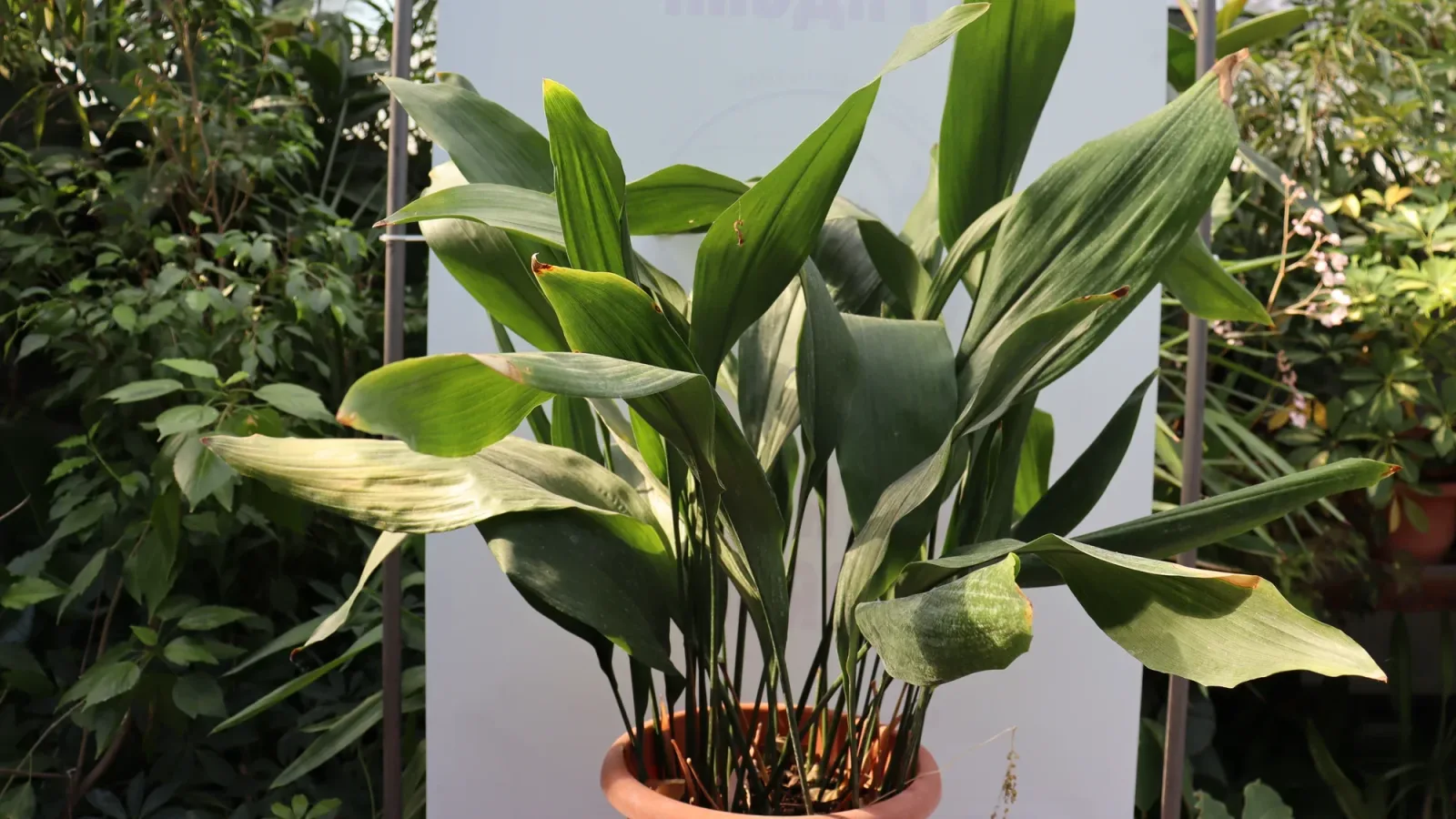
15 Low-Light Houseplants for Dim Canadian Winters
A cast-iron plant, a Chinese evergreen or a parlor palm is a realistic start in a dim Canadian winter room. Here are 15 plants with live Canada profiles, plus an honest note on a few that only pretend to like the dark.
Read guideQ&A
Frequently Asked Questions
Is haworthia pet safe?
Yes. It is listed as non-toxic by the ASPCA.
Does it need full sun?
No. Bright indirect light is enough.
How often to water?
When the mix is completely dry.
How to propagate?
Separate pups at repotting.
Similar Botanical Matches
Keep exploring
Related plants
Grower field notes
Reader Field Notes in Canada
Share how this plant performs in your local Canada climate.