
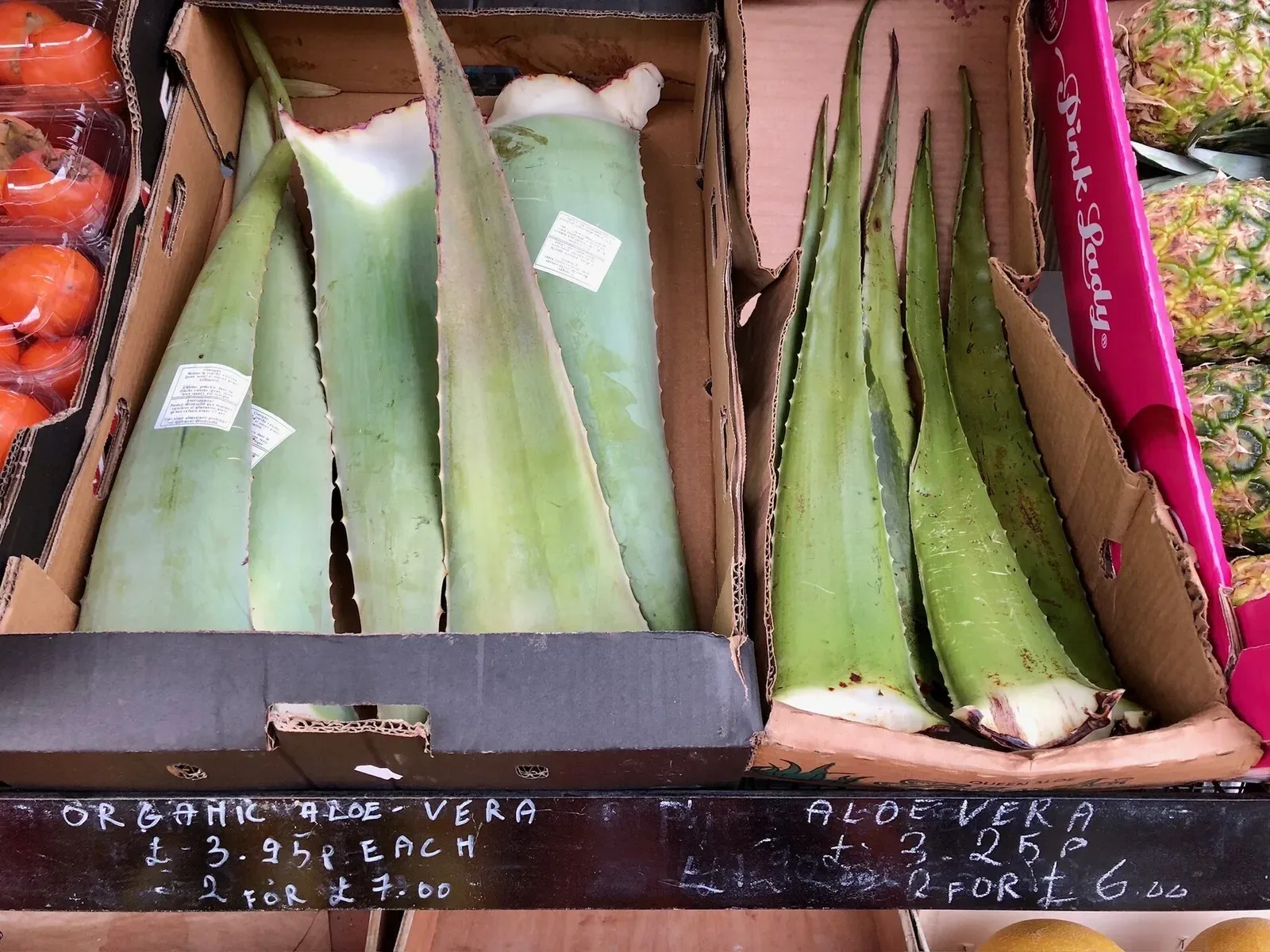
Aloe vera is one of the most useful plants you can grow at home. The gel inside its thick leaves is used for skin, hair and small burns, and many Indian families have kept a pot of it for generations. It is easy to grow in a pot on a balcony or a sunny window. It needs good light, very little water and some care during the monsoon. This guide covers how to keep it healthy, how to harvest leaves without harming the plant, and how to grow new plants from its pups. You can also check the full aloe vera care profile for quick facts on light, water and soil.
Aloe vera sunlight: bright balcony light
Aloe vera loves light. A bright balcony, terrace or sunny windowsill is the best spot. Aim for at least 4 to 6 hours of bright light a day.
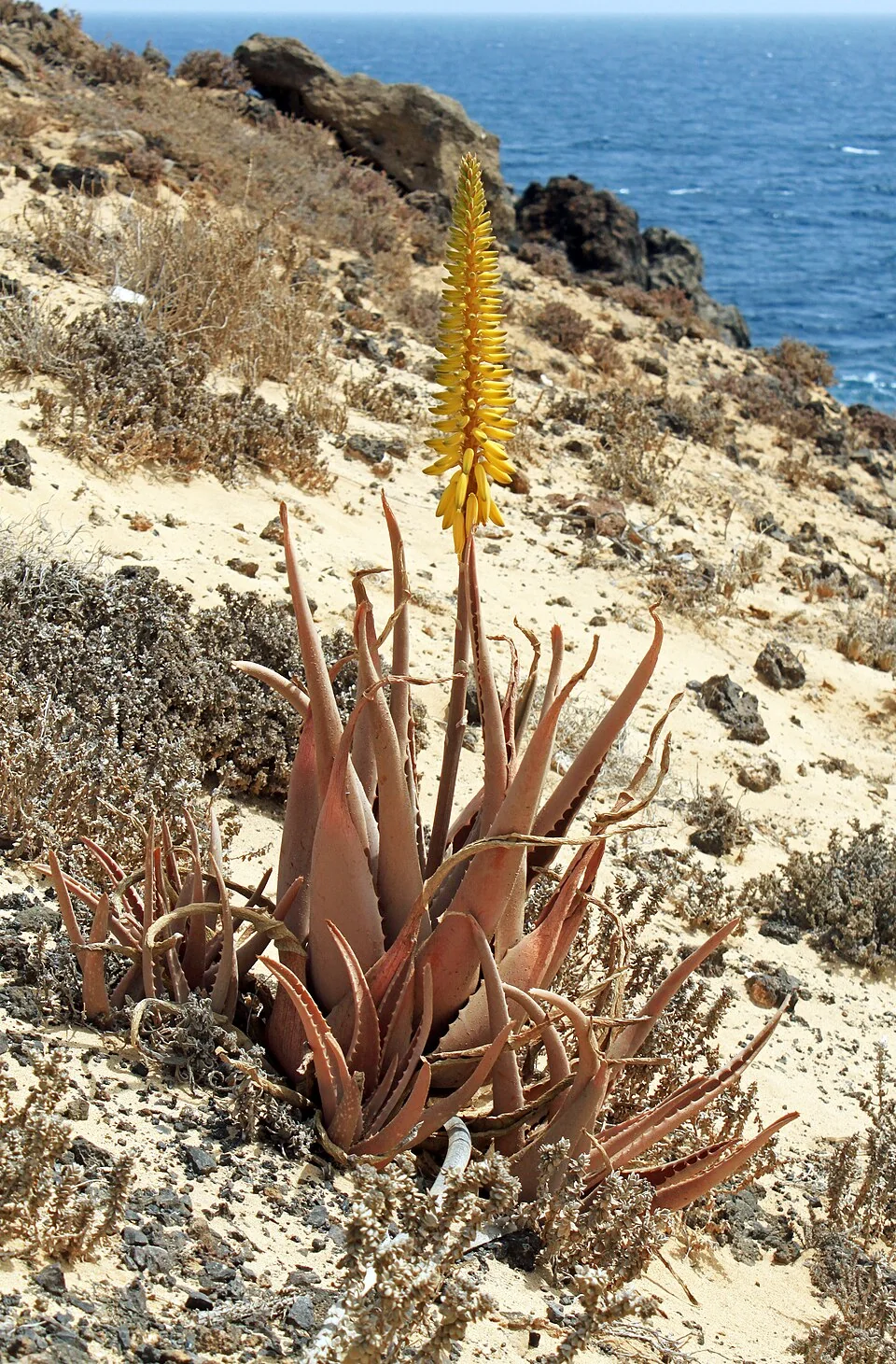
- Morning sun is ideal and gentle.
- In most of India, aloe can take full sun for much of the year.
- In May and June, when it is 42 to 45°C, very strong afternoon sun can turn the leaves reddish brown and thin. This is stress. Move the pot to a spot with some afternoon shade, or use a light shade cloth, during the hottest weeks.
Indoors, keep it right next to your brightest window. In low light, aloe leaves grow thin and floppy and spread out flat instead of standing up.
How to water aloe vera in a pot
Aloe stores water in its leaves. It is far more likely to die from too much water than too little. Use the soak and dry method. We also have a separate guide on saving aloe vera with soft, rotting leaves.
- When you water, soak the pot fully. Pour slowly until water flows out of the drainage hole.
- Then wait until the soil is completely dry before watering again. Push a stick to the bottom of the pot. If it comes out dry, it is time.
| Season | Usual watering |
|---|---|
| Summer (March to June) | Every 7 to 10 days |
| Monsoon (July to September) | Rarely, only if the soil is fully dry |
| Winter (November to February) | Every 3 to 4 weeks |
Check the leaves too. Plump, firm leaves mean the plant has enough water. Thin, curled leaves mean it is thirsty.
Aloe vera care in the monsoon
The monsoon is the riskiest season for aloe. Days of nonstop rain soak the soil, and water can collect in the centre of the plant. This leads to soft leaves and rot.
- Shelter the pot from continuous rain. Move it under a roof, a balcony overhang or a rain cover.
- It can still get light, just not a soaking.
- Empty saucers after rain. Better still, raise the pot on bricks or pot feet.
- Stop regular watering. The humid air is often enough.
Best soil and pot for aloe vera
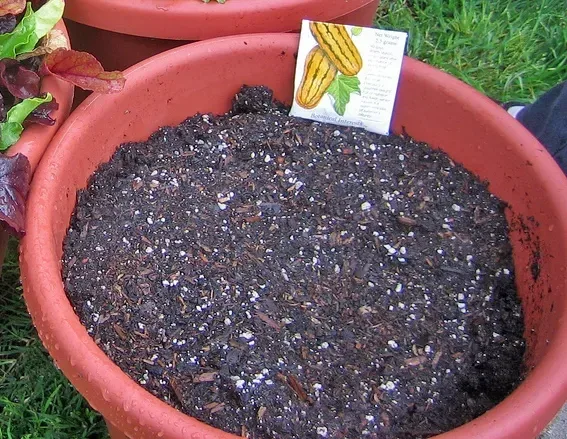
Use a very fast-draining mix. Heavy garden soil holds too much water.
- 1 part potting soil
- 1 part coarse sand
- 1 part perlite, pumice or small brick pieces
Avoid adding much cocopeat. It holds water too long for aloe. Terracotta pots are the best choice. They let the soil breathe and dry faster, and their weight stops a top-heavy aloe from tipping over. Pick a pot that is wider than it is deep, since aloe roots spread sideways. It must have a drainage hole.
How to harvest aloe vera leaves
You can start harvesting once the plant is a year or so old and has at least 8 to 10 good leaves. Harvesting the right way keeps the plant growing for years. If an outdoor aloe looks pale or thin, our plant health score tool helps you check light and water quickly.
Which leaves to take
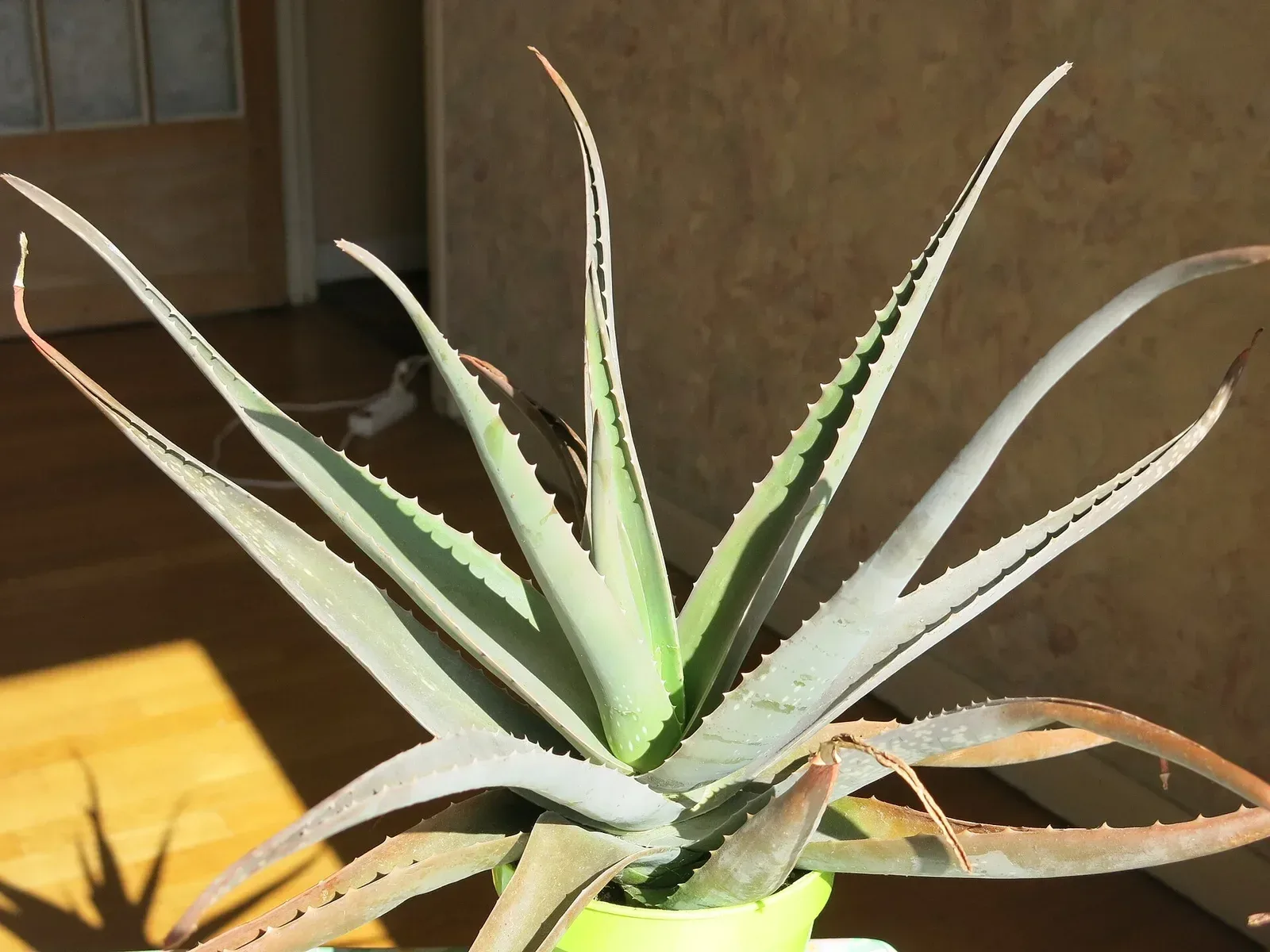
Take mature outer leaves. These are the oldest, biggest and thickest leaves at the bottom and outer edge of the plant. They hold the most gel.
Leave the central rosette intact. The middle of the plant is where new leaves grow from. If you cut from the centre, the plant struggles to grow and may stop producing.
How to cut a leaf
- Wash your hands and a sharp, clean knife.
- Choose a thick, healthy outer leaf.
- Cut it near the base, as close to the main stem as you can.
- Take only 2 or 3 leaves at a time, then let the plant grow back.
Using the gel
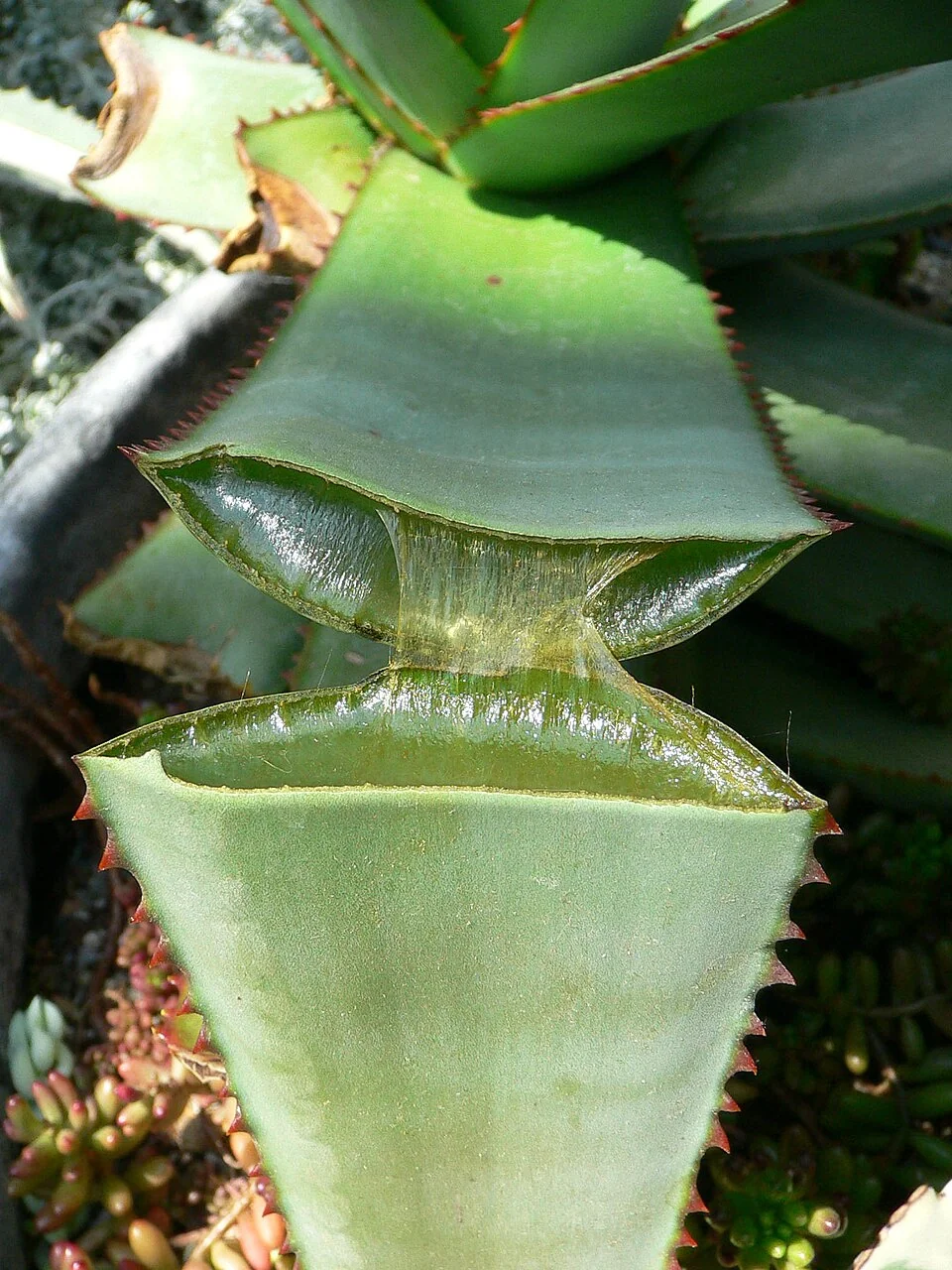
- Stand the cut leaf upright in a cup for 10 to 15 minutes. A yellow liquid will drip out. This is aloin. It can irritate skin and upset your stomach, so let it drain away.
- Rinse the leaf. Slice off the spiky edges.
- Cut away the green skin from one side and scoop out the clear gel with a spoon.
- Use it fresh. You can store it in a closed box in the fridge for about a week.
Test a little gel on your arm first. Some people are sensitive to it.
Growing new aloe vera plants from pups
A healthy aloe sends out small baby plants, called pups or offsets, from its base. Left alone, they crowd the pot. Separating them gives you new plants and keeps the main plant healthy.
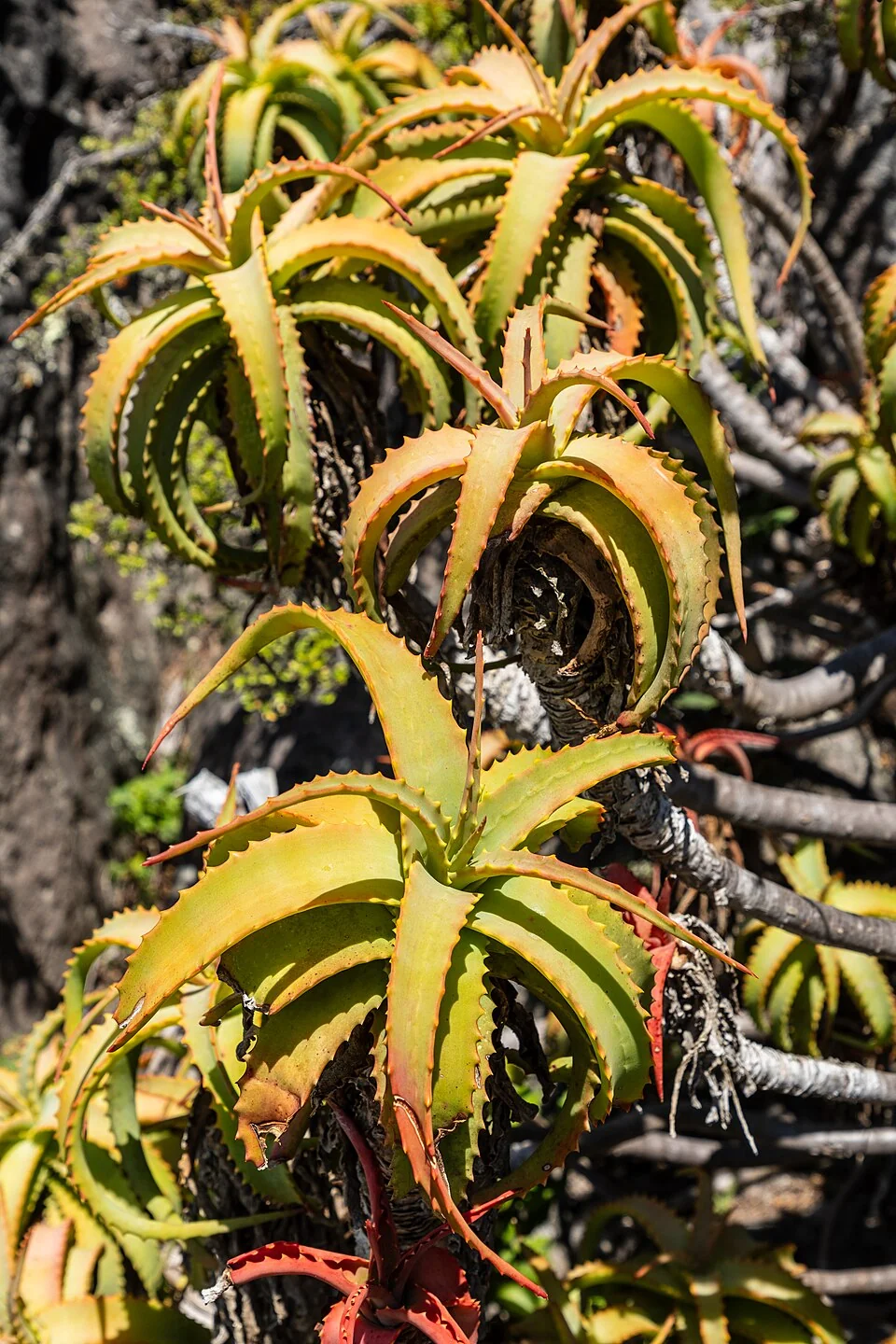
When to separate
Separate offsets once they are 5 to 8 cm tall. At this size they usually have a few roots of their own. Smaller pups may not survive alone.
How to separate and pot them
- Take the whole plant out of its pot.
- Find where the pup joins the mother plant. Gently pull it free, or cut it with a clean knife. Try to keep some roots on the pup.
- Let the pup sit in a shady place for a day or two so the cut dries.
- Pot each one individually in gritty mix in a small pot with a hole.
- Wait about a week before the first light watering.
- Keep the new pots in bright light, away from harsh noon sun, for the first few weeks.
The best time to do this is spring, February to April, before the hottest weeks.
Fertilizer for aloe vera
Aloe needs very little food. A light dose of cactus fertilizer or half-strength liquid fertilizer once or twice in spring and summer is enough. Do not feed in winter or the monsoon. Jade plants enjoy the same bright balcony, as you will see in our jade plant balcony guide.
Give aloe bright light, water it only when dry, keep it out of the monsoon rain, and harvest from the outside. A single pot can keep you supplied with fresh gel for years.
Comments
No comments yet — share what worked in your climate.