
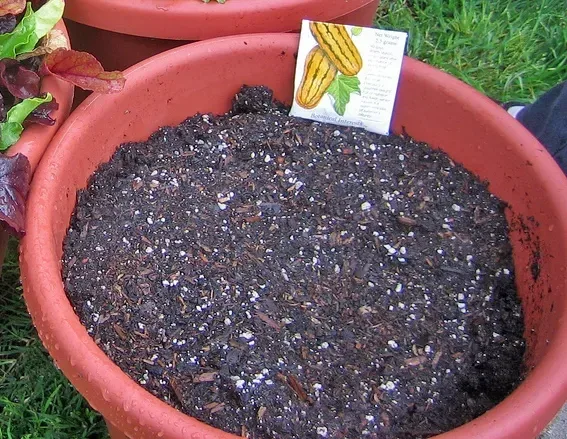
A terrace garden does not have one honest all-India price. A few herb pots on a sound roof are a different job from built-in beds, repairs and a new water line. A quote that includes only plants tells you very little about what you will actually spend.
This guide shows how to prepare a useful budget without inventing nursery prices. Use the balcony and terrace gardening guide to settle the basic layout first. Then collect dated local quotes for that layout. The same worksheet works for a small rented balcony, although the permissions and structural limits may differ.
Define what the quote is buying
Write a short description of the proposed garden. Include container counts and sizes, the intended plants, water access and any required supports. State if the job includes delivery upstairs, installation and clearing the waste afterwards. Without this description, two suppliers may quote for completely different gardens.
Separate movable containers from permanent construction. Professional structural assessment, leak repairs and waterproofing are not optional extras to hide in a plant budget when the building needs them. Do not assume a low-cost planting service has evaluated the roof. Ask which work is excluded and who will be responsible for any specialist assessment.
Start with safety work as its own budget
If the permitted roof or balcony load is unknown, get appropriate professional advice before purchasing heavy items. The cost depends on the property and the work required, so obtain a written scope rather than using another homeowner's figure. A contractor's promise that a garden is lightweight does not replace an engineering assessment.
Record permissions and any restrictions from the owner or society. A rented home may not allow drilling, fixed plumbing or wall-mounted structures. A design that needs to be removed later has a different cost from one that can remain. Keep this information with the quote so a last-minute rule does not force you to replace the whole layout.
Count containers by usable growing space
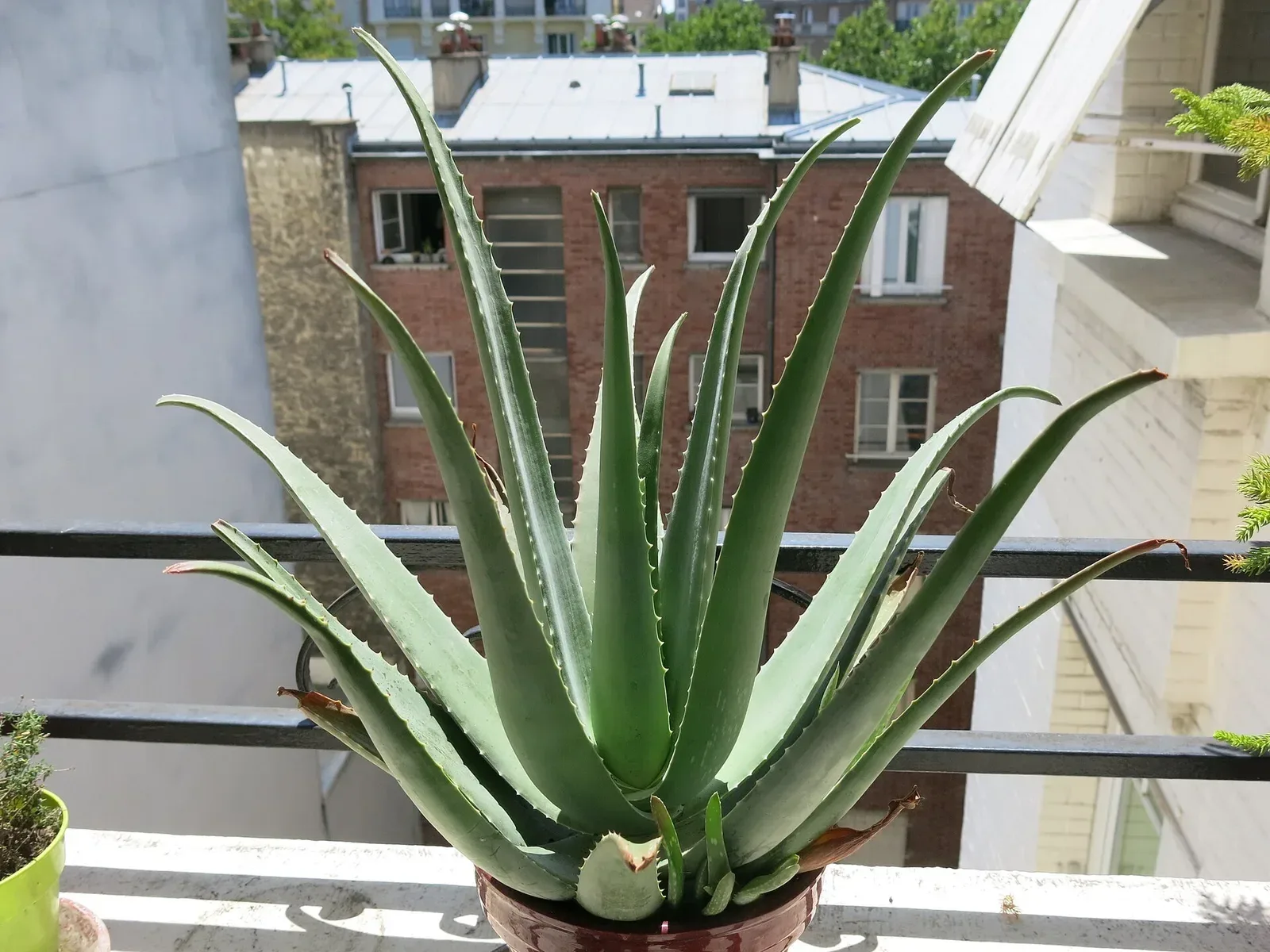
A container advertised only by its outer diameter may hold less mix than expected. Tapered sides, a raised base and an inner liner reduce usable volume. Ask for internal dimensions or stated capacity. Compare pots that provide similar root room, not a small thin plastic pot with a much larger decorative planter.
For a straight rectangular container, internal length multiplied by width and filled depth in centimetres, divided by 1,000, gives approximate litres. A 40 cm by 20 cm container filled to 20 cm holds about 16 litres. This is a volume example, not a recommended pot size or safe roof load. Tapered containers need a more suitable estimate.
List accessories beside each pot
Include suitable feet, a stable stand or a tray where one is genuinely needed. Decorative covers may need a separate nursery pot inside. Hanging baskets also need rated brackets and fixings installed appropriately. A basket price without the mounting work is not the completed cost of a safe hanging display.
Calculate mix volume before ordering ingredients
Add the usable volumes of your containers, then subtract the space occupied by existing root balls as a rough planning step. Leave headroom for watering. Record bag sizes in litres where possible. A bag sold by weight cannot be compared directly with another material sold by volume because their densities differ.
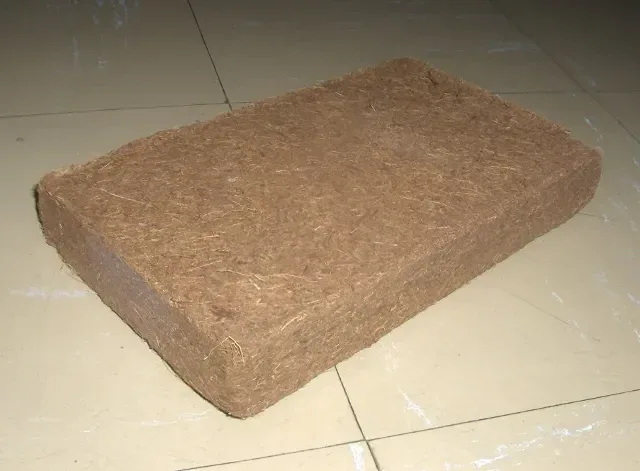
Cocopeat blocks expand after soaking, but expansion varies with the product. Ask for the stated expanded volume and whether the coir is washed and suitable for plants. Coir holds moisture but is not a complete feed. Read the watering guide to understand how containers dry before ordering a bulk mixture that may not suit your plants.
Keep plant size and maturity in the comparison
A small rooted cutting and a mature bush are not equivalent purchases. Record the pot size, approximate plant size and the botanical identity where possible. A label such as palm or money plant may cover very different plants. Ask to see the actual stock if the finished appearance matters to your layout.
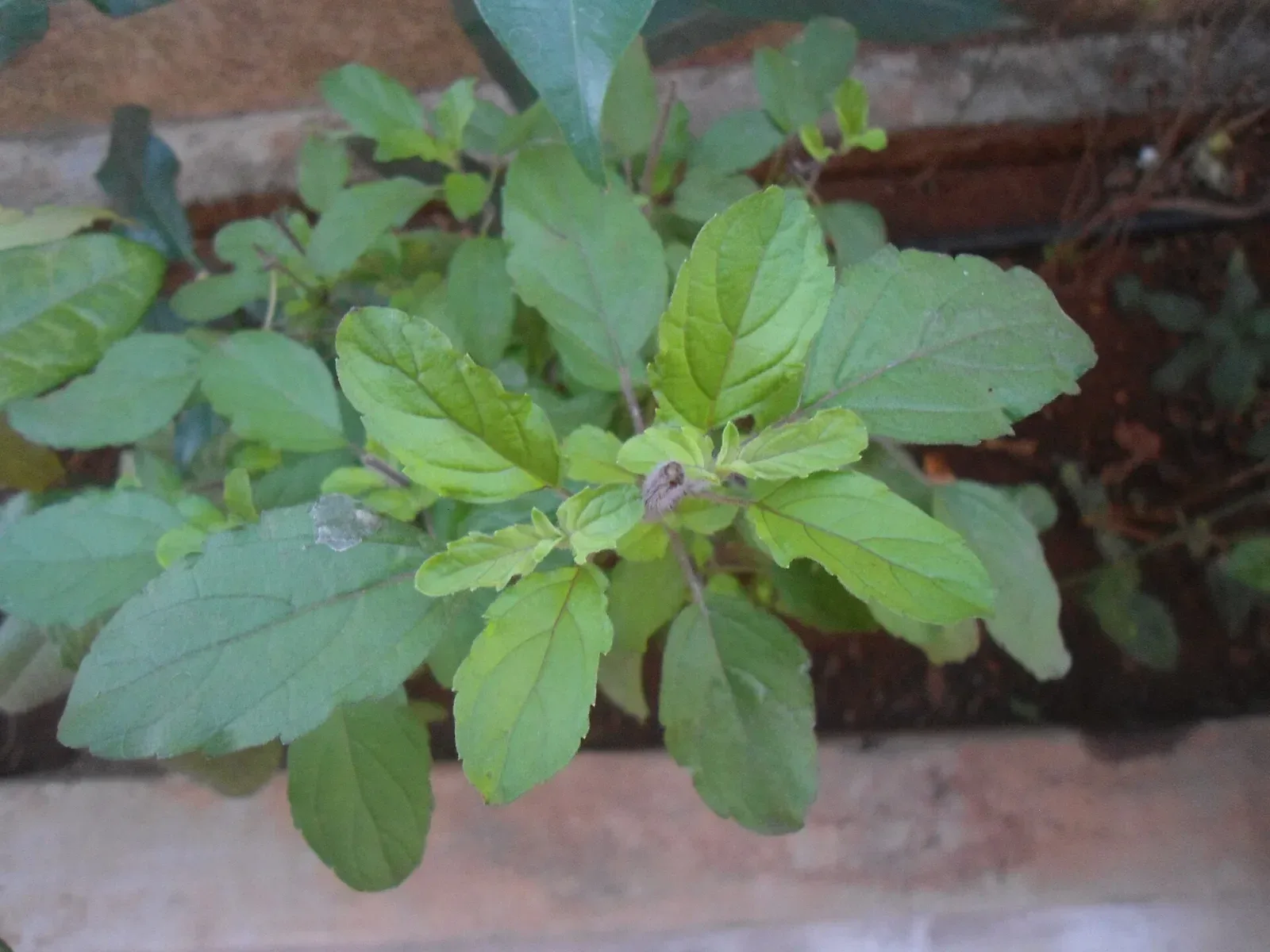
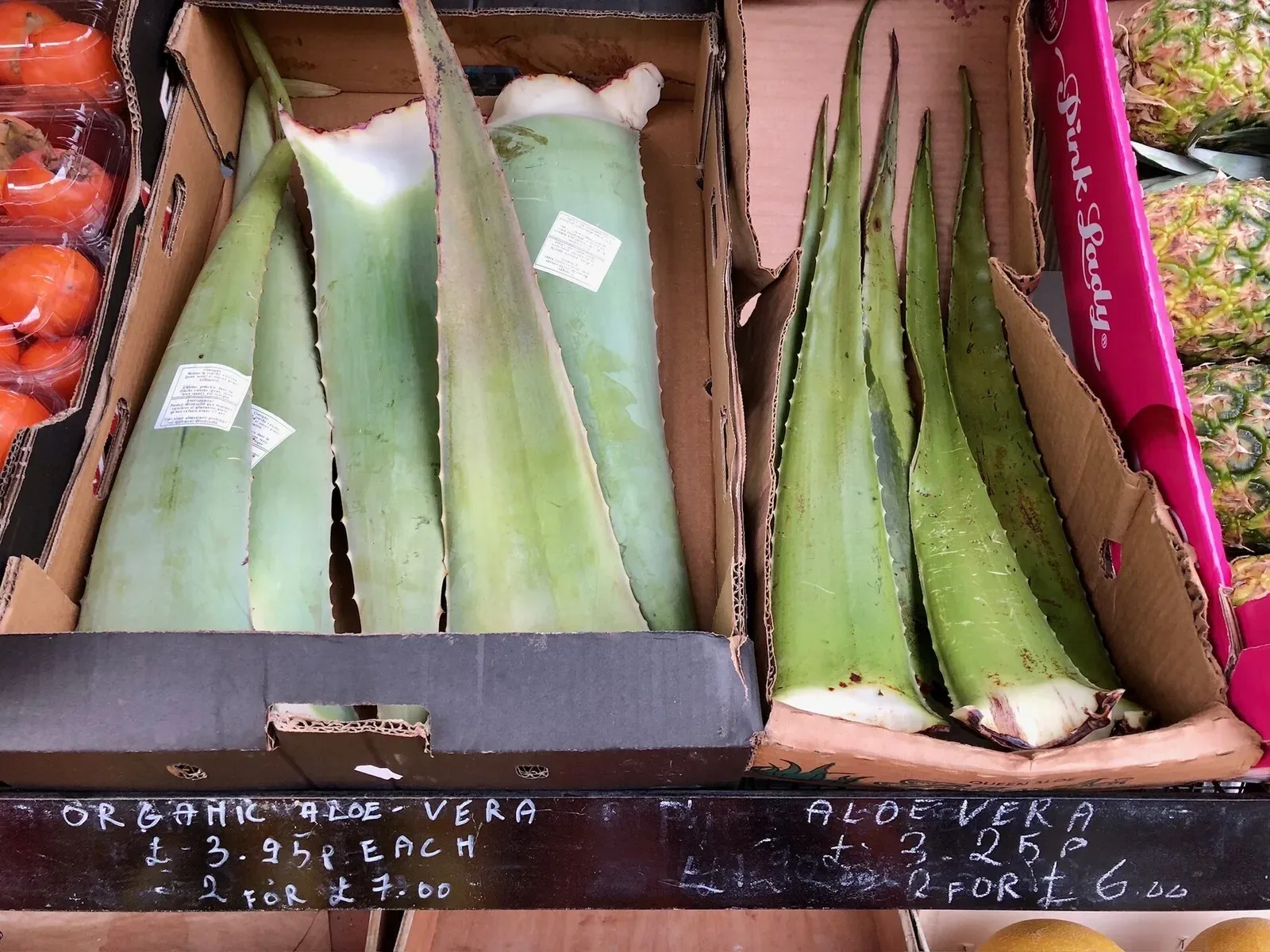
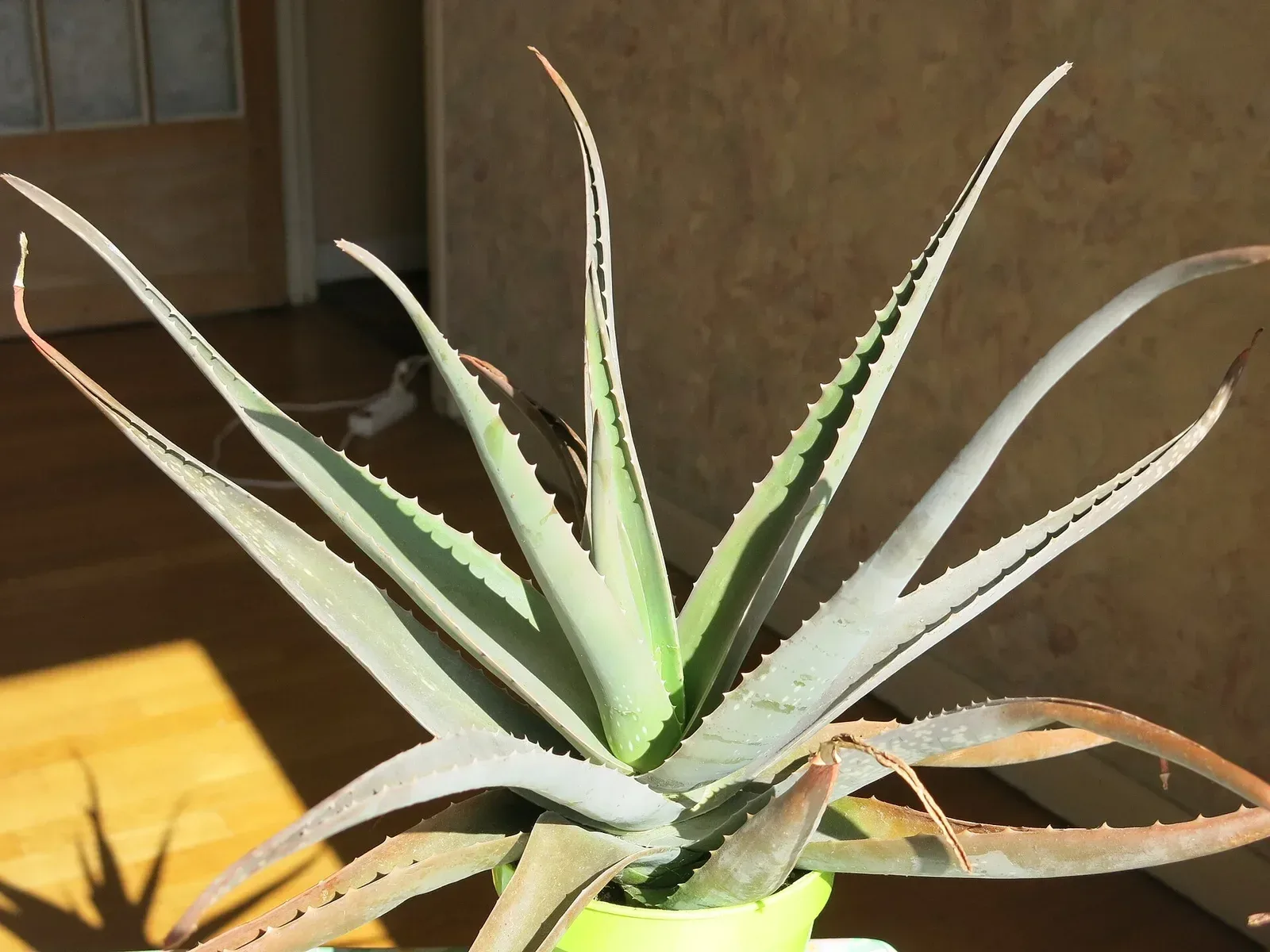
Small healthy plants are often easier to carry and allow you to learn their care, but do not buy weak plants simply because the price is lower. Check roots, stems and leaf undersides. Keep new arrivals separate for observation. The tulsi profile helps define one sunny herb choice; aloe vera needs a different moisture plan and should not be treated as an interchangeable filler.
Build a quote worksheet that exposes missing items
| Item | What to record | Common omission |
|---|---|---|
| Building assessment | Professional scope and written advice | Assumed safe without inspection |
| Containers | Quantity, internal size and material | Inner pots or supports |
| Growing medium | Litres and ingredient description | Delivery and carrying upstairs |
| Plants | Name, pot size and actual condition | Replacement terms |
| Watering | Supply, fittings and installation | Testing or future repairs |
| Maintenance | Tasks, visit frequency and exclusions | Feed and pest treatment charges |
Understand the labour and delivery bill
The building's access can change the practical cost of the job. Narrow stairs, an unavailable lift or a distant unloading point all affect handling. Ask who carries material to the terrace and who removes packaging. Check society timings and lift rules before fixing the delivery date.
Also clarify whether the installer will protect the floor finish while working. Heavy bags dragged across a membrane can create a problem unrelated to plant care. Planting labour should include sensible placement and a drainage check, not just filling pots as quickly as possible. Use the terrace setup work plan to check the sequence.
Include the expenses after planting day
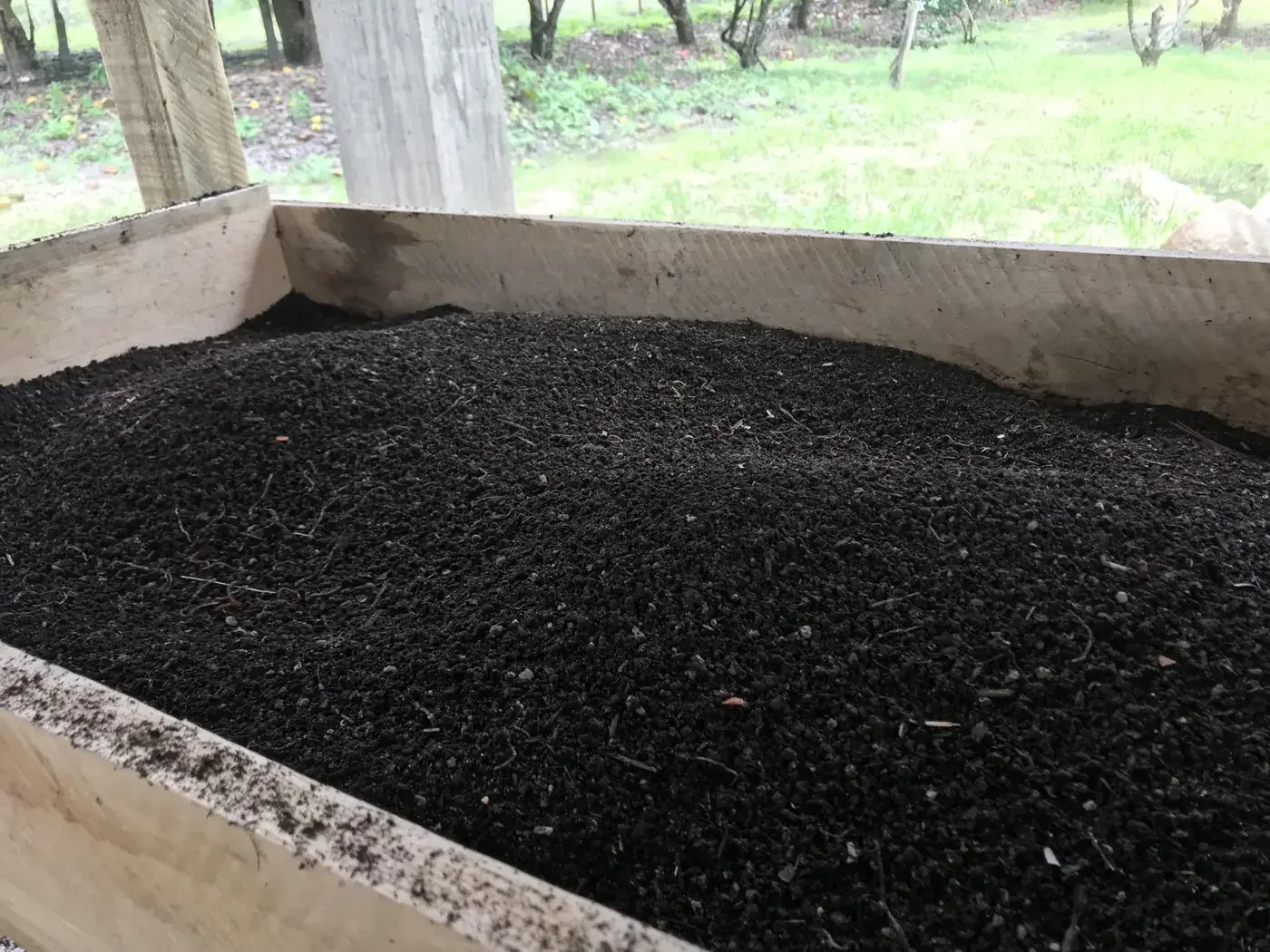
Garden care uses water and time even when every plant survives. Some pots need regular feeding during active growth; others need little. Budget for a suitable product and occasional replacement mix rather than buying several fertilizers at once. The plant feeding guide explains why more products do not automatically give better growth.
Allow for containers or supports that eventually wear out, especially plastic and fabric exposed to strong sun. Irrigation parts need inspection and can clog. Seasonal annual flowers are replacements by design, while a healthy perennial may stay for years. These are different maintenance choices, not evidence that one garden has failed.
Compare irrigation with the time you actually have
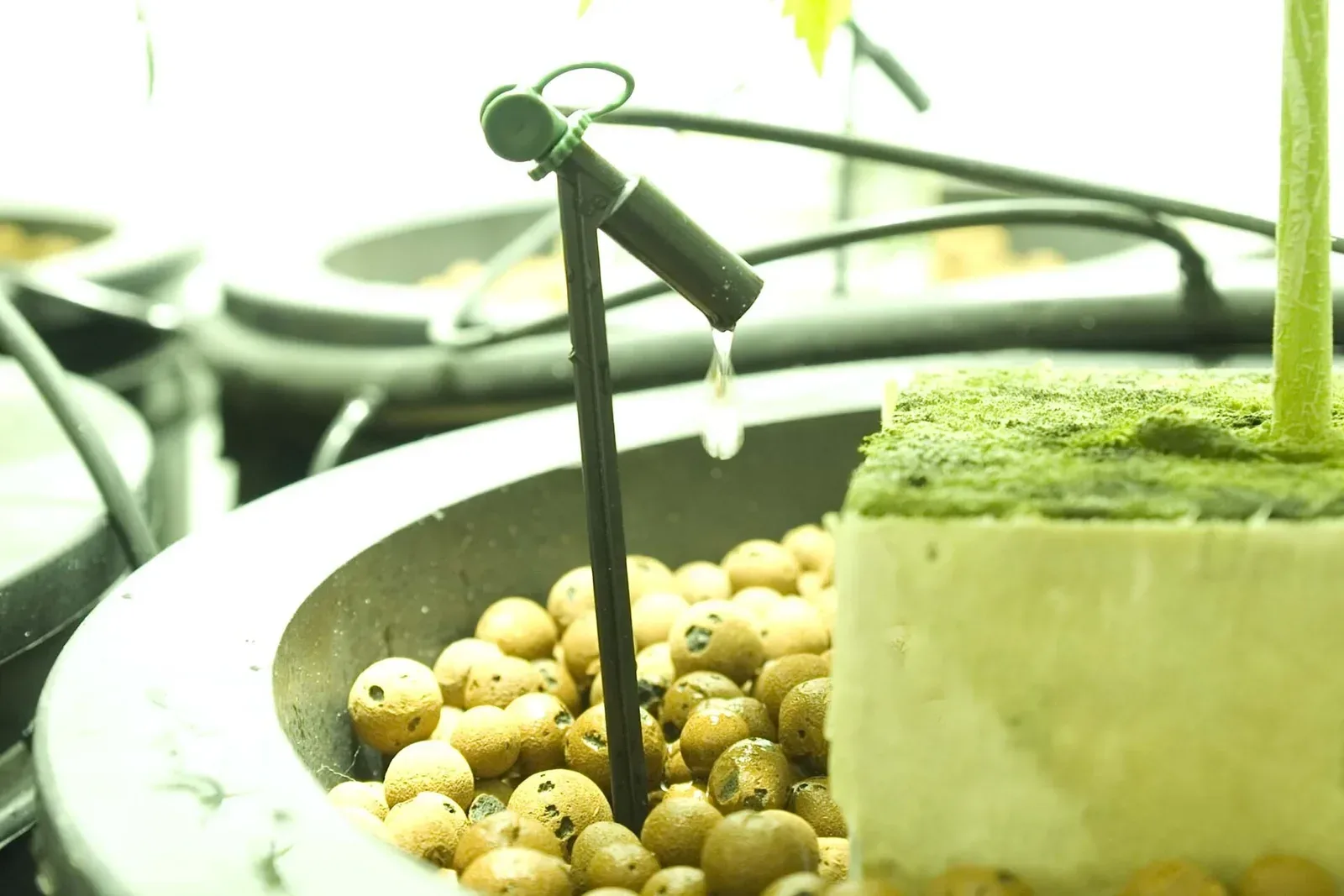
A small collection may be cheaper and simpler to water by hand. Before paying for automation, calculate how long an ordinary watering round takes and who covers it when you travel. A drip system needs a suitable supply, correctly chosen fittings and testing. It is not a guarantee that plants can be ignored.
Ask if the quote includes filtration, pressure control where required and separate delivery for pots with different needs. Check how repairs are handled. Some systems require power or batteries, while others use a different arrangement. Do not buy a kit solely by the number of emitters if the water source and terrace layout have not been considered.
Spend less by reducing the design, not safety
Begin with fewer suitable plants and containers that you can move safely. Use existing sound pots with clear holes, after cleaning them. Avoid repurposing containers that held hazardous chemicals or whose material is unsuitable for growing plants. Check old brackets for corrosion rather than assuming reused hardware is free and safe.
Delay decorative screens, lighting and elaborate shelving until the basic planting works. A healthy herb pot can be useful without matching furniture. Do not reduce the budget by blocking drainage, skipping necessary repairs or suspending pots from weak fittings. Those savings can create a much larger cost later.
Make the budget fit your city's growing conditions
In a hot inland city, a design filled with tiny containers can demand more watering than you can manage. In Mumbai's wet season, rain-sensitive plants may need a suitable sheltered position. Bengaluru's milder conditions do not remove wind or seasonal rain problems. Chennai may require different rain preparation because the wetter period does not always match the southwest monsoon calendar.
Choose the plants after checking those conditions. The balcony plant selection guide can prevent spending on sun-loving plants for a shaded site. If the garden must fit a narrow apartment balcony, the small-space guide shows how to leave usable floor space rather than paying for a packed arrangement.
Decide what a good quote looks like
A useful quote makes the work understandable. It names the plants, describes the materials and separates one-time work from repeat care. Ask what happens if a plant arrives damaged and whether replacement terms depend on maintenance visits. Record any exclusions in writing rather than relying on an informal promise.
You can now compare like with like. Remove optional decoration first if the total is too high, or reduce the first-stage pot count. Keep a reserve for genuine unexpected work, sized to your circumstances rather than an invented universal percentage. Revisit the budget after the first season using actual expenses. That record is more valuable than a headline price copied from a terrace unlike your own.
Watch a related garden demonstration
This video offers a visual example. Use the plant-specific advice above for care, and obtain qualified advice for building loads and fixings. Any prices or product suggestions in the video are not current local quotes.
Watch the video on YouTube if the embedded player does not load.


Comments
No comments yet — share what worked in your climate.