
Winter is kind to some plants and hard on others. Petunias, calendula, palak and peas love the cool months. Tulsi, curry leaf, hibiscus, adenium and most indoor tropicals slow down, drop leaves or get damaged by cold. And "winter" means very different things in Amritsar, Lucknow, Pune and Chennai.
This guide explains what actually hurts plants in an Indian winter, region by region, and the simple steps that protect pots on terraces, balconies and indoors, with advice drawn from the India Meteorological Department and state agricultural universities.

What harms plants in an Indian winter
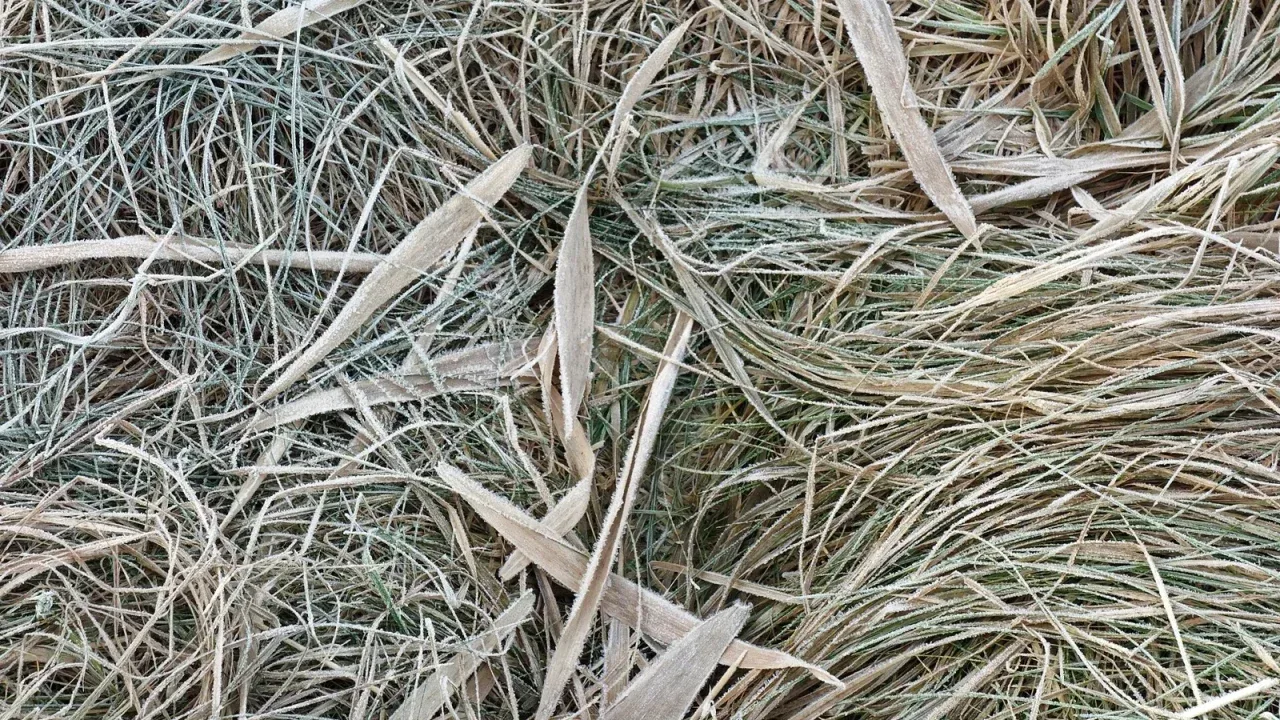
- Ground frost (pala): on clear, still nights the ground and leaf surfaces can freeze even when the air reading is a few degrees above zero. Leaves of tender plants turn dark, water-soaked and then dry and papery.
- Cold waves (sheet lahar): several days of unusually low temperatures, common in North India from mid December to January. Tropical plants stop growing and start shedding leaves.
- Fog and low light: long foggy spells in the Indo-Gangetic plains cut sunlight for days. Plants grow weak and soft, and wet leaves stay wet.
- Cold, dry wind: open terraces and high balconies dry out leaves and pots faster than you expect.
- Cold, wet soil: the most common winter killer of potted plants. Roots take up little water in the cold, so a summer watering routine leaves the mix soggy and roots rot.
- Rain in the south: Tamil Nadu and coastal Andhra get the northeast monsoon from October to December, so waterlogging, not cold, is the main risk there.
Which plants need protection
Most at risk
Tropical plants that need warmth all year: tulsi, curry leaf, nimbu (lemon), hibiscus, adenium, frangipani (champa), papaya, banana, money plant and syngonium kept outdoors, and young seedlings of tomato, brinjal and chilli. TNAU gives an optimum of 26 to 37°C for curry leaf, and the RHS rates tulsi as needing at least about 5 to 10°C.
Fine with care
Succulents such as aloe vera and jade, bougainvillea, and most indoor foliage plants. They handle cool days but not frost, cold wind or wet roots.
Happy in winter
Winter annuals such as petunia, calendula, pansy, dianthus and marigold, and winter vegetables such as palak, methi, peas, radish and carrot. Punjab Agricultural University notes in its package of practices that palak can tolerate frost.
Region-wise winter guide
North Indian plains (Punjab, Haryana, Delhi, UP, Bihar, Rajasthan, MP)
The hardest winter in the plains. Frost and cold waves are most likely from mid December to the end of January, often with dense fog. Protect tropical plants from December, water much less, and watch the forecast for cold wave warnings.
Hills (Himachal, Uttarakhand, J&K, Northeast hills)
Snow and hard frost in higher areas. Tender plants must come indoors or be grown as summer plants. Hardy perennials and bulbs rest through the cold. Keep pots off frozen ground and avoid clay pots that crack when wet soil freezes.
East and Northeast plains (West Bengal, Odisha, Assam, Jharkhand)
Mild winters with some cold January nights. Most plants need only a sheltered spot and less water.
Central and Deccan (Maharashtra, Telangana, Karnataka interior)
Cool, dry nights and warm days. Frost is rare. Watch for dry wind on terraces and powdery mildew on roses and cucurbits.
South and coastal (Tamil Nadu, Kerala, coastal Andhra and Karnataka, Konkan, Goa)
No real cold. The main care points are drainage during the northeast monsoon rains and fungal problems in humid weather. This is the best season to grow most vegetables and flowers.
Ten steps to protect plants in winter
1. Water less, and in the morning
Check the soil before every watering. Water potted plants only when the top 2 to 3 cm is dry, and do it in the late morning so the mix is not cold and wet overnight. Indoor plants need even less. Our indoor watering guide covers this in detail.
2. Before a frosty night, water lightly in the afternoon
This sounds like the opposite of step 1, but it is not. The India Meteorological Department's cold wave advice tells farmers to give light irrigation in the evening to protect crops from cold injury, because moist soil holds and releases more heat than dry soil. For pots, give a light drink on the afternoon of a forecast frost if the mix is dry, but never leave pots waterlogged.
3. Cover tender plants at night
IMD recommends covering young plants with sarkanda (reed grass), straw, polythene sheets or gunny bags, and covering nursery beds with polythene at night and removing it in the morning. At home, use an old cotton sheet, a jute bag or a dupatta over a few sticks, so the cover does not touch the leaves. Always uncover in the morning.

4. Move pots to warm spots and group them
A south-facing wall gets the most winter sun and gives back heat at night. Group pots together against it, put the tender ones in the middle, and keep them out of wind tunnels on open terraces.
5. Lift pots off cold floors
Stone, marble and concrete floors get very cold. Stand pots on bricks, wooden planks or pot stands. This also helps drainage during southern rains.
6. Mulch the soil surface
A layer of dry leaves, straw or cocopeat on top of the soil keeps roots a little warmer and slows drying from wind. Keep mulch slightly away from stems.
7. Do not dig or loosen the soil during cold spells
IMD advises against disturbing the soil in cold weather, because a loose surface reduces the heat that rises from deeper soil at night. Do your hoeing before December or after the cold passes.
8. Stop feeding during cold waves
IMD also says not to apply nutrients in cold weather, because roots take up very little. Most potted plants need no fertiliser from mid December to early February in the north. Resume when new growth starts. For general feeding later, see our fertiliser guide.
9. Do not prune cold-damaged plants yet
Damaged leaves and twigs protect the growth below them from the next frost. IMD suggests pruning the affected parts at the end of February or in early March. That is also when it is clear which stems are alive.
10. Give indoor plants light, not heat
- Move indoor plants closer to the brightest window by day, but pull them back from cold glass at night.
- Keep them away from room heaters and blowers, which dry and scorch leaves.
- Wipe dust off leaves so they can use what light there is.
- Do not repot in peak winter unless roots are rotting.
Signs of cold damage, and what else they could be
After a cold night, tender leaves may look dark, water-soaked or limp, and later dry to brown or black. Leaves may also yellow and drop over a few weeks of cold. But spots, yellowing and leaf drop can also come from fungal disease, root rot or pests. Before deciding, check:
- Timing: did the damage appear right after a cold night, on the most exposed side of the plant?
- Roots and soil: is the pot soggy or sour-smelling? See root rot and overwatering.
- Stems: scratch the bark. Green and moist underneath means the stem is alive.
- Pests: look under leaves for aphids, mealybugs and scale.
Our cold draft page shows typical indoor cold injury.
Plant-specific winter guides
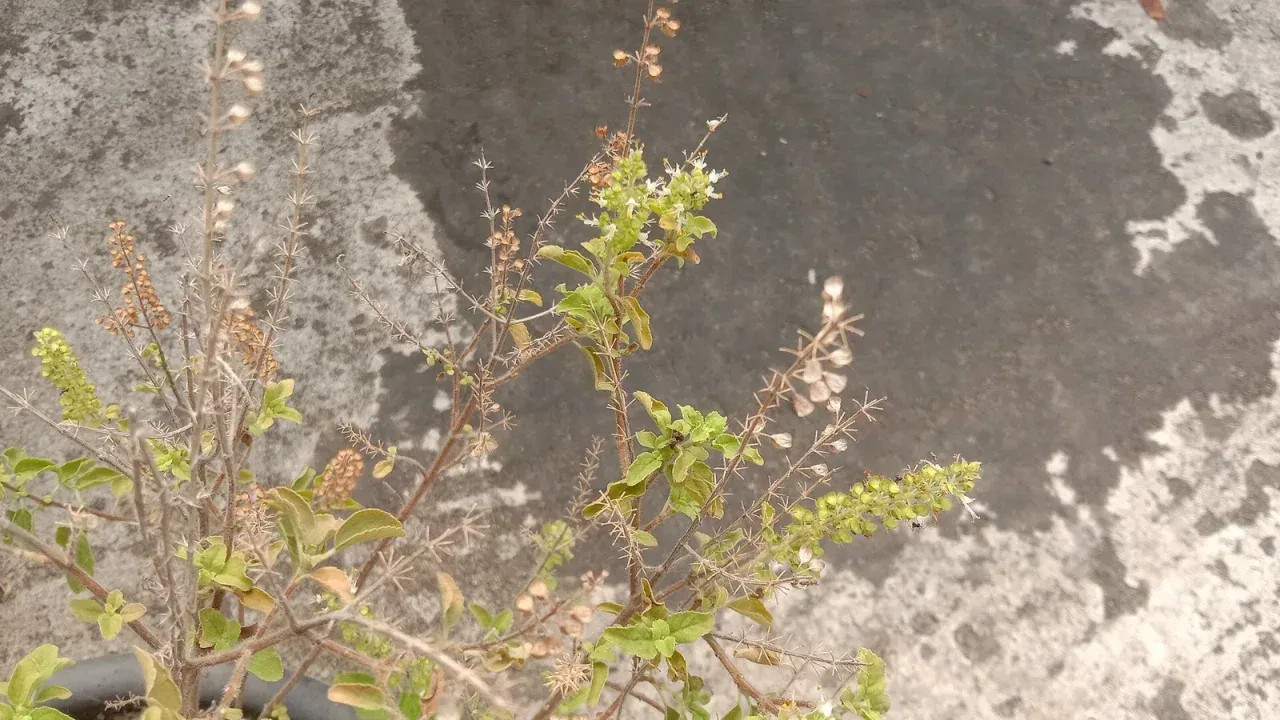
- Tulsi drying in winter
- Curry leaf plant winter care
- Lemon plant leaves falling in winter
- Rose pruning time in India
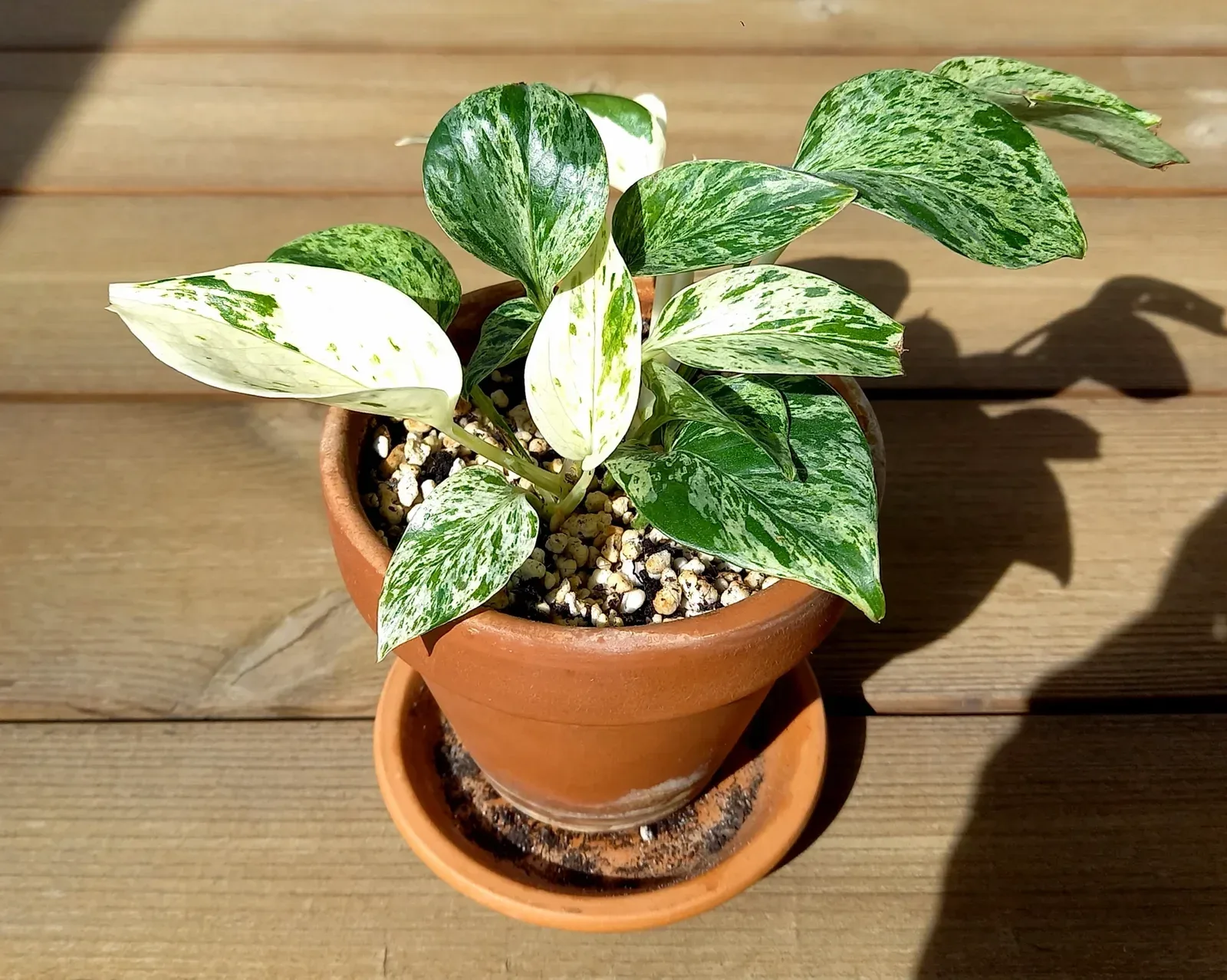
- Money plant yellow leaves
- Jade plant balcony care
- Aloe vera soft leaves and rot
- Snake plant yellow leaves
- ZZ plant rhizome rot recovery
- Winter flowering plants for North India
Watch: winter plant care tips (Hindi)
Sources
- India Meteorological Department (Agromet), Dos and Don'ts for Cold Wave
- Punjab Agricultural University, Package of Practices for Cultivation of Vegetables
- TNAU Agritech Portal, Curry leaf
- Royal Horticultural Society, Ocimum tenuiflorum (holy basil)
Comments
No comments yet — share what worked in your climate.