
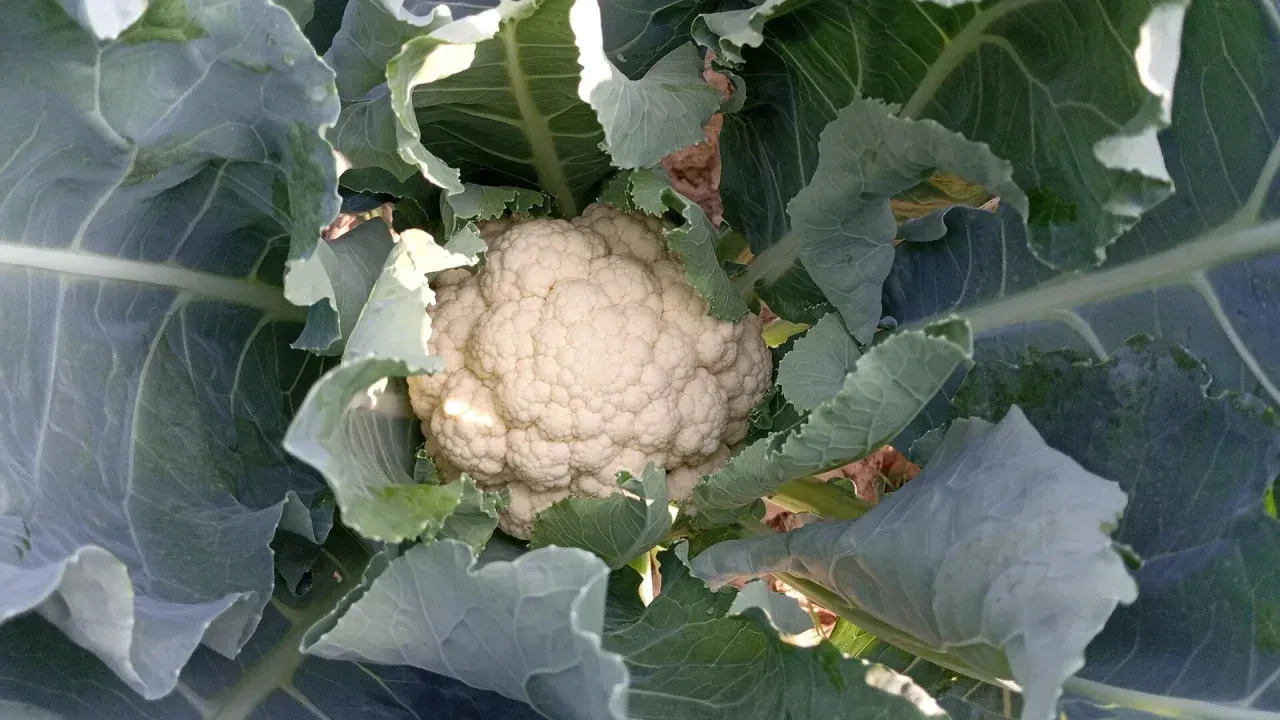
November is the best month of the year for a home vegetable garden in most of India. The heat has gone, the rains are over, and leafy greens, root crops, peas and the gobhi family all grow happily in pots and grow bags. What you can still sow this month depends on where you live. A terrace in Ludhiana, a balcony in Chennai and a hill garden in Shimla follow very different calendars.
This guide lists the winter (rabi) vegetables that do well in containers, region by region, with sowing months taken from state agricultural university and ICAR packages of practice. It also covers pot sizes, the mix, sunlight, and what to do if you have missed the early sowing window.

Quick list: winter vegetables that suit pots
- Leafy greens: palak (spinach beet), methi (fenugreek), dhaniya (coriander), sarson saag (mustard greens), salad patta (lettuce), bathua.
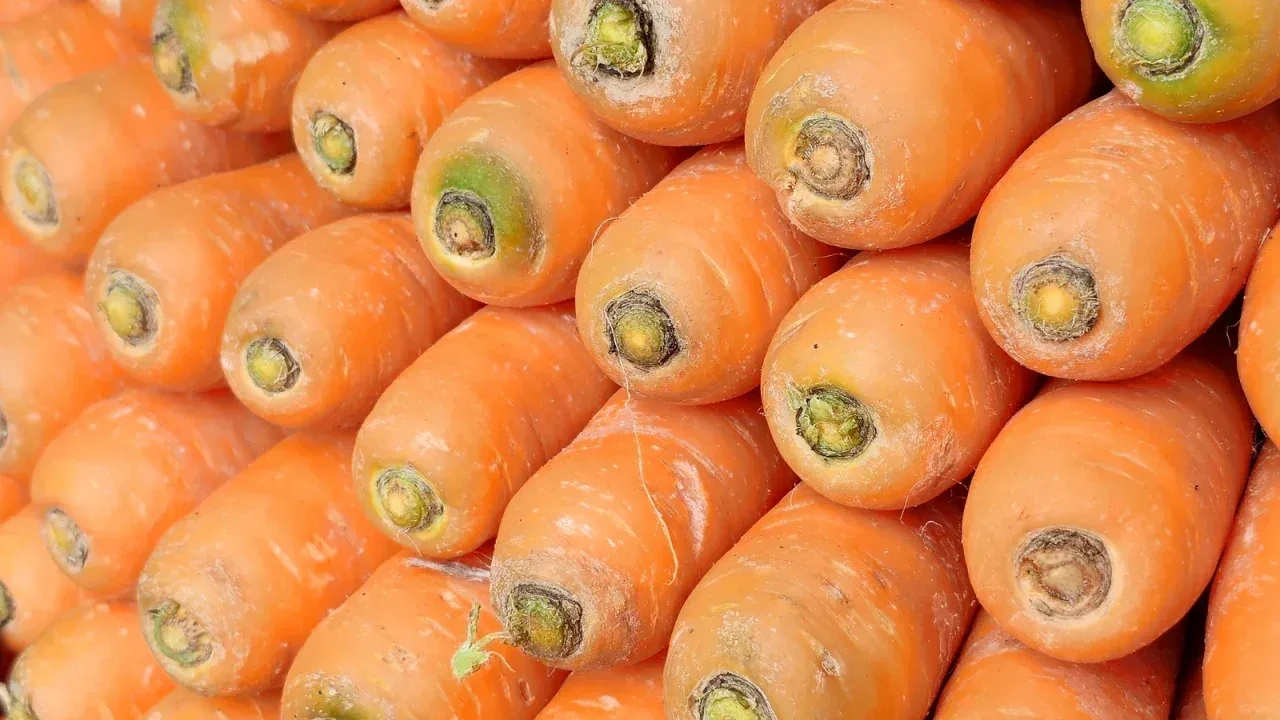
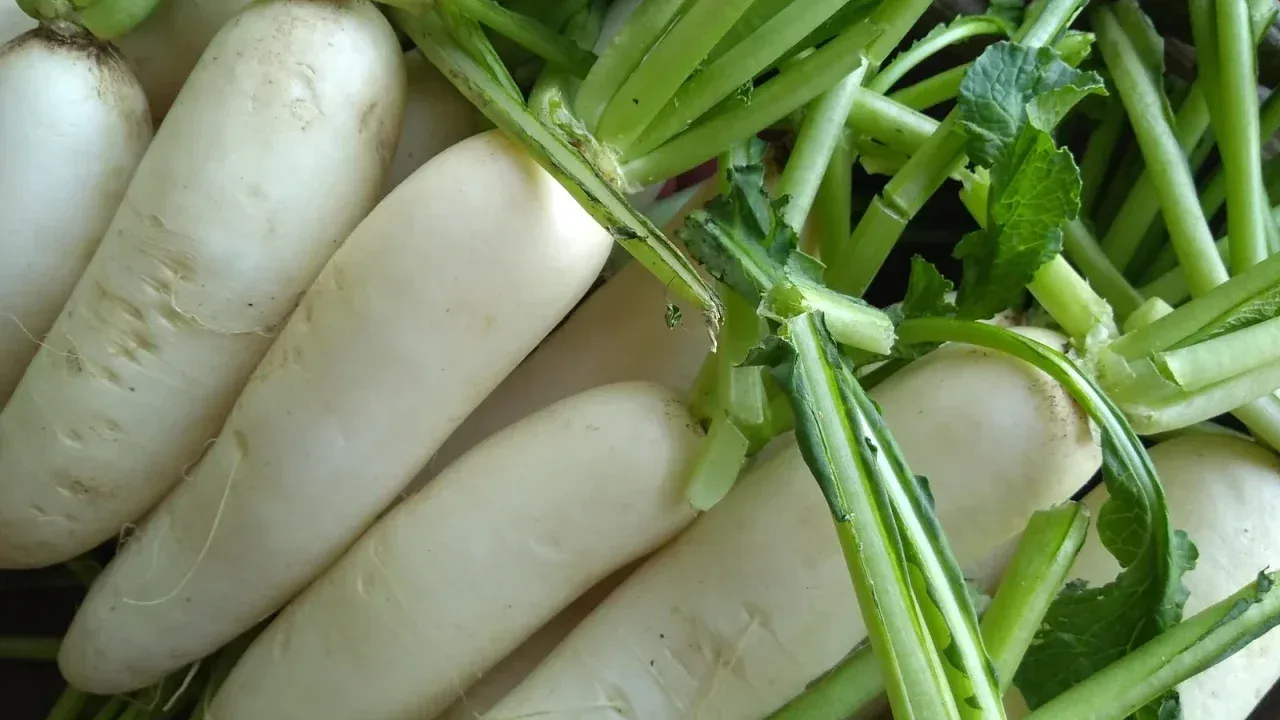
- Roots: mooli (radish), gajar (carrot), shalgam (turnip), chukandar (beetroot).
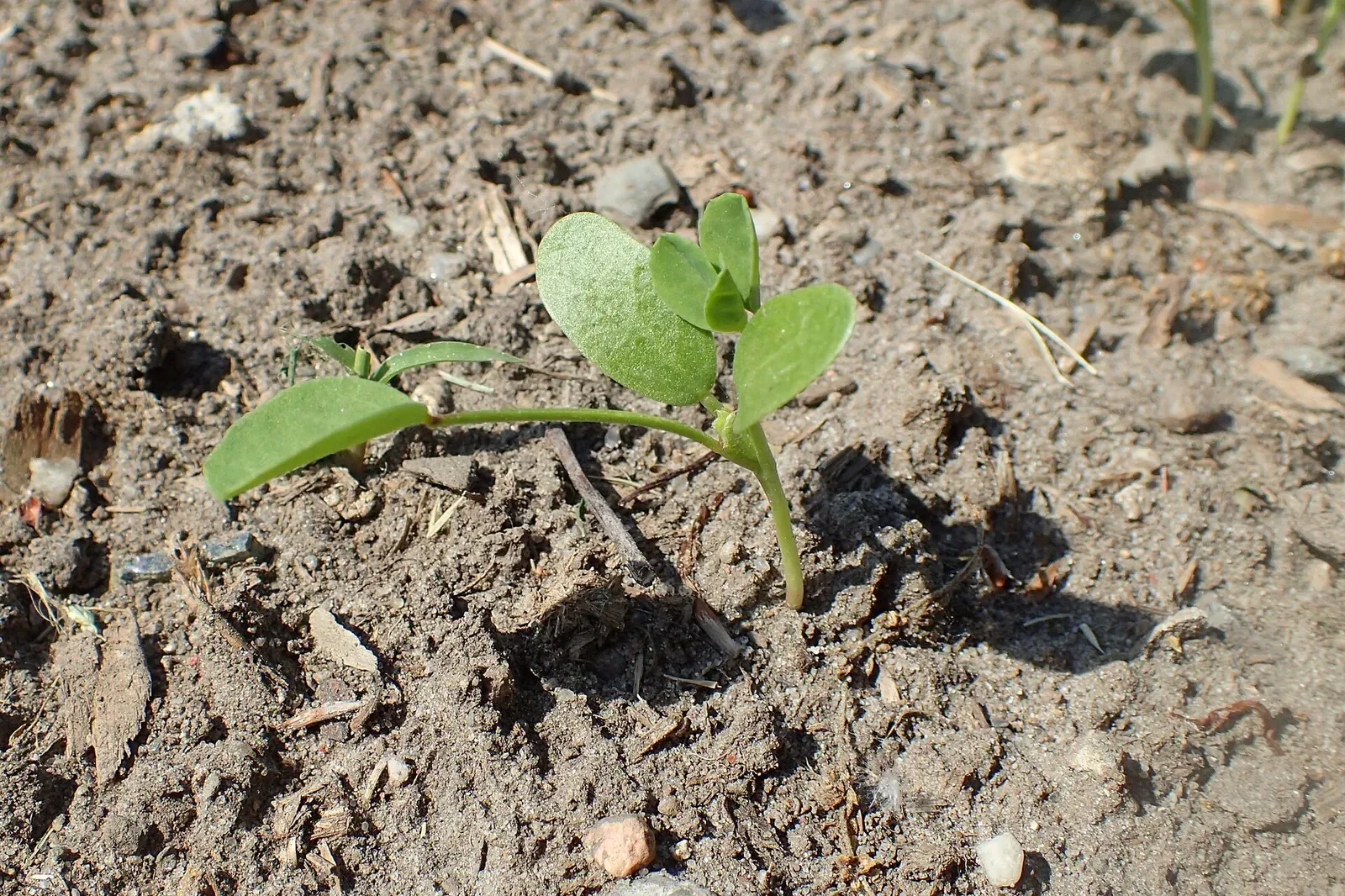
- Pods: matar (garden peas), sem (broad beans).
- Gobhi family: phool gobhi (cauliflower), patta gobhi or band gobhi (cabbage), ganth gobhi (knol-khol), broccoli.
- Bulbs: pyaz (onion) and lahsun (garlic), mostly for green leaves in pots.
- Fruit vegetables: tamatar (tomato), baingan (brinjal) and mirch (chilli) from seedlings in the plains; they need protection from frost in the north.
Greens and radish give the quickest results, often within a month. Cauliflower and cabbage need the most space and time, so grow them only if you have big grow bags and full sun.
Region-wise sowing calendar
The months below come from published packages of practice. A package of practice is the crop guide a state agricultural university writes for farmers in its region. Home containers follow the same seasons, since temperature decides when a crop grows well.
North Indian plains (Punjab, Haryana, Delhi NCR, western UP)
Punjab Agricultural University's vegetable package of practices gives these sowing windows:
| Vegetable | Sowing time (PAU) | Approx. days to harvest (PAU) |
|---|---|---|
| Palak | September to October | About 30 for first cutting |
| Dhaniya (coriander) | October | About 40 |
| Kasuri methi | October | About 42 |
| Mooli (radish) | September to October, and January to March | About 45 |
| Shalgam (turnip) | October to November | About 45 |
| Gajar (carrot) | August to November | About 90 |
| Matar (peas) | Mid October to mid November | 65 to 90, by variety |
| Salad (lettuce) | Mid September to mid November | About 45 |
| Phool gobhi (late group) | October to November | Varies by group |
| Patta gobhi (cabbage) | September to October | Varies by variety |
| Lahsun (garlic) | End September to October | Long season |
| Tamatar (tomato) | Nursery October to November, transplant November to December | About 65 after transplanting |
So if you are reading this in November in the north, you can still sow peas (until mid month), turnip, lettuce, carrot and the leafy greens. For cauliflower, cabbage and tomato, buy healthy seedlings from a nursery now instead of starting from seed. The north also gets frost (pala) in December and January, so keep tender plants like tomato and brinjal near a wall and cover them on cold nights.
SKUAST-Jammu's package of practices for the subtropical Jammu plains, which have a similar climate, allows palak from August to December, methi from September to November, and Asian winter radish such as Japanese White and Pusa Himani from late November to January. That is useful if you are a little late.
Hills (Himachal, Uttarakhand, Jammu and Kashmir, Northeast hills)
In the hills, altitude matters more than the calendar. SKUAST-Jammu divides its region into zones:
- Lower and mid hills (intermediate zone): peas from September to November, radish from mid August to November, and European carrots such as Nantes in October and November.
- High hills (temperate zone): most vegetables, including palak, peas, carrot and radish, are sown from March to June. Winter is too cold for open sowing.
In the high hills, use winter to prepare grow bags and mix, and sow in spring. In the lower hills, sow peas and radish now and keep pots against a sunny, sheltered wall.

The Nilgiris and other southern hills are different again. TNAU's radish guide gives June and July as the main sowing time in the hills, and carrots are harvested there through the cool months.
South Indian plains (Tamil Nadu, Karnataka, Andhra Pradesh, Telangana)
Winter in the southern plains is mild, so the season is longer but cooler crops have less time before the heat returns. TNAU recommends September as the best month to sow radish in the plains, and it lists varieties such as Pusa Chetki, Pusa Rashmi and Arka Nishant. In November, the easiest crops to sow are:
- Greens: palak, methi, dhaniya, amaranth (keerai) and lettuce.
- Roots: radish and beetroot in deep pots.
- Beans, tomato, brinjal and chilli, which grow in the south almost all year.
Tamil Nadu and coastal Andhra get the northeast monsoon from October to December. Use pots with good drainage holes and raise them off the floor on bricks, so heavy rain does not waterlog the roots.
Coastal and humid regions (Kerala, Konkan, coastal Karnataka, Odisha, West Bengal)
In coastal and humid areas, winter is mild, so the season for cool-weather crops is short. Sow once the heavy monsoon rain has stopped, and choose varieties bred for the tropics; the nursery or seed packet will say so. Your local Krishi Vigyan Kendra can confirm the best sowing month for your district. Grow bags work well here because they drain freely in heavy rain.

High humidity means more leaf diseases, so space plants well, water the soil rather than the leaves, and pick off spotted leaves early. In Bengal and Odisha, November to February is the main season for palong shak (palak), mooli, peas, cauliflower and cabbage.
Pot size for each vegetable
These are practical minimums for healthy plants. Bigger is fine, especially on hot, windy terraces where small pots dry fast.
| Vegetable | Minimum soil depth | Container idea |
|---|---|---|
| Palak, methi, dhaniya, lettuce | 15 to 20 cm | Wide trays, window boxes, cut cans |
| Mooli (small types), shalgam, chukandar | 25 to 30 cm | 12 inch pots or grow bags |
| Long mooli, gajar | 30 cm or more | Tall grow bags |
| Matar | 20 to 25 cm | Long troughs with a net or sticks |
| Phool gobhi, patta gobhi, broccoli | 30 to 35 cm | One plant per 14 to 15 inch grow bag |
| Tamatar, baingan | 30 cm or more | One plant per 15 inch grow bag with a stake |
Not sure whether pots or grow bags are better for your space? Our grow bags vs pots guide compares weight, drainage and cost.
Soil mix, sunlight and watering
Soil mix
Do not fill pots with plain garden soil. It packs hard and drains badly. A simple home mix is roughly equal parts garden soil, well-rotted compost or vermicompost, and cocopeat, with a handful of sand or perlite. Our potting mix guide explains each ingredient. Mix compost in before sowing so plants have food from the start.
Sunlight
Winter sun is lower and weaker. Leafy greens manage with 4 to 5 hours of direct sun. Peas, roots, gobhi and tomatoes need 6 hours or more. On a terrace, the south side usually gets the most winter sun. Move pots away from spots that the winter sun no longer reaches. Our terrace garden setup guide covers layout and load.
Watering
Plants use less water in winter. PAU suggests watering field palak every 10 to 12 days in winter compared with every 4 to 6 days in summer. Pots dry faster than the ground, so check with your finger. Water when the top 2 to 3 cm of mix is dry, preferably in the late morning so leaves dry before night.
Feeding
Leafy crops like a top-up of compost or vermicompost after each cutting. During cold waves, the India Meteorological Department's advice for farmers is not to apply nutrients to the soil, because roots take up very little in the cold. Wait for a warmer spell. If you use any packaged fertiliser, follow the dose on its label.
Missed the early window? What you can still sow in late November and December
- North plains: palak, methi, dhaniya, lettuce and Asian radish types such as Japanese White, plus Nantes-type carrots (SKUAST lists November to December for the subtropical zone). Buy seedlings of gobhi and tomato.
- South and coastal plains: almost all greens, radish, beans, tomato and chilli are still fine.
- Hills: in the lower hills, peas and radish until November. In the high hills, wait for March.
Sow greens in small batches every two to three weeks. That way you get a steady supply instead of one big harvest that bolts at once.
Common problems in winter vegetable pots
- Seeds not coming up: cold soil slows germination, and soggy mix can rot seeds. Keep sown pots in the sun and water lightly.
- Seedlings collapsing at soil level: this is often damping off, a fungal problem of wet, crowded seedlings. Sow thinner and let the surface dry between waterings.
- Small insects on new leaves of mustard, cabbage and peas: often aphids. Check the undersides of leaves and wash them off with water early.
- White powder on pea leaves: look up powdery mildew and confirm by the pattern on the leaves before treating.
- Plants flowering too early (bolting): sowing too late into rising heat, especially palak, lettuce and dhaniya in the south. Sow earlier next year and harvest young.
Yellow leaves alone do not tell you the cause. Check the roots, the drainage and recent cold nights before you change anything. Our yellow leaves guide explains how to narrow it down.
Watch: a winter terrace vegetable harvest
This video from an Indian terrace gardener shows desi winter vegetables grown in containers through the season.
Related guides
- Plant care in winter in India
- How to grow methi in pots
- Tomato flowers but no fruit
- Balcony and terrace gardening in India
- Winter flowering plants for North India
- Coriander (dhaniya) plant profile
Sources
- Punjab Agricultural University, Package of Practices for Cultivation of Vegetables
- SKUAST-Jammu, Package of Practices for Vegetable Crops (2020)
- TNAU Agritech Portal, Radish
- India Meteorological Department (Agromet), Dos and Don'ts for Cold Wave
Comments
No comments yet — share what worked in your climate.