
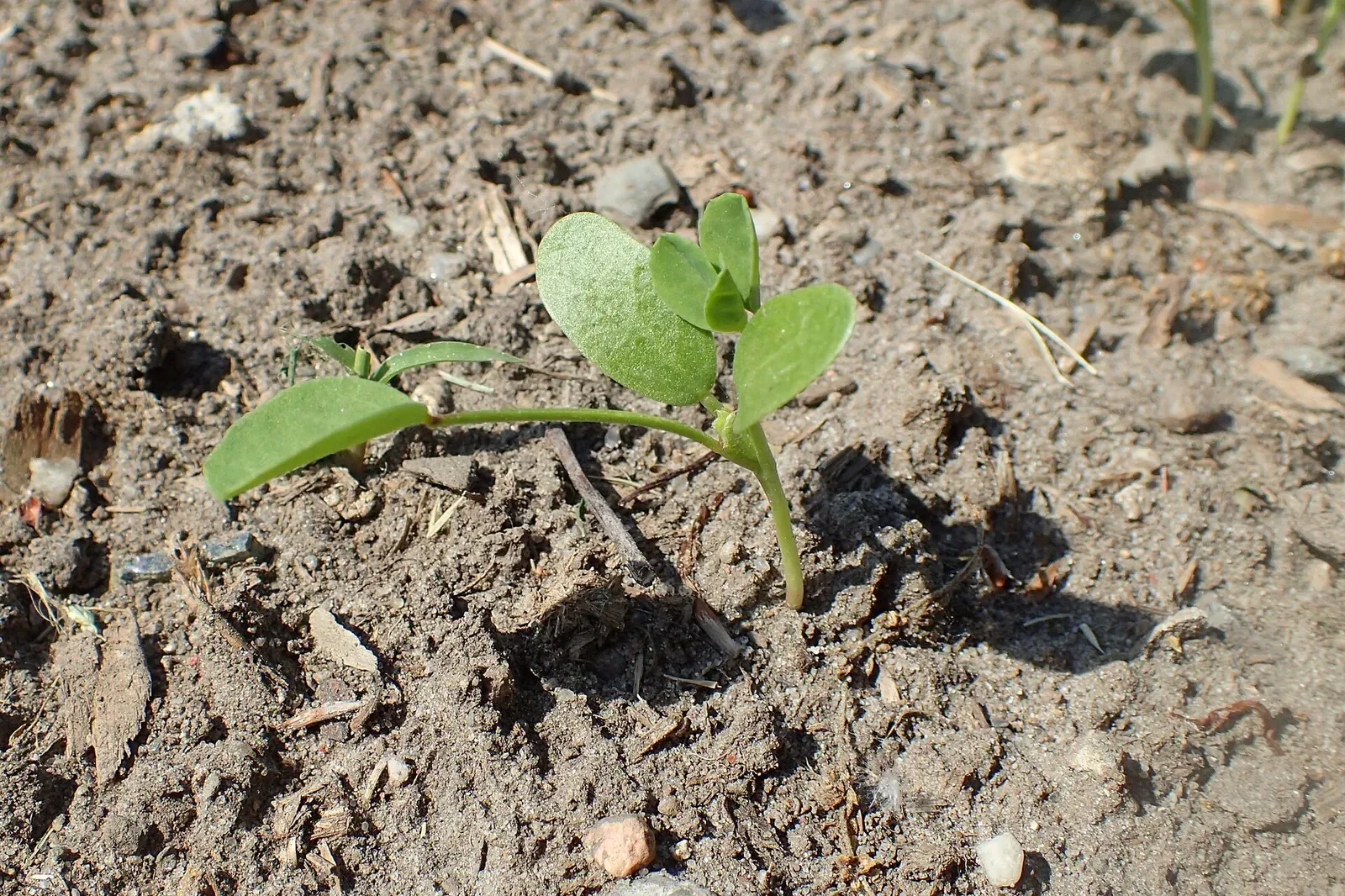
Methi is the easiest winter green you can grow in a pot. Sow the seeds in a wide, shallow container in October or November if you live in the North Indian plains, keep the pot in full sun, and you can start picking tender leaves in about three to four weeks. In the hills, the South and the coast the timing is different, and this guide gives you the right months for each.
The short version: a wide pot at least 15 cm deep, loose soil that drains well, seeds sown about 1 cm deep, light watering, and a sunny spot that is protected from frost. Cut the leaves before the plant flowers.
Quick facts
| Question | Answer |
|---|---|
| Plant | Methi, fenugreek (Trigonella foenum-graecum), pea family |
| Best weather | Cool, fairly dry and frost free (TNAU) |
| Sowing in North Indian plains | October to November (ICAR-NRCSS) |
| Germination | Usually within 5 to 7 days (ICAR-NRCSS) |
| First greens | About 20 to 25 days after sowing (TNAU) |
| Sowing depth | About 1 to 3 cm; Kasuri methi only 1 to 1.5 cm (ICAR-NRCSS) |
| Pot | Wide and shallow, 15 to 20 cm deep, with drainage holes |
When to sow methi in your region
There is no single methi calendar for India. Methi likes cool, dry weather, so the right month depends on when your winter starts and how hard it gets.
| Region | When to sow for leaves | Notes |
|---|---|---|
| North Indian plains (Punjab, Haryana, Delhi NCR, UP, Rajasthan, Bihar) | October to November | ICAR-NRCSS lists early October to late November for Rajasthan, October to November for UP, mid October to November for Haryana, and mid October for Bihar. You can keep sowing small batches into December for leaves, but growth slows on cold nights. |
| Gujarat | Late September to early October | From the state-wise sowing table in the ICAR-NRCSS bulletin. |
| South India (Tamil Nadu, Karnataka, Andhra Pradesh, Telangana) | September to December, and again June to July | TNAU gives June to July and October to November for Tamil Nadu. |
| Coastal and mild-winter cities | Most of the year | ICAR-NRCSS notes methi greens can be grown almost all year in mild climates, except in peak summer and the heavy rainy season. |
| Hills (timings from the Himachal Pradesh advisory; use as a guide at similar heights elsewhere) | Low hills: August to November and February to March. Mid hills: July to October and February to April. High hills: March to June. | From the ICAR Rabi agro-advisory 2021-22 (Himachal Pradesh section), which lists Kasuri Methi and Pusa Kasuri among suitable varieties. Avoid sowing when frost is expected. |
If you are not sure, wait until the day temperature has clearly started to drop after Dussehra or Diwali and nights are pleasant. Seeds sown in hot soil germinate unevenly and the plants bolt to flower quickly.
Choosing a pot and soil
Methi is a small, shallow-rooted plant, so width matters more than depth. A wide plastic tub, a grow bag, an old crate lined with a sack, or a rectangular window box all work. A pot 15 to 20 cm deep is plenty for leaves. What it must have is drainage holes, because waterlogged soil is the fastest way to lose a methi sowing.
ICAR-NRCSS says methi grows best in well-drained loamy soil with a pH of roughly 6 to 7, and tolerates up to about 8.5. For a pot, a simple mix is:
- 2 parts garden soil
- 1 part well-rotted compost or vermicompost
- 1 part coarse sand or cocopeat to keep it loose
This is a practical home mix, not an official recipe. If your soil is heavy clay, add more sand or cocopeat.
How to sow methi in a pot, step by step
- Fill the pot to about 2 to 3 cm below the rim and water it once so the mix settles.
- Many gardeners soak the seeds in water for a few hours or overnight. It is optional, but it can make germination a little faster and more even.
- Scatter the seeds thinly over the surface, or sow them in shallow lines about 5 to 7 cm apart. Lines make weeding and cutting easier.
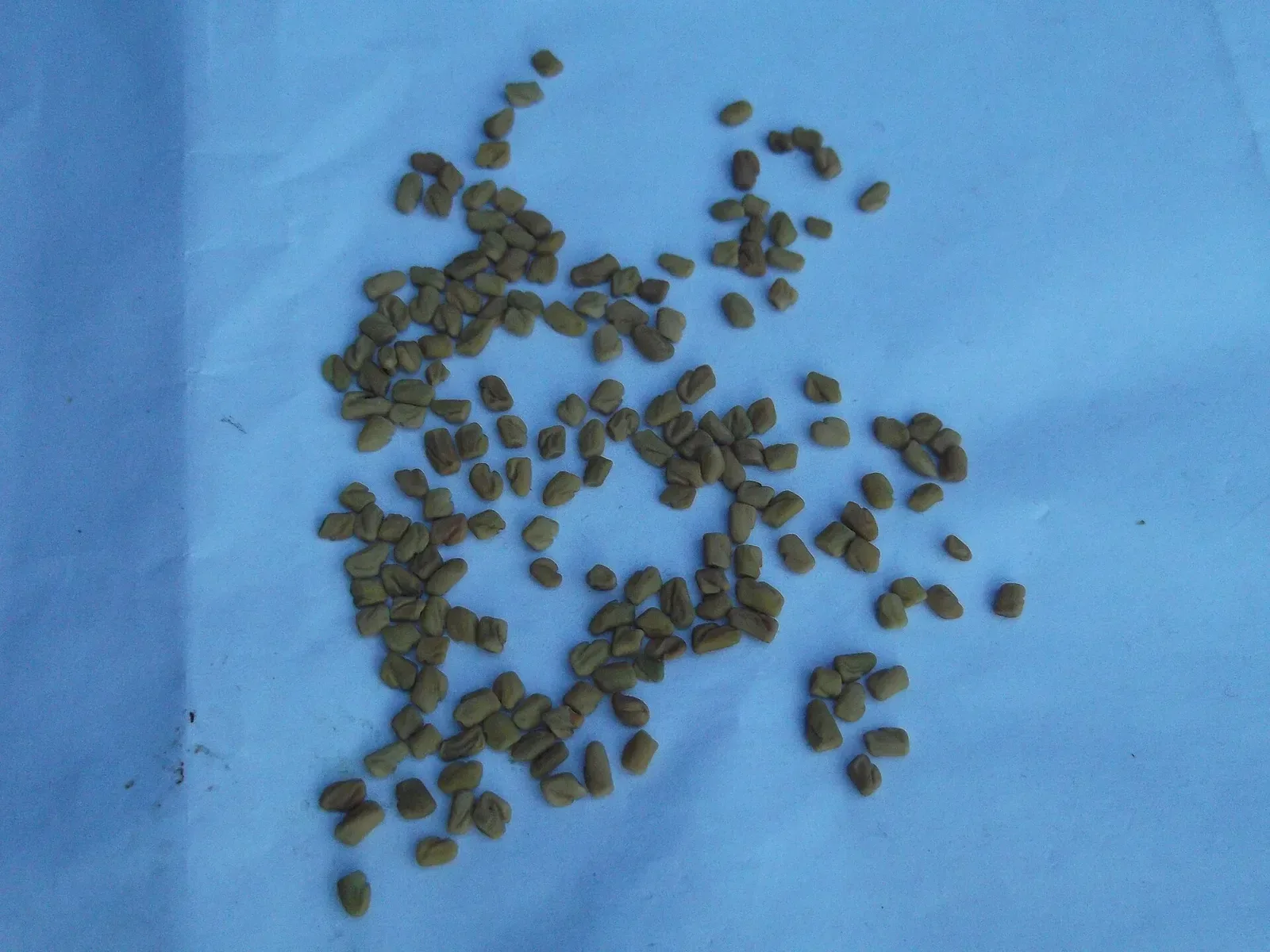
- Cover with a thin layer of soil, about 1 cm. ICAR-NRCSS gives 1 to 3 cm as the normal depth and only 1 to 1.5 cm for the small Kasuri seed. Too deep and they struggle to come up.
- Water gently with a sprinkler can or by hand so the seeds do not wash to one side.
- Keep the surface just moist until the seedlings appear, usually in 5 to 7 days.
Sun, water and feeding
Sun
Give methi the sunniest place you have. In a North Indian winter, a south or east facing balcony or a terrace corner that gets morning to afternoon sun works well. In shade, methi grows thin, pale and floppy. On very cold nights with frost warnings, move the pot against a wall or under a shed roof. TNAU describes methi as needing a frost-free climate.
Water
The ICAR-NRCSS bulletin says the crop needs light, frequent irrigation rather than heavy flooding. In a pot this means: water when the top centimetre feels dry, let the extra water drain, and never leave the pot sitting in a tray of water. In cool weather that may be every two or three days; on warm sunny afternoons, more often.
Feeding
Methi is a legume and does not need much feeding in a pot. Compost in the mix at sowing is usually enough for a leaf crop. If you take several cuttings and the leaves turn pale, a little vermicompost or a mild liquid compost tea after a cutting helps. Avoid heavy chemical fertiliser in a small pot.
Harvesting: how many days and how to cut
TNAU gives 20 to 25 days after sowing for greens. You can harvest in two ways:
- Pull out whole young plants when they are 10 to 15 cm tall. This also thins the pot.
- Cut the stems a few centimetres above the soil and let the plants grow back. TNAU notes that pinching at about 4 inches (10 cm) encourages branching, which gives you more leaves next time.
Common methi varieties give a few cuttings before they flower. Kasuri types such as Pusa Kasuri grow slowly as a low rosette and, according to ICAR-NRCSS, can give five to seven cuttings. They suit the longer cold season of the North better than the South.
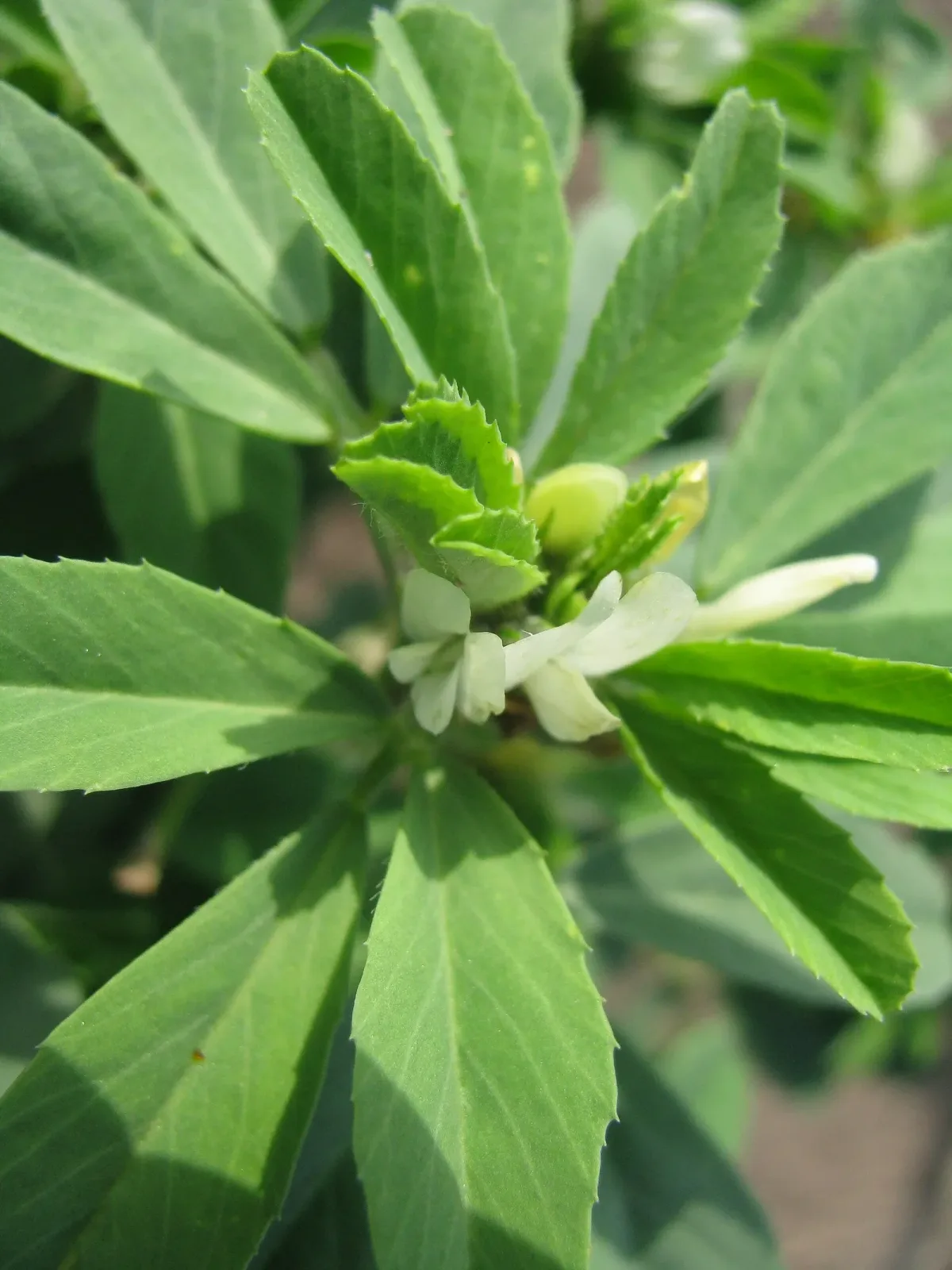
Once flowers appear, the leaves turn coarse and bitter. If you want your own seed, let a few plants flower and set pods. Seed takes much longer: TNAU gives 90 to 100 days for grain.
Common problems in potted methi
Seeds did not come up
Likely causes: sown too deep, soil dried out, very old seed, or very hot or very cold soil. Re-sow thinly at about 1 cm deep in the right month.
Thin, leggy, pale plants
Usually too little sun or seeds sown too thickly. Move the pot to a sunnier spot and thin the seedlings so they are a few centimetres apart.
Yellowing and collapse at the base
Root rot is a known problem in methi, and ICAR-NRCSS lists varieties chosen for tolerance to it. In a pot, the usual trigger is soil that stays wet. Pull out the collapsed plants, check that water drains freely, and water less often. Our root rot guide explains how to check the roots. Yellow lower leaves on an old plant that is about to flower can also be normal ageing.
White powder on leaves
Powdery mildew is a common methi disease; several ICAR-NRCSS varieties are bred to resist it. White, dusty patches that rub off are the usual sign. Remove badly affected leaves and give the pot more sun and air. If you are not sure it is mildew, compare with our powdery mildew page. Do not eat leaves sprayed with any product that is not labelled for leafy vegetables.
Small green or black insects on shoot tips
These are usually aphids. Wash them off with a jet of water and check again in a few days. See aphids for more.
Methi in a pot through the year
- October to November (North): main sowing. Sow a small batch every two to three weeks for a steady supply.
- December to January: growth slows in cold weather. Keep watering light and protect from frost.
- February to March: last good cuttings, then plants flower as days warm up.
- April to June: too hot in the plains. Move to the hills calendar if you live there.
- Monsoon: ICAR-NRCSS advises against the heavy rainy season. Coastal and southern gardeners can sow again in June to July only if the pot drains very well.
Watch: growing methi in a container
A home container sowing with updates through to harvest. Follow the sowing month for your region from the table above, not the month in the video.
Related plants and guides
- Fenugreek (methi) plant profile
- Coriander, another winter leaf crop for pots
- Balcony and terrace gardening in India
- Seasonal planting calendar
- Winter flowering plants for North Indian balconies
Planning more greens this season? See our region-wise list of winter vegetables to grow in pots.
Sources
- ICAR-NRCSS Ajmer: Fenugreek production technology (bulletin) (sowing time by state, depth, germination, soil pH, irrigation, Kasuri cuttings, varieties). Accessed 10 Nov 2026.
- ICAR-IISR / AICRP Spices: Technology 2021 (state-wise fenugreek sowing table). Accessed 10 Nov 2026.
- TNAU Agritech: Fenugreek (climate, Tamil Nadu season, pinching, days to greens and grain). Accessed 10 Nov 2026.
- ICAR / ATARI: Rabi agro-advisory 2021-22, Himachal Pradesh section (leafy vegetable sowing windows for low, mid and high hills). Accessed 10 Nov 2026.
- GBIF Backbone Taxonomy: Trigonella foenum-graecum L. (botanical name check). Accessed 10 Nov 2026.


Comments
No comments yet — share what worked in your climate.