
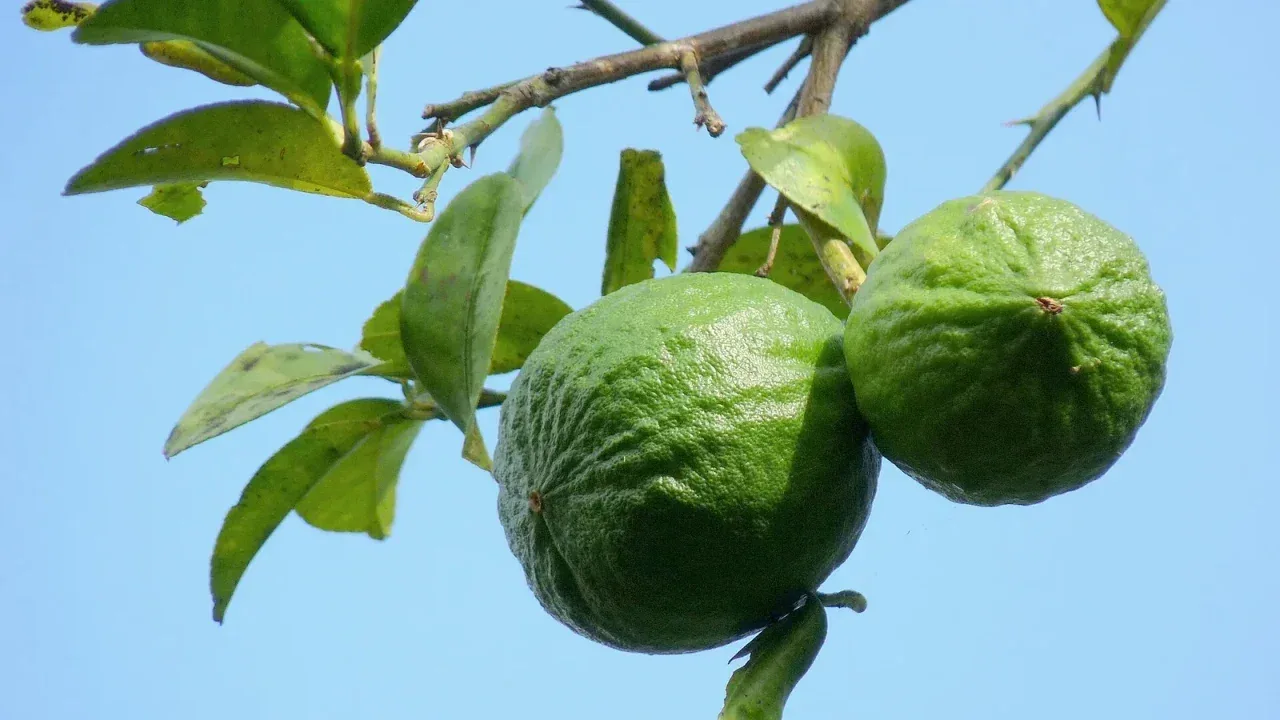
A nimbu plant that was full of leaves in October can look thin and yellow by late December, especially in a pot on a north Indian terrace. Often the plant is not dying. Citrus slows down in the cold, older leaves turn pale and drop, and no new flush replaces them until the weather warms. But winter is also when a wet pot, frost or a sudden move indoors can do real harm, so it is worth checking properly before you feed or spray anything.
This guide explains how to tell ordinary winter leaf drop from a problem, what to do in each region, and when another cause is more likely. Year-round care is in our lemon plant profile. For general frost and watering advice, see plant care in winter in India.

Nimbu, lemon and kagzi are close but not always the same plant
Most home "nimbu" plants in India are acid lime, Citrus aurantifolia, often sold as kagzi nimbu. True lemon, Citrus × limon, is also grown, including PAU varieties such as Punjab Baramasi Lemon, PAU Baramasi Lemon-1, Eureka and Punjab Galgal. Punjab Agricultural University lists lime (nimboo) and lemon as separate groups. Local names overlap, so the label and the fruit shape matter when you buy. Winter leaf drop, frost injury and wet-root problems are similar in both, and this guide covers potted nimbu of either type.
Check before you decide what is wrong
Yellow leaves or a bare pot do not, on their own, tell you the cause. PAU notes that citrus is of tropical origin and is injured by temperatures of −2 to 0°C if the cold lasts, but the same yellowing can come from wet roots, canker, sucking pests or a nutrient pattern that shows on new leaves. Work through these checks first:
- Pattern and timing: are mostly older, inner leaves turning evenly pale and dropping over days or weeks in cool weather? That often points to cold and a natural winter shed. Did leaves go dark, water-soaked or black overnight after a frost? That is more like cold injury. Is the whole plant wilting while the mix is still wet? Look at the roots. Are new leaves small, narrow and yellow between the veins, with green veins? That is closer to the zinc "mottled leaf" PAU describes, which is not a mid-winter feeding job.
- Stems: scratch a twig lightly. Green and moist underneath means it is alive. Twigs that snap dry are dead. A plant can lose many leaves and still have live wood.
- The pot: push a finger 3 to 4 cm into the mix, away from the stem, at more than one point. If it is cold, wet and sour-smelling days after watering, the roots may be rotting. Ease the plant out if you can. Healthy roots are firm and light-coloured; rotten roots are dark and soft. PAU says citrus needs well-drained soil and should not stand in water-logged ground. See root rot and overwatering.
- Trunk and soil line: look for gum oozing from the bark near the base. ICAR-Central Citrus Research Institute and PAU describe this as a sign of Phytophthora gummosis or foot rot, which is worse when irrigation water sits against the trunk. Pale foliage and twig die-back can follow.
- Both sides of the leaves: silvery serpentine mines point to citrus leaf miner. Sticky leaves, sooty mould, or clusters of small insects suggest psylla, whitefly, blackfly or aphids. Raised, corky brown spots with a yellow halo on leaves, twigs or fruit are how PAU describes citrus canker. Confirm what you see before you treat it.
Why leaves yellow and fall in winter
- Cold and a pause in growth: NHB notes that limes and lemons need warm, moderately moist conditions, and that citrus can stand only light frosts occasionally. In the north Indian plains, nights from mid December to January often go far below a comfortable growing range. New leaves are not produced, so ordinary shedding of older leaves suddenly looks alarming.
- Frost: leaves and young twigs may look dark or water-soaked, then dry brown or black, usually on the most exposed side of the pot. Fruit can also be marked. A south-facing wall and a night cover reduce the risk. Details are in the winter care pillar.
- Cold, wet roots: this is the usual way a potted nimbu is lost in winter. The plant uses little water in the cold, and a summer watering routine leaves the mix soggy. PAU warns against water-logged soils for citrus, and ICAR sources describe Phytophthora as a cause of gummosis, root rot and leaf fall when soil stays wet.
- Fog and low light: long foggy spells in the Indo-Gangetic plains cut light for days. Pots left in a shade that the winter sun no longer reaches drop more leaves.
- A sudden move indoors: autocomplete often asks about leaves falling after a plant is brought inside. A bright terrace and a dim room are very different. Many leaves can drop within a week or two from the change in light, humidity and air. This is not, by itself, a disease. Keep the plant in the brightest spot you have, away from a heater and from cold glass at night, and do not water more because leaves are falling. Our cold draft page covers indoor cold injury.
What to do through winter
Sun and shelter
Move the pot to the sunniest, most sheltered place, ideally against a south-facing wall, off a cold stone floor and out of the wind. The India Meteorological Department's cold wave advice is to cover young plants with straw, polythene or gunny bags on cold nights and to uncover them in the morning. For a pot, use a jute bag or an old cotton sheet over a few sticks so the cover does not sit on the leaves, and take it off by day. On the worst nights, a small pot can come indoors to a bright window.

Water much less
Check the mix before every watering. Water only when the top few centimetres have dried, in the late morning, and let the pot drain fully. Never leave it standing in a saucer. PAU's drip schedule for citrus uses far less water in December and January than in May and June, because demand falls in the cool months. In a pot that drop is even sharper. ICAR-CCRI's kitchen-garden note is to look at the soil moisture and water only if it is dry. If a frost is forecast and the mix is already dry, IMD advises a light irrigation so the soil can hold a little more heat; do not confuse that with a heavy winter soaking.
Do not feed during a cold wave
IMD advises against applying nutrients in cold weather, because roots take up very little. Do not give iron or nitrogen just because older leaves have turned pale in January. PAU's zinc and manganese sprays, when they are needed, are timed for the spring flush at the end of April and the late summer flush in mid August, on fully developed leaves, not in mid-winter. Orchard packages may apply farmyard manure in December and nitrogen in February, once growth is due to resume. For a home pot, wait until you see new leaves, then use compost or a packaged fertiliser only as its label directs.
Wait to prune
Do not cut a frost-blackened plant back hard in December. Damaged leaves and twigs still shelter the wood below. IMD suggests removing cold-damaged parts at the end of February or in early March, when you can see which twigs are alive. PAU similarly prefers pruning citrus after harvest, in late winter or early spring, and the removal of dead, dry wood. Sterilise the tool if you cut out cankered or gummy branches, and do not leave prunings under the pot.
Region by region
- North Indian plains (Punjab, Haryana, Delhi NCR, UP, Bihar, Rajasthan): this is the hardest winter for potted nimbu. Frost and cold waves are most likely from mid December to the end of January, often with dense fog. Some older-leaf yellowing and drop is expected. Protect from frost, cut watering sharply, and do not feed during a cold wave. New growth usually returns in late February or March if the stems are still green.
- Hills: hard frost and snow will kill an unprotected plant. Keep nimbu in a pot and bring it to a bright indoor window from November to March. Keep it off frozen ground, and avoid a clay pot that can crack if wet mix freezes.
- Central and Deccan plateau: nights are cool and dry, and hard frost is rare. Water less than in summer, but do not copy a Delhi interval blindly. ICAR-CCRI's November and December orchard notes are written for central India, where bearing trees may still be watered; in a home pot, still check the mix first.
- South India and the coasts: there is no real frost. If leaves yellow and fall here in winter, look first at waterlogging during the northeast monsoon, at pests, and at canker, which spreads more in wet weather. TNAU's acid lime guide says water stagnation should be avoided, and that irrigation after establishment is about every 7 to 10 days in the field, which is not a calendar for a rain-soaked pot. Raise bags on bricks and clear the drainage holes.
When it is probably not just the cold

- Canker: PAU describes yellowish spots that enlarge, turn rough and brownish, and become raised on both sides of the leaf, with a yellow halo. Twigs and fruit can be affected too. It is more a wet-season disease than a frost injury, and acid lime is often more susceptible. Pick up fallen leaves, improve airflow, and avoid working on wet plants. National Horticulture Mission and TNAU guidance is to remove and destroy badly infected material. Ask a KVK before using any spray, and use a product only as its current label directs.
- Phytophthora gummosis and root rot: gum at the trunk, pale foliage, die-back and leaf fall after the pot has been wet for a long time. PAU advises against flood irrigation and against letting water sit on the trunk. Raise the pot, improve drainage, and keep water off the bark. Soft, black roots need a root inspection, not more feed.
- Zinc mottled leaf: PAU describes irregular yellowing between the veins on fully mature new leaves, small narrow terminal leaves ("little leaf"), and twig die-back when it is severe. This pattern on a spring or summer flush is different from evenly pale older leaves in January. Official foliar timing in Punjab is the end of April and mid August, not mid-winter.
- Leaf miner: silvery, winding mines in young leaves, which become crumpled. PAU says the pest is active from the end of March to November, with peaks in April-May and September-October, and that the injury also encourages canker. In winter you may still see old mines. ICAR-CCRI advises picking and destroying affected nursery leaves. Do not spray a bare winter plant "just in case".
- Psylla, whitefly, blackfly and aphids: sap-sucking insects that leave leaves yellowish, curled or sticky, sometimes with sooty mould. PAU notes that psylla is also a vector of greening disease. Check undersides with a lens. Wash small colonies, control ants, and see our pages on aphids and scale. Confirm the pest before any product is used.
- Mites: PAU describes minute specks, a dusty look, leaf scorching and premature leaf fall, mostly in dry, hot weather (May-June, sometimes August-September), not as a typical January frost problem.
A single yellow leaf still does not prove any of these. If the pattern is blotchy and uneven, fruit is lopsided, or the tree declines through the growing season, have it checked at a KVK or a citrus clinic rather than guessing at greening or a deficiency. Our yellow leaves and leaf drop pages help you narrow it down.
Watch: yellowing nimbu leaves, and what to check
This video from an Indian gardener looks at lemon leaves turning yellow and falling, which is the same problem this page covers. Use it together with the checks above, not in place of them.
Related pages
- Plant care in winter in India
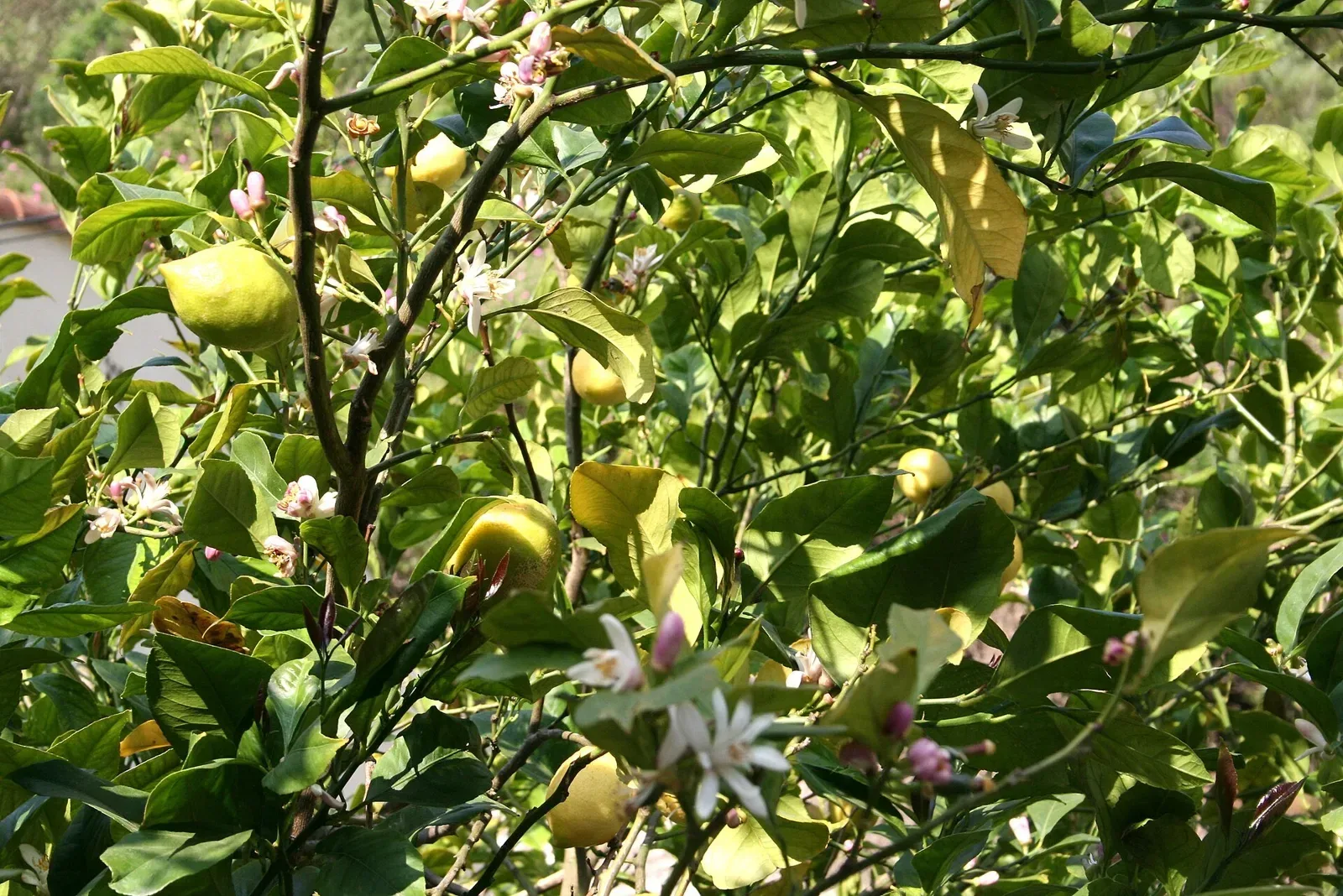
- Lemon plant profile
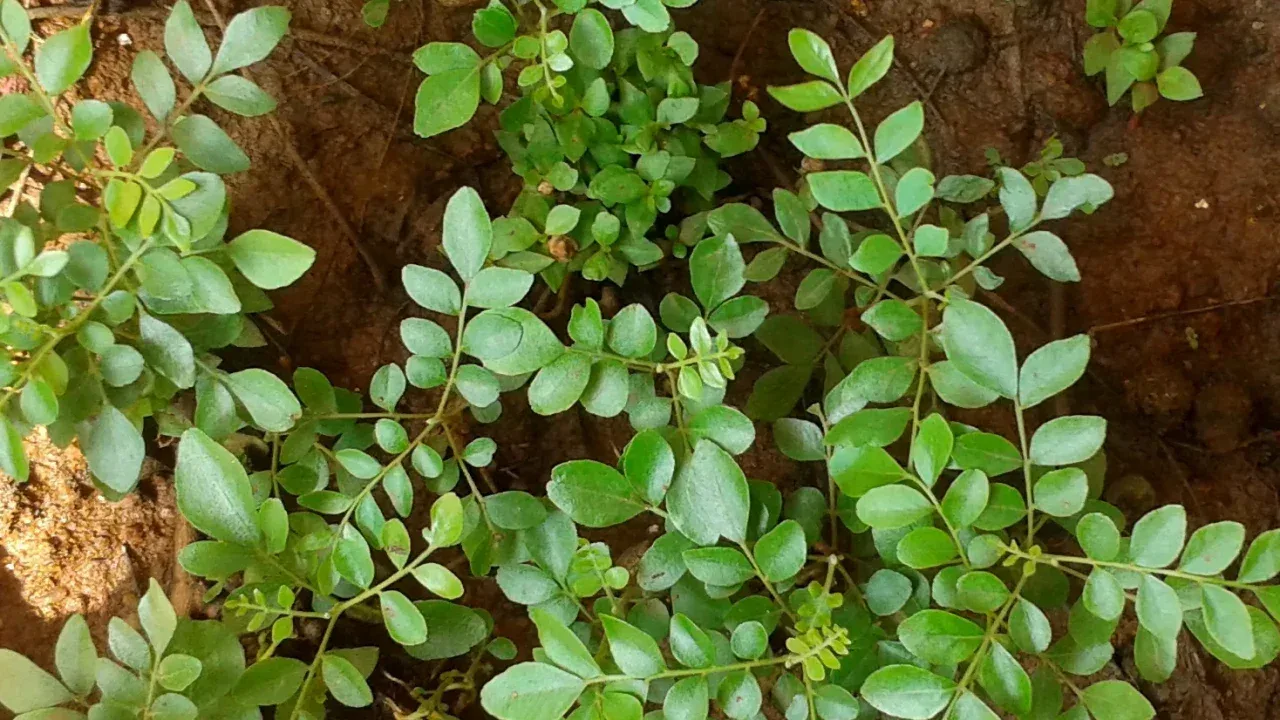
- Curry leaf plant winter care, a citrus-family shrub with similar cold-season leaf drop
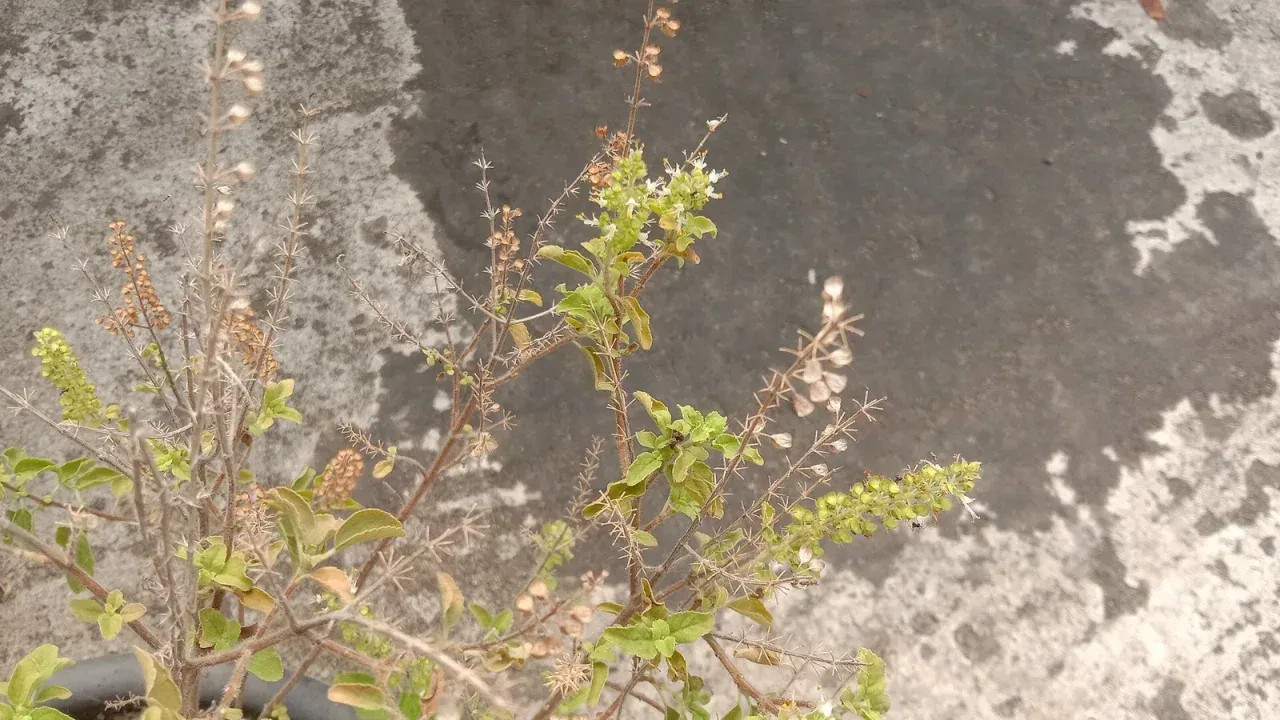
- Tulsi plant drying in winter
- How often to water indoor plants
- Potting mix for indoor plants
Sources
- Punjab Agricultural University, Package of Practices for Cultivation of Fruits (Citrus: climate, irrigation, zinc, canker, Phytophthora, pests)
- National Horticulture Board, Citrus: Soil and Climate
- TNAU Agritech Portal, Acid lime
- ICAR-Central Citrus Research Institute, Guidelines for November and Guidelines for December (Phytophthora/gummosis, leaf miner, irrigation)
- India Meteorological Department (Agromet), Dos and Don'ts for Cold Wave
Comments
No comments yet — share what worked in your climate.