
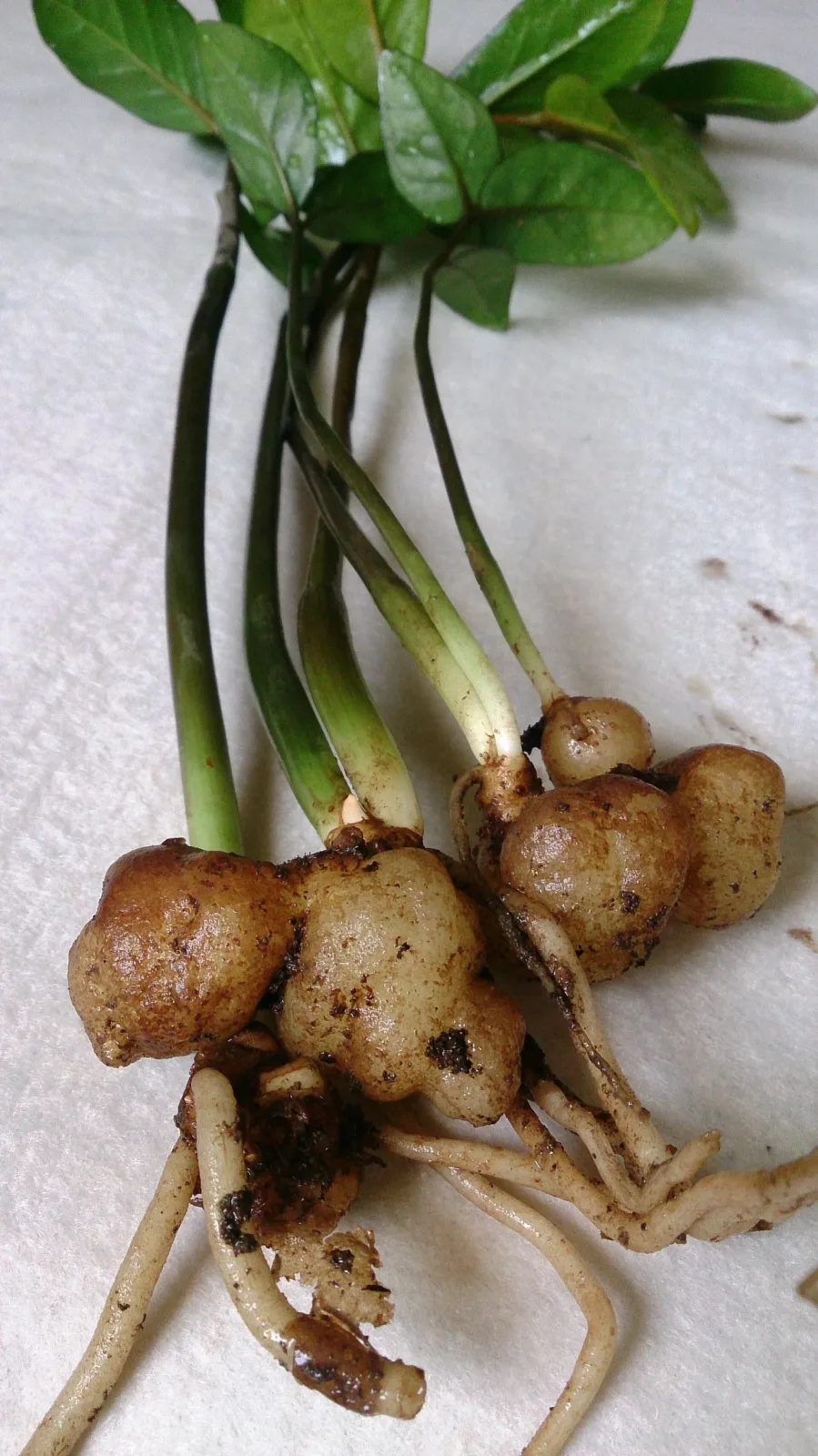
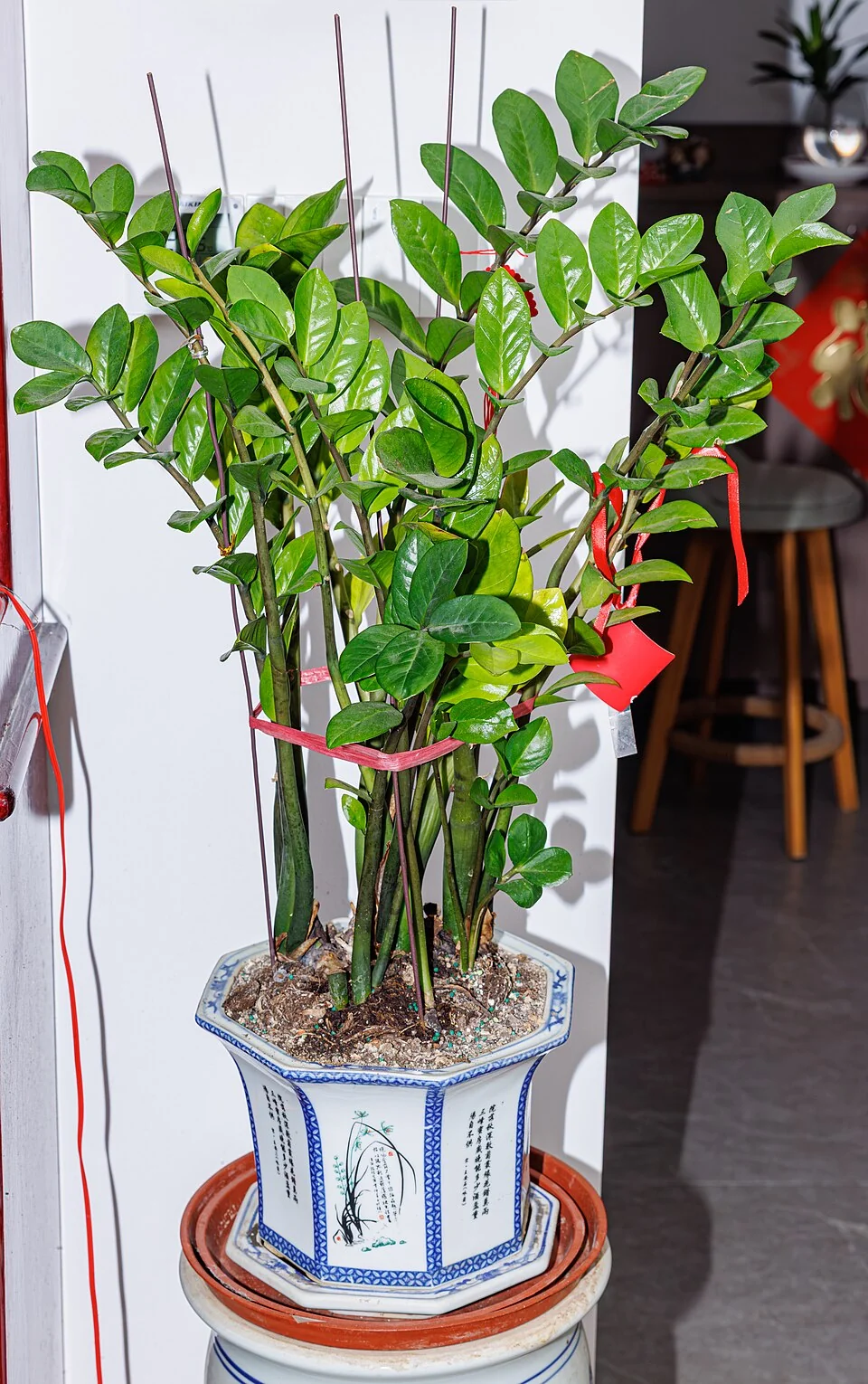
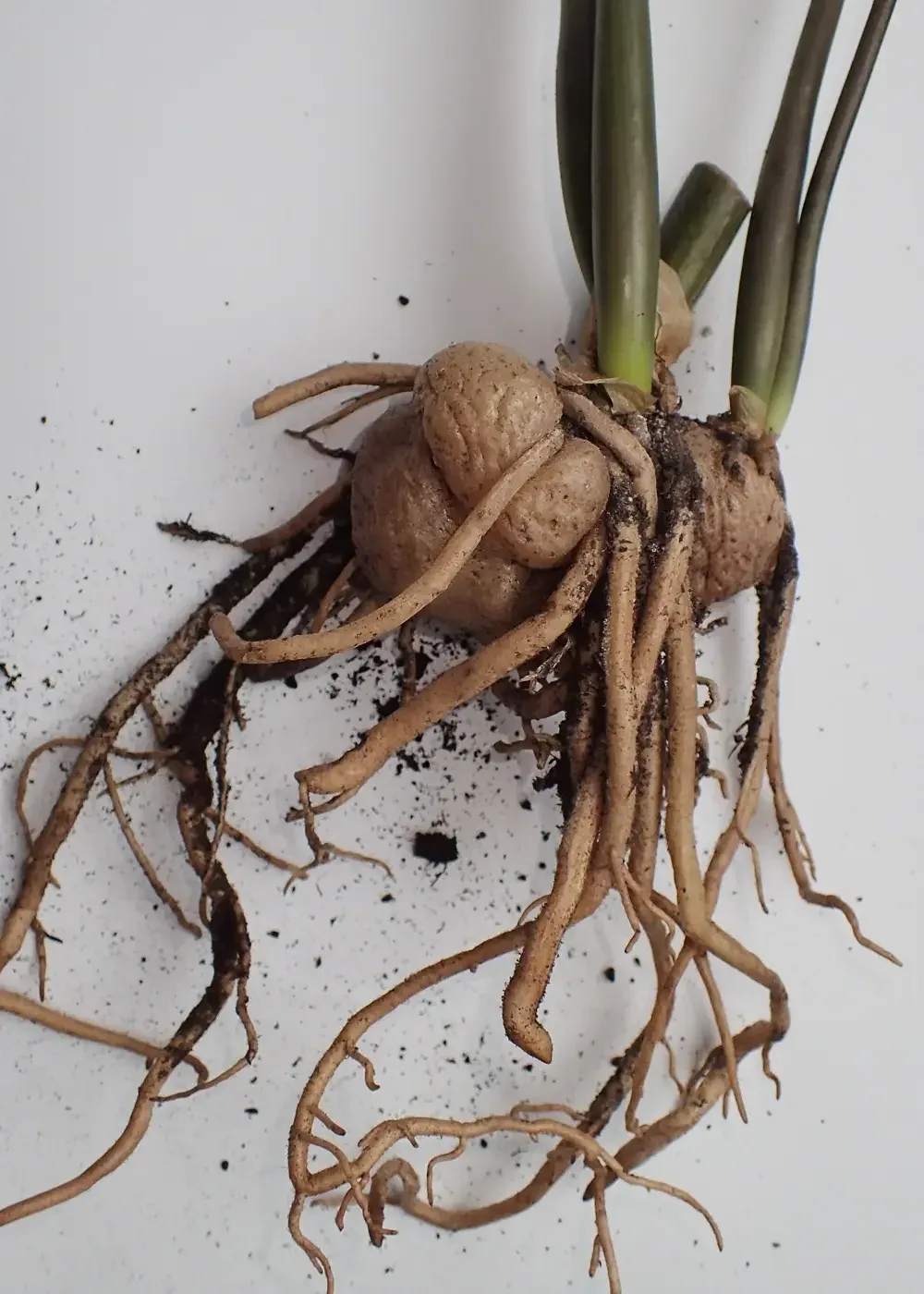
The ZZ plant is famous for being hard to kill. But there is one thing that kills it often: rhizome rot. Under the soil, the ZZ grows fat, potato-like roots called rhizomes. They store water. When the soil stays wet too long, these rhizomes start to rot. By the time you see it above ground, the damage below can be serious. This guide shows you how to spot it, how to try to save the plant, and when it is better to start fresh from healthy pieces. You can also check the full ZZ plant care profile for quick facts on light, water and soil.
Why ZZ plant rhizomes rot
Rhizomes are built to hold water for weeks. That is why a ZZ needs so little watering. When you water often, or the soil cannot drain, the rhizomes sit in wet soil with no air. Fungus and bacteria move in, and the rhizomes turn soft and rotten.
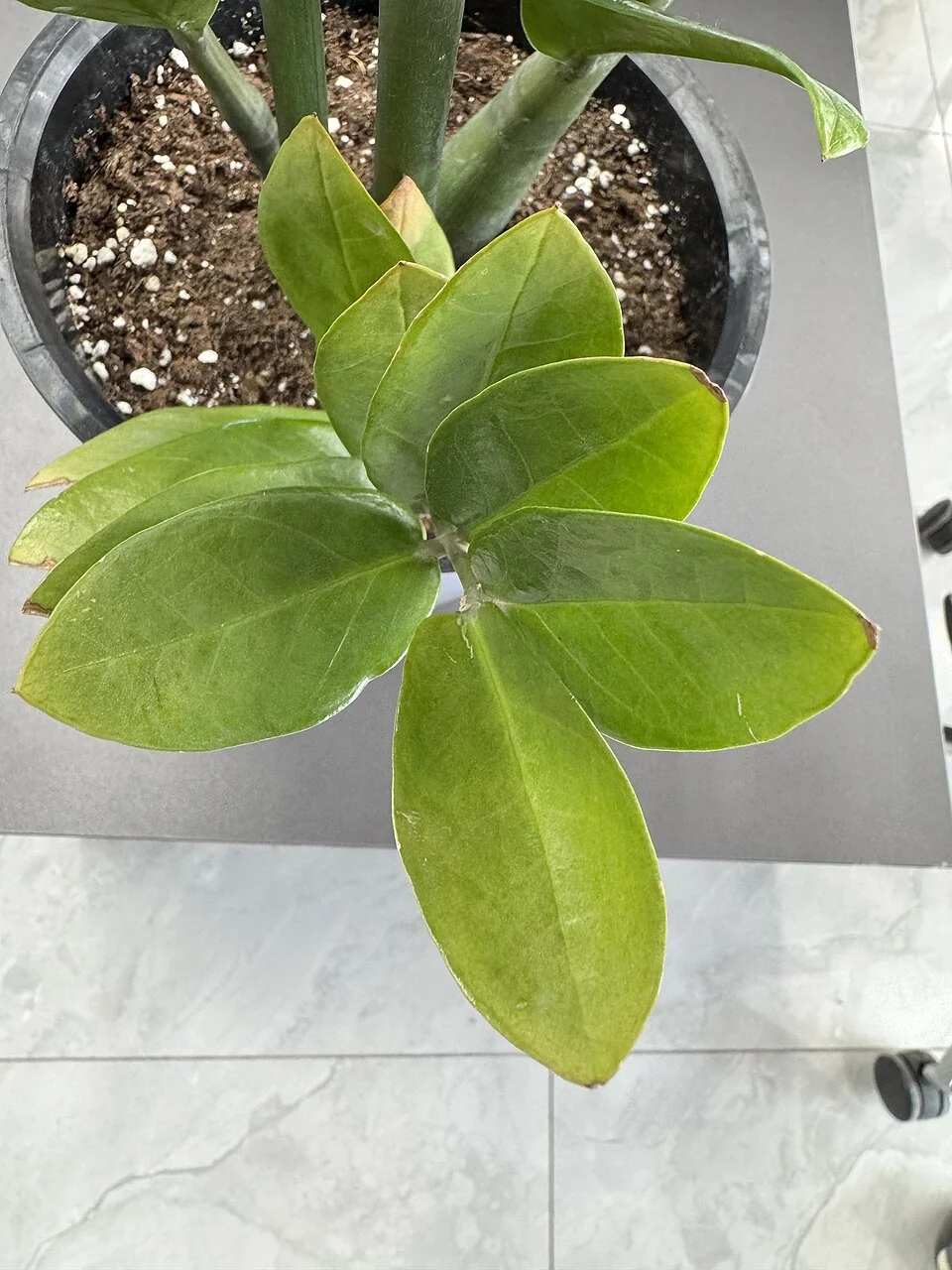
Common causes in India:
- Watering on a fixed schedule, like every week, instead of checking the soil
- Decorative office planters with no drainage hole
- Heavy soil or too much cocopeat that stays wet
- The monsoon, when humid air means soil dries very slowly
- Several people watering the same office plant
- A pot much bigger than the plant needs
ZZ plant rhizome rot symptoms
Look for these three signs together. We also have a separate guide on ZZ plant care in low light.
- Yellow, mushy stalks. The stems turn yellow from the base up. When you squeeze them near the soil, they feel soft instead of firm. Some may fall over.
- Soft, potato-like rhizomes. When you unpot the plant, healthy rhizomes feel firm, like a raw potato. Rotten ones feel squishy, like a potato that has gone bad. They may be brown or black inside.
- Sour soil smell. Wet, rotting soil smells sour or foul.
Yellow leaves: rot or something else?
| What you see | Likely cause |
|---|---|
| Yellow, soft stems at the base, wet soil, sour smell | Rhizome rot |
| One old stem slowly yellows, rest firm and green | Normal ageing |
| Yellow patches on leaves facing a sunny window | Sun burn |
| Wrinkled stems, very dry soil | Thirst |
If you see soft stems and the soil has been wet for a while, do not wait. Unpot and check.
ZZ plant rot recovery steps
1. Unpot the plant
Tip the pot and ease the whole plant out. Shake and gently wash away the soil so you can see every rhizome and root clearly. Once new shoots appear, a plant health score tells you if the rhizomes are recovering well.
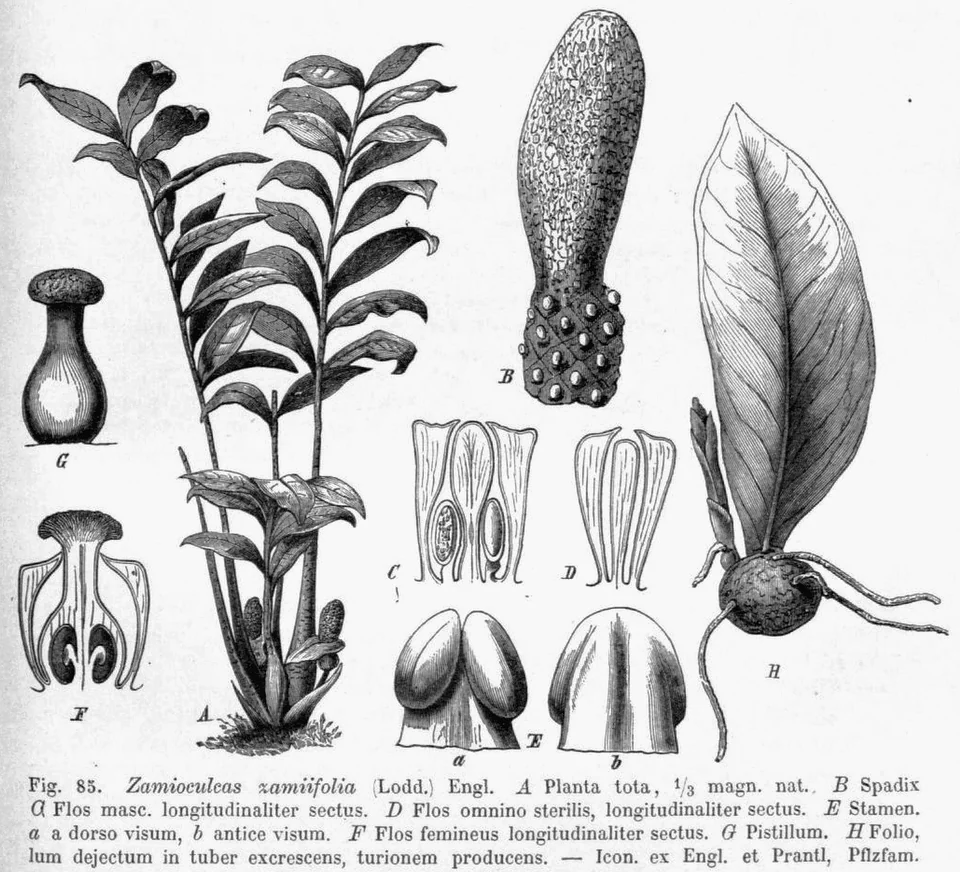
2. Discard fully rotten rhizomes
Squeeze each rhizome gently. Any rhizome that is fully soft, black or mushy cannot be saved. Throw it away along with its stems. Do not compost it.
3. Keep only firm pieces
Some rhizomes may be partly rotten. Wipe a sharp knife with alcohol or spirit. Cut away the soft part until you reach clean, firm, pale tissue. Wipe the knife again between each cut. Keep only the firm pieces and any healthy stems attached to them. Remove soft, yellow stems too.
4. Air-dry overnight
Lay the firm pieces on newspaper in a shaded, airy place, out of the sun and rain. Leave them overnight. The cut surfaces will dry and form a seal, which helps stop rot from coming back. In monsoon humidity, a fan can help them dry.
5. Repot in dry mix
Do not use the old soil. Mix fresh, dry, fast-draining soil:
- 2 parts potting soil
- 1 part perlite
- 1 part coarse sand or small brick pieces
Use a clean pot with a drainage hole, only a little bigger than the remaining rhizomes. A smaller pot dries out faster. If you reuse the old pot, scrub it and dry it in the sun. Plant the rhizomes just below the surface.
6. Water lightly after 10 to 14 days
Do not water straight after repotting. Wait 10 to 14 days. The cut surfaces and roots need time to heal. The rhizomes have stored water to keep the plant going. After that, water lightly. Then wait until the soil is fully dry before each watering.
Keep the plant in medium, indirect light while it recovers. Avoid direct sun. New growth can take a couple of months to appear. ZZ plants are slow even when healthy, so be patient.
When a ZZ plant cannot be saved
Severe rot may not reverse. If most rhizomes are soft and the stems are collapsing, the main plant may not survive, no matter what you do. That is why it helps to have a backup plan early.
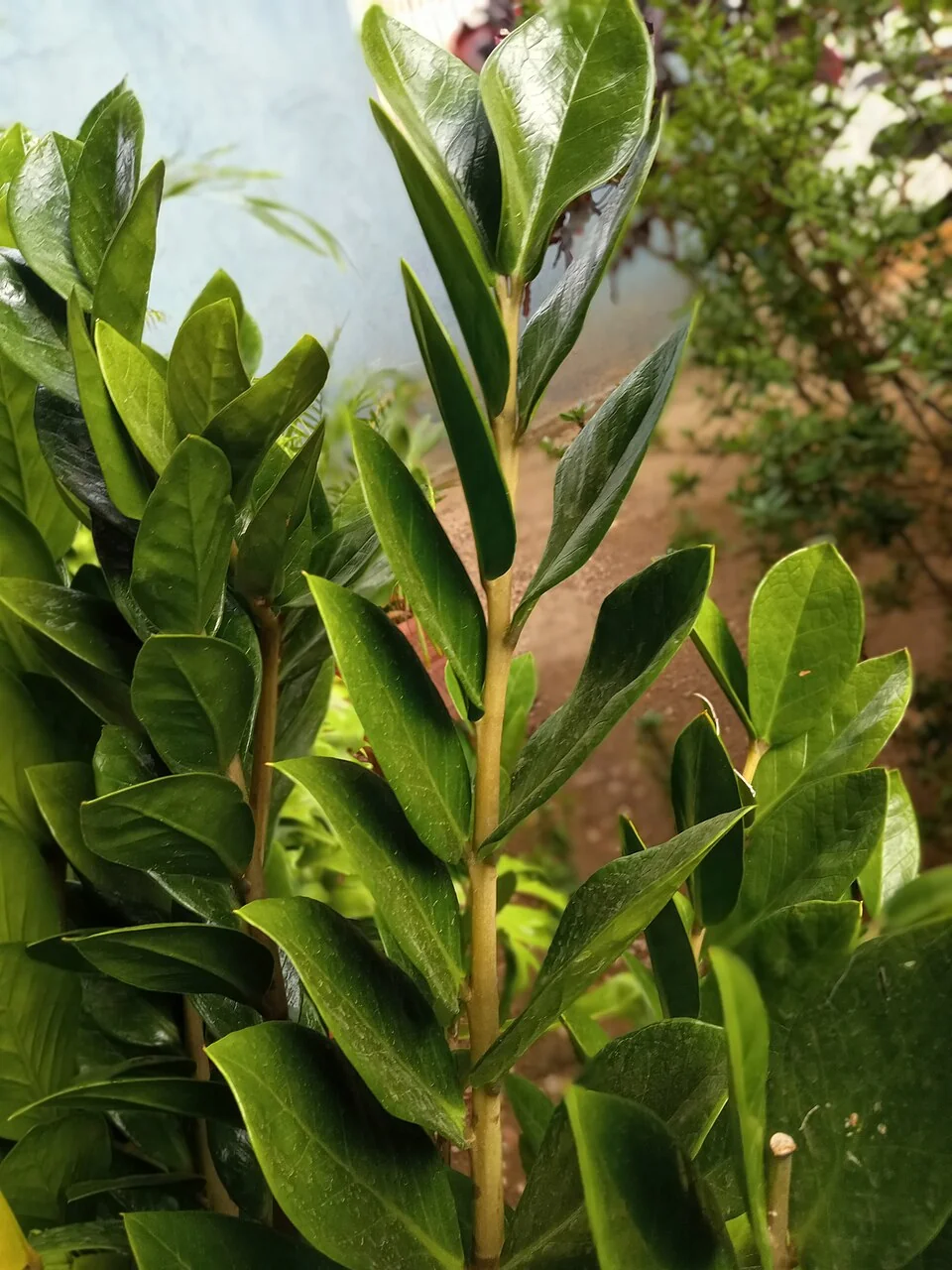
Propagate firm tissue early
If you have any firm leaf, stem or rhizome tissue left, propagate it straight away. Do not wait to see if the main plant pulls through.
- Any firm rhizome piece with a growing point can be potted on its own in dry gritty mix.
- For a stem cutting, cut a healthy green stem, let it dry for a day, then put the cut end in water or in damp sand. Roots and a tiny new rhizome form over several weeks to a few months.
- For leaf cuttings, pull off healthy leaves and push the base into damp, gritty mix. Each leaf can grow a small rhizome and eventually a new plant. It is slow, often 2 to 4 months before you see anything above ground, but it works.
Keep cuttings in bright indirect light, and keep the mix only lightly damp, never wet.
How to prevent ZZ plant rhizome rot
- Water only every 2 to 4 weeks, and only when the soil is dry most of the way down.
- If unsure, wait another week.
- Always use a pot with a drainage hole.
- Use gritty, fast-draining soil.
- Water even less in the monsoon and winter.
- In offices, give one person the job of watering.
Catch rhizome rot early, cut away the rot, dry and repot the firm pieces, and wait before watering. And if the rot is severe, save healthy tissue as cuttings so your ZZ lives on. Snake plants rot from the same mistake, as our snake plant yellow leaves fix shows.
Comments
No comments yet — share what worked in your climate.