
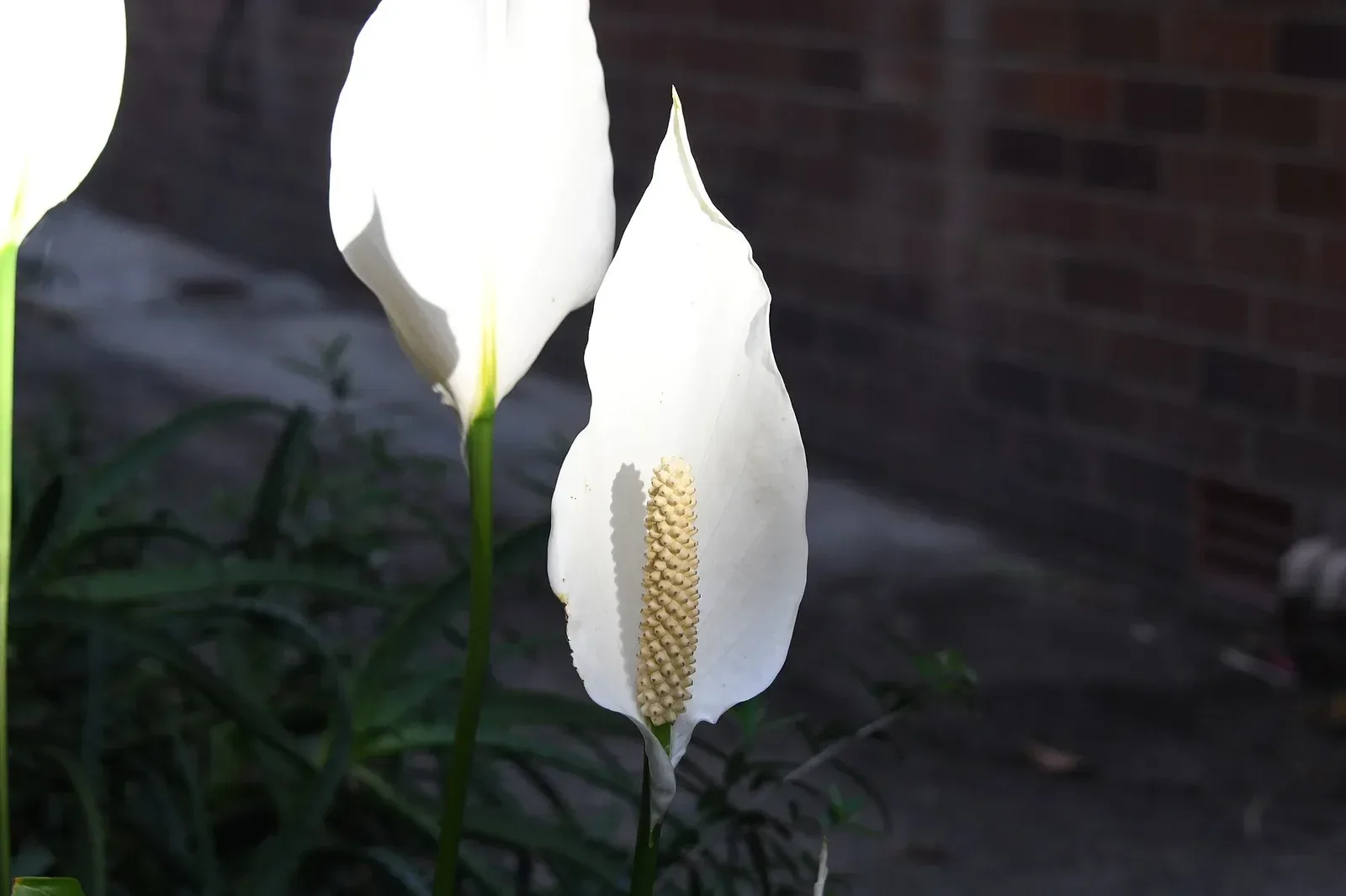
The peace lily is a popular indoor plant in India. It has dark green leaves and white flowers that stand above them like little flags. It also tells you clearly when it needs water, which makes it good for beginners. But many peace lilies stop flowering or get dry, brown leaf edges, especially in AC rooms. This guide covers the three things that matter most: humidity, watering and the right care for blooms. You can also check the full peace lily care profile for quick facts on light, water and soil.
Peace lily humidity: aim for 50 percent or more
Peace lilies come from warm, damp forests. They grow best when the air has 50 percent humidity or more. In much of India that is easy during the monsoon. It is harder in dry summers in the north, in winter, and in any room where the AC runs for hours.
AC pulls moisture out of the air. Humidity in an AC bedroom can drop to 30 percent or lower. You will often see the leaf tips and edges turn brown and dry when this happens.
Simple ways to raise humidity
- Pebble tray. Fill a wide tray with pebbles and add water until it sits just below the top of the pebbles. Place the pot on top. As the water dries, it adds moisture around the plant. The pot must not sit in the water.
- Group plants together. Plants release water from their leaves. A group of plants creates a small pocket of damp air. Put your peace lily with other leafy plants in the AC room.
- Keep it away from the AC vent. Cold, dry air blowing straight on the leaves causes damage quickly.
- Use a small humidifier if the room is very dry for most of the year.
A cheap hygrometer, a small humidity meter, helps you see how dry the room really is.
Humidity through the Indian year
| Season | Typical humidity | What to do |
|---|---|---|
| Monsoon | High | No extra help needed. Watch for overwatering. |
| Dry summer (north India) | Low | Pebble tray and grouping |
| Winter | Low to medium | Pebble tray, keep away from heaters |
| AC room, any season | Low | Pebble tray, grouping, away from vents |
How to water a peace lily
The peace lily has a handy habit. When it gets thirsty, its leaves begin to droop. This is a reliable thirst signal. You do not need to guess. We also have a separate guide on fixing brown tips and no flowers on a peace lily.
- Watch the leaves. When they just begin to droop, it is time to water.
- Water slowly and deeply until water flows out of the drainage hole.
- Let it drain fully. Empty the saucer after 15 minutes.
- The leaves should stand up again within a few hours.
The key word is "just". Water at the first sign of droop. Do not wait until the plant is flat on the pot. Letting it collapse again and again stresses the plant and causes yellow and brown leaves.
Do not overdo it
Watering before the plant droops is fine if the top 2 to 3 cm of soil is dry. But do not water on a fixed schedule while the soil is still wet. Wet soil for long periods causes root rot. In the monsoon, a peace lily may only need water every 7 to 10 days. In a hot summer room, it may need water every 3 to 4 days.
If your tap water is hard or full of chlorine, leave it in an open bucket overnight before using it. Filtered or RO water also works.
How to get peace lily flowers
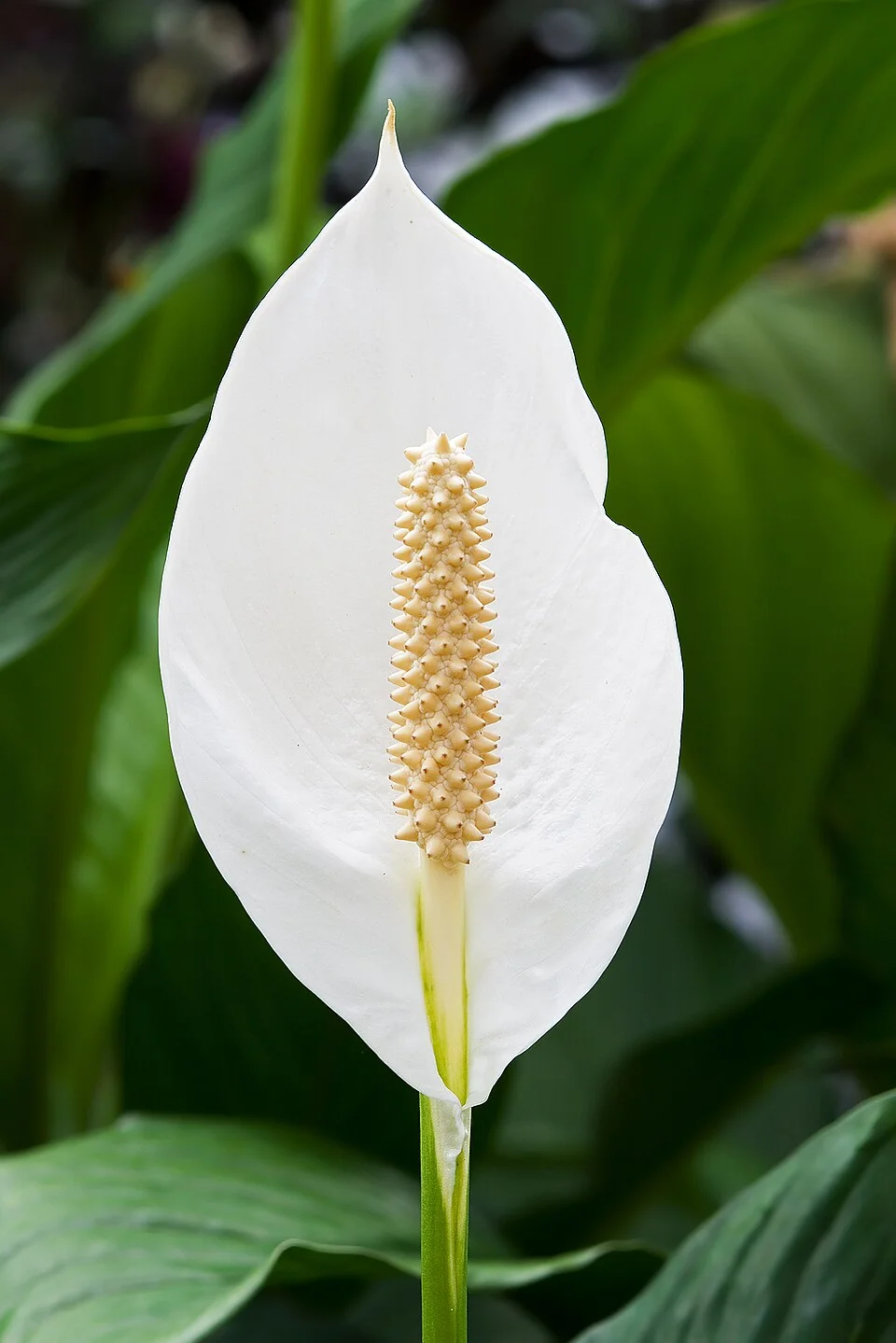
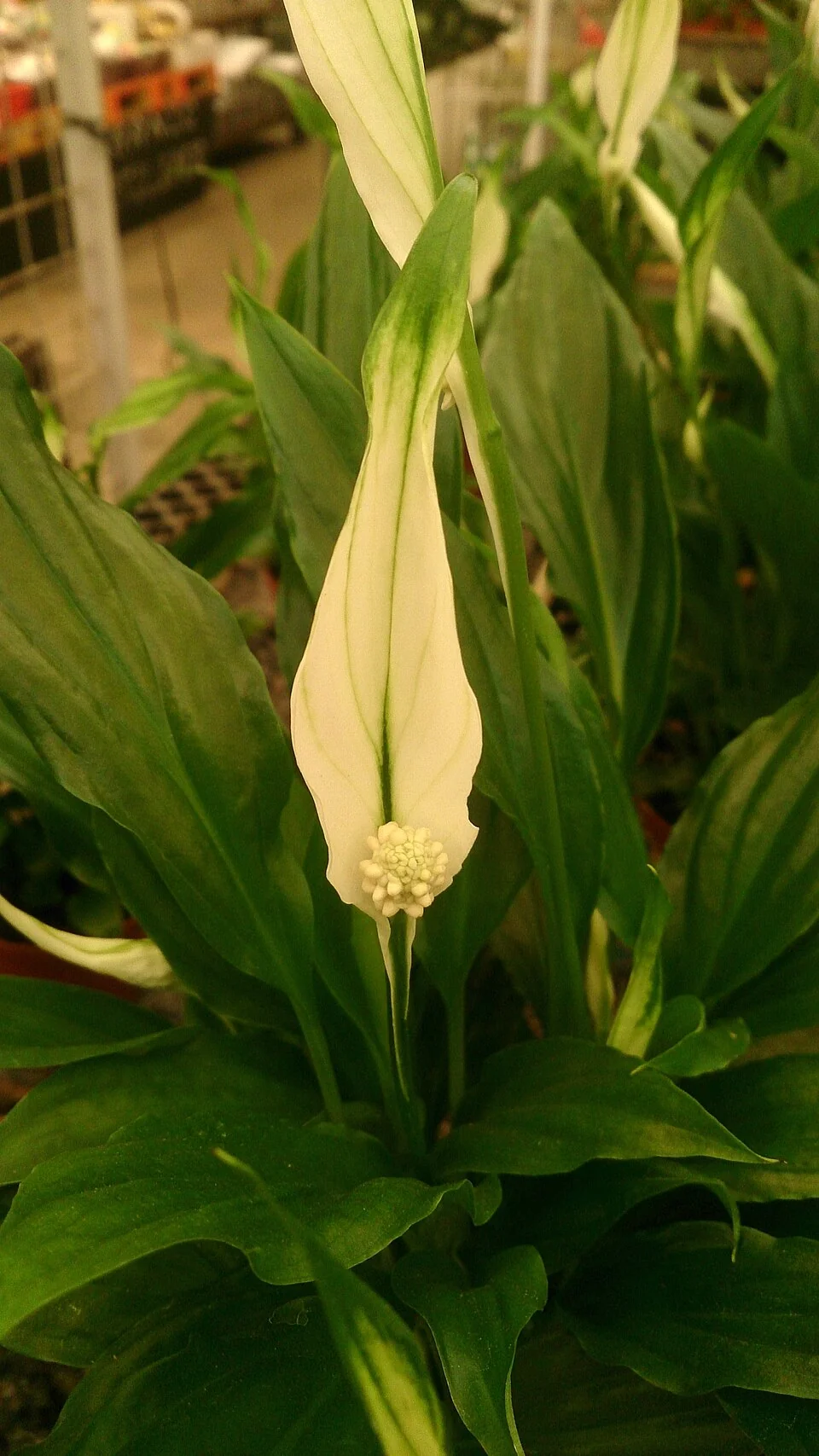
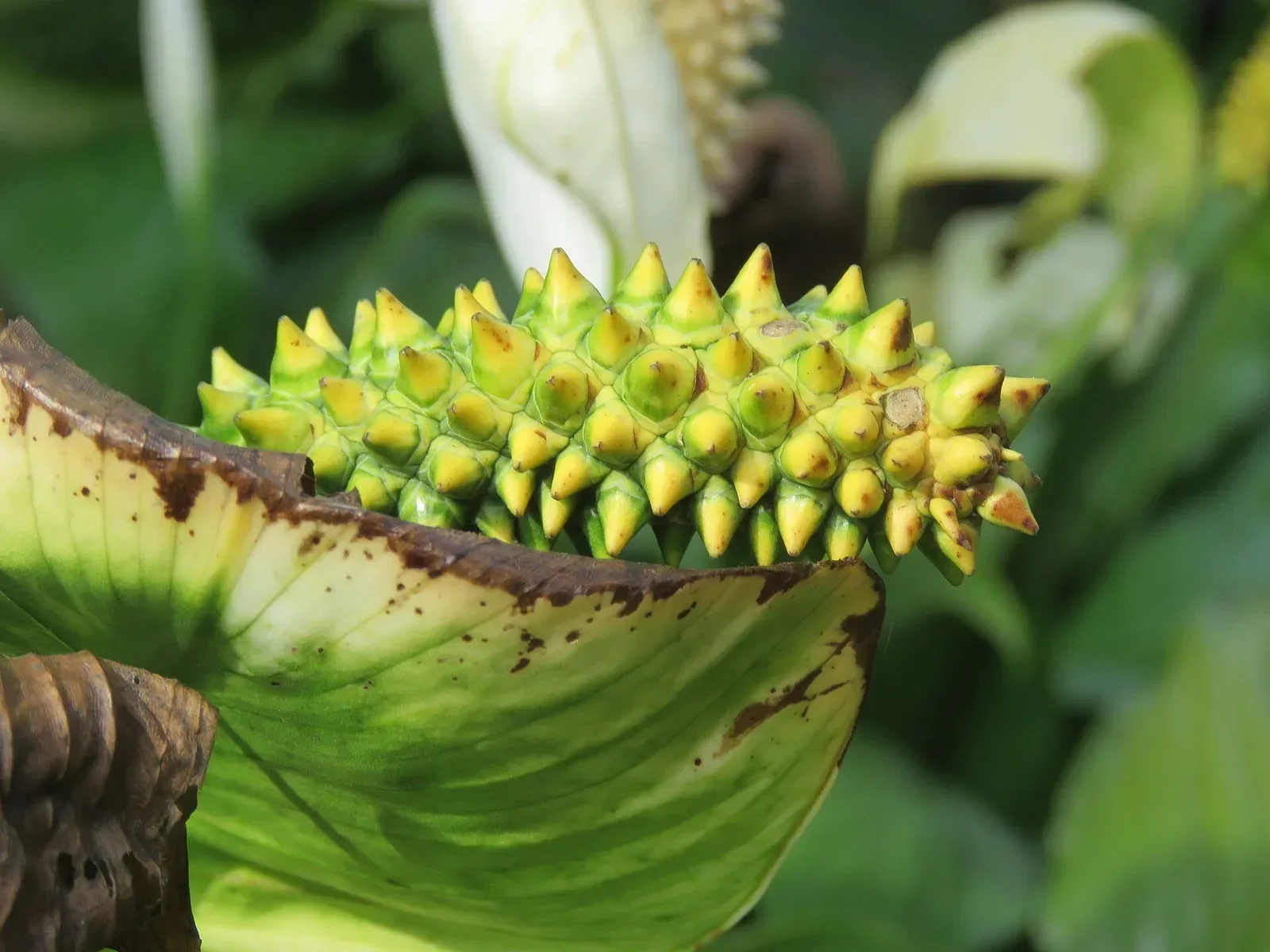
The white "flower" is actually a special leaf called a spathe. It wraps around a small spike that holds the real tiny flowers. Most people just call it the flower. If your peace lily still sulks after a month, our plant health checker can point to light, water or humidity.
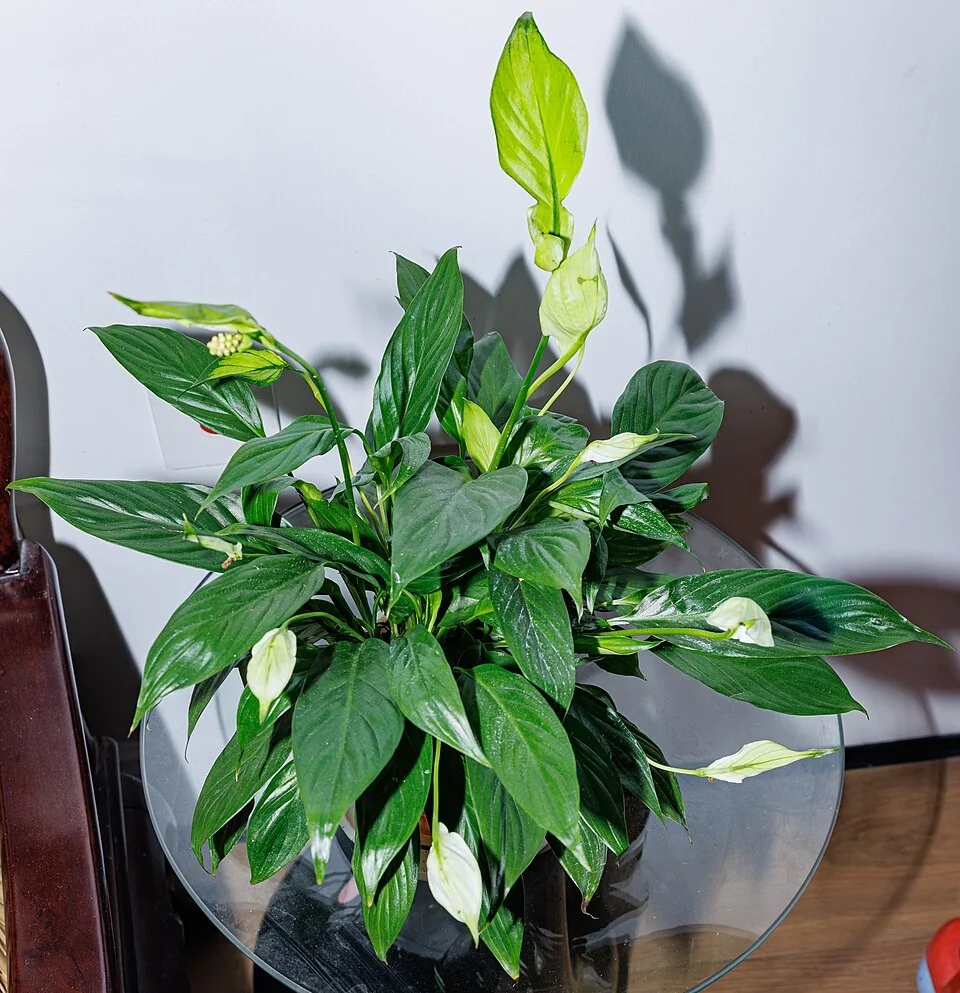
Medium indirect light encourages spathes
Peace lilies are sold as low-light plants. They can survive in a dim corner, but they rarely flower there. For flowers, give them medium indirect light.
- A spot 1 to 2 metres from an east or north window is ideal.
- A bright room with no direct sun on the leaves also works.
- Avoid direct sun, especially strong afternoon sun. It burns the leaves.
If your plant has healthy leaves but no flowers, more light is the first thing to try.
Feed lightly every 4 to 6 weeks in warm months
Peace lilies need some food to flower, but not a lot. From March to October, feed every 4 to 6 weeks with a balanced liquid fertilizer mixed at half strength. A fertilizer made for flowering plants also works.
- Water the plant first, then add the fertilizer. Feeding dry soil can burn roots.
- Do not feed in winter, when growth slows down.
- Too much fertilizer causes brown leaf tips and white crust on the soil.
After flowering
Each flower lasts a few weeks. It slowly turns green, then brown. When it fades, cut the flower stalk near the base with clean scissors. This keeps the plant tidy and lets it put energy into new growth.
Peace lily soil, pot and leaf cleaning
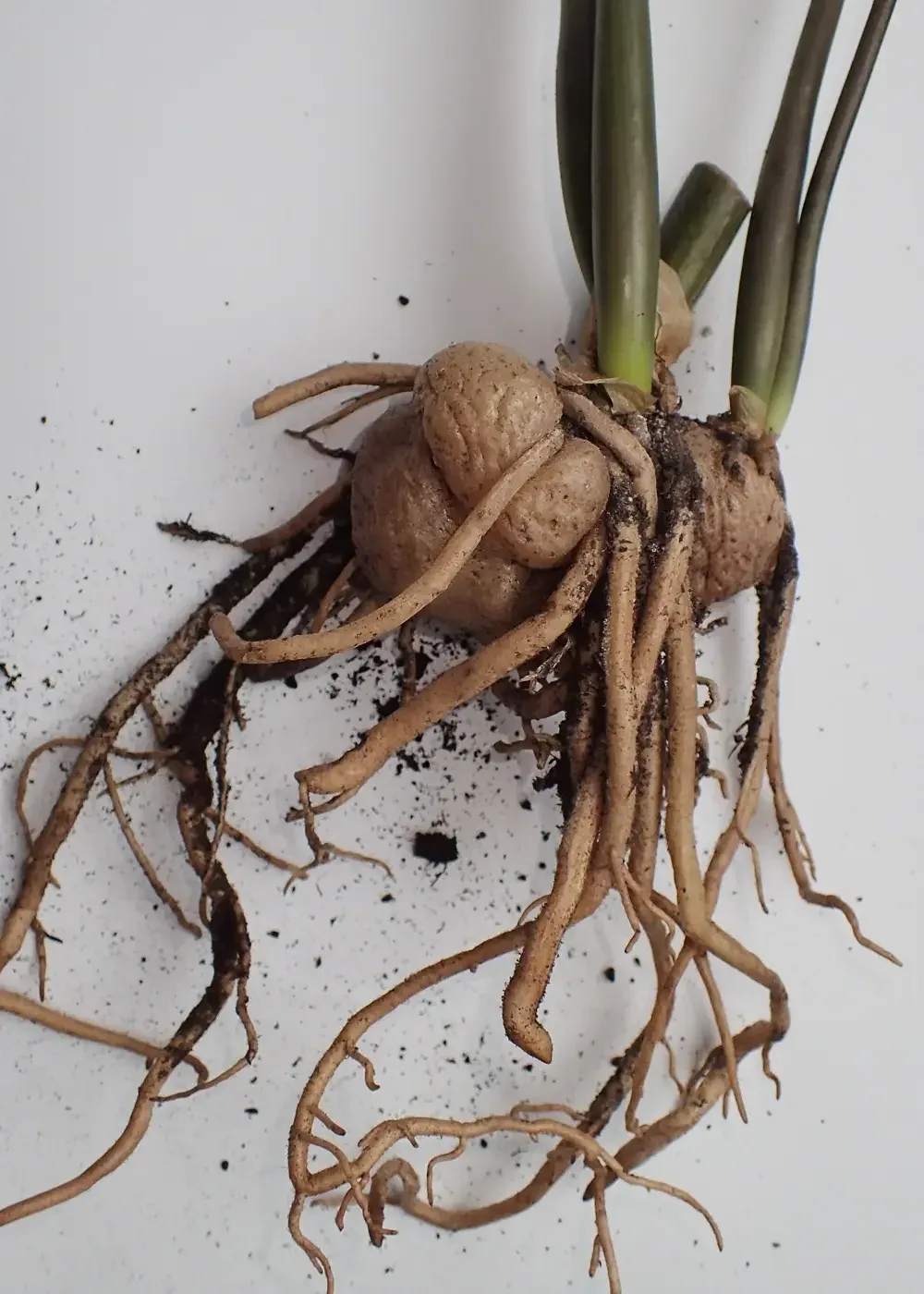
Use a light, rich mix that holds some moisture but drains well. Potting soil mixed with cocopeat and a little perlite is a good choice. Use a pot with a drainage hole. Peace lilies flower better when slightly root-bound, so do not move them into a very large pot. Repot every 1 to 2 years in spring. Areca palms like the same moist air, and our areca palm routine uses many of these humidity tricks.
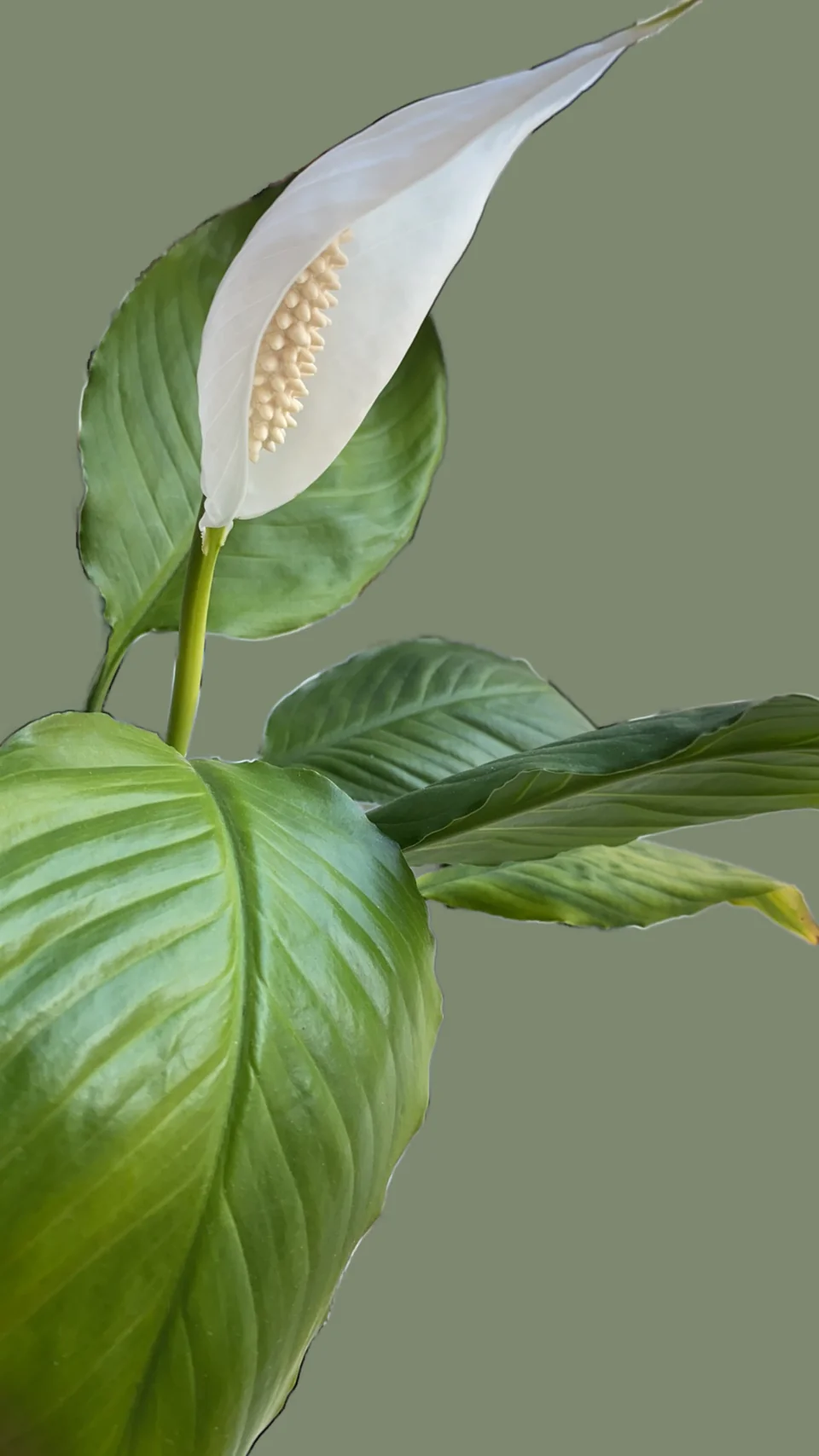
Wipe the big leaves with a damp cloth every few weeks. Dust blocks light and makes the plant work harder.
One more note: peace lily leaves are mildly toxic if chewed. Keep it out of reach of pets and small children.
Keep the air moist, water at the first droop, give it medium indirect light and feed it lightly in the warm months. Your peace lily will reward you with fresh white flowers.

Comments
No comments yet — share what worked in your climate.