
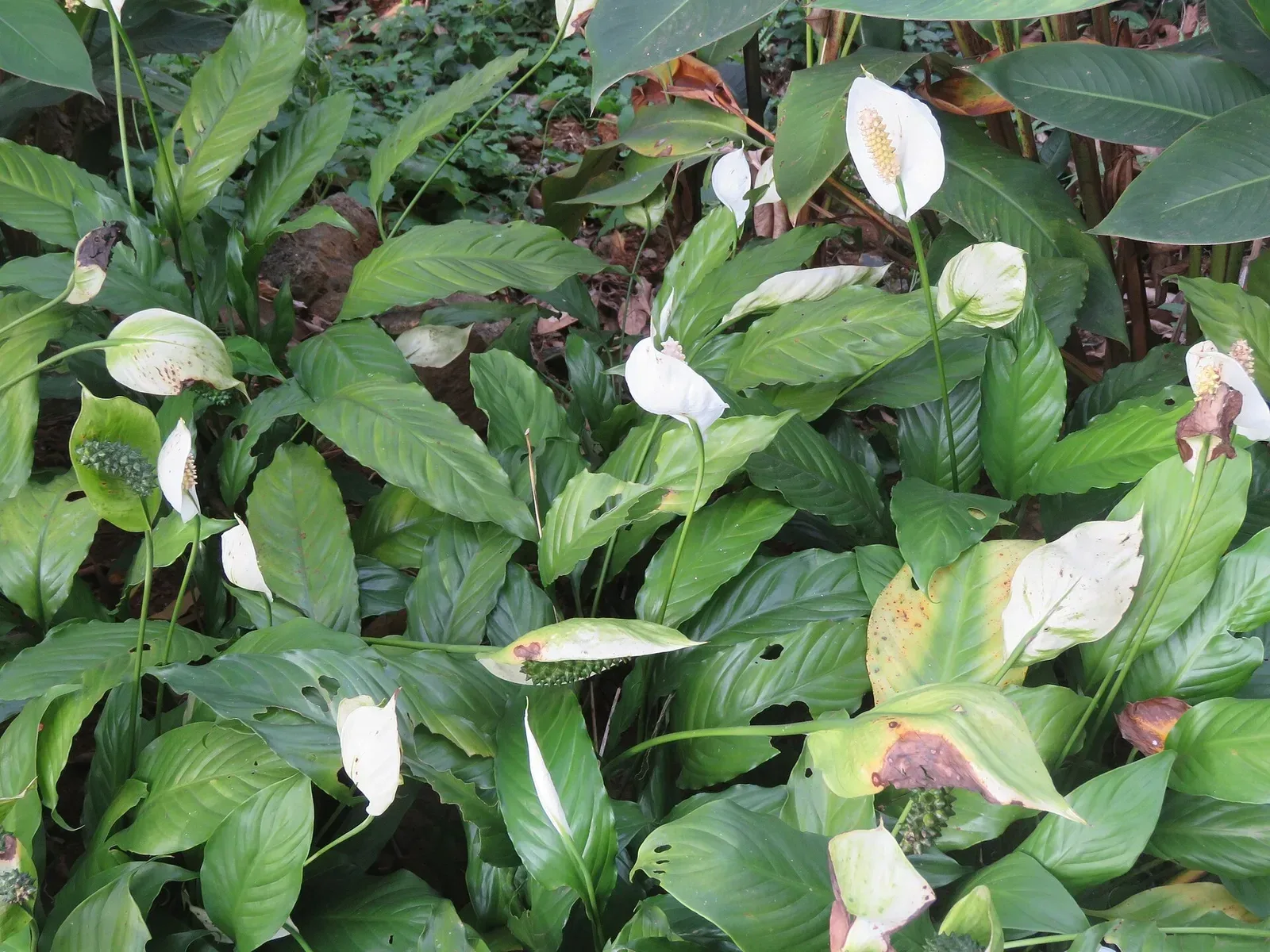
| ☀️ Light | Low light |
|---|---|
| 💧 Water | High (consistently moist) |
| 🪴 Soil | Moisture-retentive, airy mix |
| 🌡️ Temp | 16°C – 32°C |
| 🐾 Safety | Cats: toxic · Dogs: toxic (ASPCA Animal Poison Control) |
| 📏 Mature size | 70 cm |
Where It Grows & Climate Tolerance
Pet & Companion Animal Toxicity (Peace Lily)
Elegant white spathes and glossy leaves — a humidity-loving indoor classic.
Care instructions
Care Guide & Maintenance Routine
Evenly moist soil, high humidity, indirect light. Never let sit in standing water.
Light & Sunlight
Grows well in medium to low indirect light. Direct sun scorches leaves. East window with sheer curtain is ideal.
Watering Schedule
Keep soil evenly moist but not waterlogged. Drooping leaves signal thirst — recovers quickly after watering.
Potting Mix & Drainage
Moisture-retentive, airy mix
Temperature & Humidity
Keep away from AC vents and cold drafts. Prefers warm rooms.
Peace Lily is popular in Indian offices and living rooms. It flags when thirsty and rewards consistent moisture and humidity.
Seasonal rhythm
Seasonal Calendar
A month-by-month calendar for Peace Lily in India is coming soon. See the light, water and temperature notes above.
Diagnostics
Common Problems & Troubleshooting
Brown leaf tips = low humidity or tap-water salts. No flowers = too little light.
Pests & seasonal watch: Fungus gnats if soil stays wet; scale on stems. Improve drainage and use neem.
- Yellow leaves — Leaves fade from green to yellow, often starting at the bottom.
- Brown tips — Leaf tips and edges turn dry, brown and papery.
- Drooping — Stems and leaves hang limp even though the plant was recently fine.
- Fungus gnats — Tiny dark flies hover around wet potting mix.
- Thrips — Silvery streaks and twisted new leaves, sometimes with black specks of frass.
- White powder — A white powdery film on leaves, usually in still, humid air with dry soil at the roots.
- Leaf spot — Brown or tan spots with a yellow halo, sometimes with tiny dots in the centre.
- Grey mould — Fuzzy grey mould on faded flowers, damaged leaves or soft stems.
- Overwatering — Soil stays wet, leaves yellow or droop, and the pot feels heavy.
- Underwatering — Soil is bone dry and leaves are crispy, curled or dull.
- Curling — Leaves cup, roll or twist instead of lying flat.
- Brown spots — Scattered brown blotches on the leaf blade, not only the tip.
- White crust — A white or yellow crust on the soil surface or pot rim.
- Sun scorch — Bleached or crispy patches on the side that faces strong sun.
- No flowers — A flowering houseplant stays leafy and will not bloom.
Care encyclopedia · 5 guides
Guides & Articles for Peace Lily
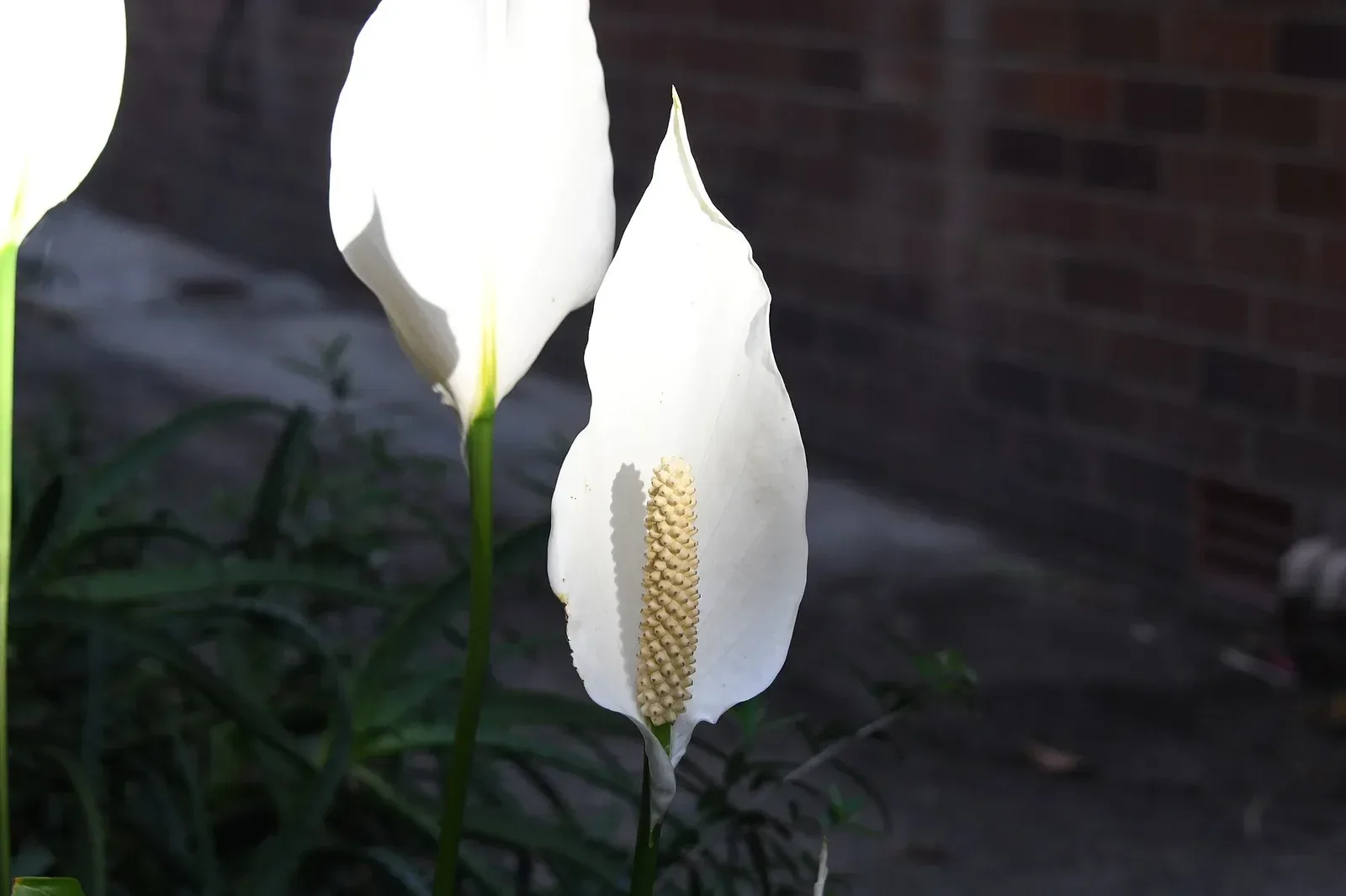
Peace Lily Humidity and Bloom Care
Keep spathes coming with moisture, humidity, and the right light.
Read guide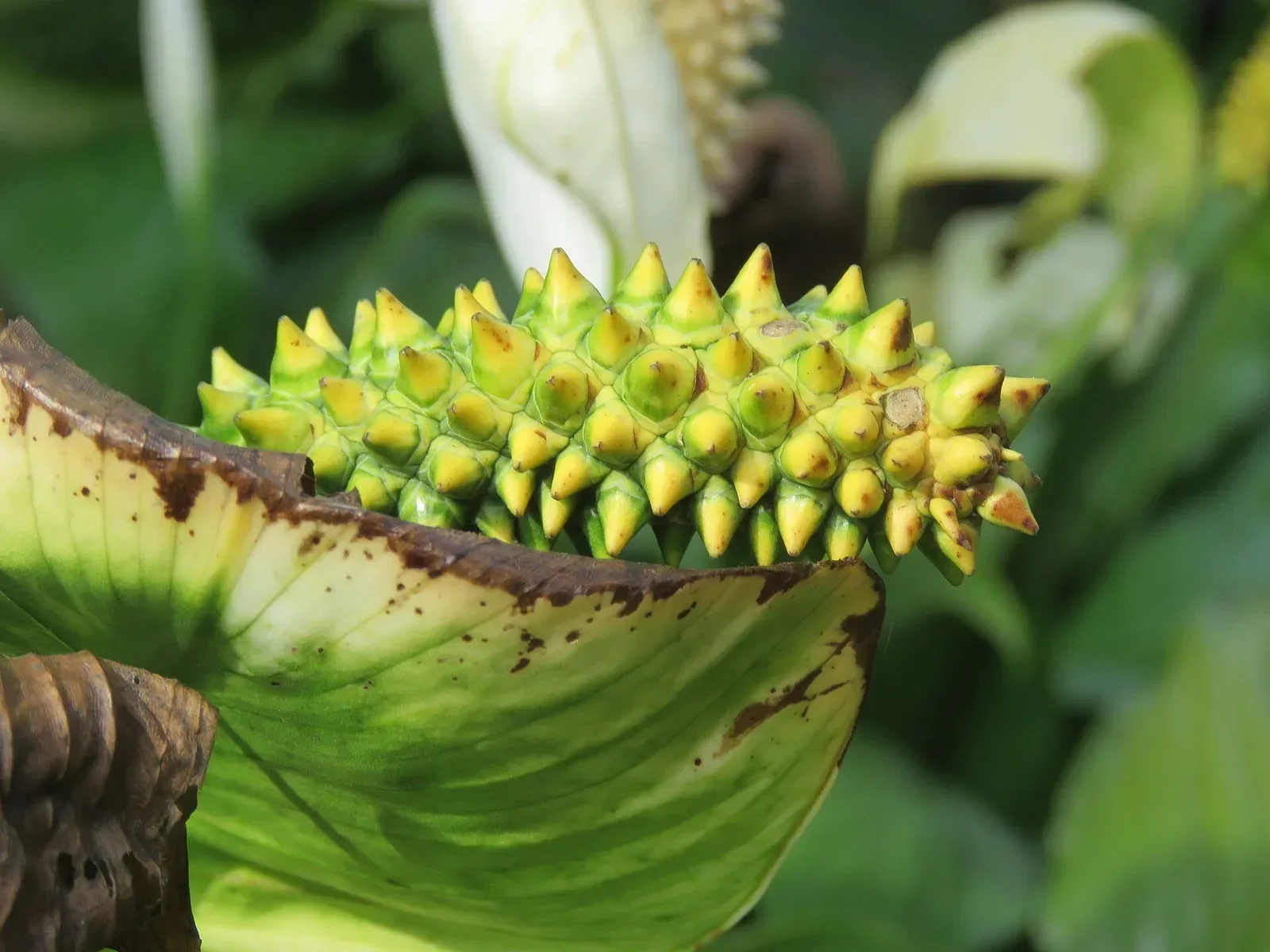
Peace Lily Brown Tips and No Flowers
Fix crispy tips and missing spathes with water quality and light tweaks.
Read guide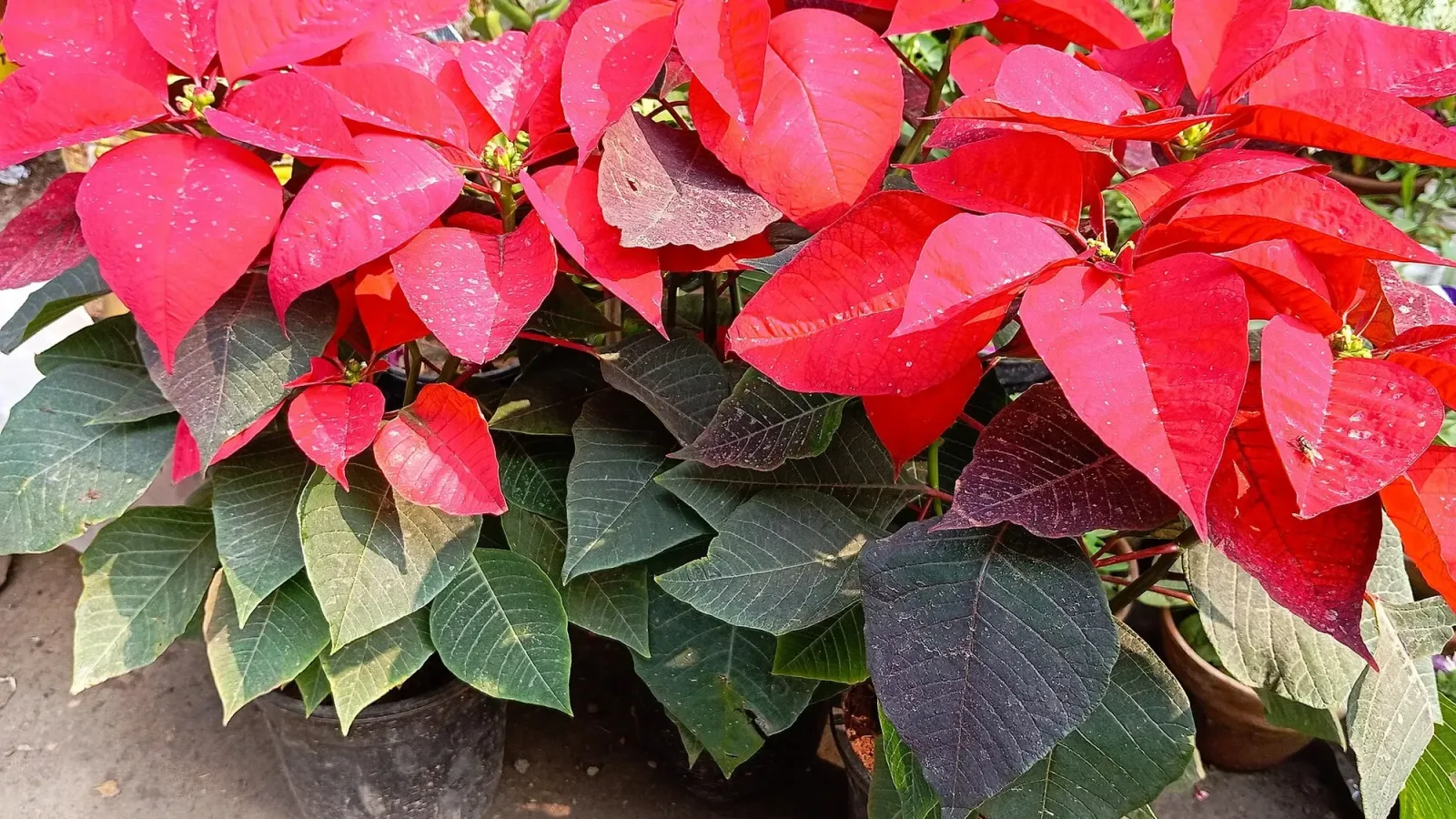
8 Christmas Plants for Indian Homes (and How to Keep Them Alive After December)
In India, the Christmas tree plant is almost always an Araucaria, and it can be your tree for years. Here are eight Christmas plants sold in Indian nurseries, with care, pet safety and region notes.
Read guide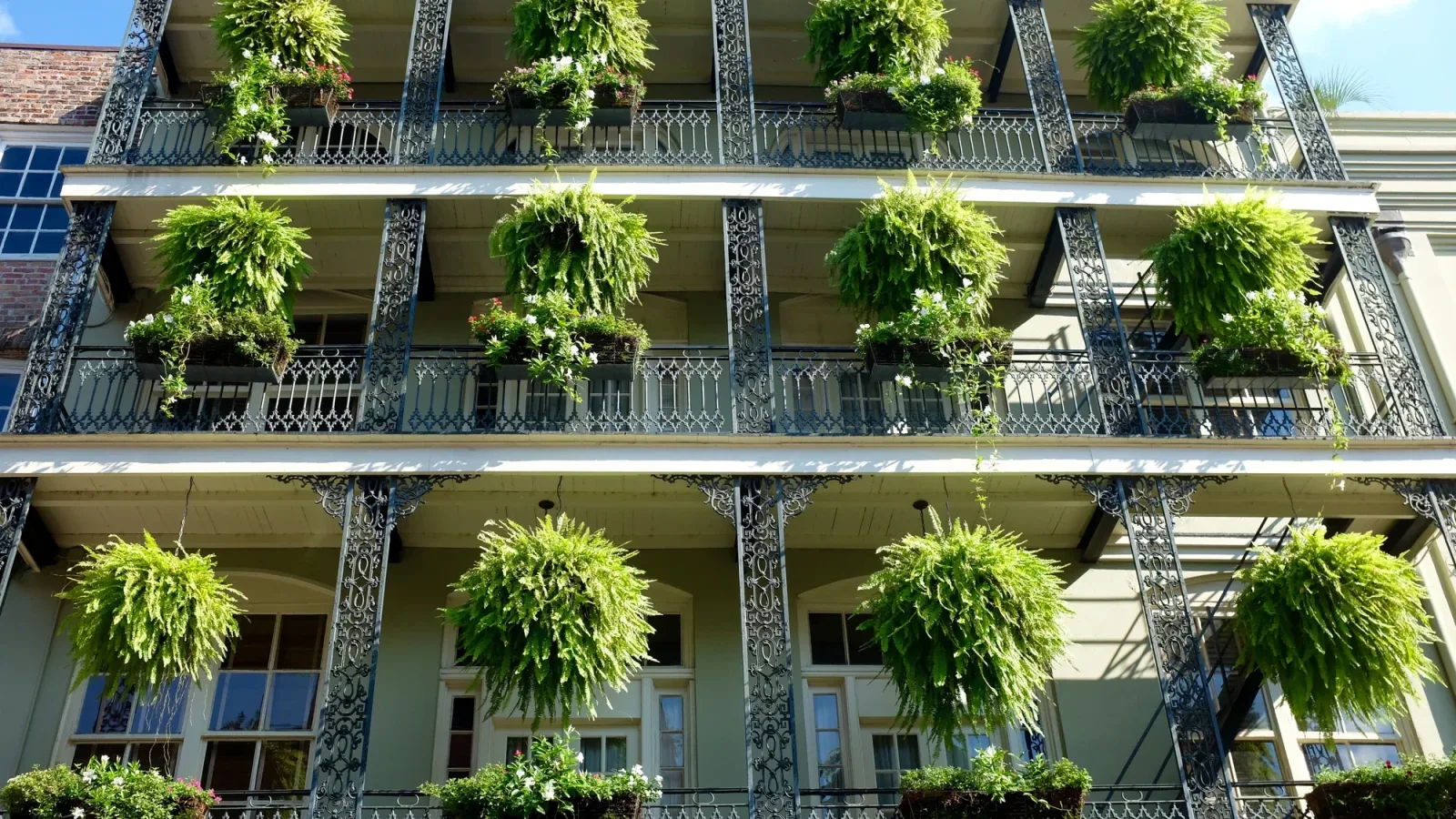
12 Plants for a North-Facing Balcony in India, From Bright Shade to Deep Cover
Look up from the pot. A railing with open sky, a shelf under a chajja and a windy corner suit different plants. Here is what to grow in each spot.
Read guide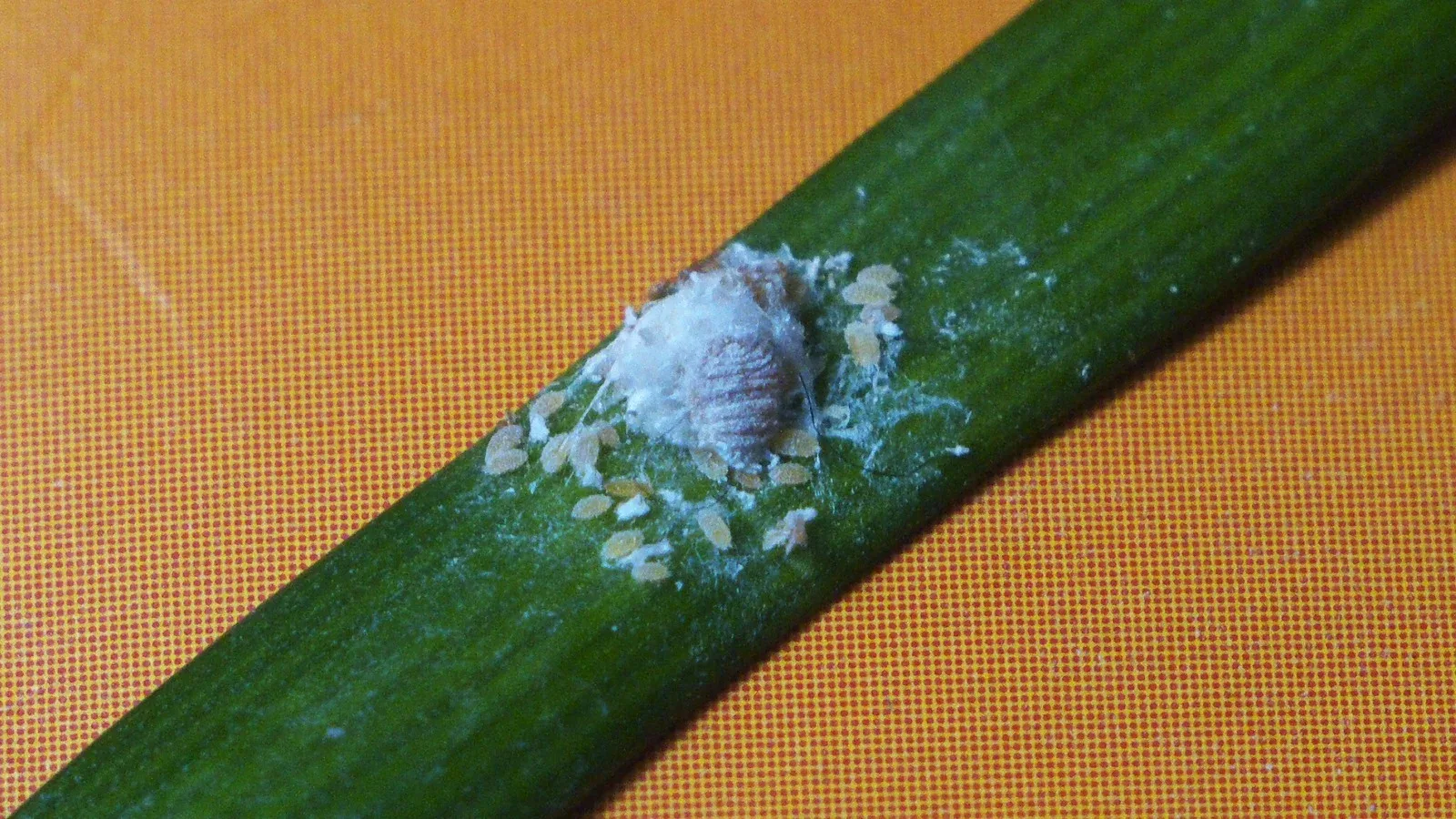
7 Common Houseplant Pests in India and How to Spot Them
Use seven common symptoms to check indoor plants for pests. See where to look for mealybugs, mites, thrips and fungus gnats during an Indian monsoon.
Read guideQ&A
Frequently Asked Questions
How often should I water Peace Lily in India?
Let the top soil dry between waterings. Water less in monsoon; check more often in peak summer heat.
Is Peace Lily beginner-friendly?
It needs a bit more attention; follow the care calendar for seasonal tips.
Can Peace Lily stay outdoors in monsoon?
Only with excellent drainage and airflow. Move to a covered balcony if pots stay soggy.
Similar Botanical Matches
Keep exploring
Related plants
Grower field notes
Reader Field Notes in India
Share how this plant performs in your local India climate.