
Check what changes as you handle the pot. Tiny flies coming from wet mix suggest a different problem from white wax tucked into a money plant node. Start under the leaf closest to the damage, then inspect new growth and the surface of the mix. Separate the affected pot while you check the rest of the shelf.
Identify the pest from its first clue
| What you see | Likely pest | Where to check |
|---|---|---|
| Slender flies take off after an evening watering | Fungus gnats | Damp media and drainage saucer |
| Cottony patch hidden beside a leaf stalk | Mealybugs | Nodes, stems and orchid leaf joints |
| Dull pinpricks and silky threads on an indoor palm | Spider mites | Undersides and growing tips |
| Scraped-looking streaks and pepper-like marks | Thrips | Folded leaves and flowers |
| Rows of tan shells on a stem | Scale insects | Stems and leaf midribs |
| Crowded soft insects beneath curled growth | Aphids | Soft shoots facing the window |
| A small white cloud when you touch a leaf | Whiteflies | Undersides of recently moved plants |
1. Fungus gnats
If a pot feels heavy through a cloudy monsoon spell, check its liner and saucer. A yellow card can show which pot the adults are coming from. Fungus gnats identification and control.
2. Mealybugs
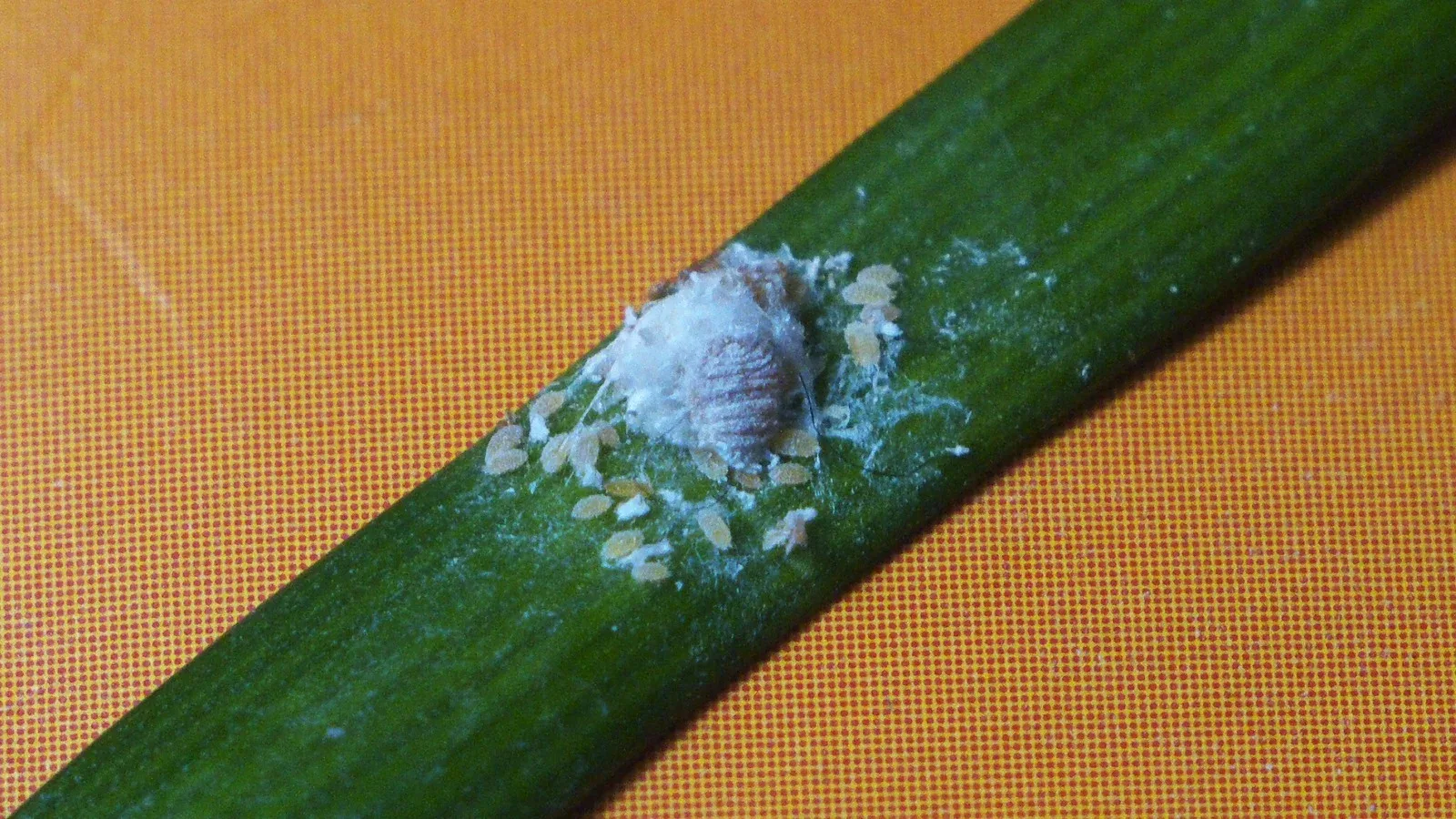
Use a torch on crowded money plant nodes or orchid sheaths. Find a wax-coated body before wiping small colonies with a damp swab. Mealybugs identification and control.
3. Spider mites
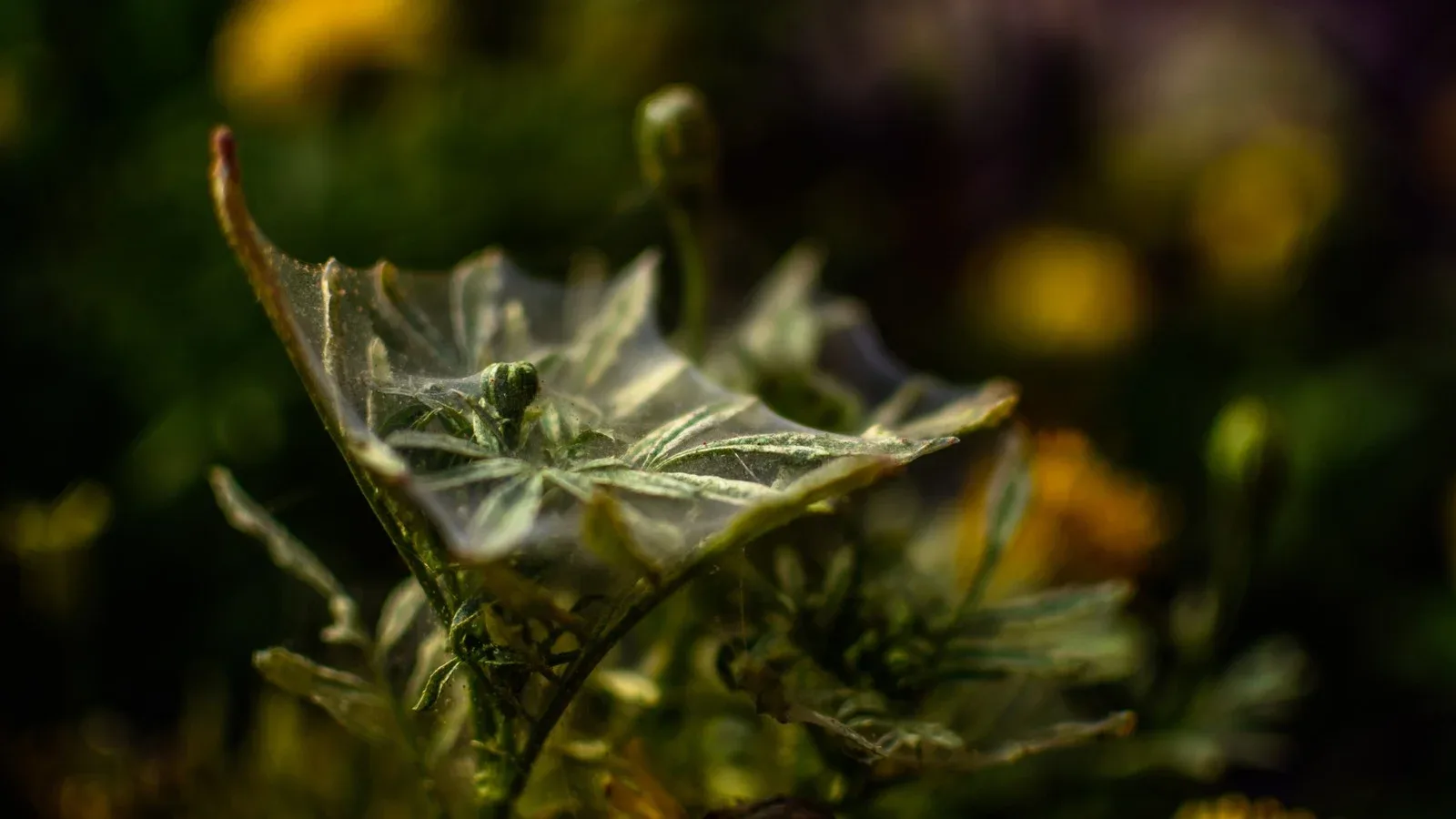
Glance underneath the leaf closest to the cooler or AC. Tap above white paper to see whether dull speckles include crawling dots. Spider mites identification and control.
4. Thrips
Unfold damaged new leaves gently where light is strongest. A slender insect beside black deposits is stronger evidence than a scar by itself. Thrips identification and control.
5. Scale insects
Inspect stems behind the pot label and midribs under the canopy. Look on the shelf for sticky spots under a series of raised shells. Scale insects identification and control.
6. Aphids
Check sheltered balcony pots at tender tips before bringing them into a room. Gently rinse small colonies from stems that can tolerate it. Aphids identification and control.
7. Whiteflies
Look for a pale cloud near the window, then check the undersides for immature stages that remain attached. Separate that pot from nearby foliage. Whiteflies identification and control.
Indoor pest checks for India
| Where you see it | What to check |
|---|---|
| Sticky shelf beneath a money plant | Look upstream along the vine for raised scale, aphid clusters or waxy bodies. Follow any ants toward the source of honeydew. |
| White patch on a leaf after misting | Use a soft damp cloth on one patch. Hard-water residue can wipe away without revealing an insect. Check nearby nodes before treating. |
| Damp cachepot during a cloudy week | Lift out the liner and tip away accumulated water. Note which container releases flies and whether they also gather near fruit or a drain. |
| Faded strip beside hot glass | Compare the exposed area with leaves behind the curtain. Use a torch or phone light to inspect the underside for insects, marks or live mites. |
Check three common indoor growing setups
In a Mumbai or Kochi flat with a deep chajja, limited daylight and fewer dry hours can keep an outer planter heavy during a cloudy spell. Lift the insert to see whether runoff has collected underneath. In a Delhi NCR room cooled by AC, follow the path of the blower and inspect foliage that sits in its driest stream. On a Bengaluru nursery plant, scrutinise the crowded crown and label tie before you put the newcomer next to established pots.
Trace a trail of ants to its source
Look for the point where the trail leaves the wall or shelf and reaches the container. Follow that branch to a growing tip or a protected junction, and check whether the surface below it is shiny. Leaf-by-leaf inspection can reveal a scale on the midrib or patches of white wax near an orchid sheath. An ant trail alone cannot identify the culprit. Inspect other containers along the same shelf before deciding how widely the problem has spread.
Distinguish marks from an active infestation
Mineral residue left by splashes can show up after hard water dries on a leaf. Wipe an isolated patch gently with a damp cloth and see whether it comes off. Look for an actual wax-covered insect before treating mealybugs. On a leaf exposed to strong sun after opening a curtain, a pale patch on the lit side could be scorch. Compare sheltered foliage and look with a magnifier for insects or fresh feeding marks.
Separate a new purchase where you can examine it
Choose a bright utility shelf or a washable tray apart from the established collection. Remove loose dead foliage from the surface, inspect folds and look around the drainage holes. Inspect cuttings kept near the parent plant. If a plant came from a monsoon shelter with standing water around the bag, check the weight of the nursery container before adding any. Use the labels or dated photos to keep visits to several affected pots straight.
Make the next check useful
Use a torch or daylight from the side on dark foliage. Compare where a web meets the youngest leaves with webbing stretched from the pot to the wall. Note whether dots are crawling, and photograph the same section again in several days. If soap or horticultural oil is an option, verify the local label and inspect any newly opened delicate leaves. Do not put a freshly treated plant into direct hot sun unless the label permits it.
Use a dry-season and monsoon checklist
Before switching a planter from a balcony to a cooled room, label it so you can track where it stood. Examine the stem collar with a torch, inspect ties and orchid sheaths and check the reverse side against light. With ceramic sleeves, lift the insert to find hidden pools. If thin dark flies emerge around potting media after watering, compare that with activity around bananas or the kitchen drain. During a humid spell, clean old leaves off shared trays and separate suspect pots onto their own washable surfaces.
| When to recheck | What to record |
|---|---|
| Before returning a pot to a crowded shelf | Inspect the visible crown, the roots you can see through the base and the reverse of a young leaf. Wipe the tray and leave space beside the neighbouring plants. |
| After a cloudy week | Compare soil weight and condensation with your previous observations. Check for adult insects around the liner and look for fresh surface deposits on a new leaf. |
Rule out harmless residue before treating
A ring left by hard water can follow a splash pattern or sit along the edge of the tray. Cottony insects tend to collect around protected junctions, below the stalk or inside the edge of a leaf sheath. Compare separate marks with a magnifier and a damp cloth. Inspect the crown in daylight and photograph it before disturbing the material. Hard-water residue, a shed aphid skin and an active mealybug require different responses.
Trace insects to the pot where they develop
Set the suspect containers separately on pale trays and watch what happens as you lift each nursery insert. Check for water hidden at the base, small adults travelling short distances above the mix, and insects gathered near the window. If a kitchen fruit bowl or drain attracts more attention, examine it separately. Use the observations to choose which plants need a drainage check and which only need monitoring while the room dries after a monsoon spell.
Make a monsoon inspection routine
In a coastal flat during cloudy weather, check whether a cover pot hides standing water before assuming that the plant needs another drink. In drier northern rooms or near a cooler or AC outlet, examine stippled foliage underneath as well as on top. Inspect nursery plants and pots brought in from a balcony before placing them among existing indoor plants.
Recheck the same spots after the first cleanup
Choose one marked leaf, photograph it and note what the next leaf looks like. Keep a suspect plant apart while you check for live insects. First use steps the plant can tolerate, such as wiping or rinsing. If a product is needed, use one labelled for that pest and for indoor ornamental plants in India, and follow the label.
Common questions
Is white fluff always a mealybug?
Check for an oval insect in a patch of wax at a leaf joint. Residue spread across soil or leaf tissue can come from another cause.
Why do flies appear after watering?
Dark, slender flies that rise from damp mix are often fungus gnats. Check whether insects are coming from a particular pot, especially when monsoon humidity has slowed its drying.
Related GardenOrbit guides
Sources and photo credit
- Tamil Nadu Agricultural University: Identifying mealybugs and other orchid pests
- University of Minnesota Extension: Managing indoor plant pests
- UC Integrated Pest Management: Houseplant problems
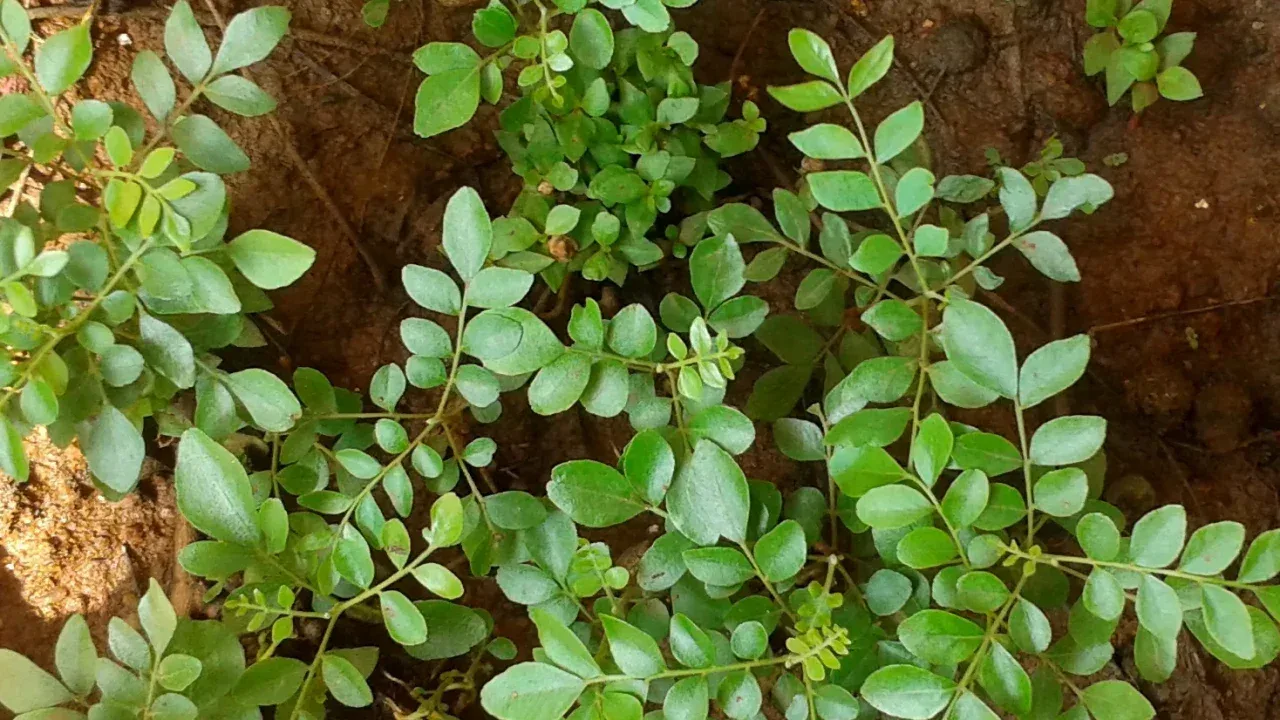
Cover photo by Alexey laa, Wikimedia Commons, CC BY-SA 4.0. Cropped to landscape and shared under the same licence.


Comments
No comments yet — share what worked in your climate.