
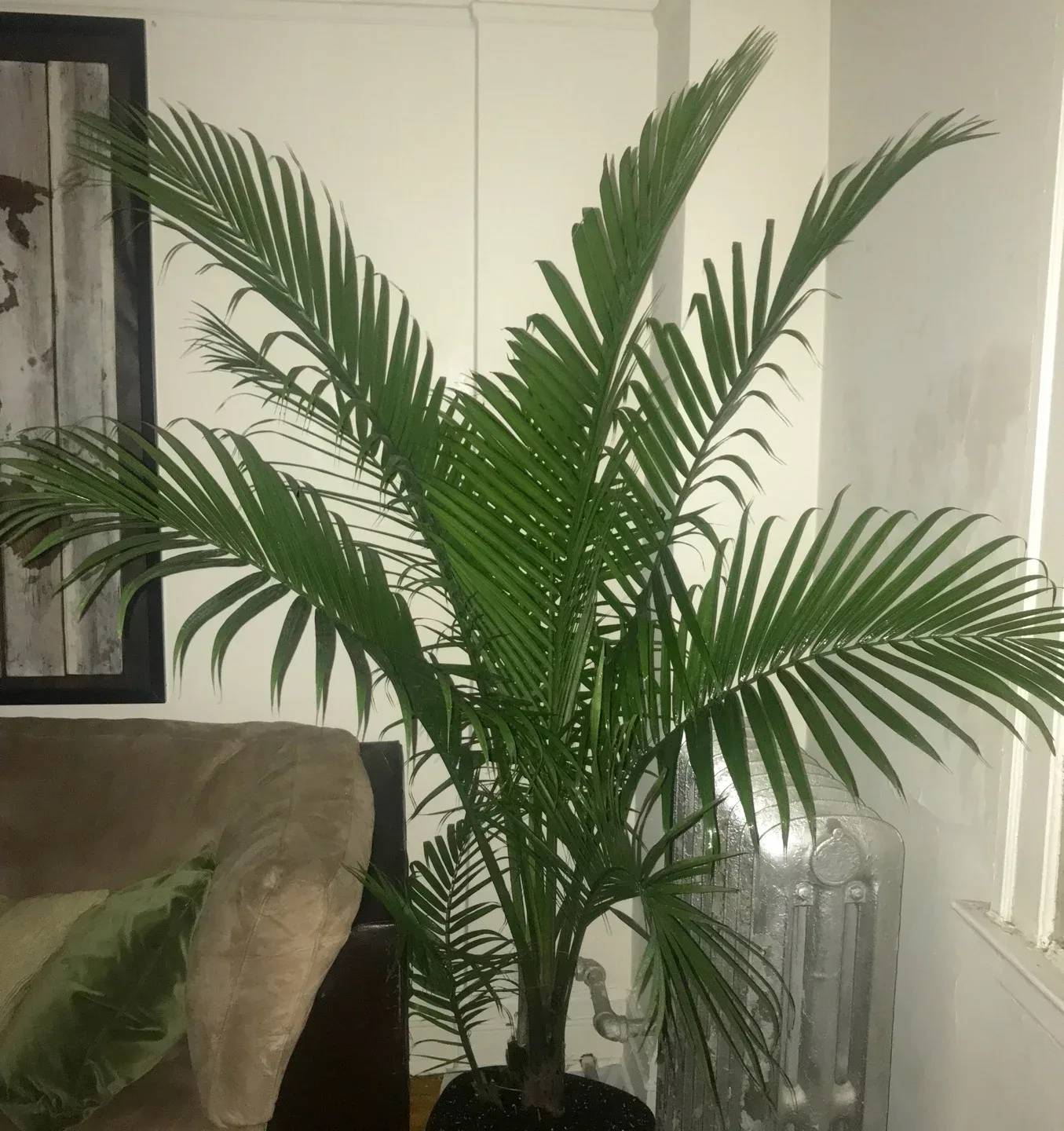
| ☀️ Light | Bright indirect light |
|---|---|
| 💧 Water | High (consistently moist) |
| 🪴 Soil | Moisture-retentive container mix with good aeration |
| 🐾 Safety | Cats: non-toxic · Dogs: non-toxic |
Where It Grows & Climate Tolerance
Pet & Companion Animal Toxicity (Majesty Palm)
Find the right light, watering and humidity for a majesty palm, and learn how to tell dry tips, spider mites and persistently wet soil apart.
Care instructions
Care Guide & Maintenance Routine
Use bright filtered light, an airy mix and a pot that drains. Water before the whole root ball dries and keep the air comfortably humid. Check frond undersides if leaves become speckled or dry.
Light & Sunlight
Choose bright indirect light. Introduce gentle direct sun gradually and protect the fronds from sudden intense afternoon exposure.
Watering Schedule
Check the surface and root ball regularly. Water thoroughly when the surface begins to dry and allow excess water to escape. A pot left in collected runoff can develop root rot.
Potting Mix & Drainage
Moisture-retentive container mix with good aeration
Temperature & Humidity
Keep the palm warm with good air movement. Protect from frost, cold draughts, intense heater air and the direct flow from air conditioning.
The majesty palm is a tropical palm with long feathered fronds. It needs more light and steady moisture than a dim hallway provides. Dry indoor air can make it susceptible to spider mites.
Bring it closer to light
Place the plant near a bright window with filtered afternoon sun. Keep enough clearance for new fronds to unfurl. If the newest fronds look weak, check light alongside moisture before feeding.
Water evenly and let the pot drain
Check the top of the mix and the moisture lower down. Once the surface starts to dry, water evenly and empty the saucer. Avoid upsizing a newly bought palm into a much larger container.
Diagnose brown tips
Look for repeated dry spells, heater or AC airflow and fine webbing beneath the fronds. Increase room humidity if air is consistently dry and keep wet soil from lingering in the bottom of a cover pot.
Pet safety
The ASPCA lists Ravenea rivularis as non-toxic to cats and dogs. Sago palm is a different plant with a very different safety profile.
Sources
Photo by Glpinagelpinagel via Wikimedia Commons. CC BY-SA 4.0. Resized and converted to WebP under the same license.
Seasonal rhythm
Seasonal Calendar
A month-by-month calendar for Majesty Palm in Global is coming soon. See the light, water and temperature notes above.
Diagnostics
Common Problems & Troubleshooting
Brown tips can follow dry air or variable watering. Yellowing in persistently wet soil can indicate root stress. Fine webbing or stippling suggests checking for spider mites.
Care encyclopedia · 2 guides
Guides & Articles for Majesty Palm
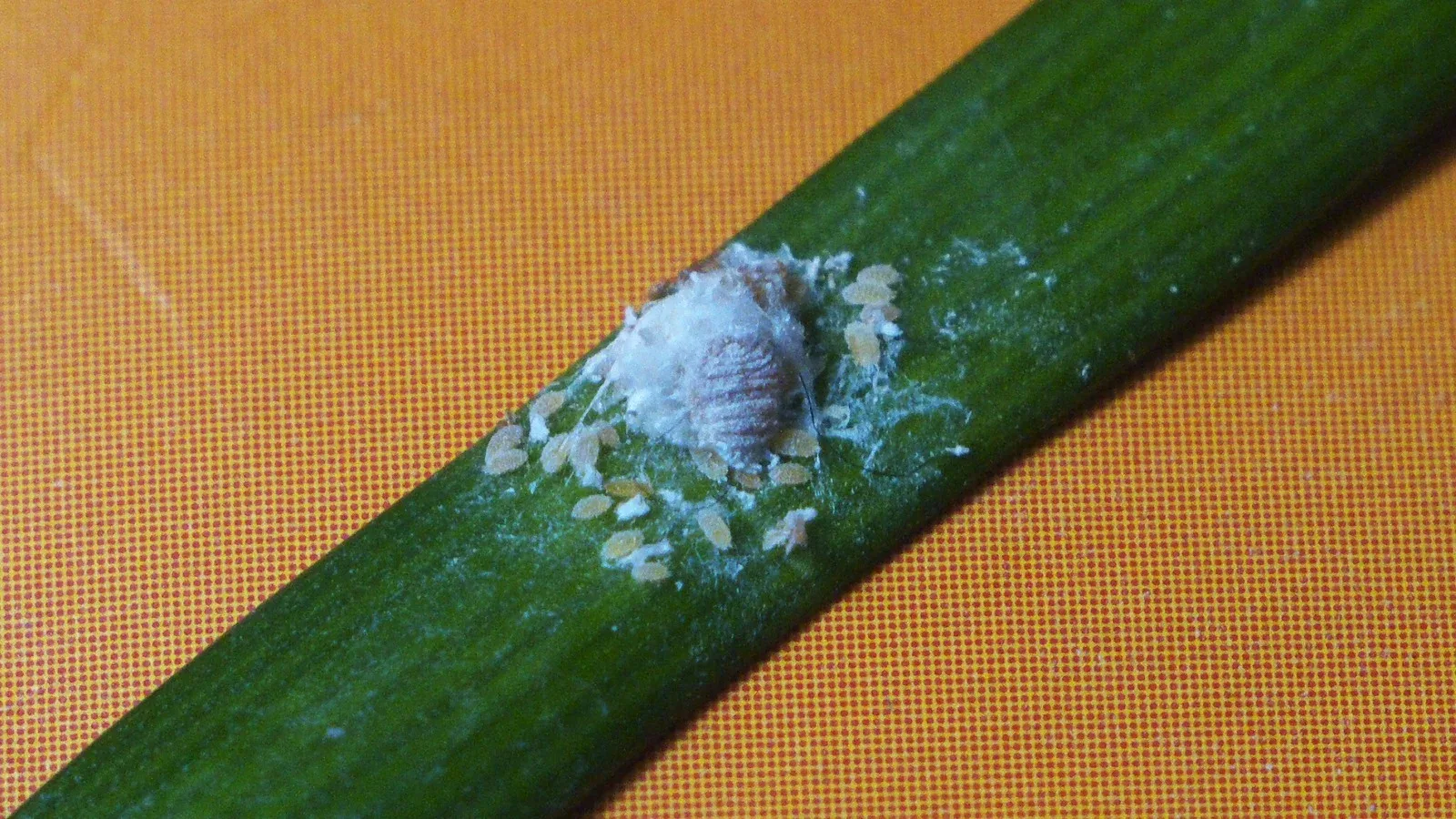
7 Common Houseplant Pests in India and How to Spot Them
Use seven common symptoms to check indoor plants for pests. See where to look for mealybugs, mites, thrips and fungus gnats during an Indian monsoon.
Read guide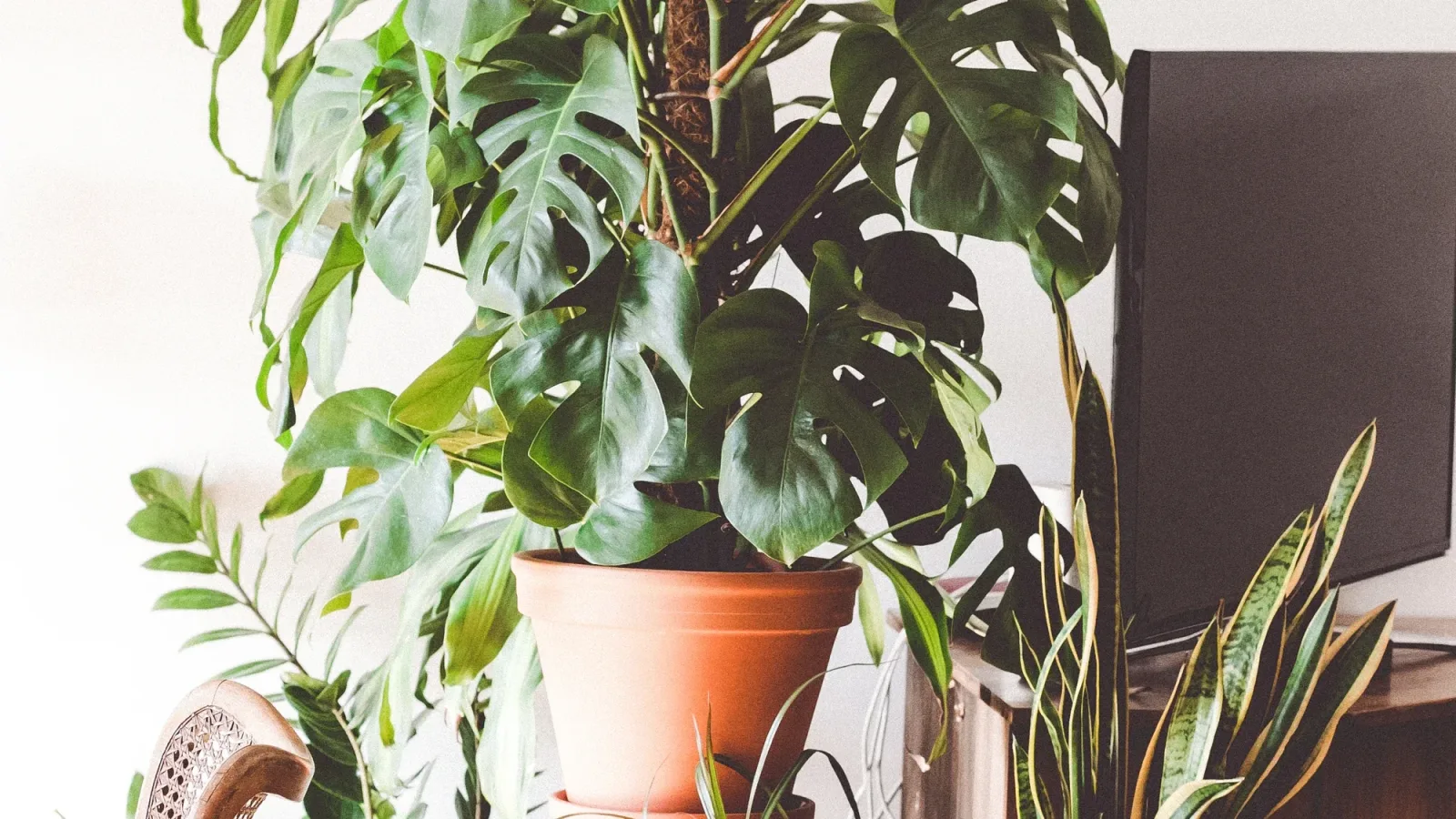
12 Indoor Plants for Australian Homes, by Light and Climate
Twelve indoor plants that can work in Australian homes, grouped by light, with notes for tropical, subtropical, temperate, Mediterranean and arid climates, including a dry Perth summer and a humid Brisbane one.
Read guideQ&A
Frequently Asked Questions
Why are my majesty palm tips turning brown?
Check for a dry root ball, dry air and mineral buildup before changing the feeding schedule. If you see fine webbing or tiny pale specks, inspect for spider mites.
Does a majesty palm tolerate low light?
Aim for bright filtered light. In a dim room the palm can weaken and the pot can stay wet for too long.
Similar Botanical Matches
Keep exploring
Related plants

Grower field notes
Reader Field Notes in Global
Share how this plant performs in your local Global climate.