
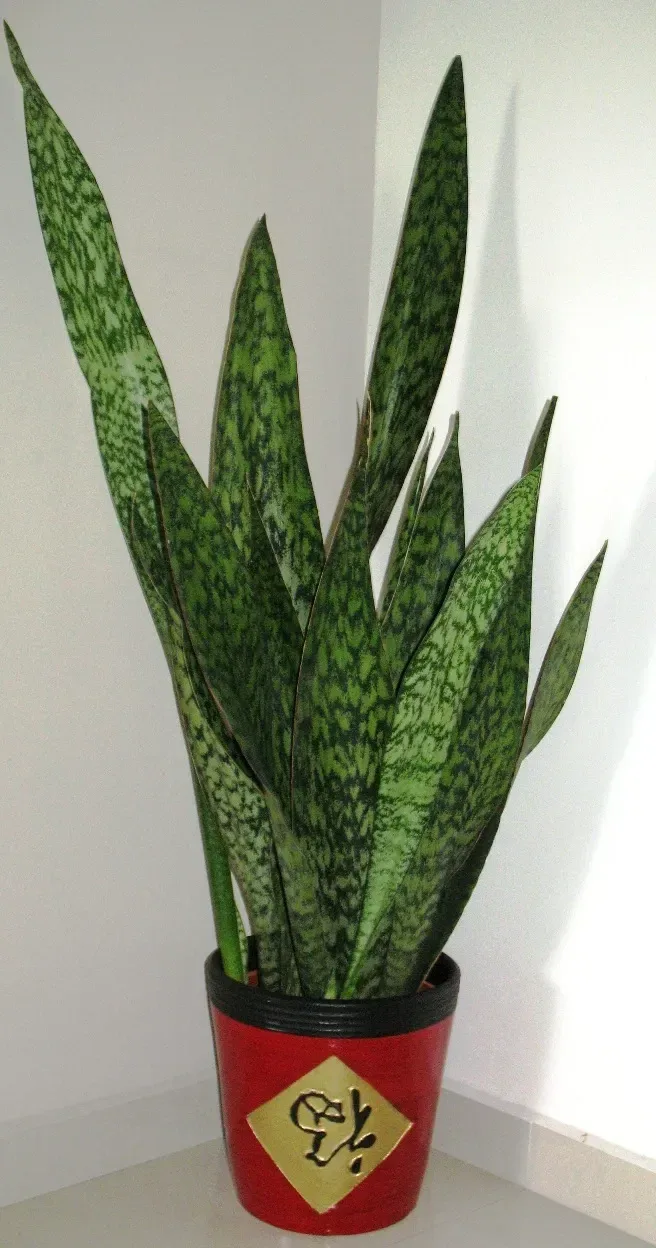
Search for indoor plants for oxygen and you will see the same claims again and again. Snake plant gives oxygen at night. Areca palm cleans the air. Peace lily removes toxins. The idea sounds nice, and nurseries use it to sell pots. The science behind those claims is much smaller than the headlines.
This guide is part of our indoor plants for Indian homes series. It explains what plants can and cannot do for the air in a normal Indian flat, and which plants are still good buys for other honest reasons.
Where the oxygen claim comes from
In 1989, NASA tested a few houseplants in small sealed chambers. Some plants reduced certain gases in that closed box. Later, sellers turned the study into a promise that a few pots will purify a bedroom or living room.
A 2019 review of many similar studies found a simple problem. In a real room with doors, windows and fans, air already moves in and out. To match the cleaning done by normal ventilation, you would need somewhere between 10 and 1,000 plants per square metre. That is not a home. That is a glasshouse.
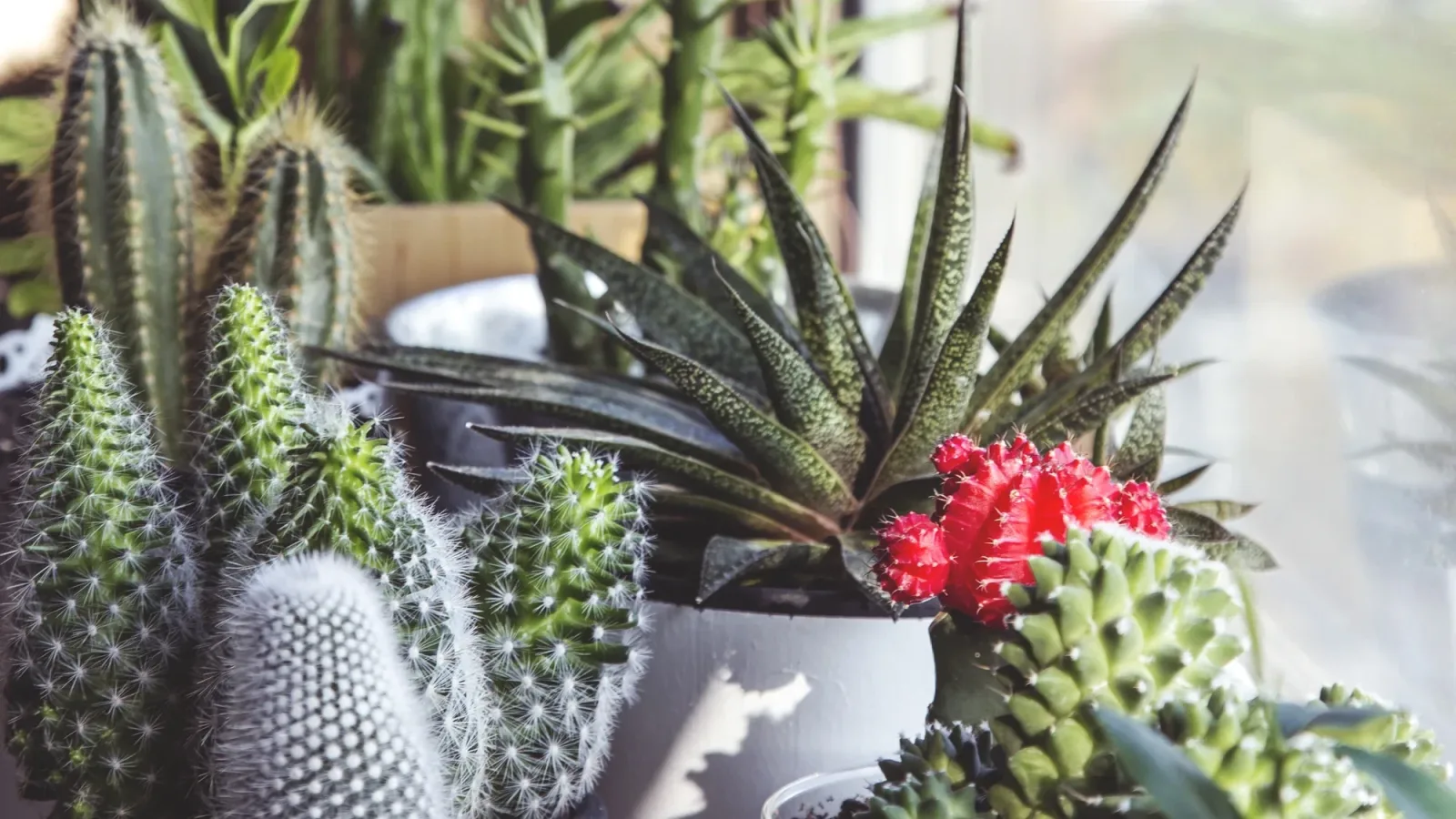
Snake plant and a few succulents do open their pores at night and take in a little carbon dioxide. The amount of oxygen they release is tiny next to what one sleeping person uses. It will not change how a room feels.
What actually improves air at home
- Open a window for ten to fifteen minutes, even in winter, when outdoor air is not too dusty.
- Use an exhaust fan in the kitchen and bathroom.
- Keep soil only lightly moist. Constantly wet soil grows mould and fungus gnats, which make indoor air worse for people with allergies.
- If you have asthma or high outdoor pollution, a real HEPA air purifier does far more than any plant list.
Plants still have a place. They look good, they teach children about care, and a green corner can make a room feel calmer. Just buy them for those reasons, not for oxygen.
Plants worth growing anyway
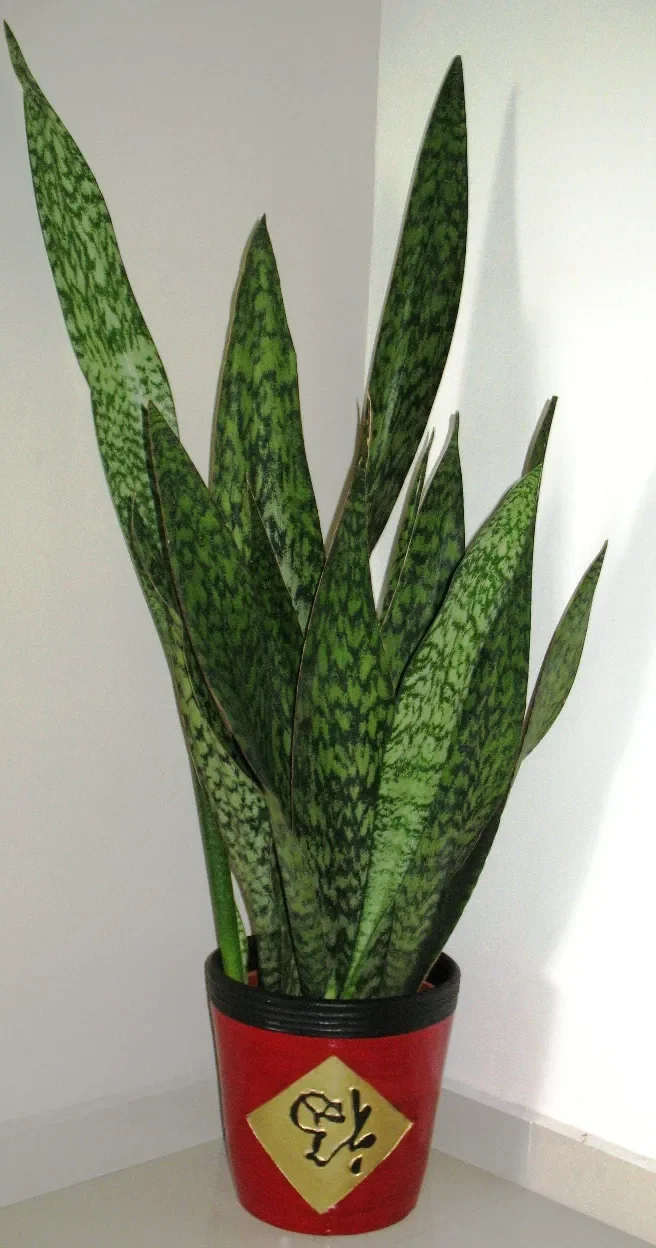
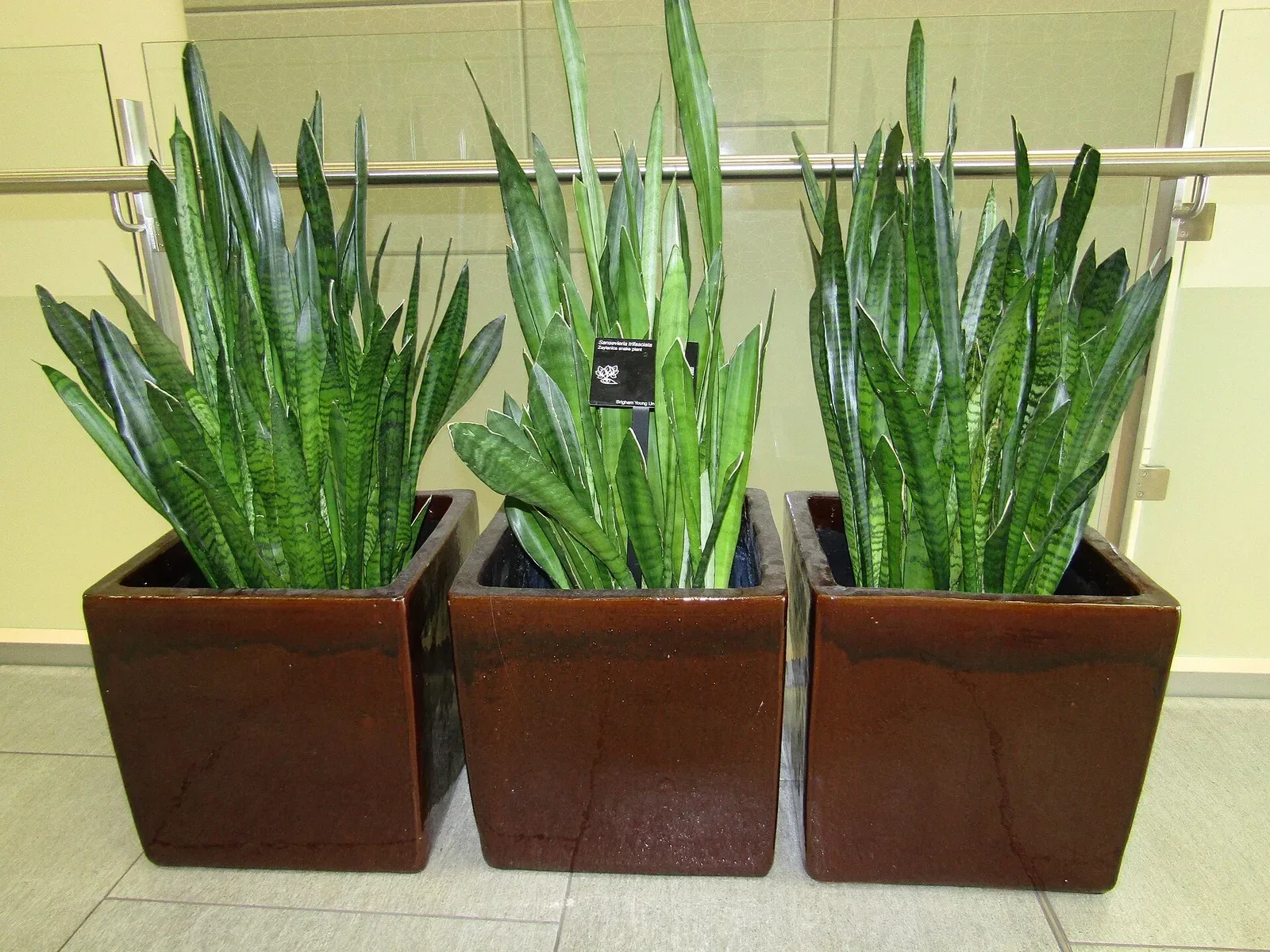
Snake plant
The easiest indoor plant in India. It handles low light, AC rooms and missed waterings. Water only when the soil is dry deep down. Mildly toxic if chewed. Full routine in our snake plant care guide.
Areca palm
A large, soft looking plant for a bright living room corner. It needs bright light and even moisture. Brown tips are common in dry AC air. See our areca palm brown tips fix.

Money plant
Grows in soil or in a jar of water. Trails from shelves and cupboards. Toxic to pets if chewed. Care notes in money plant watering and training.
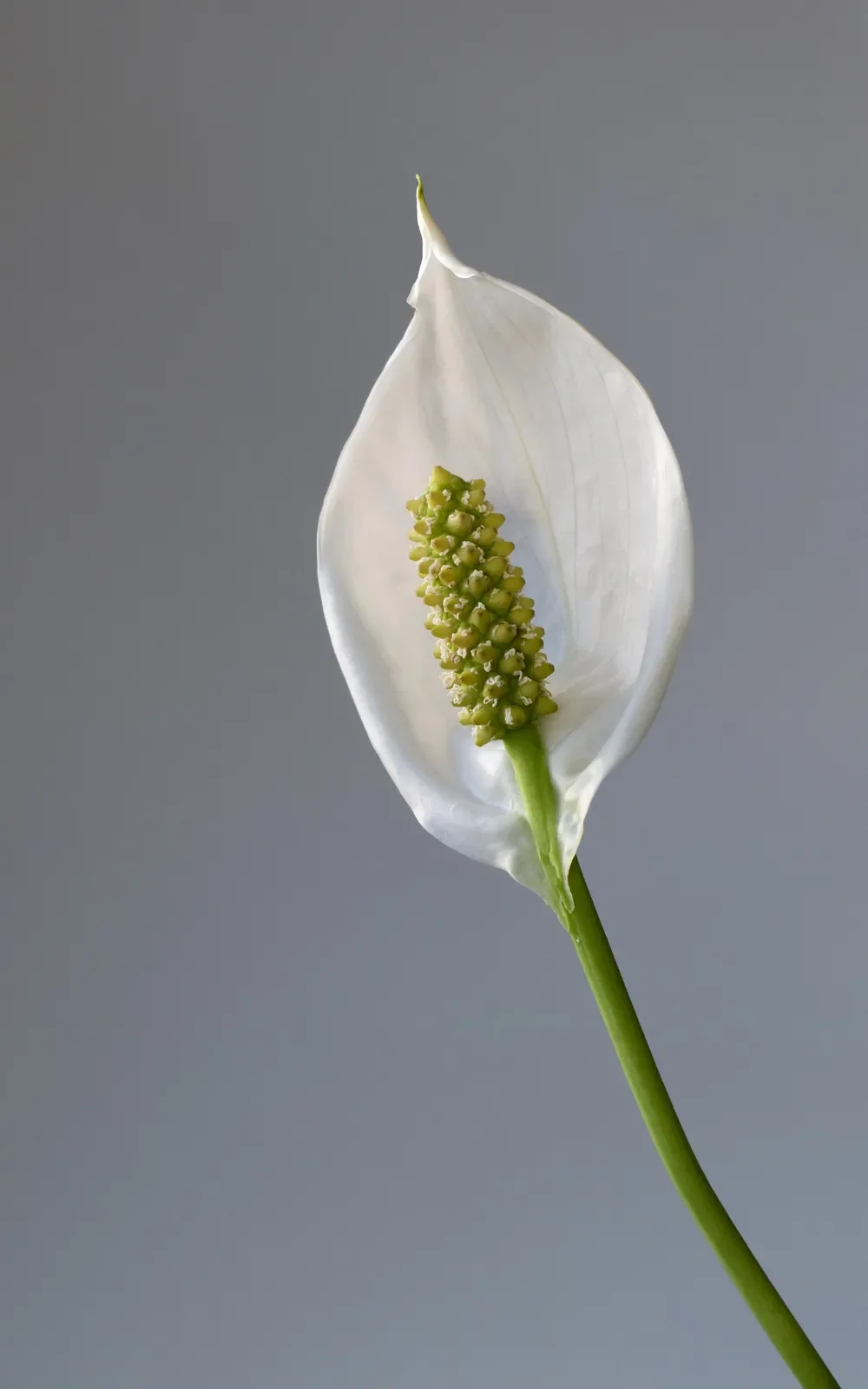
Peace lily
One of the few indoor plants that flowers in medium light. It droops when thirsty and recovers after watering. Toxic if chewed. Keep away from cats.
ZZ plant
Best for dark offices and bedrooms. Glossy leaves, thick underground stems that store water. Overwatering is the only real risk. See ZZ plant low light care.
Bedroom and oxygen myths
People ask if it is safe to sleep with plants because plants release carbon dioxide at night. The amount is far too small to matter. The real bedroom risks are wet soil mould and plants that are toxic to pets. For honest bedroom picks, read best indoor plants for bedroom.
How many plants do you need?
For looks and habit, five to ten healthy plants in a two bedroom flat is plenty. Place them where they get the light they need, use a free draining potting mix for indoor plants, and water only when the top of the soil is dry. Feeding is covered in fertilizer for indoor plants at home.
Choosing plants without the marketing
When a nursery label says air purifier or oxygen plant, ignore that line. Read the light and water line instead. Ask whether the plant fits the room you have. A snake plant in a dark stair landing is a better buy than an areca palm in the same spot, even if both are sold as oxygen plants.
For offices with only tubelight, ZZ plant and snake plant are the safe pair. For a bright living room, areca palm and money plant give more leaf for the space. For a humid bathroom with a window, money plant and fern beat any oxygen ranking list. Match the plant to the room, then enjoy it for what it is.
If you already bought plants for air claims, keep them. Just change how you care for them. Use the watering guide in how often to water indoor plants, and do not overcrowd a small room with wet pots.
Season tips for Indian homes
In summer, indoor plants dry faster near west windows and under ceiling fans. Check soil more often, but do not leave saucers full of water. In monsoon, indoor air is humid and pots dry slowly. Stretch the gap between waterings and watch for fungus on the soil surface. In north Indian winter, keep tropical palms away from cold glass at night.
Festival sales often push oxygen plant combos. Buy only what you have light for. A lonely areca palm in a dim lobby will cost more in replacements than one snake plant that fits the space. Keep receipts and quarantine new plants for a week so pests do not move onto your older pots.
If you want a short reading path next, open the bedroom plants guide for night time myths, then the potting mix guide so new plants go into soil that can breathe.
Talking to family about plant claims
Older relatives may gift an oxygen plant after reading a forward on their phone. Accept the gift kindly, then place it where light fits. You do not need an argument about NASA. A healthy plant in the right corner is the best answer, and a short airing of the room each morning does the real air work.
Watch: matching plants to your rooms
This short RHS video shows how to judge light in a room and pick a plant that will last, without relying on air cleaning claims.
Comments
No comments yet — share what worked in your climate.