
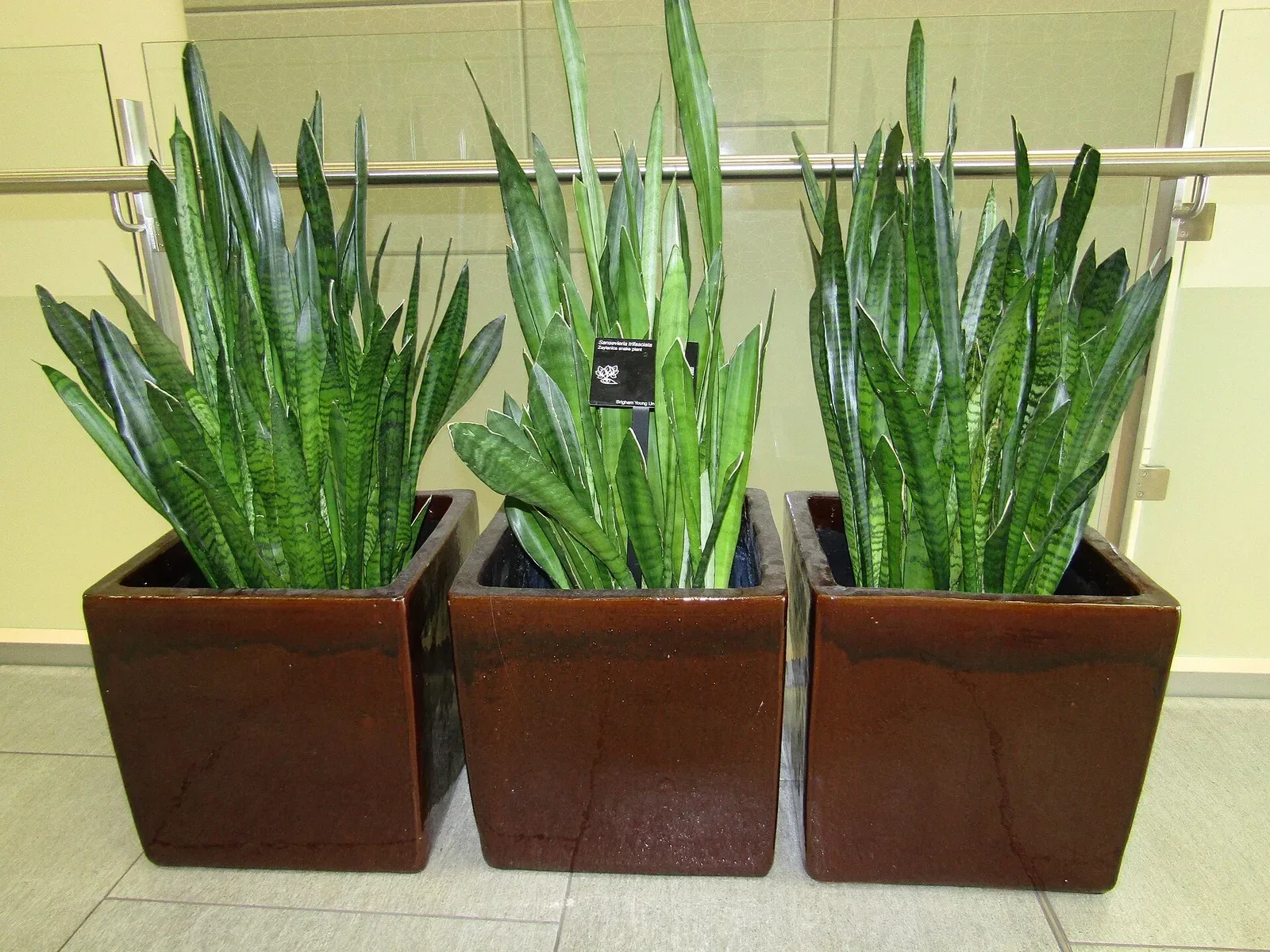
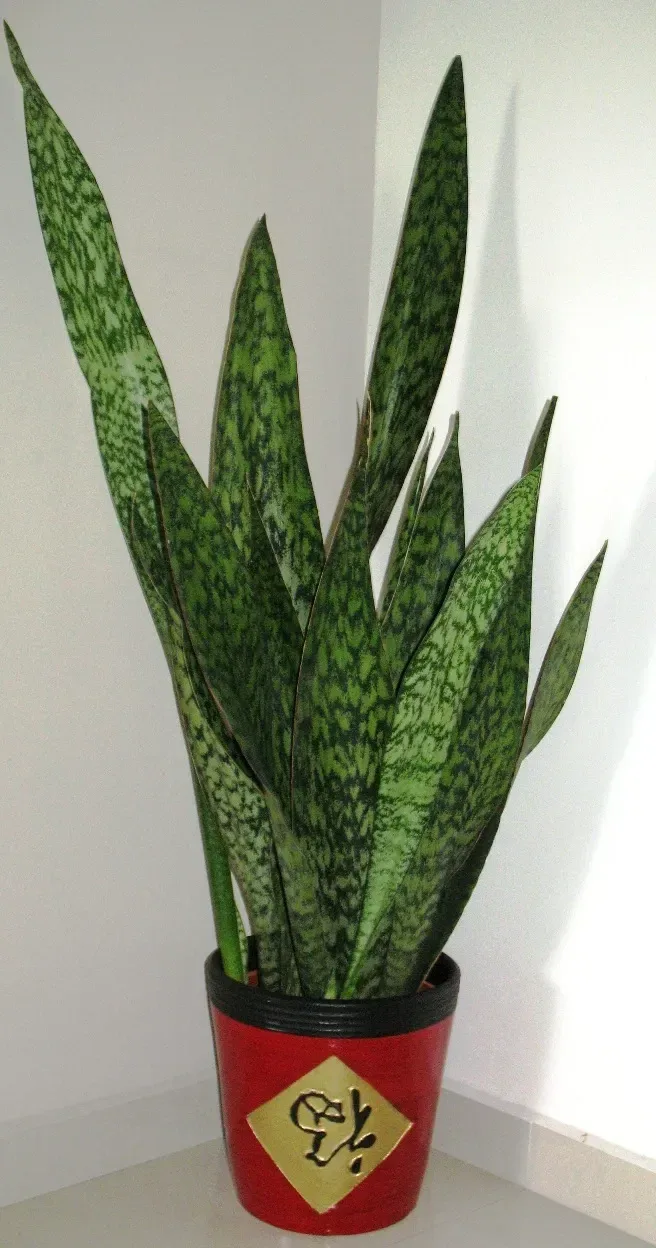
The snake plant is one of the easiest plants you can keep in an Indian home. It handles dim corners, dry air and a few missed waterings. But it is not fully care-free. Most snake plants that die in India die from one thing: too much water. This guide gives you a simple routine for light, water, soil and the monsoon, so your plant stays firm and upright all year. You can also check the full snake plant care profile for quick facts on light, water and soil.
Best light and spot for a snake plant in India
Snake plants grow in low light to bright indirect light. That gives you a lot of choice. A spot near a north or east window works very well in most Indian flats. These windows get soft light with no harsh afternoon sun.

- In low light, such as a hallway, a bedroom corner or an office desk, the plant will survive but grow slowly.
- It grows best 1 to 2 metres from a bright window. This is where it grows best and makes new pups.
- A little direct morning sun is fine. Strong afternoon sun through a west or south window in May and June can burn the leaves and leave pale, dry patches.
If your plant is in a dark room, the leaves may lean or flop over time. Move it a bit closer to a window. Do it slowly, over a week or two, so the leaves get used to more light.
Snake plants on balconies
You can keep a snake plant on a shaded balcony. Just keep it away from full noon sun in summer, when balcony floors can get very hot. A spot under a roof or next to taller plants is good.
How often to water a snake plant
For most homes, water every 2 to 3 weeks. But do not follow the calendar blindly. Check the plant first. Two simple checks work well: We also have a separate guide on fixing yellow snake plant leaves.
- Push a finger or a wooden stick 5 cm into the soil. If it feels dry at that depth, it is time to water.
- Lift the pot. A dry pot feels light. A wet pot feels heavy. After a few weeks you will know the difference by hand.
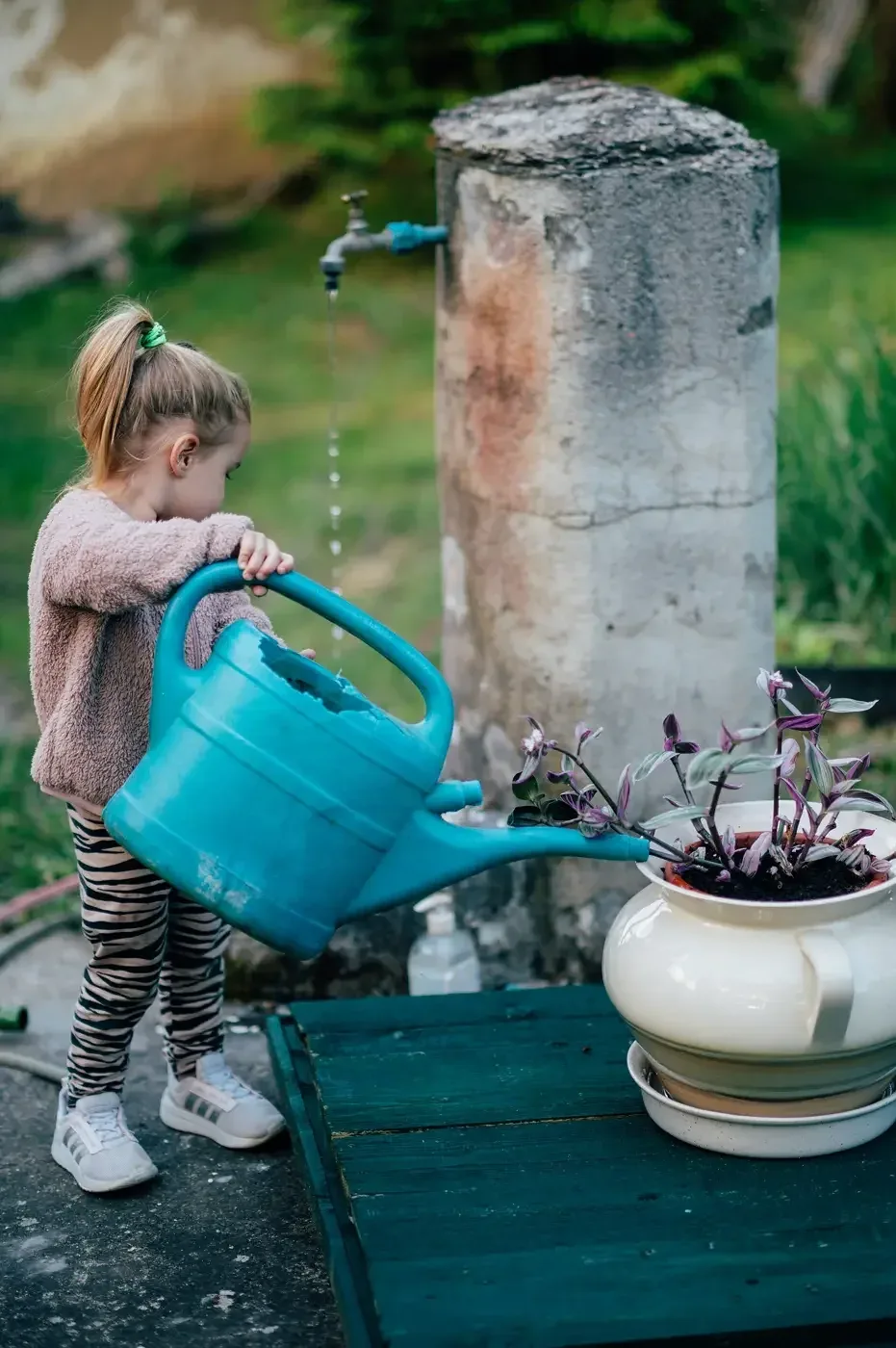
When you water, water well. Pour slowly until water comes out of the drainage hole. Then let it drain fully. Never leave water standing in the saucer.
Watering through the year
| Season | Usual gap between watering | Notes |
|---|---|---|
| Summer (March to June) | 10 to 14 days | Soil dries faster when it is 35 to 45°C outside. |
| Monsoon (July to September) | 3 to 4 weeks | Air is humid, soil stays wet longer. Check before every watering. |
| Winter (November to February) | 3 to 5 weeks | Growth slows. In north India, water even less when nights drop below 10°C. |
| AC rooms | 2 to 3 weeks | AC dries the air but the soil can still stay damp. Always check. |
These are only guides. A small pot in a bright room dries fast. A big plastic pot in a dark room can stay wet for a month.
Best soil mix for snake plants
Snake plants store water in their thick leaves and roots. They hate sitting in wet soil. So the mix must drain fast. Plain garden soil or heavy clay soil is a common reason for rot.
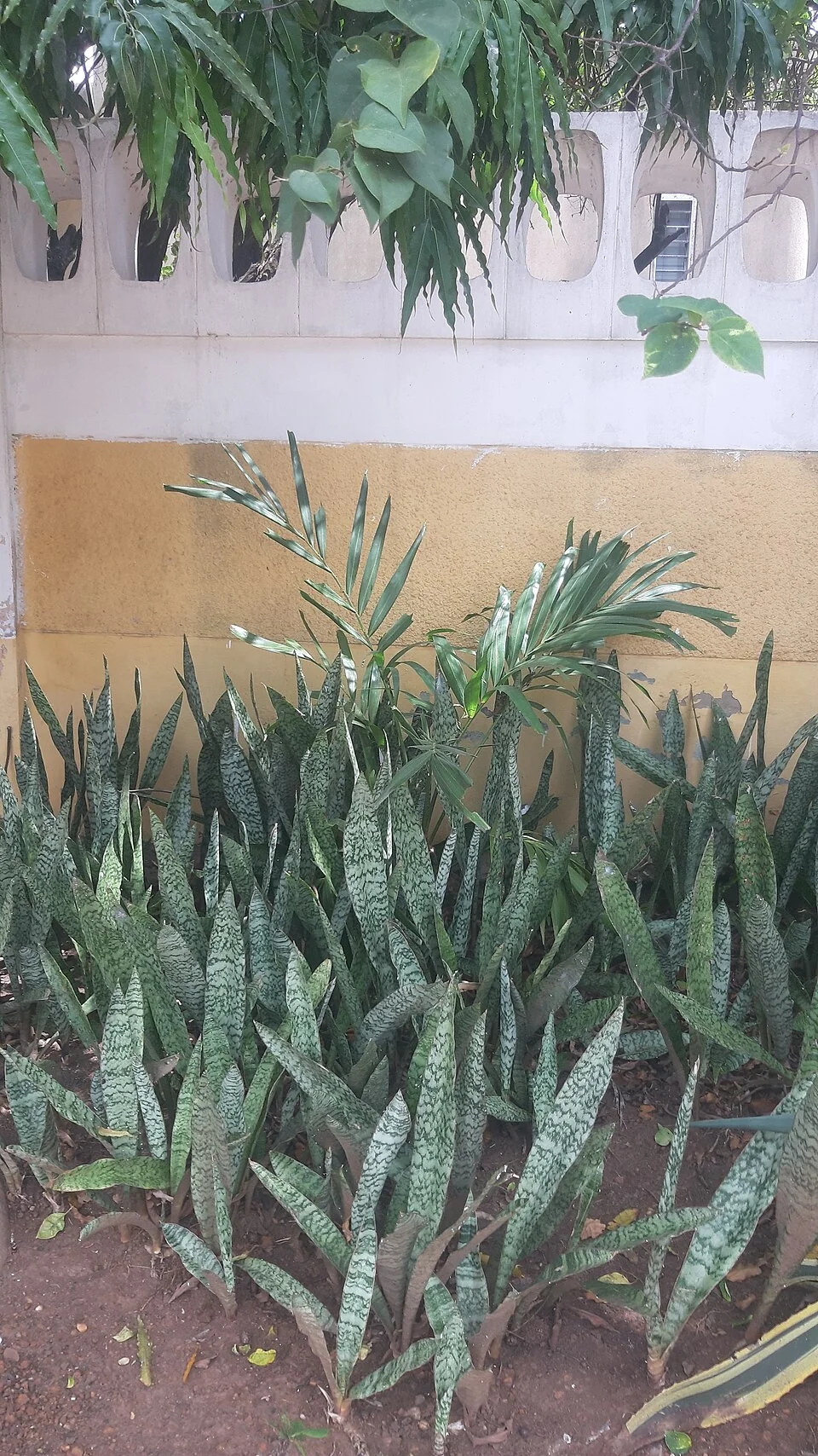
A simple mix you can make at home:
- 2 parts normal potting soil
- 1 part coarse sand or small brick pieces
- 1 part perlite or pumice
- A handful of cocopeat, only if your mix feels too loose
Here is a good test. Water the pot and check it after a week. If the mix is still wet more than a week later, add more perlite next time you repot. That one change fixes most problems.
Which pot is best
Terracotta pots are the best choice in India. The clay lets the soil breathe and dry out faster. Whatever pot you use, it must have a drainage hole. Pick a pot only a little wider than the root ball. A very big pot holds extra wet soil that the roots cannot use.
Snake plant care in the monsoon
The monsoon is the riskiest time for snake plants. Days of rain and high humidity keep the soil wet. Roots start to rot, and the leaves turn soft and yellow at the base. If the leaves look dull and you cannot tell why, run your snake plant through our plant health score check.
- Move outdoor pots under a roof, a shade or a covered part of the balcony before heavy rain starts.
- Empty the saucers after every rain. Standing water is the main enemy.
- Water indoor plants much less. Many plants need water only once a month in this season.
- Keep some air moving. A room with a fan or an open window helps soil dry faster.
Feeding and repotting your snake plant
Snake plants need very little fertilizer. Feed once a month from March to September with a liquid fertilizer mixed at half strength. Vermicompost works too: add one or two spoons on top of the soil in spring. Do not feed in winter or the monsoon.
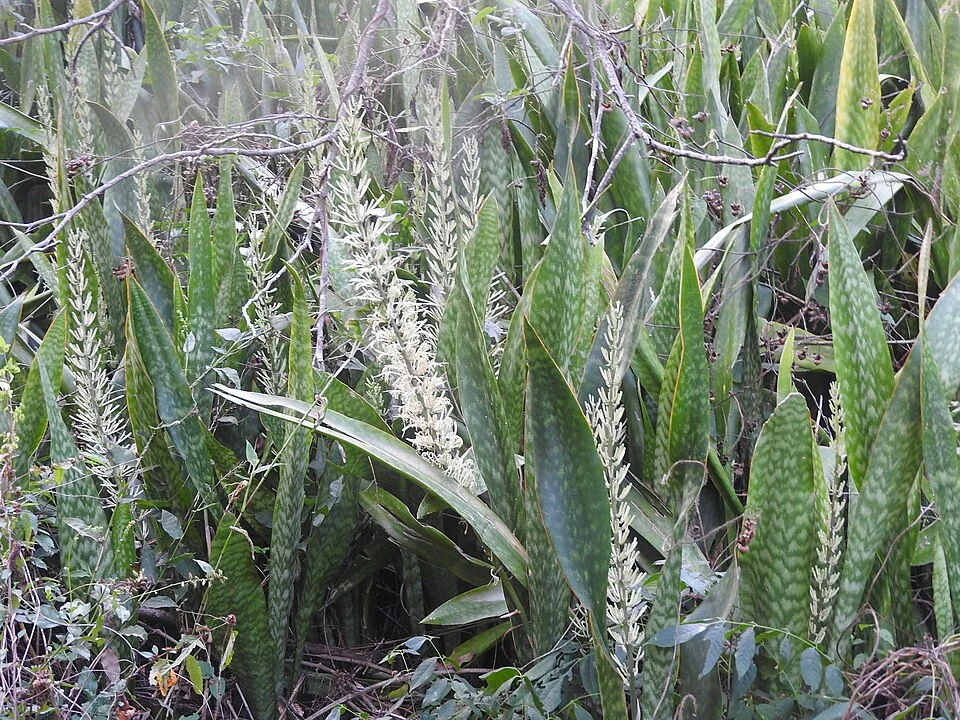
Repot every 2 to 3 years, or when roots push out of the hole or the pot starts to crack. The best time is February to April, before the heat peaks. You can split the plant at this time and pot the pups on their own.
Common snake plant problems and quick fixes
- Soft, yellow, mushy leaves mean too much water. Check the roots for rot.
- Wrinkled, thin leaves mean the plant is thirsty. Give it a deep watering.
- Brown, dry patches are sun burn from strong afternoon sun.
- Leaves that fall over get too little light or too much water.
Keep it simple. Give it light, water only when the soil is dry 5 cm down, and protect it from monsoon rain. Do this and a snake plant can live for many years. ZZ plants need much the same care, as our ZZ plant low light guide shows.
Comments
No comments yet — share what worked in your climate.