
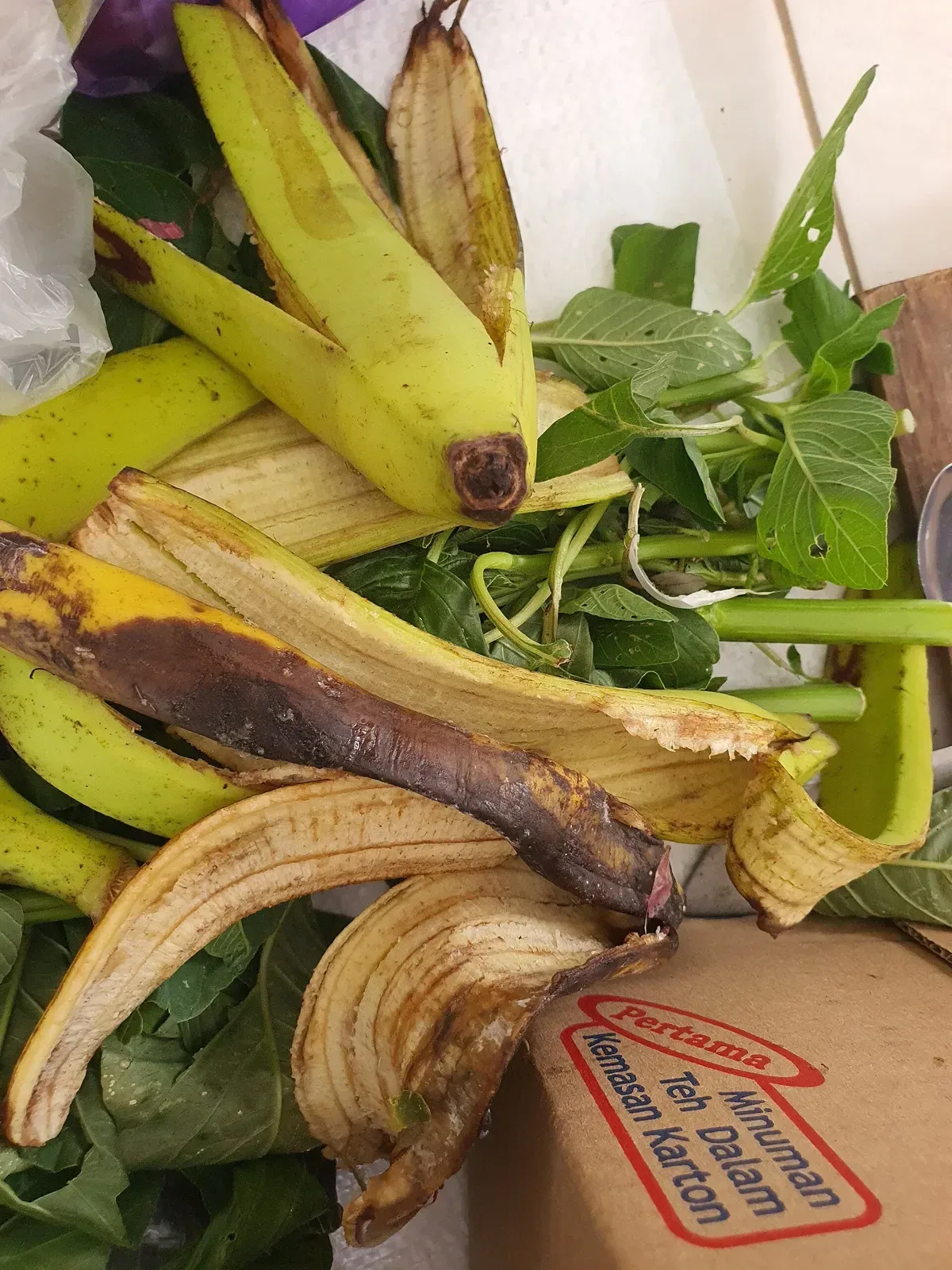
Banana peel fertilizer is a popular kitchen hack in India. Peels are free, and they hold potassium and a little phosphorus. Used the wrong way, they also bring fruit flies, fungus gnats and a sour smell to indoor pots. This guide shows methods that work, and when you should just add peels to a compost bin instead.
It belongs with our soil and feed cluster. For a wider feeding plan, read fertilizer for indoor plants at home. For the mix those feeds go into, see potting mix for indoor plants.
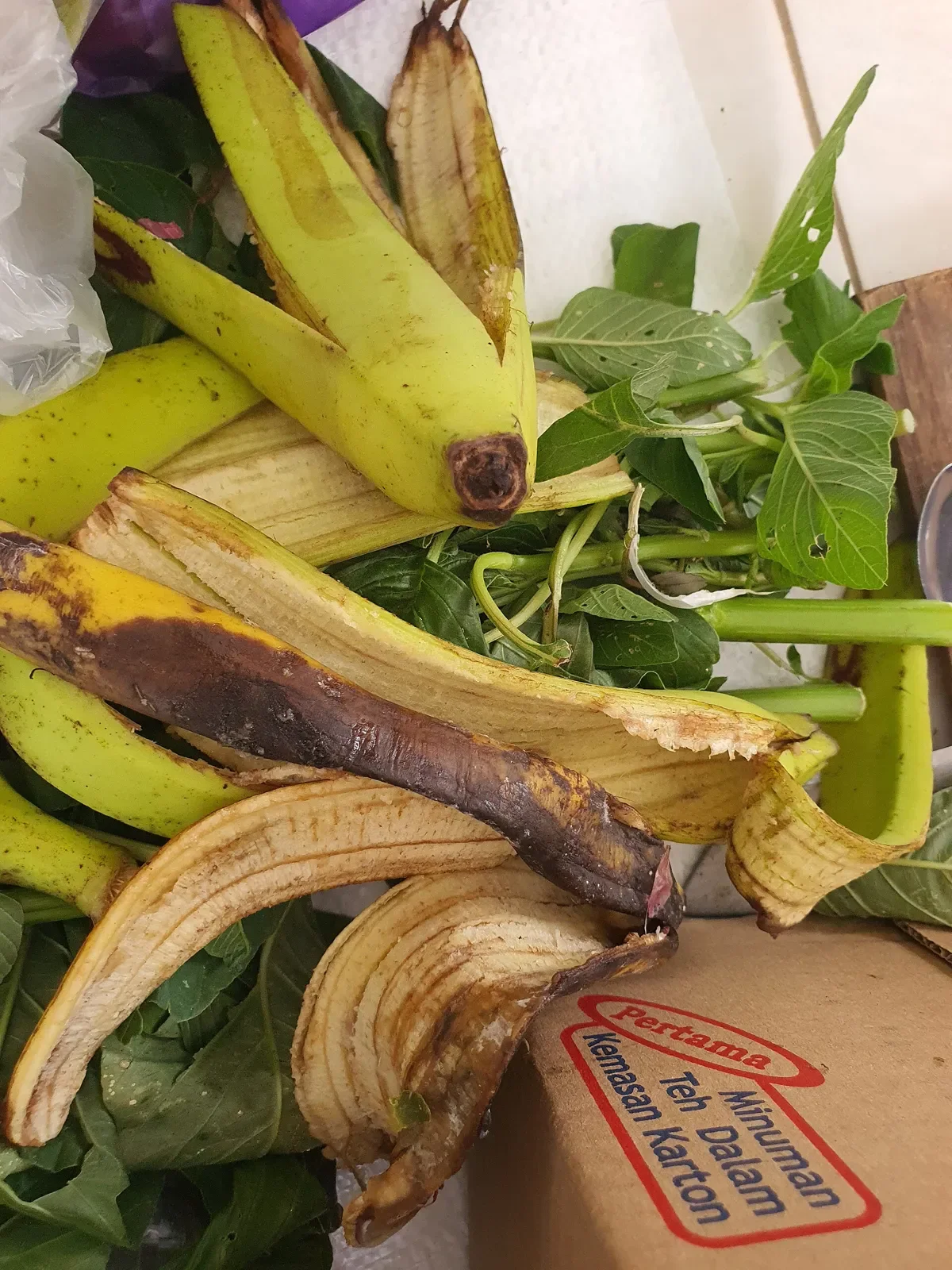
What banana peels actually contain
Dried banana peels are relatively rich in potassium compared with many kitchen scraps. They also hold some phosphorus, calcium and magnesium. They are not a full NPK fertilizer. Leafy growth still needs nitrogen from vermicompost, mustard cake or a balanced liquid feed.
Fresh peels break down slowly in a closed pot. The sugars feed microbes and can feed fungus gnats. That is why indoor plant parents often regret burying whole peels in houseplant soil.
Method 1: banana peel tea
- Chop two or three peels into small pieces.
- Put them in a clean jar and cover with water.
- Leave for two to three days at room temperature. Stir once a day.
- Strain. Dilute one part tea with five parts plain water.
- Water outdoor pots or balcony plants with the dilute tea.
Use the tea within a day of straining. Do not pour strong, cloudy tea into indoor pots. The smell and sugar invite gnats. Outdoor roses, hibiscus, lemon and flowering balcony plants are better targets than snake plant or ZZ plant.
Method 2: dry and crush
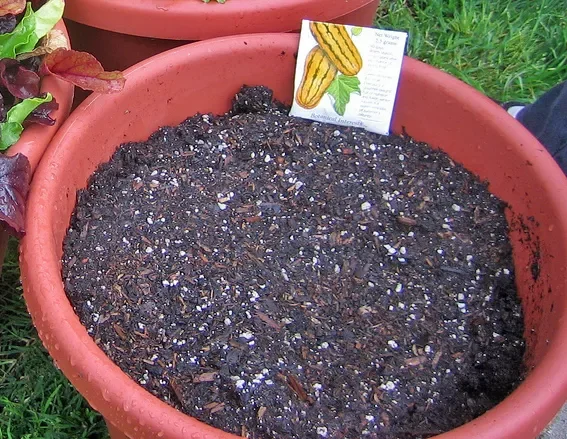
Sun dry peels until brittle, then crush or grind them into flakes. Mix a thin handful into the top of outdoor pot soil once a month in the growing season. Water afterwards. Dried peels attract fewer flies than fresh ones.
Method 3: compost or vermicompost
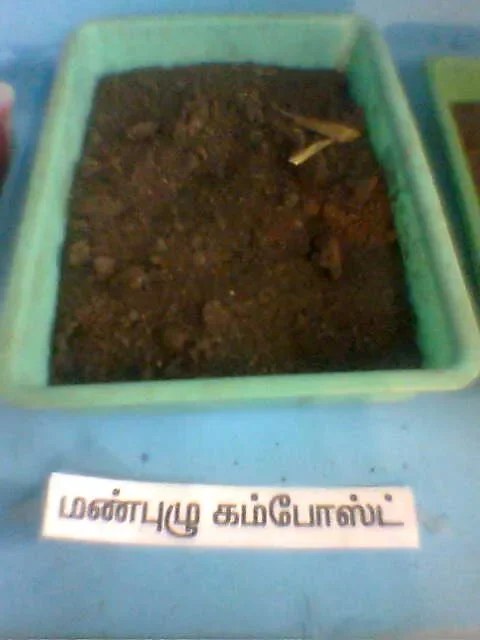
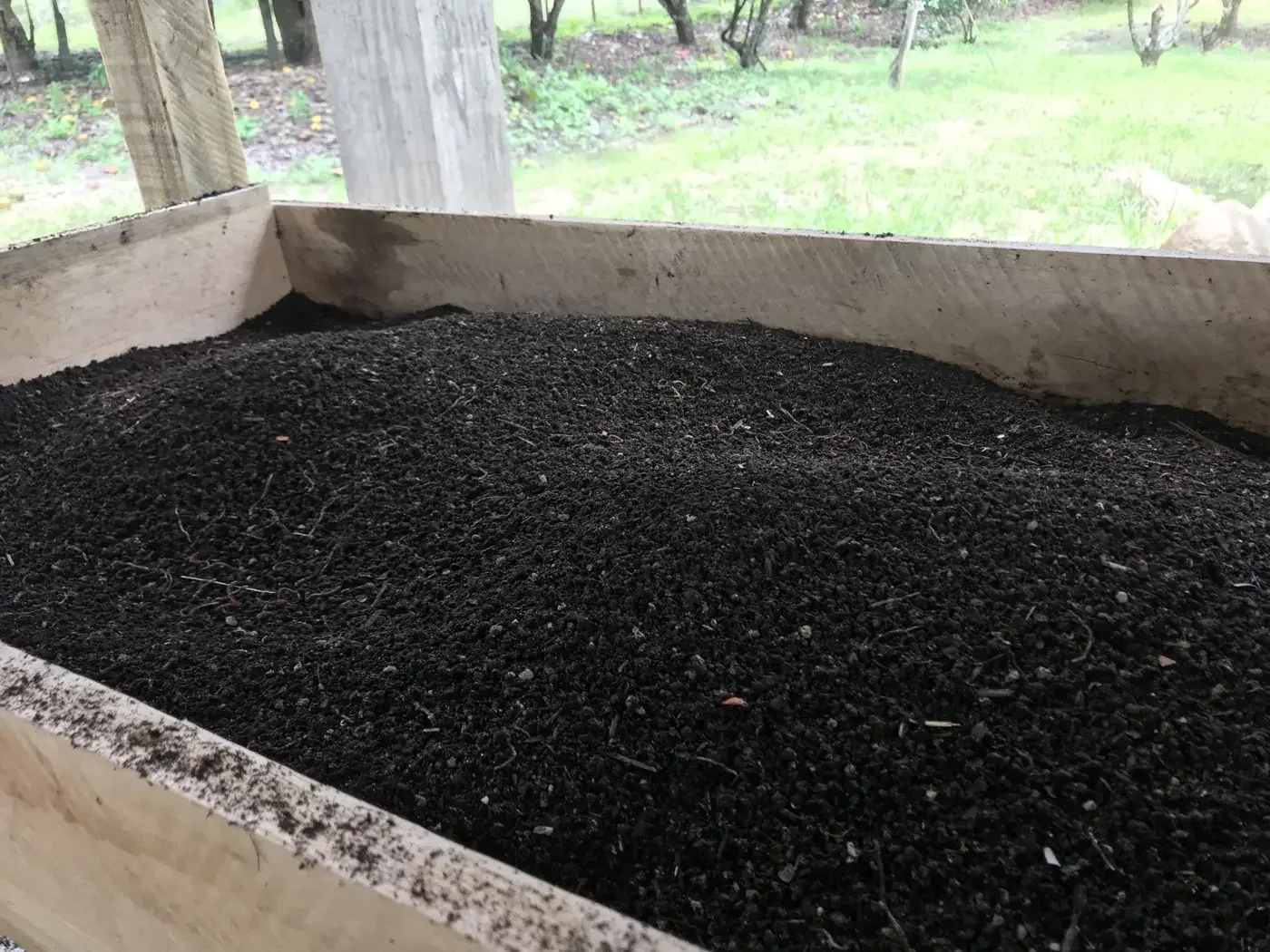
The cleanest method for flats is to chop peels into a kitchen compost jar or a vermicompost bin. Worms handle banana peels well when chopped small and buried under bedding. The finished compost is a balanced feed you can mix into any pot. See also how we use vermicompost in the indoor fertilizer guide.
What not to do
- Do not bury whole fresh peels in indoor pots. They rot slowly and breed gnats.
- Do not expect peels alone to fix a pale, hungry plant. Add a nitrogen source as well.
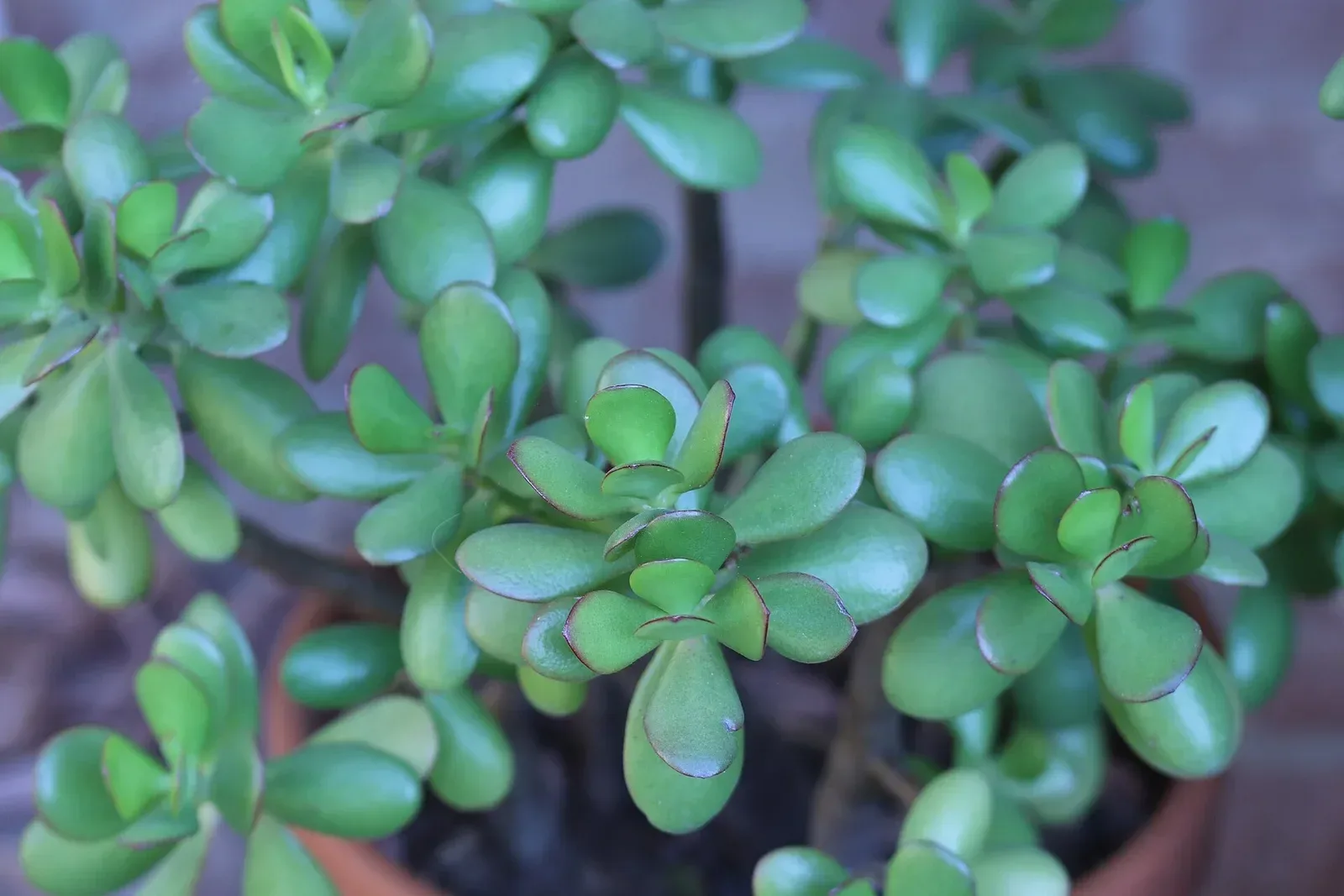
- Do not use thick peel tea on succulents or cacti.
- Do not store tea until it smells rotten.
Which plants like it
Flowering and fruiting plants that use more potassium respond best: rose, hibiscus, marigold, tomato, chilli and lemon in pots. Foliage houseplants gain more from a light vermicompost top dress than from banana tea. For pest season on flowering plants, keep general indoor care solid so soft growth from overfeeding does not invite mealybugs.
How this fits a weekly kitchen routine
Keep a small lidded box in the kitchen for peels. Every two or three days, chop what you have for tea or for the compost jar. Do not let a wet pile sit open on the counter. Fruit flies breed in that pile faster than plants can use it.
Balcony gardeners with tomatoes, chillies and roses can use dilute peel tea through the flowering season. Indoor foliage plants do better with a monthly vermicompost top dress and a measured liquid feed. If you already follow our indoor fertilizer plan, treat banana peels as a small add on, not a replacement.
For pest prone flowering pots, soft overfed growth invites mealybugs. Keep feeding light, and if pests appear, use a careful neem spray rather than more peel tea. Healthy drainage and the right mix prevent more problems than any kitchen hack.
Safety and smell
Fermenting peels smell sweet then sour. If neighbours share a landing, keep the jar closed. Do not pour peel tea into shared drains in a way that leaves pulp behind. Strain well. Compost pulp in a closed bin. Clean tools after cutting peels so fruit flies do not gather on the knife and board.
Comparing peels with other kitchen feeds
Onion and garlic scraps can harm soil life and smell stronger than banana peels. Citrus peels break down slowly and can make soil acidic in large amounts. Tea leaves add a little organic matter but little nutrition. Banana peels sit in the middle: useful for potassium, messy if used fresh indoors.
Mustard cake water and vermicompost remain the more reliable weekly options for Indian balcony pots. Use banana methods when you already have peels and want less waste. Do not buy bananas only to feed plants. That wastes food and money.
Track results the simple way. Photograph a rose or chilli plant before you start peel tea, then again after four weeks. If leaves yellow or gnats rise, stop and return to compost only.
Watch: using peels in the garden
This video shows a gardener's peel method aimed at fruiting plants. Use the milder diluted tea for pots, and prefer compost for indoor plants.
Comments
No comments yet — share what worked in your climate.