
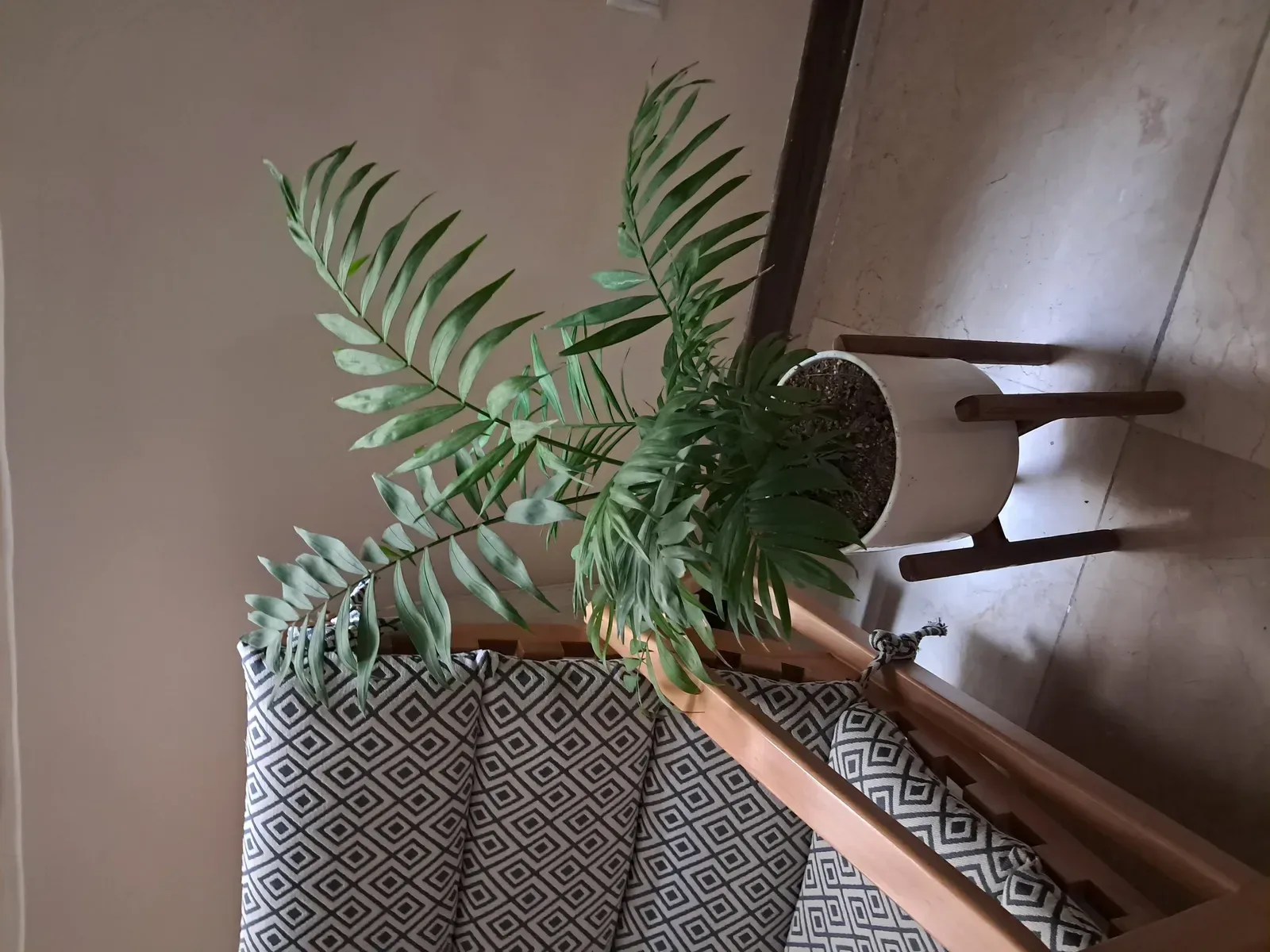
| ☀️ Light | Medium light |
|---|---|
| 💧 Water | Moderate (lightly moist) |
| 🪴 Soil | Well-draining indoor potting mix |
| 🌡️ Temp | 16°C – 27°C |
| 🐾 Safety | Cats: non-toxic · Dogs: non-toxic (ASPCA Animal Poison Control) |
| 📏 Mature size | 1.2 m |
Where It Grows & Climate Tolerance
Pet & Companion Animal Toxicity (Parlor Palm)
Pet-safe, low-light palm for Canadian apartments; slow grower that forgives average indoor care.
Care instructions
Care Guide & Maintenance Routine
Medium light, water when top is dry, pet-safe, avoid soggy soil in winter.
Light & Sunlight
Medium indirect. Tolerates lower light but grows slower. Avoid harsh midday sun.
Watering Schedule
Water when top 2–3 cm is dry. Much less in winter. Never leave standing water.
Potting Mix & Drainage
Well-draining indoor potting mix
Temperature & Humidity
Keep above 13 C. Protect from cold windows and open doors in deep winter.
The parlor palm earned its name in Victorian homes and still fits modern Canadian apartments. It stays relatively small, handles medium to low light better than most palms, and is listed by the ASPCA as non-toxic to cats and dogs.
Give medium indirect light. It will survive farther from a window than a fiddle leaf fig, but growth slows to a crawl in a dark corner. Water when the top 2 to 3 cm of mix is dry. Overwatering is the main killer — especially in winter when growth pauses. Use a well-draining indoor mix and a pot with holes.
Average home humidity is usually enough, though leaf tips brown in very dry furnace air. Keep temperatures between 16 and 27 C and away from cold drafts. Feed lightly every month or two from spring to early fall. Brown tips can be trimmed; do not cut into green tissue if you can help it.
Parlor palms grow slowly. A nursery plant may take years to fill out. Wipe dust off fronds so they catch more light. Watch for spider mites in dry winter rooms. With careful watering and medium light, this palm is one of the easiest green roommates for Canadian renters.
Grouped parlor palms in one pot are how most Canadian stores sell them. If the clump becomes congested after years, you can divide in spring, though recovery is slow. Fluoride in some municipal water browns tips — leaving water out overnight helps little for fluoride, so filtered water is better if tips keep burning. Dust builds fast on fronds near busy streets; a gentle lukewarm shower every month or two cleans them. This palm is a solid office plant under bright fluorescent light when a window is weak.
Seasonal rhythm
Seasonal Calendar
A month-by-month calendar for Parlor Palm in Canada is coming soon. See the light, water and temperature notes above.
Diagnostics
Common Problems & Troubleshooting
Yellow lower fronds (overwater); brown tips (dry air or fluoride); pale new growth (low light).
Pests & seasonal watch: Spider mites in dry air; scale on stems. Wipe leaves and treat early.
- Yellow leaves — Leaves fade from green to yellow, often starting at the bottom.
- Brown tips — Leaf tips and edges turn dry, brown and papery.
Care encyclopedia · 5 guides
Guides & Articles for Parlor Palm
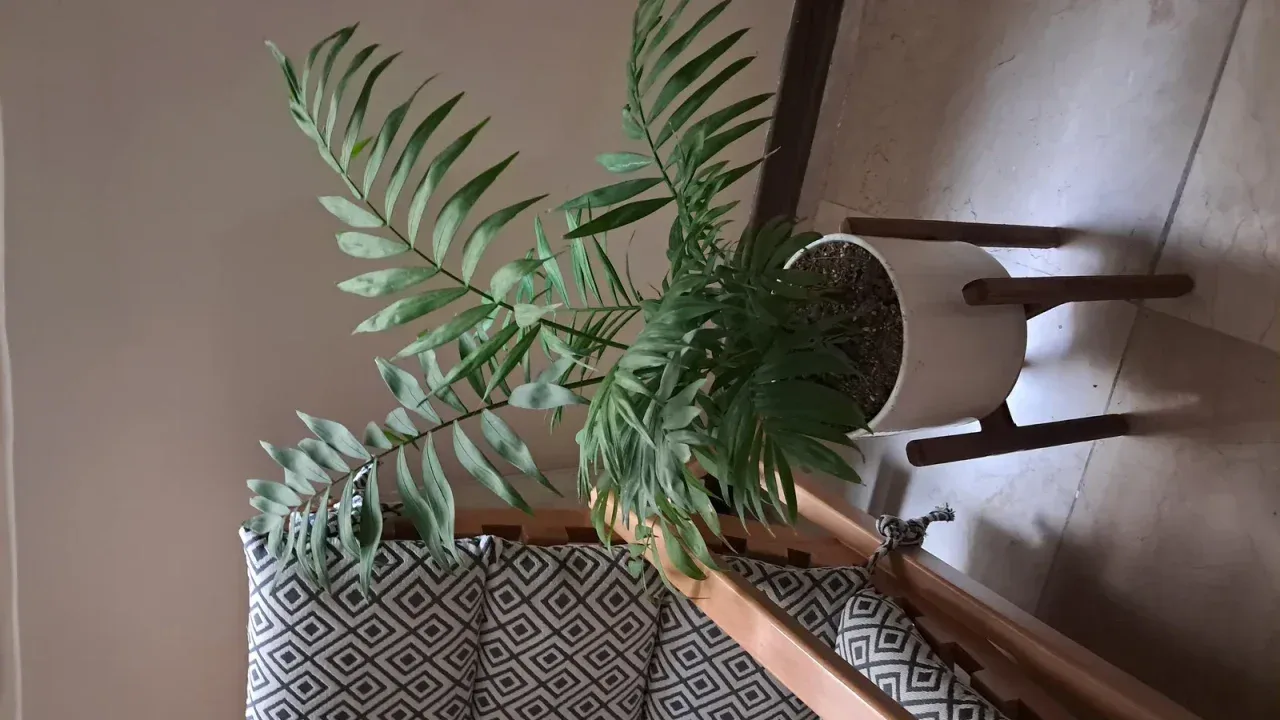
Parlor Palm Care Guide for Canada
A practical Canadian guide to parlor palm, with seasonal care, common problems, propagation and buying checks.
Read guide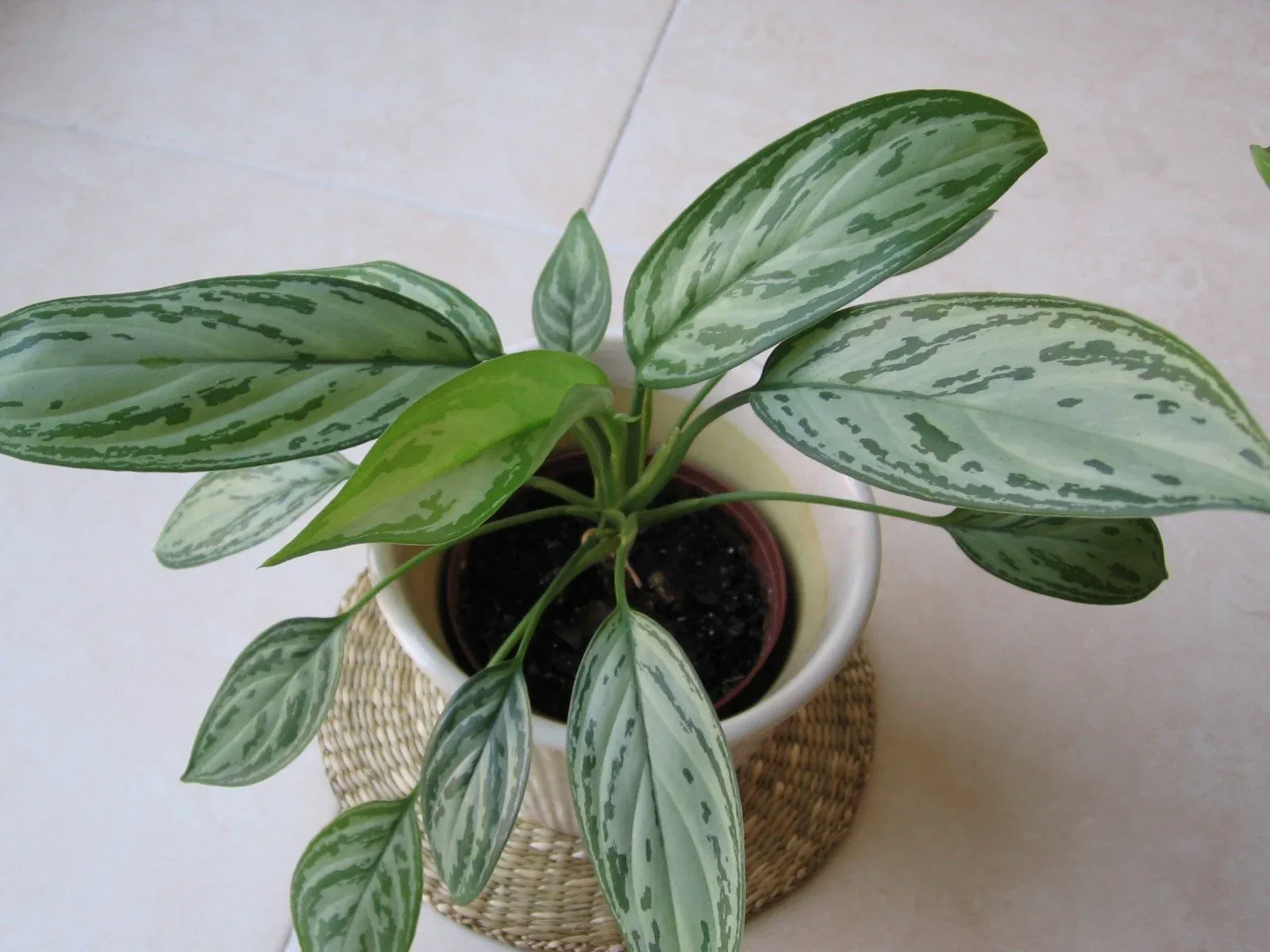
Top 10 "Air-Purifying" Plants for Canadian Apartments: What They Can and Can't Do
The famous 1989 NASA plant study doesn't translate to real homes: a 2019 review found you'd need 10 to 1,000 plants per square metre to match normal ventilation. Here is what plants can do, what really cleans apartment air, and 10 easy NASA-list plants.
Read guide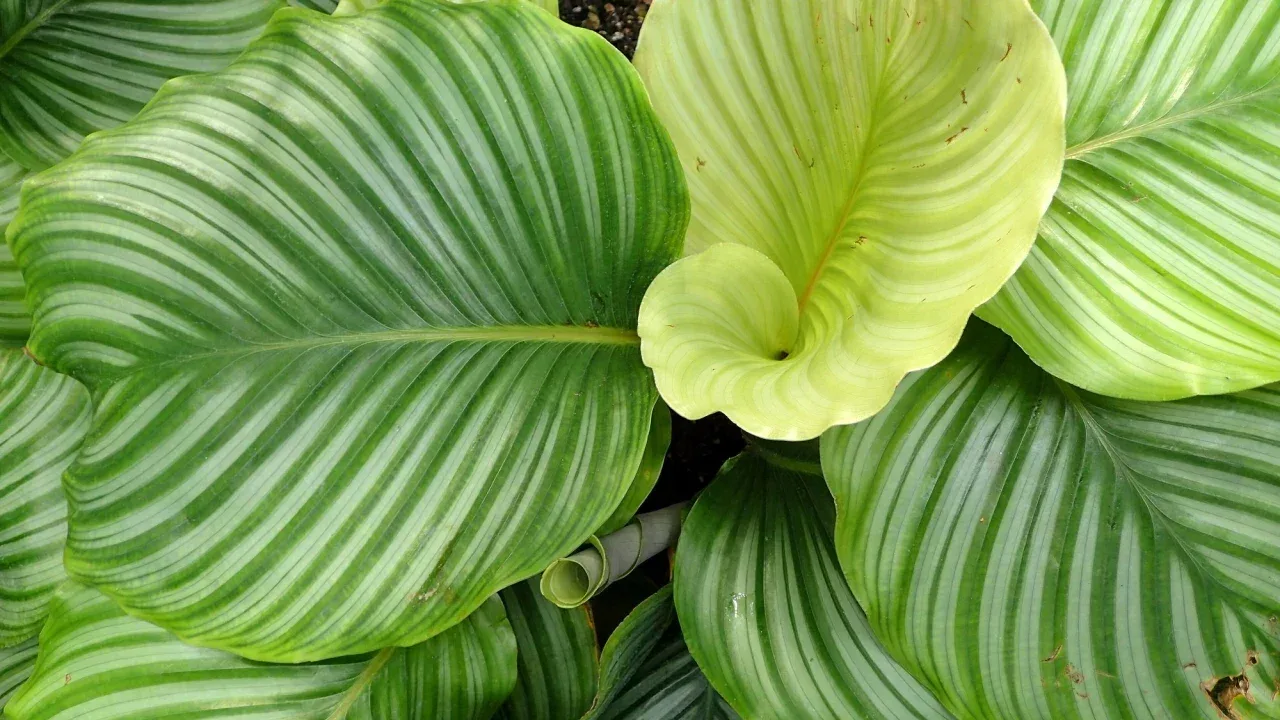
Top 10 Pet-Safe Houseplants for Canadian Homes
Snake plant, pothos and lilies are common in Canadian homes but toxic to pets. These 10 houseplants are listed as non-toxic to both cats and dogs by the ASPCA, and they cope with short days and dry winter air.
Read guide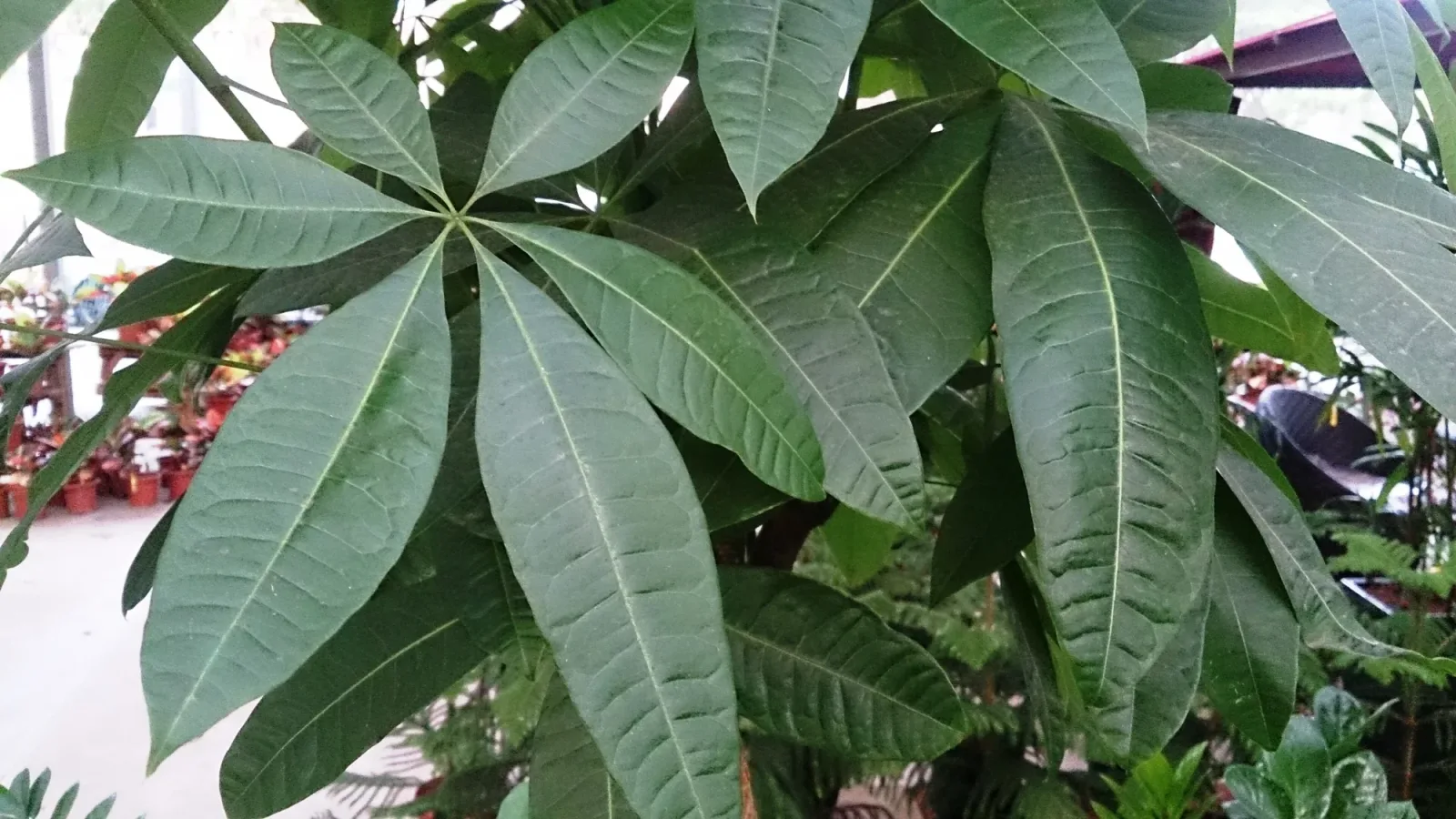
14 Pet-Safe Houseplants for Canadian Homes With Cats and Dogs
A spider plant, a parlor palm or a Christmas cactus is a solid start if you want houseplants in a home with cats or dogs. All fourteen plants below have a Canada profile and an ASPCA non-toxic listing. That is not the same as safe to eat.
Read guide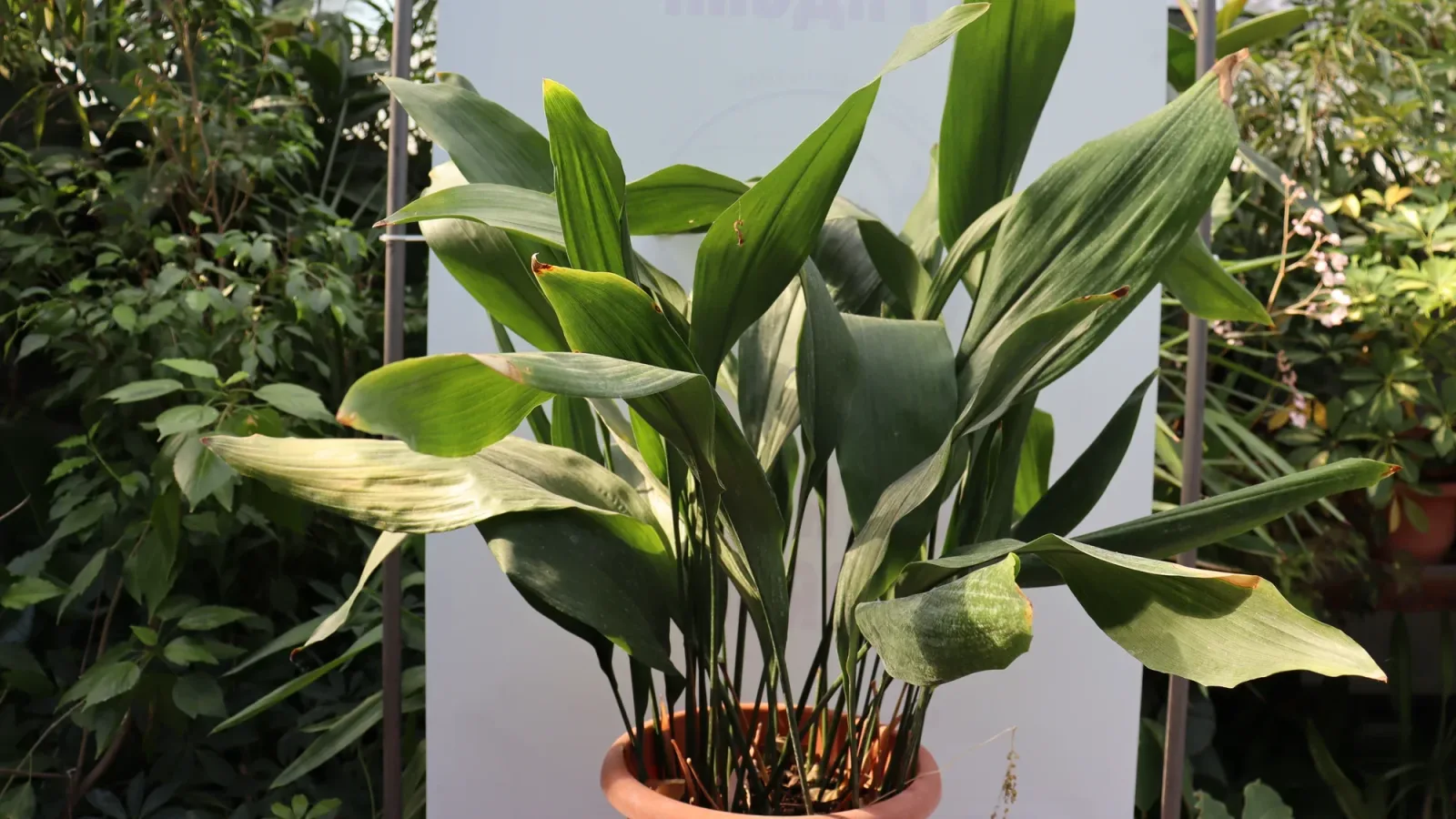
15 Low-Light Houseplants for Dim Canadian Winters
A cast-iron plant, a Chinese evergreen or a parlor palm is a realistic start in a dim Canadian winter room. Here are 15 plants with live Canada profiles, plus an honest note on a few that only pretend to like the dark.
Read guideQ&A
Frequently Asked Questions
Is parlor palm safe for cats?
Yes. The ASPCA lists Chamaedorea elegans as non-toxic to cats and dogs.
How often should I water parlor palm?
When the top 2–3 cm of soil is dry. Water less in winter.
Why are the tips brown?
Often dry furnace air or fluoride in tap water. Trim tips and improve humidity.
Can it live in a north-facing room?
Yes, better than most palms, but expect very slow growth. Brighter medium light is better.
Similar Botanical Matches
Keep exploring
Related plants
Grower field notes
Reader Field Notes in Canada
Share how this plant performs in your local Canada climate.