
Drooping Stems and Leaves
Causes and how to fix it
Reviewed by Mark Tremblay, BSc Environmental Biology, McGill; ISA Certified Arborist · Updated Nov 15, 2026
What you see
The plant looks collapsed. Leaves may be soft. Check the soil before you water — drooping in wet soil is not thirst.
Stems and leaves hang limp even though the plant was recently fine.
Seasonal timing (Canada)
Cold window sills in winter can collapse tropical plants overnight. Pull pots back 10–15 cm from the glass.
Likely causes
- Dry soil and thirsty roots
- Root rot (roots can no longer take up water even though the soil is wet)
- Cold draft or heat shock
How to confirm
Feel the soil 5 cm down. Bone dry: the plant needs a thorough soak. Wet and droopy: unpot and check roots for brown mush.
Step-by-step fix
- If the soil is dry, stand the pot in a basin of water for 20–30 minutes, then drain.
- If the soil is wet, slide the plant out and look at the roots. Brown, slimy roots mean root rot — follow the root-rot steps.
- Move the plant away from AC, heat vents and cold glass.
- Do not water a drooping plant until you know whether the soil is wet or dry.
What NOT to do
Do not water on sight of drooping alone. Wet soil plus drooping is a root problem, not thirst.
When to give up or take a cutting
If most roots are gone, or the stem is soft all the way through, take a few healthy stem cuttings and root them instead of waiting on a plant that cannot drink.
Looks like
- Overwatering — Soil stays wet, leaves yellow or droop, and the pot feels heavy.
- Underwatering — Soil is bone dry and leaves are crispy, curled or dull.
- Root Rot — Roots turn brown and mushy in soil that stays wet.
- Cold and Draft Damage — Dark, water-soaked or blackened patches after a cold night or an AC blast.
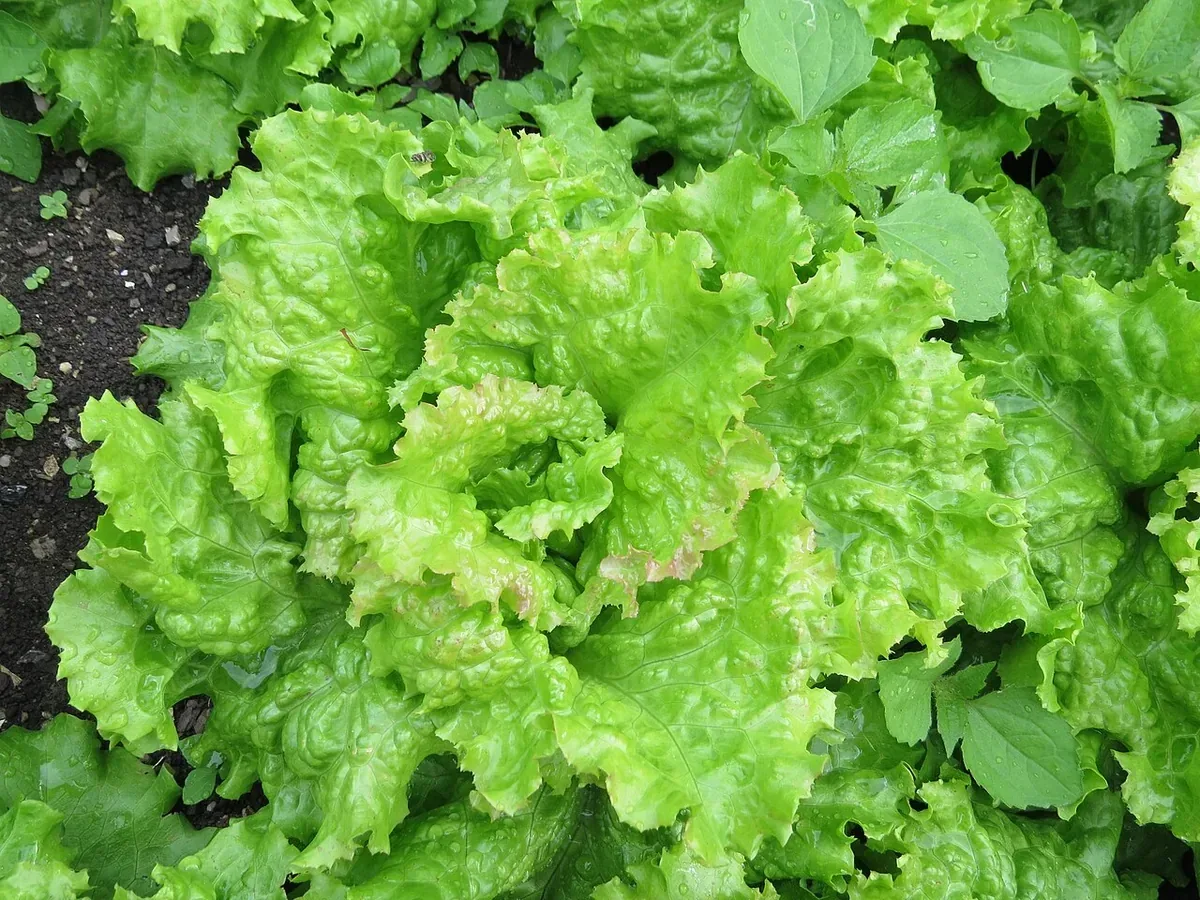
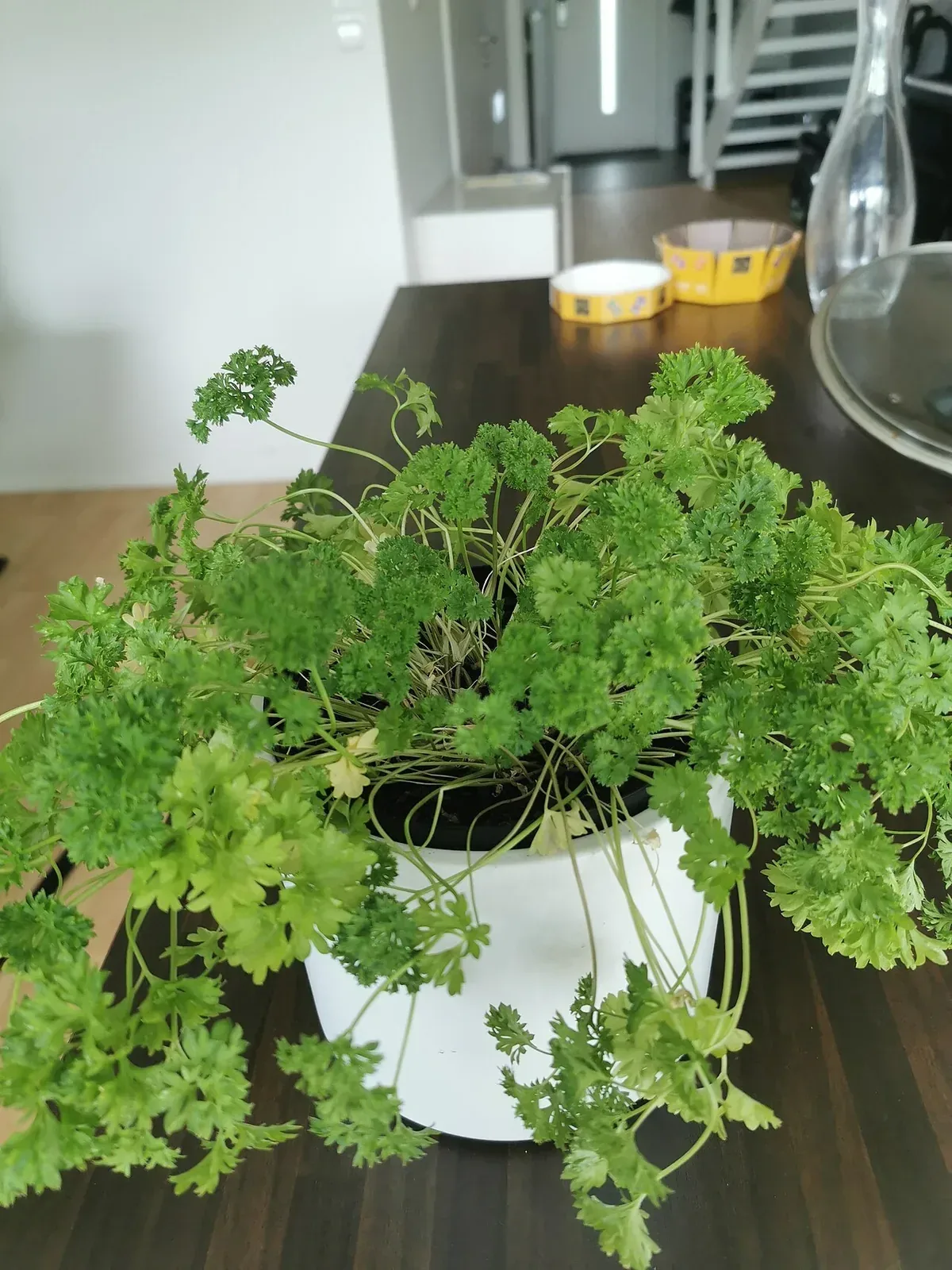
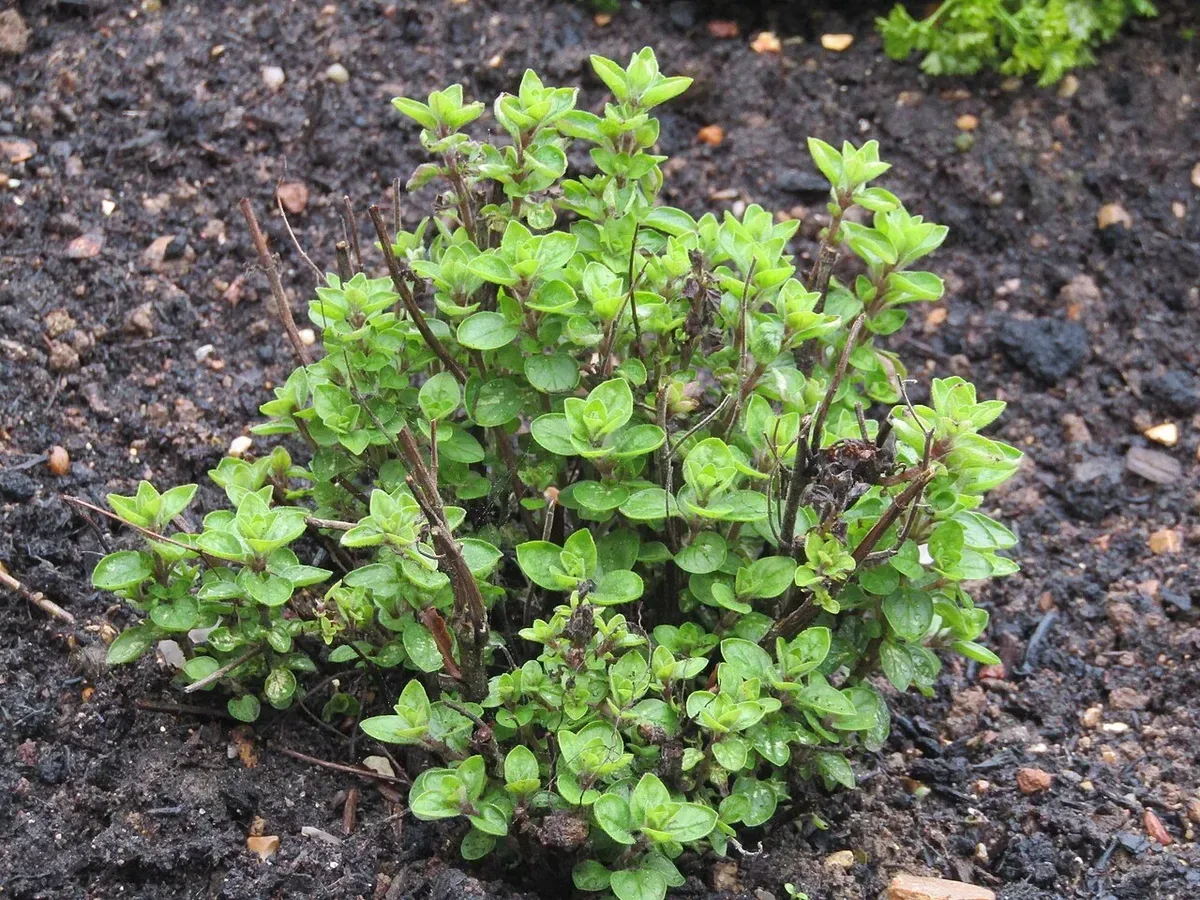
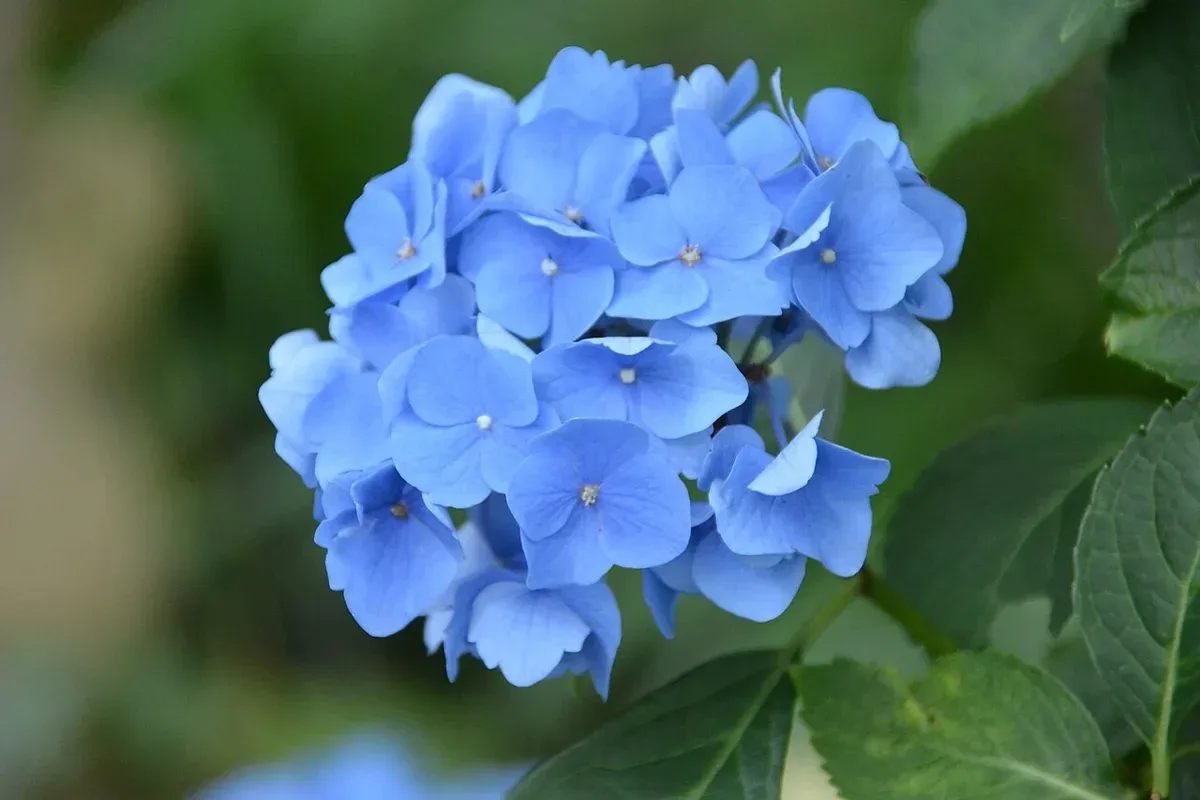
Plants commonly affected
Related guides
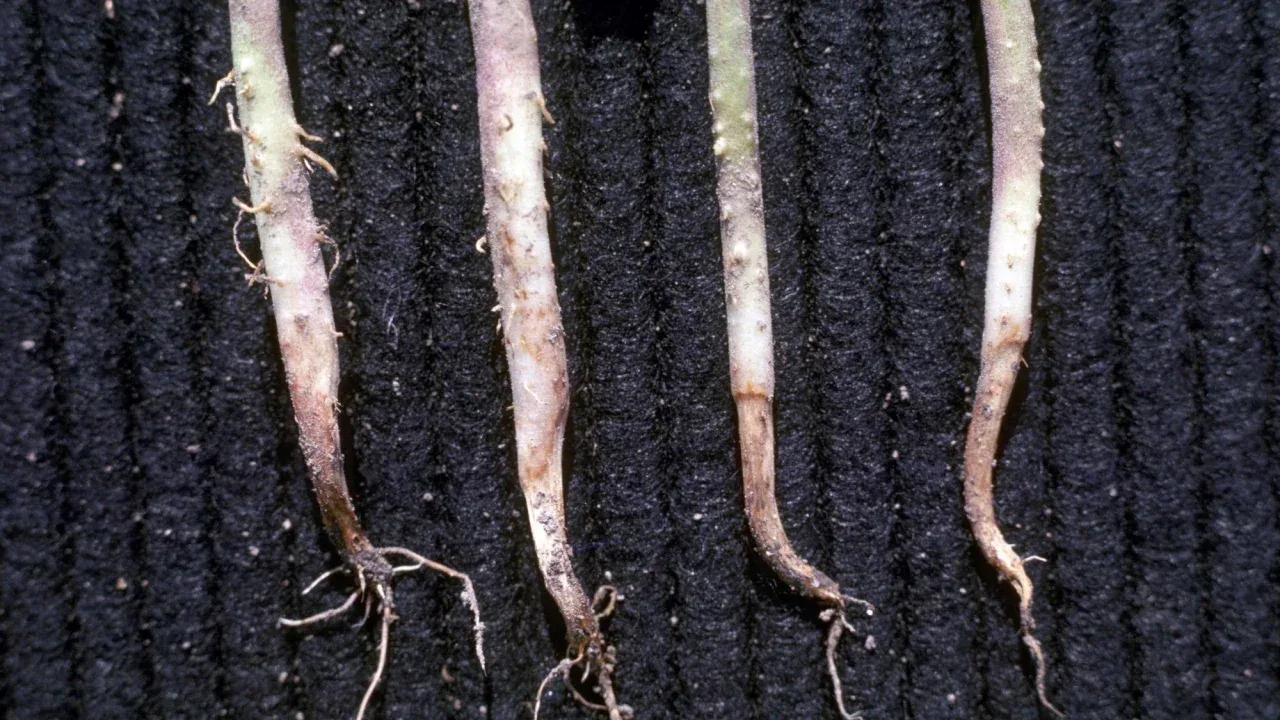
Root Rot in Houseplants and Garden Plants: Causes, Signs and How to Rescue Them
A plant that wilts in wet soil often has root rot. Learn what causes it, how to tell rotted roots from healthy ones, a step-by-step rescue for houseplants, and how to prevent root rot in pots and Canadian garden beds.
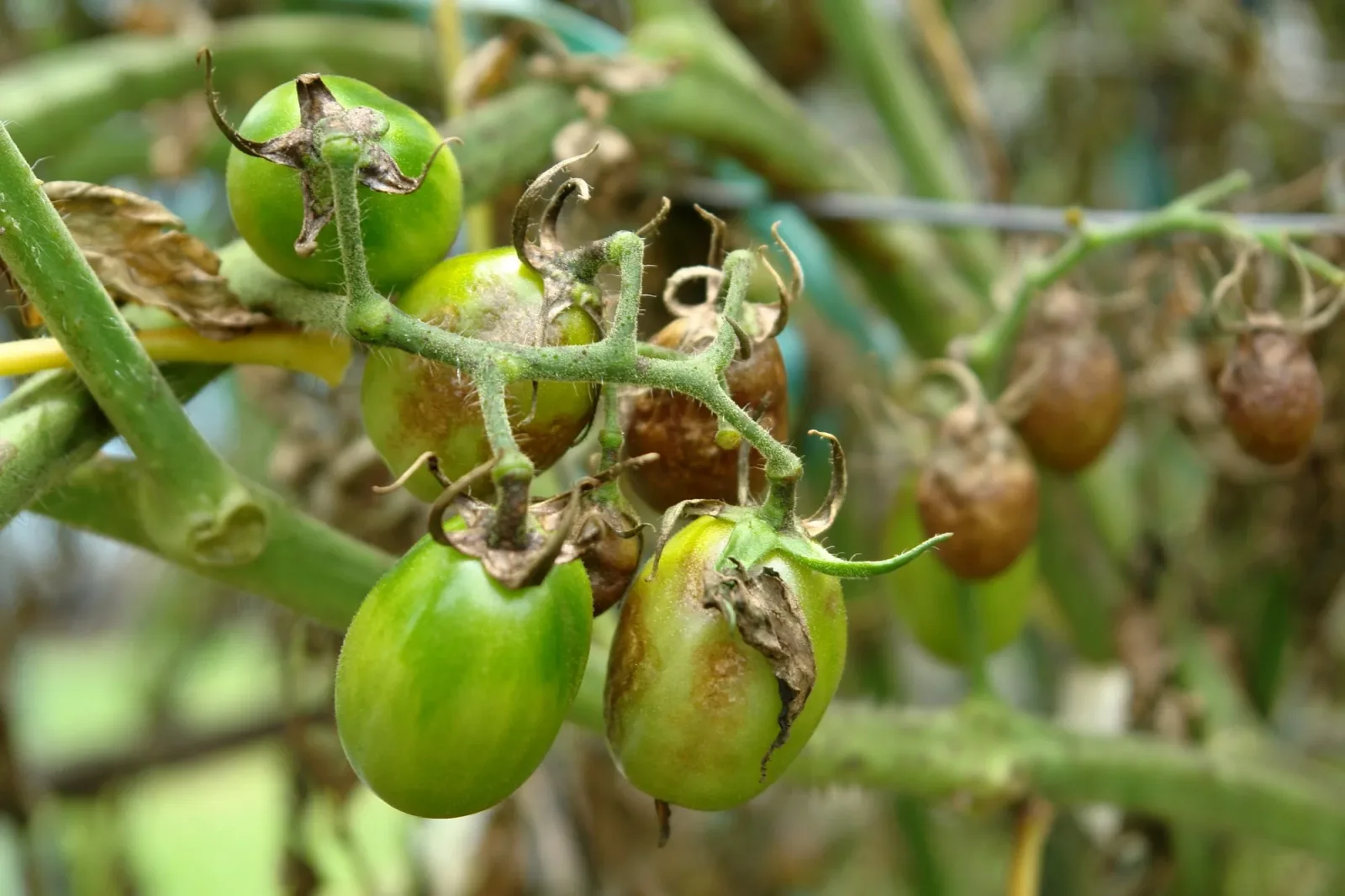
Late Blight on Tomatoes and Potatoes in Canada: Identify, Prevent and Act Fast
Late blight can wipe out tomatoes and potatoes within days in cool, wet weather. Learn how to identify it, how it differs from early blight, how Canadian provinces and CFIA recommend preventing it, and what to do the day you find it.
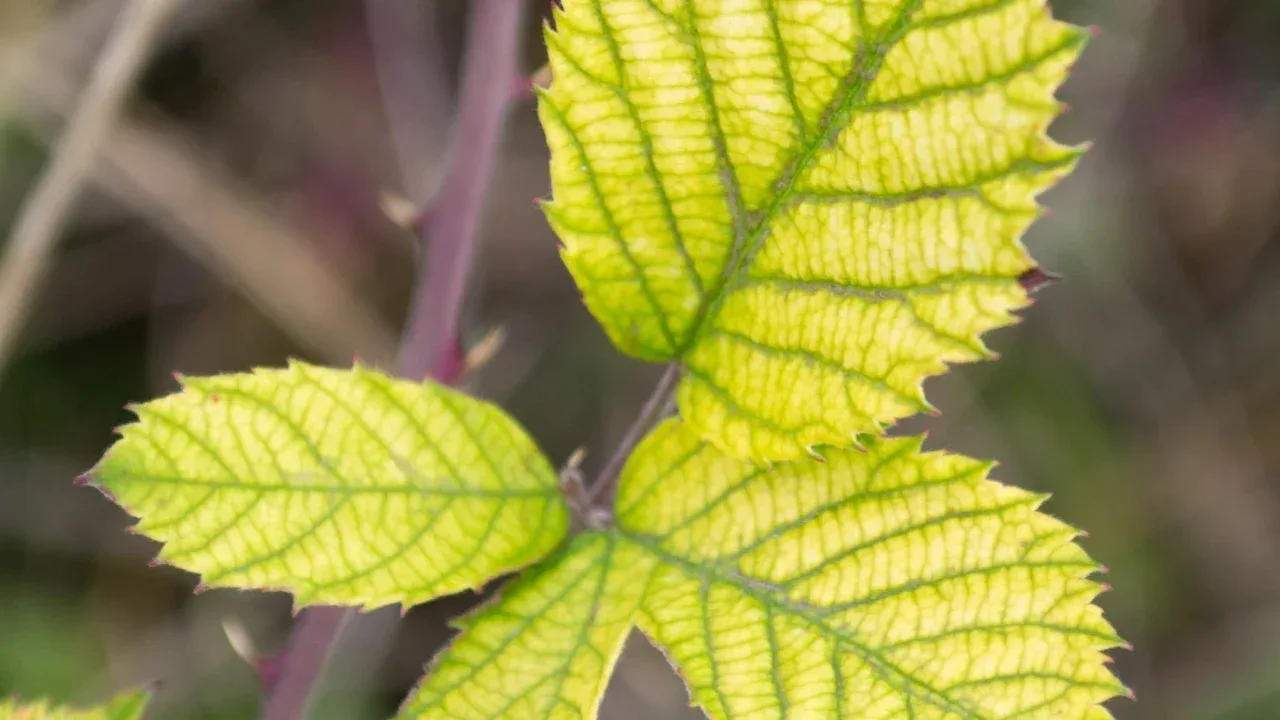
Yellow Leaves on Plants: What's Causing It and How to Fix It
Yellow leaves are a symptom, not a diagnosis. Learn to read the pattern, from lower leaves yellowing after overwatering to new growth yellowing between green veins on the Prairies, and how to fix the most common causes indoors and in Canadian gardens.
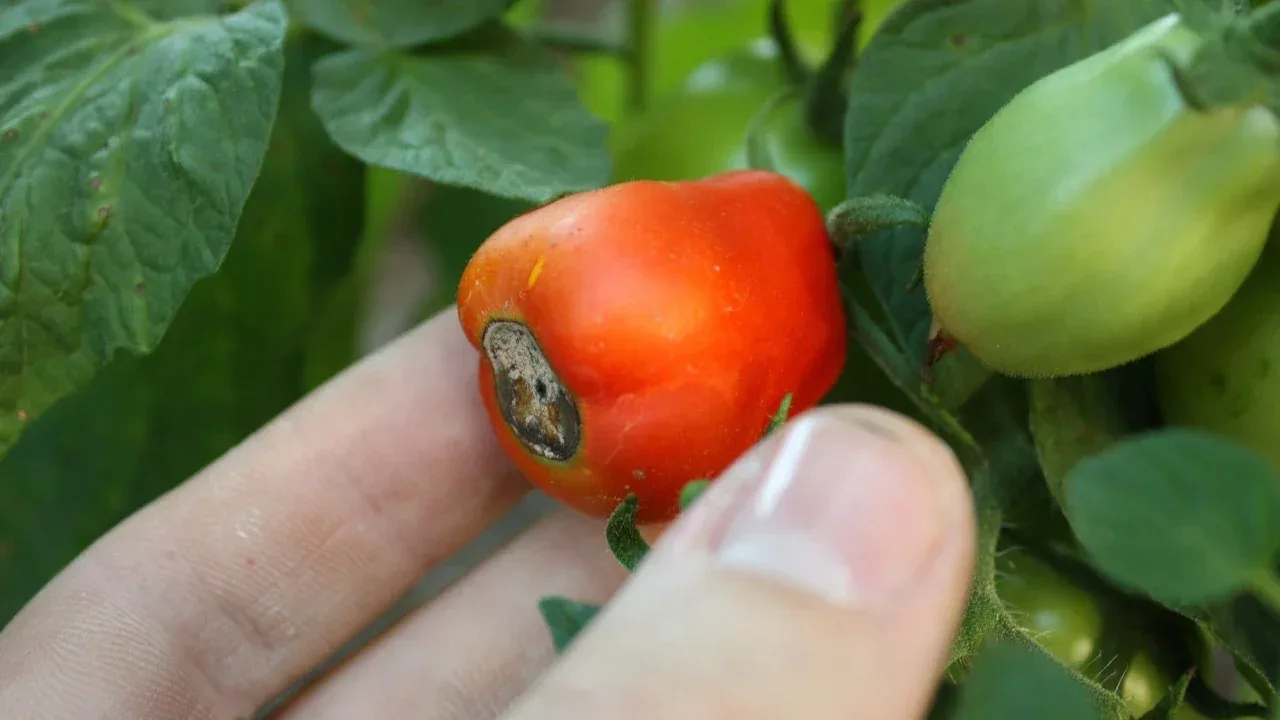
Plant Problem Diagnosis Guide: From Symptom to Cause to Fix
A step-by-step way to diagnose plant problems in Canada, with symptom tables that point from yellow leaves, spots, holes, wilting and winter browning to the likely cause and the GardenOrbit guide that fixes it.
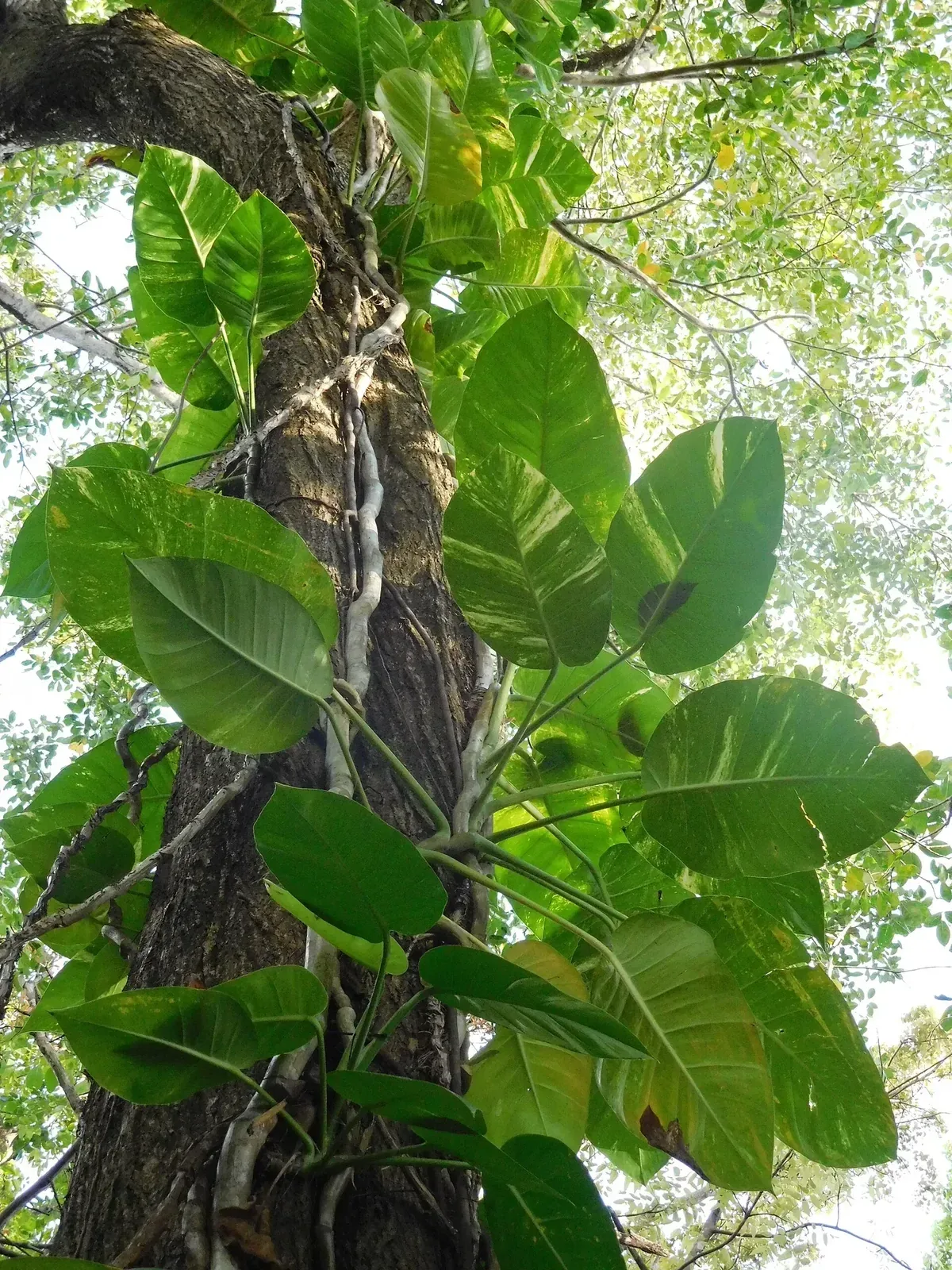
Pothos Yellow Leaves in Winter: Water, Light or Cold Window?
A yellow pothos leaf in winter is usually about water, light or cold. These checks show which one, and what to change before more leaves go.
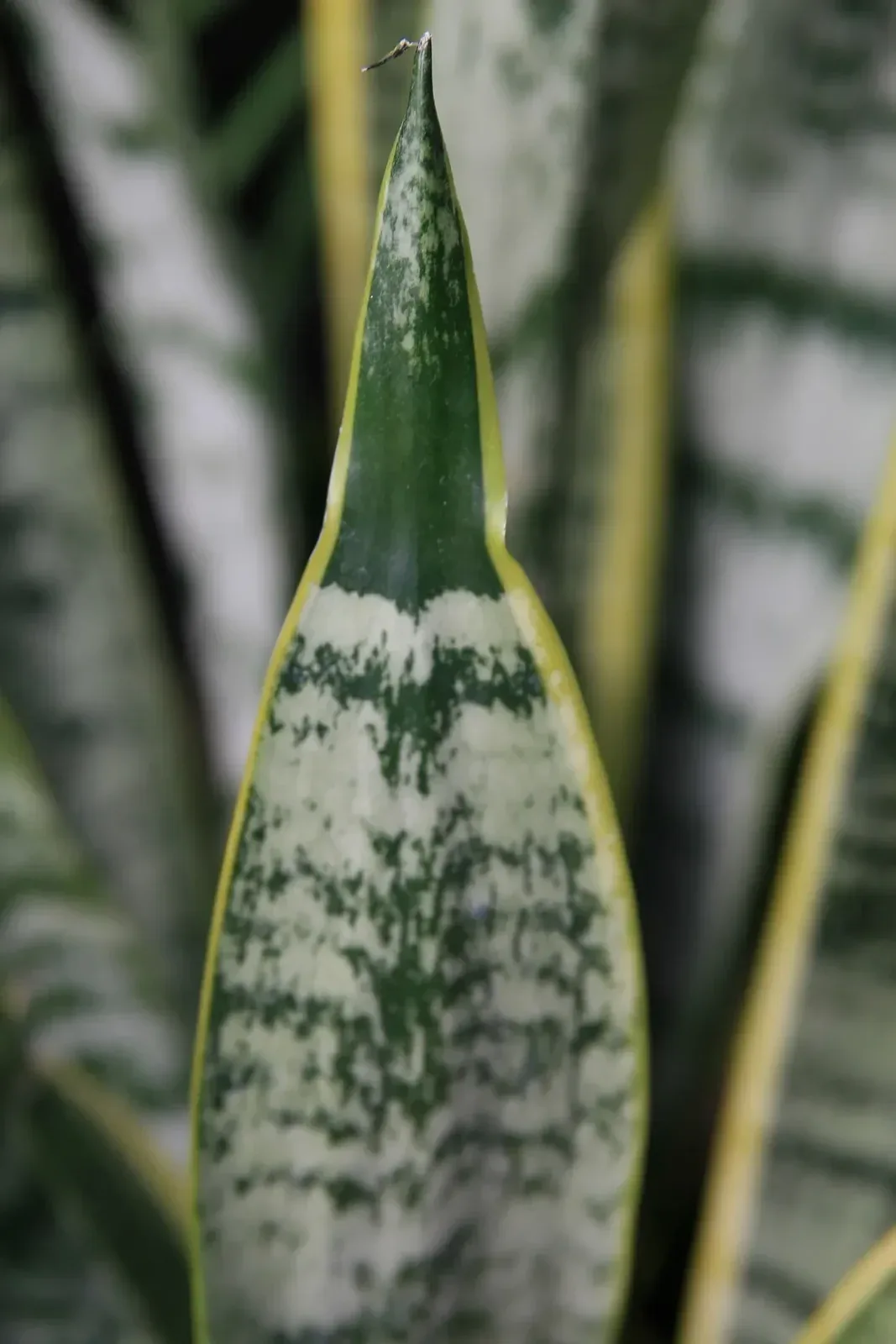
Snake Plant Soft Leaves in Winter: How to Check for Overwatering
Soft snake plant leaves in winter usually mean too much water in a cool, dim room. Here is how to check, what to cut, and how to save what is left.
FAQ
Why is it drooping after I watered?
The roots may already be damaged. Unpot and check. Watering more will not help.
Sources: www.rhs.org.uk (accessed 2026-11-10)