
| ☀️ Light | Full sun |
|---|---|
| 💧 Water | Low (allow soil to dry) |
| 🪴 Soil | Poor to average, gritty, well-drained soil or loam-based potting mix with added grit |
| 🌡️ Temp | -29°C – 38°C |
| 🐾 Safety | Cats: toxic · Dogs: toxic |
| 📏 Mature size | 60 cm |
Where It Grows & Climate Tolerance
Pet & Companion Animal Toxicity (Oregano)
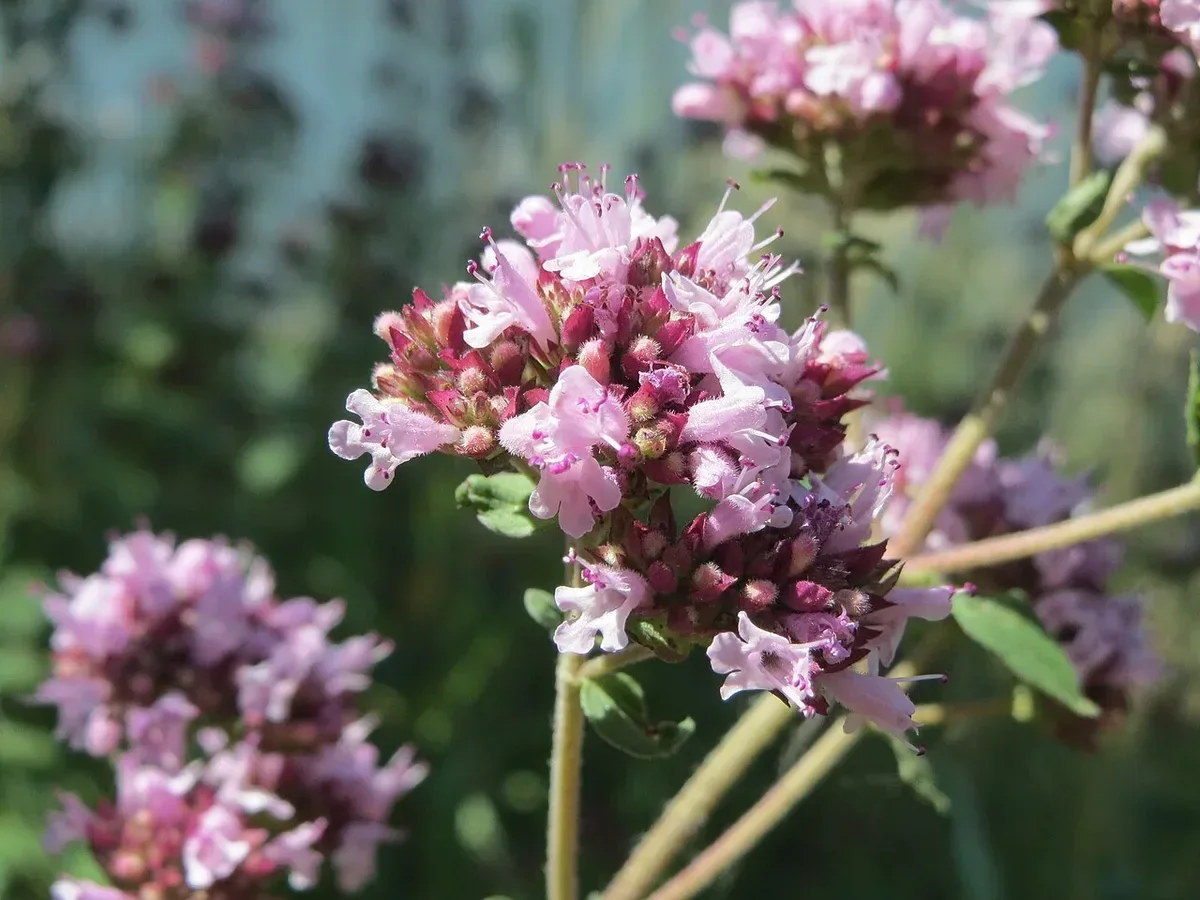
Oregano (Origanum vulgare) is a bushy perennial herb in the mint family, grown for its strongly scented leaves. It likes sun, poor to average soil and sharp drainage, and it gets by on little water once settled. Greek oregano is the type most cooks want.
Care instructions
Care Guide & Maintenance Routine
Plant in full sun in gritty, free-draining soil or a terracotta pot. Water only when the top few centimetres are dry. Pick sprigs often, shear the plant before it flowers for the best flavour, and cut faded flower stems back. Wet, heavy soil is the main thing that kills it.
Light & Sunlight
NC State Extension and the RHS both call for full sun. Golden-leaved forms such as 'Aureum' scorch in strong sun, and NC State suggests some shade for them in the hottest part of the day. Indoors it needs the brightest window you have or a grow light.
Watering Schedule
NC State lists dry to medium moisture with good drainage and says oregano tolerates drought. Let the top of the soil dry out between waterings. Pots need water more often than beds, but never leave them standing in a saucer.
Potting Mix & Drainage
Poor to average, gritty, well-drained soil or loam-based potting mix with added grit
Temperature & Humidity
NC State rates Origanum vulgare for USDA zones 4 to 8, so established plants are winter hardy in cold climates when the soil drains well. USDA zone 4 winter lows run from about -34 to -29°C, so -29°C is used here as a cautious minimum, not a tested limit. NC State also notes it tolerates heat; the 38°C figure reflects heat tolerance when roots are not waterlogged.
About oregano
Oregano (Origanum vulgare) is a woody-based perennial herb in the mint family. NC State Extension describes it as native to Europe and Asia, growing up to about 90 cm tall and 60 cm wide. The leaves are used fresh or dried in tomato sauces, meat dishes and vegetables, and the flowers are edible but milder.
The name comes from Greek words for "mountain" and "beauty". In the wild it grows on dry, sunny slopes, and that tells you most of what it needs in a garden: sun, air and soil that never stays wet.
Types to know
- Greek oregano (O. vulgare subsp. hirtum): the standard culinary type, with white flowers and a strong, peppery smell.
- Common oregano (O. vulgare): pink to purple flowers; flavour varies from plant to plant, so buy by taste.
- 'Aureum' or golden oregano: yellow leaves, mild taste, grown mostly as an ornamental edging.
Sweet marjoram (O. majorana) is a close relative with a softer taste and less cold tolerance.
Light, soil and water
Give it full sun. NC State lists sandy loams and dry to medium moisture with good drainage as ideal, and notes it tolerates heat and drought. Rich soil and frequent feeding make soft growth with weaker flavour, so keep it lean.
In containers, use a loam-based mix with grit added and a pot with large drainage holes. Water deeply, then wait until the top few centimetres are dry. Overwatering causes far more losses than drought.
Harvesting and pruning
Snip sprigs as you need them. NC State says the best leaf flavour comes just before flowering, and recommends shearing the plant regularly before it blooms to keep it tidy and leafy. If you let it flower for the bees, cut the faded stems back afterwards.
Old clumps go woody and bare in the middle. Divide them every two or three years in spring, or after flowering in late summer, as the RHS suggests.
Starting new plants
Seedlings vary a lot in flavour, which is why many gardeners take cuttings from a plant they like. Softwood cuttings root easily in summer, and rooted stems at the edge of a clump can be dug and potted up. Seed is fine for ornamental forms.
Pests and problems
NC State lists aphids, leaf miners and spider mites, and notes root rot in wet, poorly drained soils. Spider mites mostly show up on indoor plants in dry, heated rooms as fine yellow speckling under the leaves.
Pet safety
ASPCA lists oregano (O. vulgare hirtum) as toxic to dogs, cats and horses, with mild vomiting and diarrhea as the usual signs. Keep pots out of reach of pets that chew plants.
Oregano pairs well with other sun-loving herbs such as rosemary and thyme. It is not the same as the thick-leaved "ajwain patta" sold in Indian nurseries, which is Indian borage (Coleus amboinicus).
Buying tips
Rub a leaf and smell it before you buy. Plants raised from seed sold simply as oregano can be mild and grassy, while good Greek oregano (Origanum vulgare subsp. hirtum) smells sharp and peppery. Pick a compact plant with green growth right down to the base and no yellow, soggy stems. If roots are circling the pot, loosen them gently when planting.
Watering through the year
Growing season
Water when the top 2 to 3 cm of soil is dry. Plants in the ground need little once settled; the RHS notes that pot-grown oregano needs occasional watering because containers dry out faster.
Long wet spells
This is when oregano is most likely to die. Grow it in a raised bed or a pot with extra grit, and never leave a saucer full of water under the pot.
Cold, dormant months
Garden plants need no water. Keep pots barely moist and out of standing water.
Feeding
Lean soil gives the strongest flavour. Plants in the ground rarely need feeding. In pots, a light balanced feed once or twice in summer, used as the label says, is plenty. Rich soil and heavy feeding give soft, lush growth with less taste.
Troubleshooting
Yellow lower leaves and limp stems
Usually wet roots. NC State lists root rot as a risk in poorly drained soil. Let the soil dry, improve drainage and repot into a gritty mix if needed.
Sparse, stretched growth
Too little sun. Move it to the brightest spot you have and cut it back to encourage bushier shoots.
Orange or dusty spots on leaves
Possibly rust. The RHS lists mint rust, which affects marjoram and other relatives. Remove affected shoots and keep the plant open to air.
Little flavour
The plant may be a mild seed-grown type, or growing in shade or rich soil. Replace it with a cutting from a plant whose taste you like.
Woody, bare centre
Older clumps get tired. The RHS suggests dividing clumps in spring or after flowering in late summer to early autumn.
Uses
Oregano is used fresh or dried. Dried leaves are more concentrated and suit tomato sauces, pizza, grilled vegetables and bean dishes. Fresh leaves are milder and good in salads and marinades. NC State notes the flowers draw many bees and other pollinators, so leave a few plants to bloom if you can spare the leaves.
Common mistakes
- Planting in heavy, wet soil or a pot with no drainage hole.
- Watering on a fixed daily schedule.
- Feeding too much, which weakens flavour.
- Never cutting it back, so it turns woody and floppy.
- Buying an unnamed plant without smelling the leaves first.
India and Canada in brief
In India oregano does best through the cooler, drier months and at higher elevations, and long rains are the hardest time. In Canada it comes back each year in most southern gardens and asks for little beyond sun and sharp drainage.
Drying and storing
The RHS suggests hanging leafy sprigs to dry in a dark, well-ventilated place. Tie small bunches with string, hang them upside down for one to two weeks, then rub the dry leaves off the stems and store them in an airtight jar away from light. Cut for drying on a dry morning, just before the flowers open, when NC State says the leaf flavour is strongest.
Good companions
Oregano grows well with other sun-loving herbs such as thyme, sage and rosemary, which want the same lean soil and dry roots. The RHS warns not to let it be smothered by vigorous neighbours or buried by fallen leaves.
Seasonal rhythm
Seasonal Calendar
A month-by-month calendar for Oregano in Global is coming soon. See the light, water and temperature notes above.
Diagnostics
Common Problems & Troubleshooting
Root rot and collapse in waterlogged soil; leggy, pale growth in shade; bland flavour from rich soil or heavy feeding; spider mite speckling on indoor plants; woody, bare centre on old clumps.
Pests & seasonal watch: NC State lists aphids, leaf miners and spider mites. Root rot occurs in wet, poorly drained soil. Spider mites are most likely on plants kept indoors in dry, warm rooms.
Care encyclopedia · 1 guide
Guides & Articles for Oregano
Q&A
Frequently Asked Questions
Which oregano is best for cooking?
NC State calls Greek oregano (Origanum vulgare subsp. hirtum) the standard culinary oregano. Ornamental types such as 'Aureum' are milder. Taste a leaf before you buy.
When should I harvest oregano?
Pick sprigs any time from late spring to autumn. Flavour is strongest just before the plant flowers, which is the best time to cut a larger bunch for drying.
How do I dry oregano?
Cut stems in the morning once dew has dried, tie small bunches and hang them in a dry, airy, shaded place. Strip the leaves when crisp and store them in an airtight jar.
Why is my oregano dying in the pot?
The most common cause is wet roots. Oregano needs fast drainage, so use a gritty mix, a pot with holes and water only when the top of the soil is dry.
Can I grow oregano indoors?
Yes, on a very bright, sunny windowsill or under a grow light. Indoor plants grow more slowly and need less water in winter.
Is oregano safe for pets?
ASPCA lists oregano (Origanum vulgare hirtum) as toxic to dogs, cats and horses. Signs are usually mild vomiting and diarrhea. Keep pots where pets cannot chew them.
Is oregano the same as marjoram?
No. Sweet marjoram is Origanum majorana, a related but more tender plant with a sweeter, milder taste.
Does oregano come back every year?
Yes, it is a perennial. In cold winters the top dies back and new shoots grow from the base in spring, provided the soil was not waterlogged.
Why does my oregano have no flavour?
Common seed-grown oregano can be mild. Shade, rich soil and heavy feeding also dull the taste. Grow Greek oregano in full sun and lean soil, and harvest just before flowering, when NC State says flavour is best.
Similar Botanical Matches
Keep exploring
Related plants
Grower field notes
Reader Field Notes in Global
Share how this plant performs in your local Global climate.