
| ☀️ Light | Bright indirect light |
|---|---|
| 💧 Water | Moderate (lightly moist) |
| 🪴 Soil | Rich, porous, slightly acidic fern or houseplant mix with bark or grit for drainage |
| 🌡️ Temp | 16°C – 27°C |
| 🐾 Safety | Cats: not verified · Dogs: not verified |
| 📏 Mature size | 90 cm |
Where It Grows & Climate Tolerance
Pet & Companion Animal Toxicity (Bird's Nest Fern)
Not yet verified: Toxicity status for cats, dogs, and horses has not yet been confirmed against veterinary poison-control records. Keep out of reach of pets or consult your veterinarian.
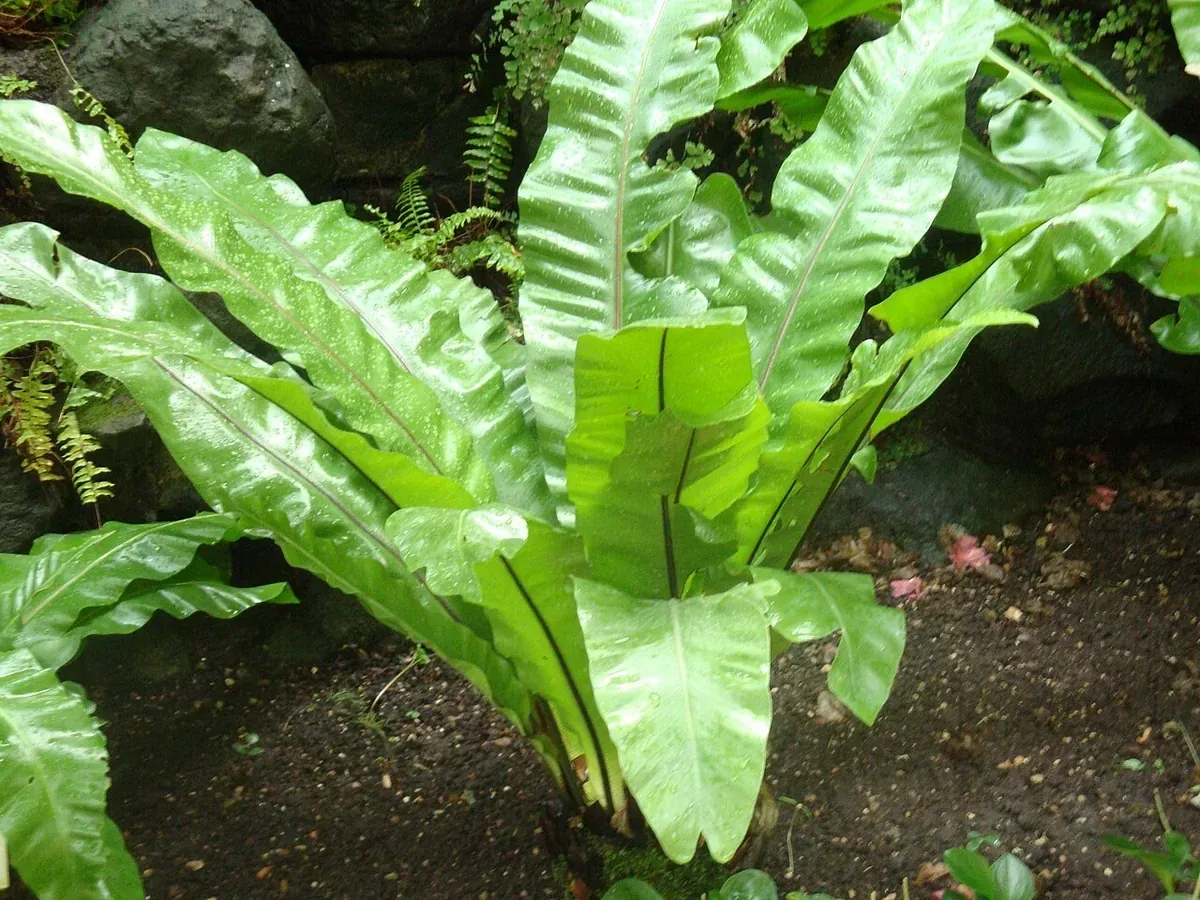
Bird's nest fern (Asplenium nidus) is a tropical fern with wide, glossy, wavy fronds that grow from a central rosette like a nest. It suits bright rooms without direct sun, warm temperatures and steady moisture, and it is a slow grower that rarely needs repotting.
Care instructions
Care Guide & Maintenance Routine
Bright, indirect light or light shade, such as a north window. Keep the mix moist but not soggy and water around the edge of the pot, not into the centre. Keep it above about 16°C where possible and away from heaters, AC vents and cold drafts. Handle fronds gently and avoid chemical insecticide sprays.
Light & Sunlight
NC State Extension says bright light or light shade suits it, such as a north-facing window, and too much sun can turn the fronds yellow or stop growth. The RHS also recommends bright indirect light.
Watering Schedule
Keep the compost moist but not soggy, as the RHS advises. Water around the edge of the pot so water does not sit in the central rosette, where new fronds unfurl. Water less in cool months.
Potting Mix & Drainage
Rich, porous, slightly acidic fern or houseplant mix with bark or grit for drainage
Temperature & Humidity
NC State gives 16 to 21°C (60 to 70°F) as ideal and says it will not survive below about 4°C. The 16°C minimum is the low end of the ideal range. The 27°C maximum is a comfort guide: above that, give extra humidity and shade.
About bird's nest fern
Bird's nest fern, Asplenium nidus, is a rainforest fern that usually grows on tree trunks and branches rather than in soil. NC State Extension describes it as native to Indonesia, Malaysia, New Guinea and tropical Australia. Its fronds are undivided, bright green and glossy, with a dark midrib and wavy edges, which is why people often compare them to banana leaves. They grow from a central rosette that catches falling leaves and debris. As that material breaks down, it feeds the plant.
Indoors it is a slow, tidy plant that suits bathrooms, kitchens and bright rooms without direct sun.
Types and buying tips
Nurseries sell the plain species and several selections with crinkled or narrow fronds, sometimes sold under names like 'Crispy Wave' or 'Osaka'. Labels are not always accurate, so judge the plant itself.
Choose one with a firm, clean centre and new fronds coiled in the middle. Avoid plants with a soft or brown centre, brown patches spreading between the veins, or raised bumps along the midrib. Because fronds are fragile, carry it home upright and shielded from wind.
Planting and soil mix
NC State recommends a rich, moist, porous soil such as a fern mix. The RHS suggests three parts multipurpose compost to one part loam-based compost with some grit. A practical version is good houseplant mix with a quarter part orchid bark or grit added. Use a wide, heavy pot with a drainage hole, because a big plant can tip a light pot.
It grows slowly and does not need frequent repotting. Every two to three years in spring is enough, or when roots fill the pot.
Light
Bright, indirect light or light shade is ideal. NC State mentions a north-facing window as suitable and warns that too much sun can turn the fronds yellow or stop growth. An east window with morning light works too. Keep it out of hot afternoon sun.
Watering through the seasons
Pour water onto the soil around the edge of the pot rather than into the rosette. Water sitting in the centre for days can rot the young fronds.
Warm months
Check the mix every few days. Water when the surface begins to dry, and let extra water drain away.
Rainy season
Humidity is high and the mix dries slowly. Water less often, and make sure there is some airflow around the plant to prevent leaf spots.
Cool months
Growth slows almost to a stop. Water sparingly but do not let the pot dry out completely. In heated homes the mix can still dry quickly.
Humidity and temperature
NC State gives 16 to 21°C as ideal and says the plant will not survive below about 4°C. It also does not tolerate dry conditions. A tray of wet pebbles under the pot, grouping with other plants, or a spot in a bright bathroom all help. Keep it away from heaters, AC vents and cold drafts, which brown the frond edges.
Feeding
Feed with a balanced liquid fertiliser diluted to half strength once a month during the main growing season. The RHS uses that rate from May to August in the UK. Stop feeding in the cool months. Brown tips on new fronds can be a sign of too much fertiliser.
Pruning and propagation
There is little to prune. Remove old or damaged fronds at the base with clean scissors and leave the centre alone. The RHS lists division and spores as ways to propagate. Most home plants have one crown and cannot be divided. Spores form in brown lines under mature fronds, but raising new plants from them takes a long time and steady warmth.
Troubleshooting
Brown, crispy frond edges
Step 1: Feel the mix. If it dried out completely, water more regularly. Step 2: Look at where the plant sits. A heater, AC vent or draughty door nearby is a likely cause. Step 3: Check whether the brown is only at the edges (dry air) or spreading inward between veins (see below). More causes are covered in brown leaf tips.
Brown patches spreading between the veins
Angular brown areas bounded by veins can point to leaf nematodes, which NC State lists as a problem, or bacterial leaf disease. Remove affected fronds, avoid wetting the leaves when watering, and keep the plant apart from other ferns.
Yellowing fronds
Ask whether the plant gets direct sun. If yes, move it back. If not, check for soggy mix and a blocked drainage hole. Yellowing older fronds at the base are normal from time to time.
Soft or dark centre
This is rot in the rosette, usually from water sitting in it or cold, wet conditions. Stop watering into the centre, let the mix dry slightly, and improve airflow. A badly rotted crown does not recover.
Bumps along the midrib
Scrape one gently with a fingernail. If it lifts off, it is scale. Neat brown lines under mature fronds that do not scrape off are spore cases. Remove scale by hand with a damp cloth. NC State notes this fern is sensitive to chemical insecticides, so avoid sprays.
Uses
Indoors it works as a table or floor plant in bright rooms and bathrooms. Our best plants for bathrooms guide lists similar choices. In frost-free tropical gardens it is planted in shaded beds, hanging baskets or tied onto tree trunks.
Safety and pets
We could not find an ASPCA listing for Asplenium nidus, and NC State gives no poison information for it. We have marked pet safety as not verified rather than guessing. Keep it out of reach if your pets chew leaves, and contact your vet if a pet eats a large amount of any plant.
Common mistakes
- Pouring water into the centre of the rosette.
- Placing it in direct afternoon sun.
- Spraying chemical insecticides on the fronds.
- Repotting into a much larger pot that stays wet.
- Handling or bumping the fronds, which crease and bruise easily.
India and Canada in brief
In southern and coastal India it can grow outdoors in shade all year and enjoys the monsoon humidity. In the northern plains it needs shelter from winter cold and dry summer heat. In Canada it is strictly an indoor plant; the hard part is dry winter air from heating, so a pebble tray and a spot away from vents make a big difference.
Seasonal rhythm
Seasonal Calendar
A month-by-month calendar for Bird's Nest Fern in Global is coming soon. See the light, water and temperature notes above.
Diagnostics
Common Problems & Troubleshooting
Brown, crispy frond edges from dry air or drafts; yellowing fronds from too much sun or overwatering; rotting centre from water sitting in the rosette; brown patches spreading between veins from leaf nematodes or bacterial disease; scale along the midrib.
Pests & seasonal watch: NC State lists scale, mealybugs, slugs and snails, bacterial leaf diseases and leaf nematodes. It is also sensitive to chemical insecticides, so remove pests by hand or with a damp cloth.
Care encyclopedia · 2 guides
Guides & Articles for Bird's Nest Fern
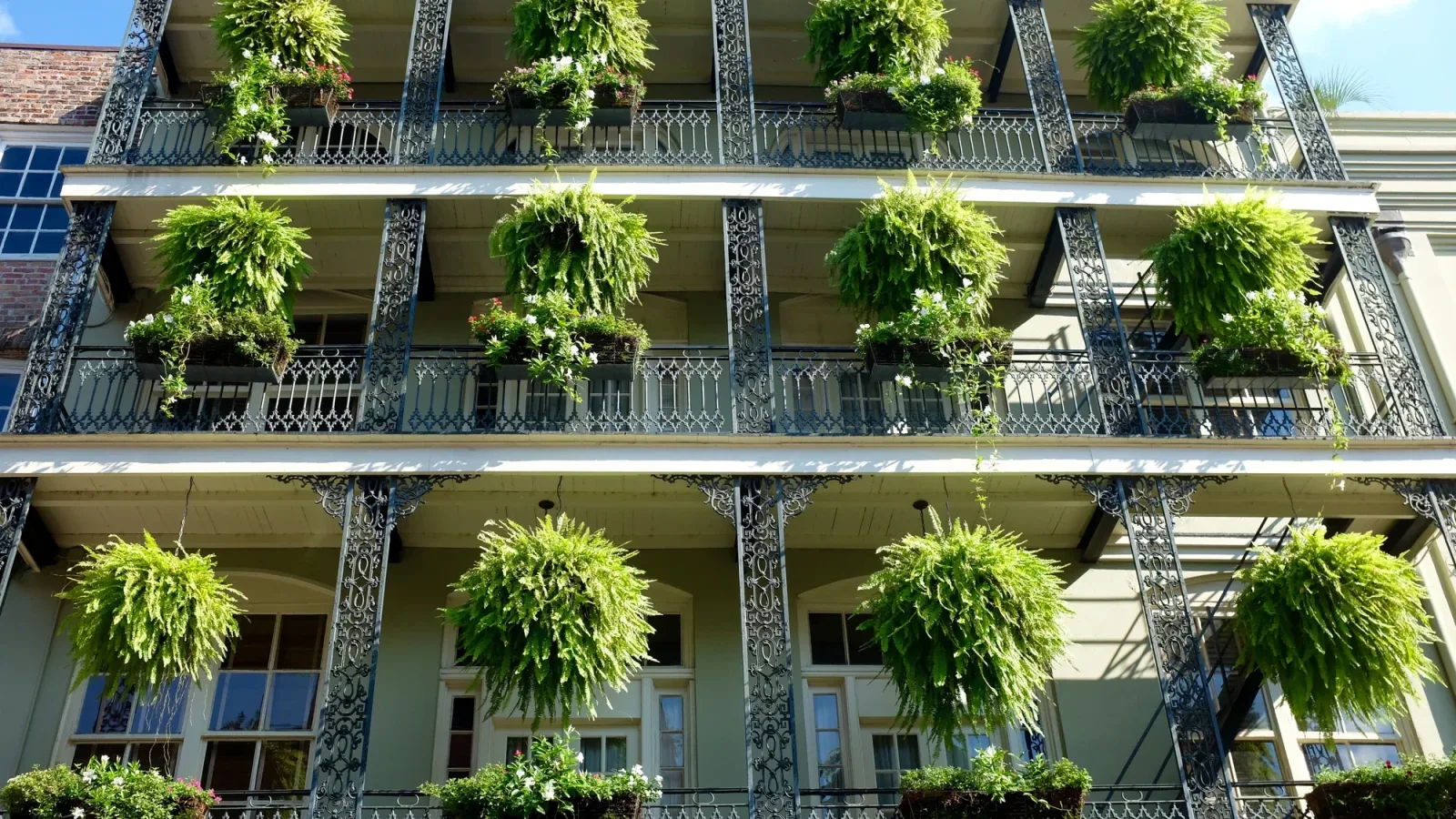
12 Plants for a North-Facing Balcony in India, From Bright Shade to Deep Cover
Look up from the pot. A railing with open sky, a shelf under a chajja and a windy corner suit different plants. Here is what to grow in each spot.
Read guide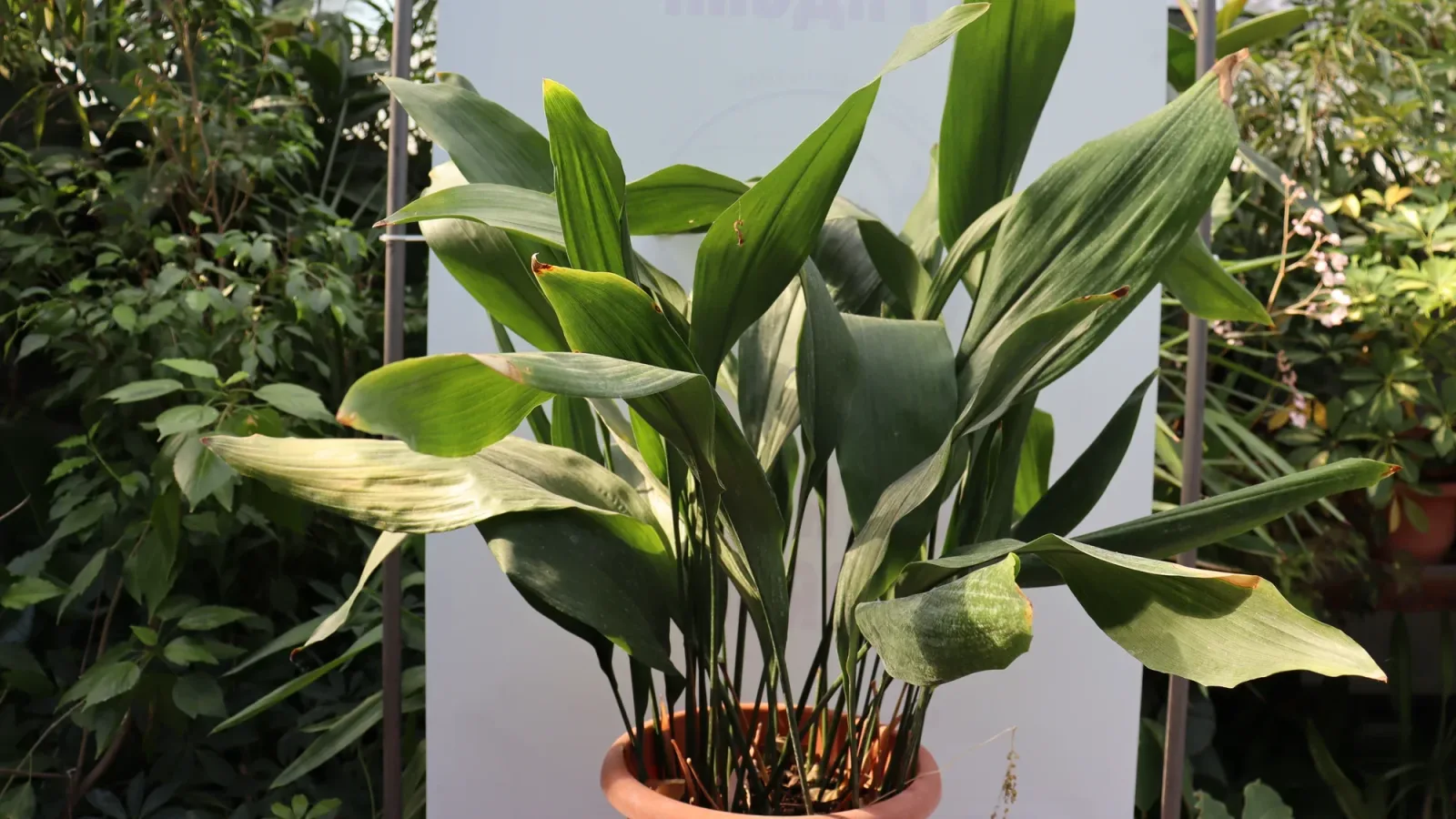
15 Low-Light Houseplants for Dim Canadian Winters
A cast-iron plant, a Chinese evergreen or a parlor palm is a realistic start in a dim Canadian winter room. Here are 15 plants with live Canada profiles, plus an honest note on a few that only pretend to like the dark.
Read guideQ&A
Frequently Asked Questions
How often should I water a bird's nest fern?
Keep the mix moist but not soggy. Check it every few days in warm weather and water when the surface starts to dry, pouring around the edge of the pot.
Why are the edges of my bird's nest fern turning brown?
Usually dry air, a heater or AC draft, or the mix drying out. Check where the plant sits and whether the pot dried fully since the last watering.
Can I put water in the centre of the fern?
Avoid it indoors. Water sitting in the rosette can rot the young fronds. Water the soil around the edge instead.
Is bird's nest fern safe for cats and dogs?
ASPCA has no listing for Asplenium nidus and NC State lists no poison information, so we have marked it as not verified. Keep it out of reach if your pet chews plants.
Can bird's nest fern grow in low light?
It manages in light shade, such as a north window, but growth slows a lot in dim corners. Avoid direct sun, which yellows the fronds.
Why are there brown lines under the fronds?
Neat brown lines along the veins on the underside of mature fronds are spore cases, which are normal. Raised bumps that scrape off are scale insects.
How big does it get?
NC State lists 0.9 to 1.5 m tall outdoors in the tropics. Indoor plants usually stay smaller and grow slowly.
Can I use insecticide spray on it?
NC State notes it is sensitive to chemical insecticides. Wipe pests off by hand with a damp cloth instead.
Similar Botanical Matches
Keep exploring
Related plants
Grower field notes
Reader Field Notes in Global
Share how this plant performs in your local Global climate.