
| ☀️ Light | Medium light |
|---|---|
| 💧 Water | Moderate (lightly moist) |
| 🪴 Soil | Well-drained, humus-rich potting mix with bark |
| 🌡️ Temp | 5°C – 38°C |
| 🐾 Safety | Cats: non-toxic · Dogs: non-toxic |
| 📏 Mature size | 2.5 m |
Where It Grows & Climate Tolerance
Pet & Companion Animal Toxicity (Kentia Palm)
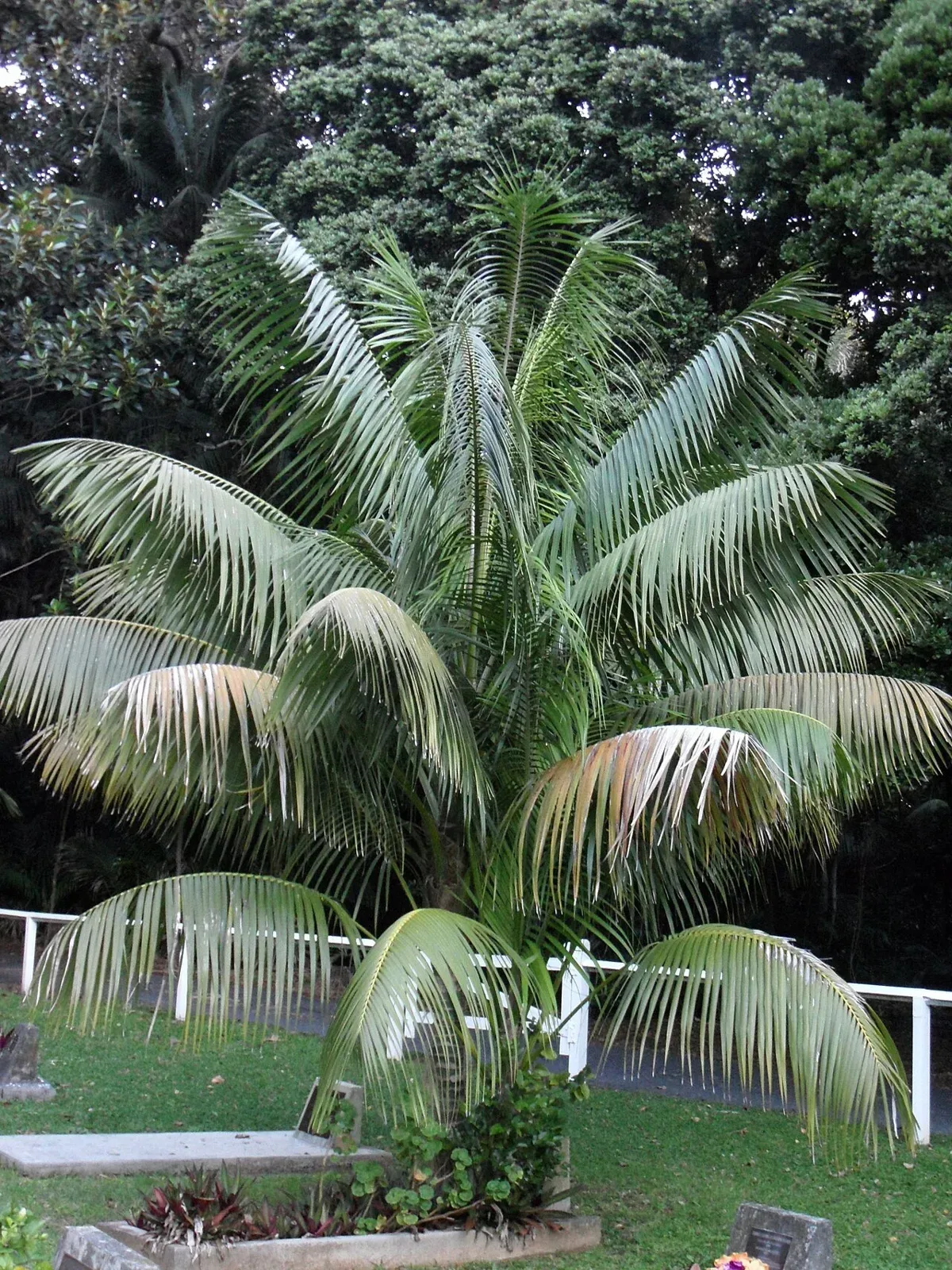
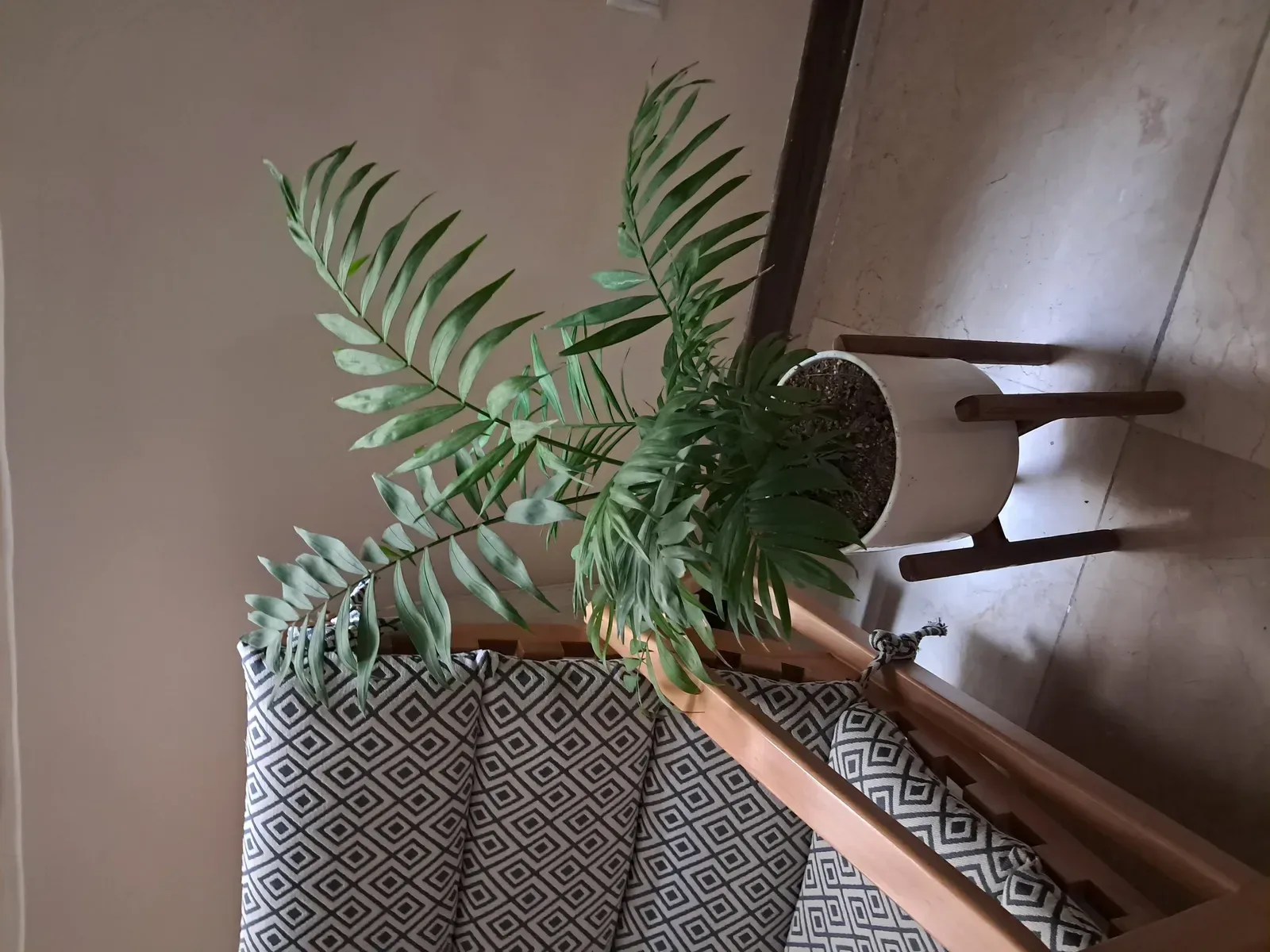
Kentia palm (Howea forsteriana) is a slow-growing, single-stemmed palm with long, arching, dark green fronds. Native only to Lord Howe Island off eastern Australia, it became a classic parlour palm because it copes with modest light, dry indoor air and some neglect.
Care instructions
Care Guide & Maintenance Routine
Give bright, indirect light, or a moderately lit room. Water once the top 3 to 5 cm of mix have dried, and empty the saucer afterwards. Feed lightly during the growing season. Keep it away from heaters, cold drafts and direct midday sun. Repot only every few years.
Light & Sunlight
NC State Extension notes kentia palm needs little light and tolerates low light indoors, though moderate light gives better growth. The RHS advises bright light with protection from the sun. Direct midday sun scorches the fronds indoors.
Watering Schedule
NC State recommends a well-drained, humus-rich mix that does not dry out completely. Water thoroughly when the top 3 to 5 cm are dry, and empty the saucer. Constantly wet mix causes root rot.
Potting Mix & Drainage
Well-drained, humus-rich potting mix with bark
Temperature & Humidity
NC State notes kentia palm can take outdoor temperatures up to about 38°C (100°F) if kept out of direct sun, and rates it for USDA zones 9b to 11b outdoors. Indoors it is happiest at temperatures comfortable for people. 5°C is used as a safe lower limit for pot plants; protect from frost and cold drafts. Height shown is typical indoors; the RHS gives 8 to 12 m in the wild after 20 to 50 years.
About kentia palm
Kentia palm (Howea forsteriana) is a feather palm from Lord Howe Island, a small island in the Tasman Sea that belongs to Australia. NC State Extension notes it grows naturally in coastal and low-lying areas of the island and is found wild nowhere else. The genus name honours the island, and the species name honours William Forster, a 19th-century politician in New South Wales.
The plant has a single, ringed trunk topped by long, arching fronds with drooping leaflets. In the ground in a warm climate it can reach 8 to 12 m over decades, according to the RHS. In a pot indoors it usually stays between 1.5 and 3 m.
A Victorian favourite
NC State notes the palm was hugely popular in Victorian times, when large urns of it decorated hotel lobbies, restaurants and parlours. It earned its place by surviving low light, dust, heating, rough handling and neglect better than most palms. It is still a common choice for offices and homes where light is limited.
Kentia and look-alikes
- Belmore sentry palm (Howea belmoreana): the only other species in the genus, also from Lord Howe Island. NC State notes it has recurved leaves and is slower and harder to grow.
- Areca palm (Dypsis lutescens): clumping, with yellow-green stems and brighter green fronds; needs more light.
- Parlour palm (Chamaedorea elegans): much smaller, with thin stems.
Buying a kentia palm
Kentia palms are slow to raise from seed, so they cost more than most palms of the same size. Several seedlings are often potted together to look fuller. Check for firm, green fronds with few brown tips, no webbing or white cottony patches under the leaflets, and a pot that drains. A heavy pot that smells sour may have been overwatered.
Light
Bright, indirect light gives the best growth. NC State notes the palm can manage with little light and adapts to sunnier spots outdoors if introduced gradually. Indoors, keep it a little back from a sunny window or behind a sheer curtain. Turn the pot every few weeks so it grows evenly.
Potting mix and containers
Use a well-drained, humus-rich potting mix. The RHS suggests a loam-based compost with equal parts composted bark and leaf mould. A heavy pot helps keep a tall palm stable. Always use a pot with drainage holes; a decorative outer pot must be emptied after watering.
Watering through the year
Growing season
Water thoroughly when the top 3 to 5 cm of mix feel dry, until water runs from the drainage holes. NC State recommends a mix that does not dry out completely.
Cool or dull months
Growth slows, so the mix stays damp longer. Water less often, but do not let the root ball dry to dust.
Water quality
Salts from hard water and fertiliser build up as a white crust and burn leaf tips. Flush the pot with plenty of water every few months.
Humidity and temperature
Average room humidity is fine. NC State notes the palm tolerates central heating, though very dry air invites spider mites. Keep it away from heaters, air-conditioning vents and doors that let in cold air. Comfortable room temperatures suit it best.
Feeding
NC State advises feeding infrequently and suggests encapsulated slow-release fertiliser. A palm fertiliser that includes potassium, magnesium and micronutrients is a good choice, used at or below label rate in the growing season only.
Where to place it
A kentia palm needs floor space: its fronds spread wide as they arch. Good spots are a corner beside a window, the side of a sofa, a hallway with daylight or an office reception. Leave room so people do not brush past the fronds, which bruise and brown at the tips when handled often.
Cleaning the fronds
Dust on the leaflets cuts down light and hides pests. Every few weeks, wipe both sides of the leaflets with a soft damp cloth, or stand the palm in a shower with lukewarm water. Avoid leaf-shine products.
Repotting
Kentia palms grow slowly and like a snug pot. Repot every two to three years, in spring, when roots fill the pot. Move up only one pot size and keep the root ball intact.
Troubleshooting
Dead tips on older leaflets
NC State links this pattern to potassium deficiency, the most serious problem it lists for the palm. Use a palm fertiliser with potassium.
Damaged tips on lower leaflets of young fronds
NC State links this to manganese deficiency. A complete palm fertiliser covers it.
Stunted or distorted new fronds
NC State notes boron deficiency can cause this. Check feeding before assuming disease.
Fine speckling and webbing
Spider mites, usually in warm, dry rooms. Shower the fronds and raise humidity.
White, cottony or brown, raised spots
Mealybugs or scale insects. Wipe them off with a damp cloth and check weekly.
Safety and pets
ASPCA lists kentia palm as non-toxic to dogs and cats, and NC State tags it non-toxic for cats, dogs and horses. That makes it a good palm for homes with pets, though chewed fronds still look untidy.
Common mistakes
- Overwatering a palm in a dim room.
- Placing it in hot, direct sun indoors.
- Cutting green fronds or the growing tip.
- Repotting too often or breaking up the root ball.
- Ignoring potassium and other palm nutrients.
For other indoor palms, see areca palm, parlor palm and bamboo palm. Cast iron plant is another tough choice for low light.
India and Canada in brief
Indoors the care is the same everywhere. What differs is the season that causes trouble: air conditioning and the rainy months in one market, furnace-dried air and cold drafts in the other.
Seasonal rhythm
Seasonal Calendar
A month-by-month calendar for Kentia Palm in Global is coming soon. See the light, water and temperature notes above.
Diagnostics
Common Problems & Troubleshooting
Brown leaflet tips on older fronds, which NC State links to potassium deficiency; brown tips from dry air or salts; yellow lower fronds from overwatering; scorch patches in direct sun; slow decline when roots sit wet.
Pests & seasonal watch: NC State lists spider mites, mealybugs and scale insects, plus fungal leaf spot. Mites are most common in dry, heated rooms.
Care encyclopedia · 2 guides
Guides & Articles for Kentia Palm
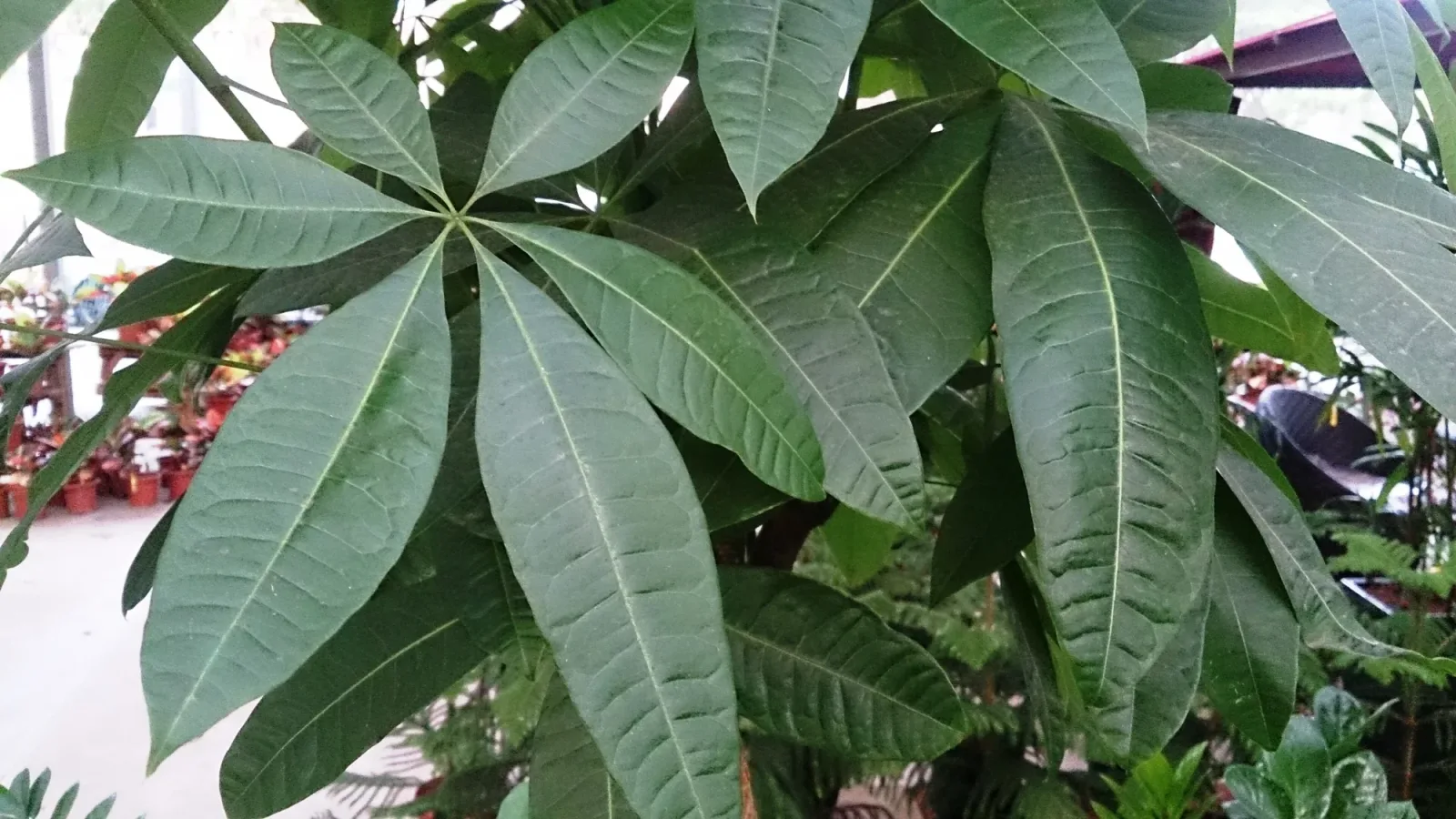
14 Pet-Safe Houseplants for Canadian Homes With Cats and Dogs
A spider plant, a parlor palm or a Christmas cactus is a solid start if you want houseplants in a home with cats or dogs. All fourteen plants below have a Canada profile and an ASPCA non-toxic listing. That is not the same as safe to eat.
Read guide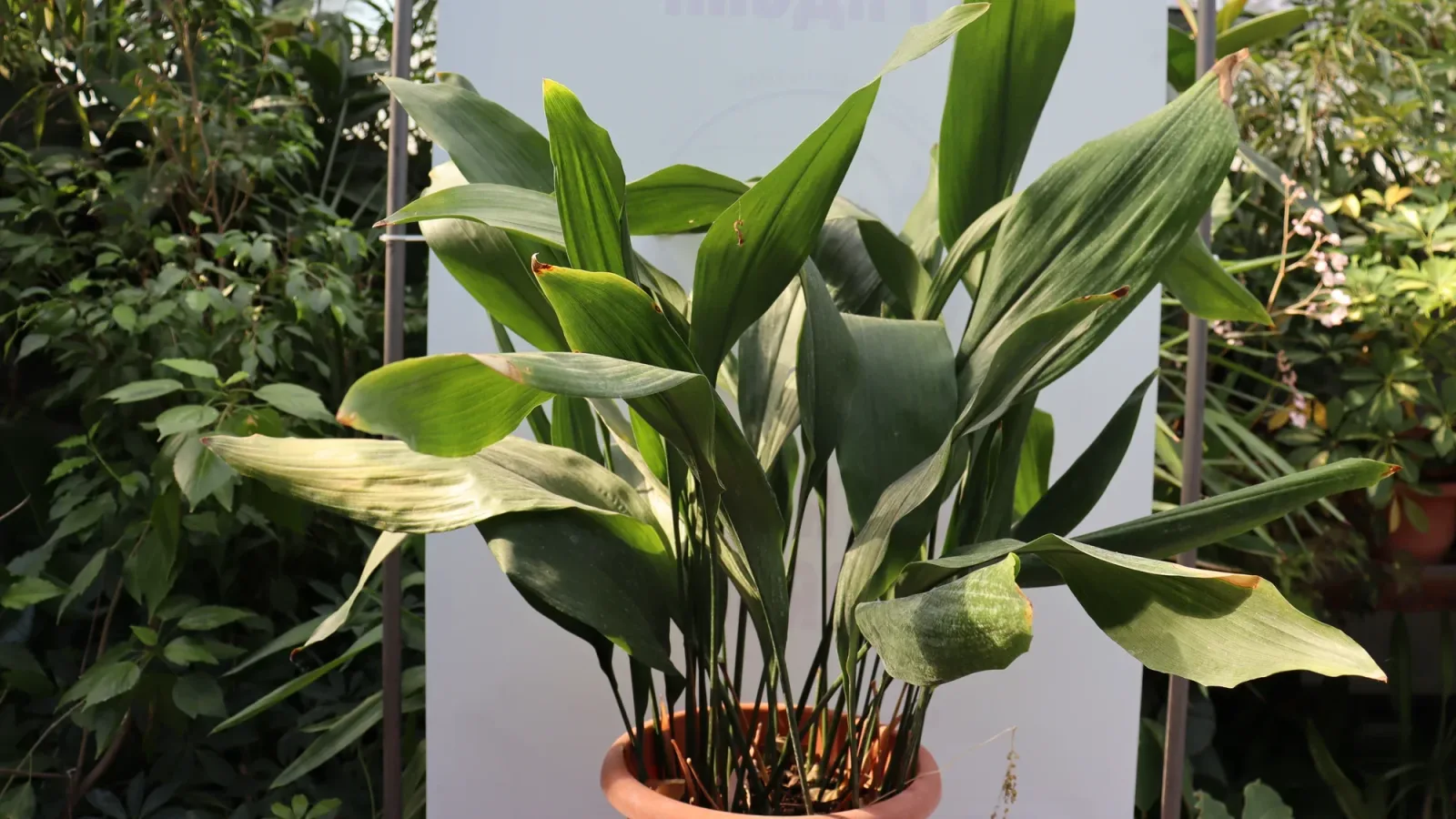
15 Low-Light Houseplants for Dim Canadian Winters
A cast-iron plant, a Chinese evergreen or a parlor palm is a realistic start in a dim Canadian winter room. Here are 15 plants with live Canada profiles, plus an honest note on a few that only pretend to like the dark.
Read guideQ&A
Frequently Asked Questions
Can kentia palm grow in low light?
It tolerates lower light than most palms. NC State notes it requires little light and has a record of surviving low light. Growth is faster in bright, indirect light.
Why are the leaf tips turning brown?
NC State says potassium deficiency is the most serious problem, showing as dead tips on older fronds. Dry air, fertiliser salts and irregular watering also brown tips. Use a palm fertiliser and water evenly.
How often should I water a kentia palm?
When the top 3 to 5 cm of mix feel dry. That may be weekly in summer and every two to three weeks in winter, depending on light and room temperature. Never leave it standing in water.
What is the difference between kentia and areca palm?
Kentia (Howea forsteriana) has a single trunk, dark green fronds and slow growth, and tolerates lower light. Areca palm (Dypsis lutescens) forms clumps of yellowish stems with lighter green, more upright fronds and needs brighter light.
Why is my kentia growing so slowly?
Slow growth is normal. NC State calls it slow-growing and notes plants grow faster when potted singly rather than in groups.
Can I split a pot of kentia palms?
Several seedlings are often sold together, but NC State notes it is not a suckering palm. Separating them damages roots, so most growers leave the group intact.
Is kentia palm safe for cats and dogs?
Yes. ASPCA lists kentia palm as non-toxic to dogs and cats, and NC State tags it non-toxic for cats, dogs and horses.
Should I cut off brown fronds?
Cut fronds only when they are fully brown, close to the trunk. Never cut the central growing point.
How big does kentia palm get?
Indoors it usually stays 2 to 3 m over many years. The RHS gives 8 to 12 m for plants growing in the ground in a suitable climate.
Similar Botanical Matches
Keep exploring
Related plants
Grower field notes
Reader Field Notes in Global
Share how this plant performs in your local Global climate.