
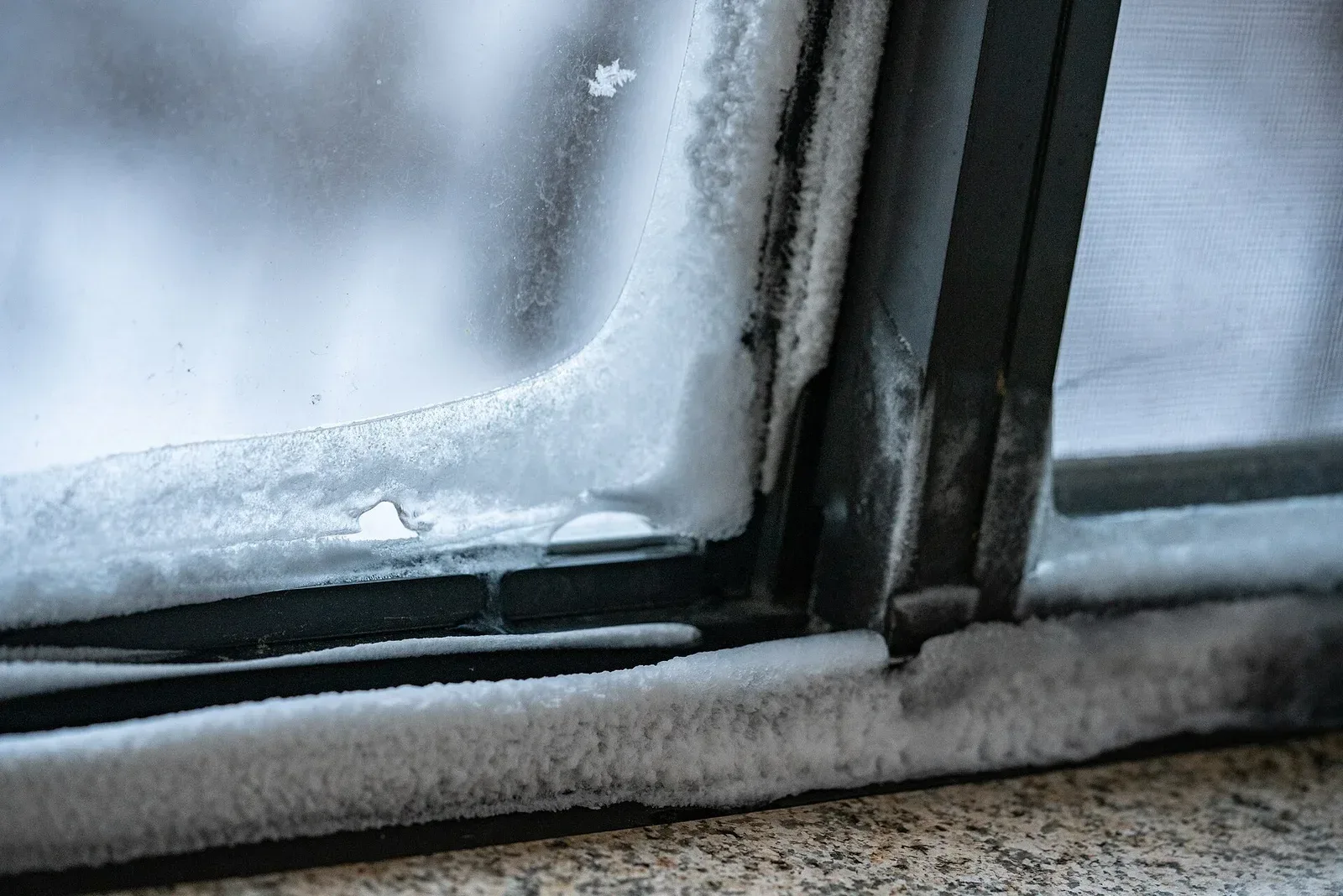
In winter, the best place for most houseplants is close to a bright window, but not touching the glass and not in a draft. Short days make light the limiting factor, so moving plants closer to the window helps. The risk is cold: on a frigid night, the glass, the window frame, the sill and the air just beside them can be far colder than the middle of the room. Leaves that touch frosty glass can be damaged even when the thermostat says 21 °C.
This guide shows you how to find the cold spots in your home, how far back to keep plants, and which plants can handle a cooler windowsill.
Quick answer
- Keep leaves off the glass. Leave a gap of at least a hand's width, more by older or single-pane windows.
- On very cold nights, pull tender plants back from the window, or move them off the sill.
- Do not trap plants between a closed curtain or blind and the glass overnight.
- Keep plants away from outside doors, leaky window frames, and the air from heat registers.
- Match plants to spots: cool-tolerant plants on the sill, tropical ones a little further in.
Why windows are tricky in a Canadian winter
Glass loses heat much faster than an insulated wall. On a −20 °C night, the inside surface of a window, especially an older or single-pane one, gets very cold, and frost can form on the inside. Cold air near the glass sinks and pools on the sill and floor below. During the day, though, that same window is the brightest spot in the house.
Extension advice reflects this balance. University of Vermont Extension notes that houseplants do best in consistent temperatures, and advises keeping them away from drafty spots and not too close to windows, while also making the most of winter light. The goal is close enough for light, far enough to avoid the cold.
Step 1: Find the cold spots in your home
A cheap digital thermometer that records minimum and maximum temperatures is the best tool here. Leave it on the windowsill overnight on a cold night, then move it a few spots further into the room. The difference often surprises people.
- Frost on the inside of the glass means the surface is below freezing. Anything touching it can be damaged.
- Feel for drafts around window frames and doors with the back of your hand, or hold a lit incense stick or a strip of tissue and watch whether it moves.
- Check entryways, mud rooms, sunrooms and enclosed porches separately. They are often much colder than living areas.
- Note heat registers, baseboards, radiators and wood stoves. They create hot, dry pockets that cause the opposite problem.
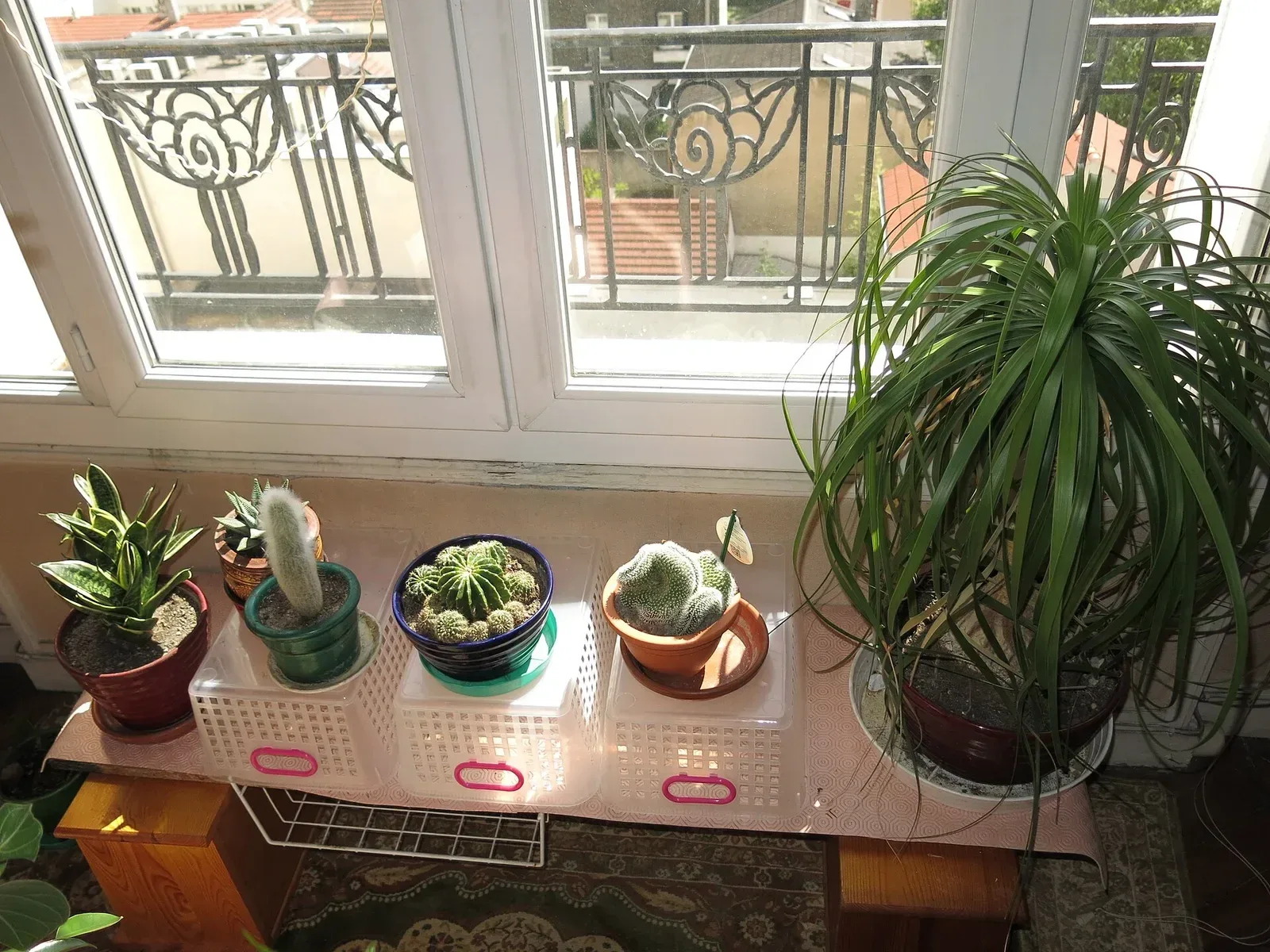
Step 2: Choose spots by plant type
Different plants tolerate different minimums. Use the plant's own care information where you have it. A few examples from extension sources:
| Plant | Cool tolerance (source) | Winter spot |
|---|---|---|
| Spider plant | Above about 7 °C (NC State) | Bright sill is usually fine if leaves do not touch the glass |
| Snake plant | Tolerates about 10 °C (NC State) | Near the window, back from frosty glass |
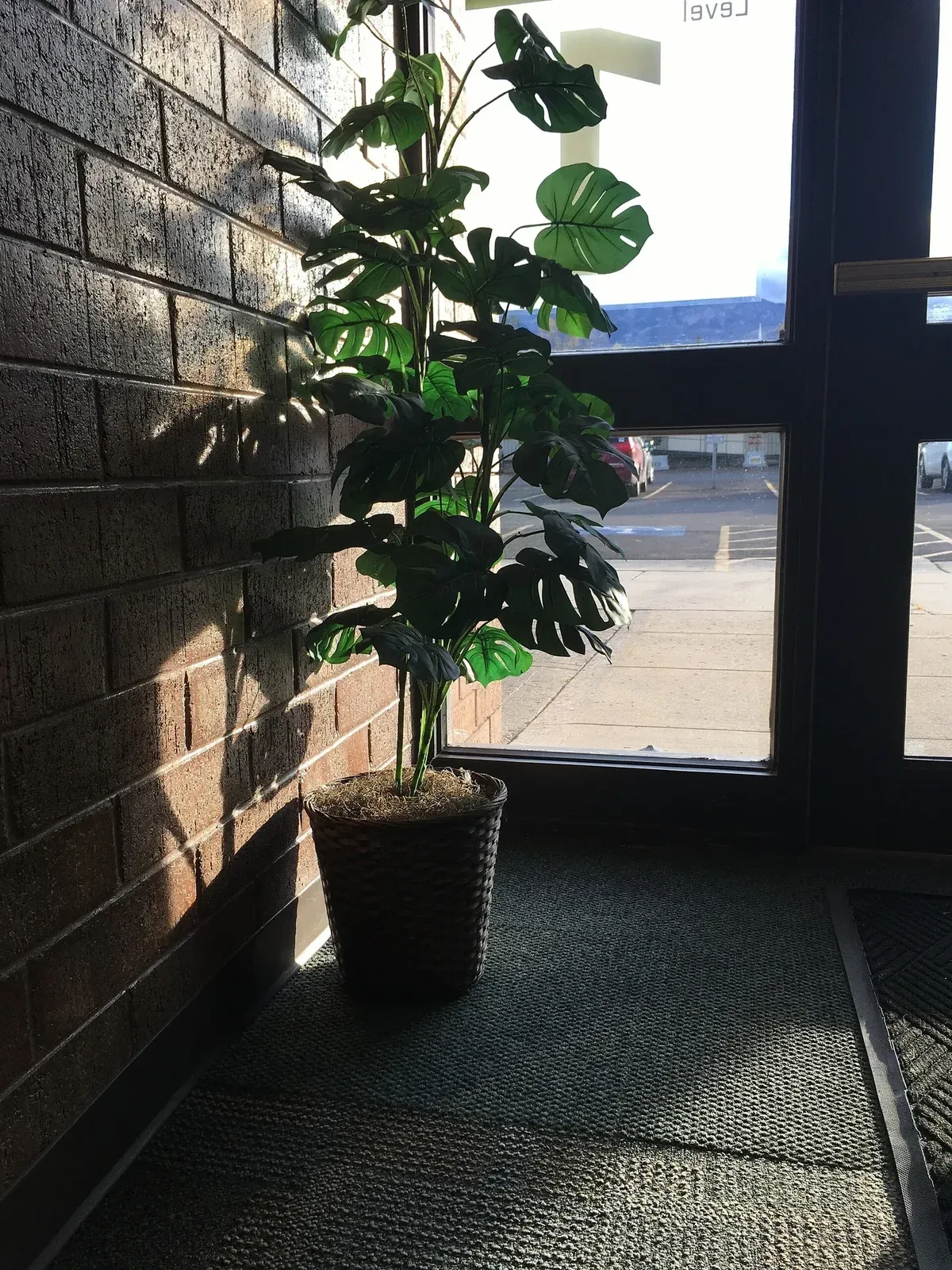
| Monstera deliciosa | Prefers about 16 to 29 °C (NC State) | Bright spot a little back from the glass |
| Calathea (Goeppertia orbifolia) | Steady 18 to 24 °C, no cold drafts (NC State) | Bright, indirect light away from glass and doors |
| Pothos | Keep from cold draughts (RHS) | Near a bright window, vines off the glass |
Step 3: Balance light and cold by window direction
- South-facing: the brightest in winter. Good for most houseplants, with a gap from the glass. On sunny February days, low sun can be strong through glass, so watch calatheas and other shade lovers.
- East and west: moderate light. Good for most foliage plants. Plants can usually sit fairly close.
- North: dim in winter. Plants need to be close to the glass to get enough light, which makes cold more of a risk. A grow light placed further into the room is often the better option.
If you have to choose between a cold bright spot and a warm dim one, a warm spot with a grow light is usually the safer winter home for tropical plants.
Step 4: Night-time habits that help
- Pull tender plants back from the glass on the coldest nights, and return them in the morning.
- Close curtains or blinds on the room side of the plants, not between the plants and the room. A plant behind a closed curtain sits in the coldest pocket of air in the house.
- Lift pots off cold stone or tile sills with a cork mat or a wooden board.
- Fix obvious drafts with weatherstripping. It helps your heating bill too.
Drafts from doors and heat sources
An outside door opening on a −25 °C day sends a blast of freezing air across the floor. Plants in entryways can be damaged in seconds. Keep tropical plants out of entryways in winter. At the other extreme, warm air blowing straight from a heat register dries leaves and soil fast. Neither is a good spot. If you are bringing a plant home from a store in winter, the RHS suggests double-bagging or wrapping tropical plants such as calatheas for the journey.
What cold damage looks like
- Leaves that touched the glass go dark green, then soft and translucent, then brown or black.
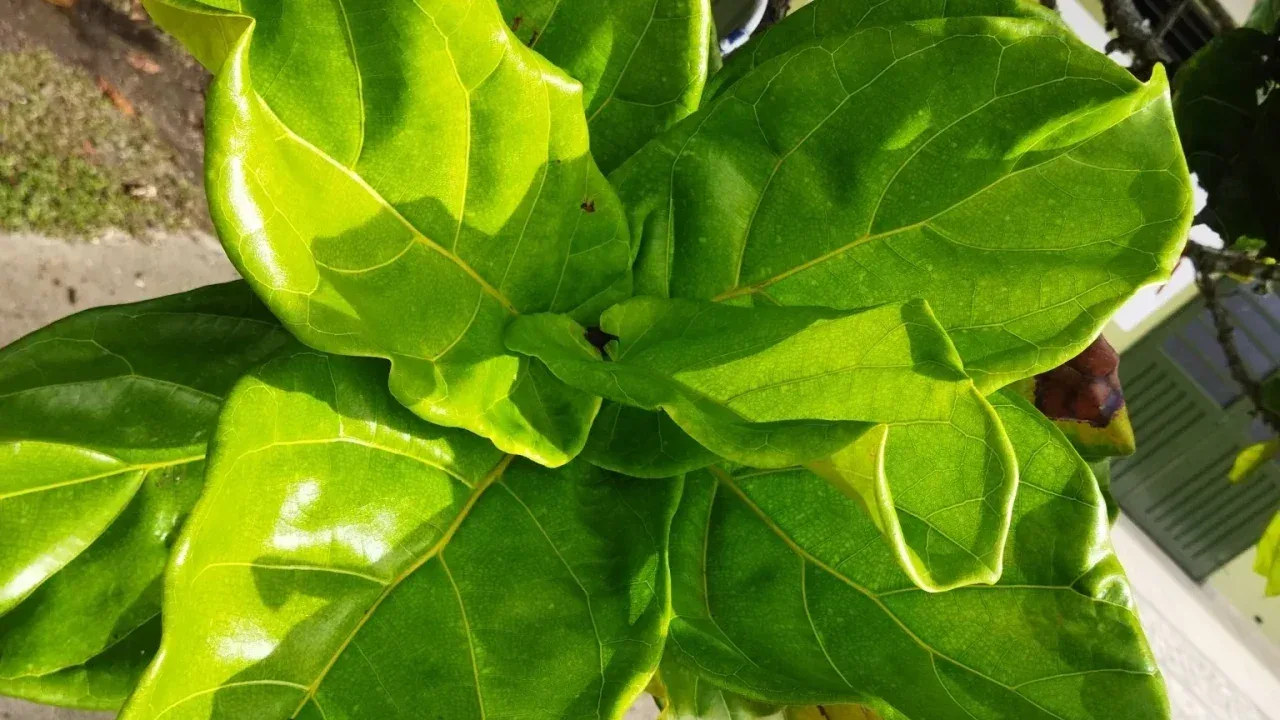
- Sudden leaf drop after a cold snap, especially on fiddle-leaf figs and other ficus.
- Yellowing on the side of the plant facing the window.
- Brown patches that appear a day or two after a very cold night.
Damaged tissue will not recover. Move the plant to a warmer spot, cut off badly damaged leaves once you can see where healthy tissue begins, and do not overwater a chilled plant while it recovers. See our cold and draft damage page for more photos and causes.
Light still matters
Moving plants back from the glass reduces light, so do it by the smallest amount that keeps them safe. Wipe dust off leaves, clean the inside of the windows, and rotate pots every week or two. If a plant starts to stretch, lose colour or drop leaves for lack of light, add a grow light rather than pushing it back against the glass.
Related guides: watering houseplants in a Canadian winter, pothos yellow leaves in winter, philodendron winter care, and plant profiles for the fiddle-leaf fig, cast iron plant and spider plant.
Watch: a video walk-through
Her green space covers winter houseplant preparation, including placement, light and drafts, before the cold arrives.
Sources
Sources last checked 10 November 2026. Advice varies with your home, region and plant; use these as a starting point.
- University of Vermont Extension: Houseplant care during the winter months
- NC State Extension Plant Toolbox: Chlorophytum comosum
- NC State Extension Plant Toolbox: Dracaena trifasciata
- NC State Extension Plant Toolbox: Monstera deliciosa
- NC State Extension Plant Toolbox: Goeppertia orbifolia
- RHS: How to grow epipremnums
- RHS: How to grow calatheas
Comments
No comments yet — share what worked in your climate.