
| ☀️ Light | Medium light |
|---|---|
| 💧 Water | Moderate (lightly moist) |
| 🪴 Soil | Well-drained, peat-free potting mix with bark or perlite |
| 🌡️ Temp | 10°C – 35°C |
| 🐾 Safety | Cats: non-toxic · Dogs: non-toxic |
| 📏 Mature size | 1.8 m |
Where It Grows & Climate Tolerance
Pet & Companion Animal Toxicity (Lady Palm (Rhapis excelsa))
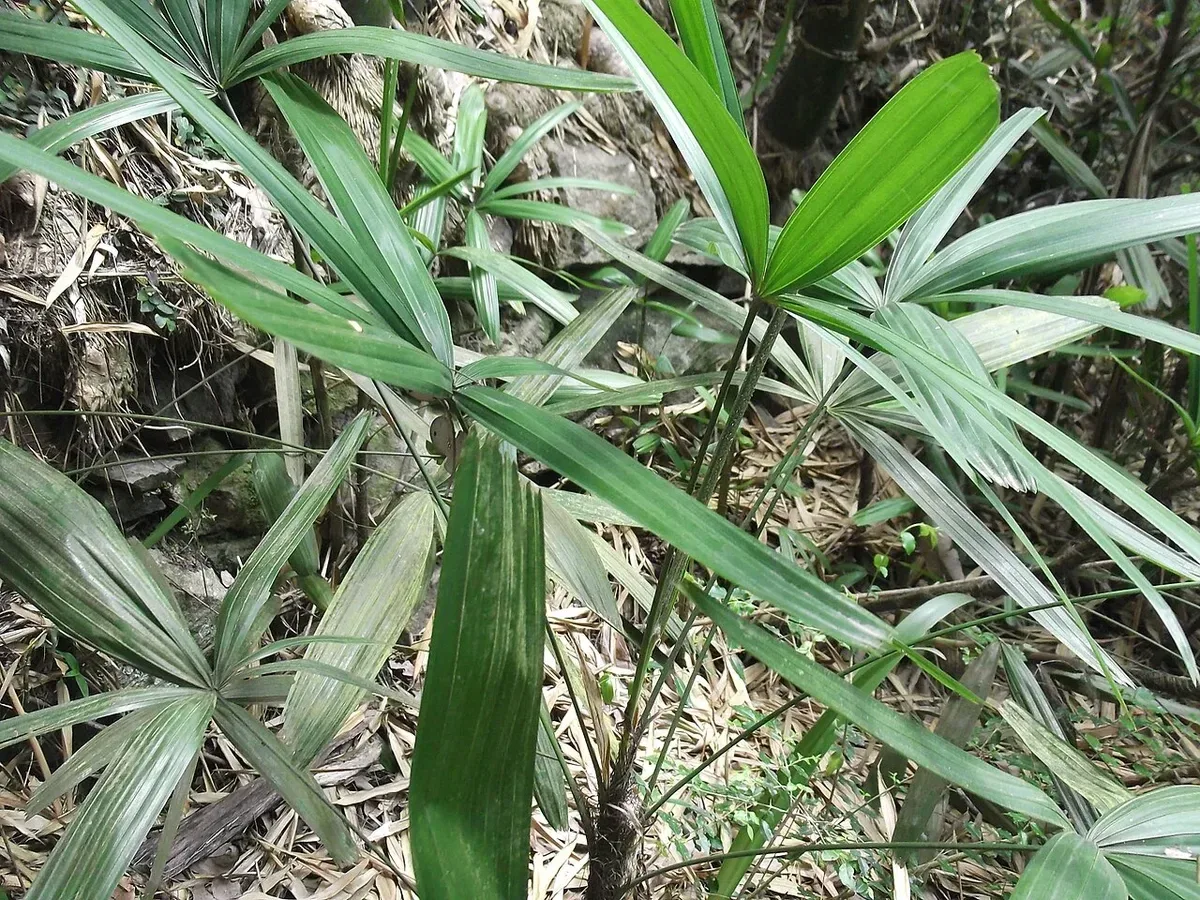
Lady palm (Rhapis excelsa) is a slow-growing, clumping palm from southern China and Vietnam with bamboo-like, fibre-wrapped canes and glossy fan-shaped leaves split into broad fingers with blunt, ragged tips. It tolerates low light and dry indoor air, and is non-toxic to cats and dogs.
Care instructions
Care Guide & Maintenance Routine
Grow in bright indirect light or shade, never harsh direct sun. Use a well-drained potting mix and water when the top few centimetres dry, less in winter. Feed lightly with a slow-release fertiliser in spring and summer. Keep above about 10°C. Wipe leaves and check for scale and mealybugs.
Light & Sunlight
NC State Extension says it needs indirect light and withstands deep shade. Bright, filtered light gives the best colour and growth; direct afternoon sun yellows and scorches the leaves.
Watering Schedule
NC State recommends regular watering except in winter, when watering can be reduced. Let the top few centimetres of mix dry between waterings and never leave the pot standing in water.
Potting Mix & Drainage
Well-drained, peat-free potting mix with bark or perlite
Temperature & Humidity
NC State notes potted plants must come indoors before temperatures drop below about 10°C (50°F), and rates it for USDA zones 9a to 11b outdoors. It tolerates occasional cold drafts near doors. Indoors it typically reaches 1 to 2 m; NC State gives 1.2 to 3.6 m in the ground.
About the lady palm
Lady palm is a clumping fan palm in the palm family. NC State notes it is native to southern China and Vietnam, where it grows in the understorey of wet forests, and that the genus name comes from the Greek for rod, referring to stems once used as walking sticks. Plants spread by underground rhizomes and send up many slender canes wrapped in coarse brown fibre.
Each cane carries a few glossy, dark green leaves shaped like an open hand. NC State notes the leaves are usually divided into 5 to 7 broad, pleated segments with blunt tips that look shredded. Over the years a single pot becomes a dense thicket of canes, which is why the plant is popular in hotel lobbies and offices.
Choosing a plant
Because it grows slowly, price depends on the number and height of canes. Count them: a pot with many canes of mixed heights gives a fuller look than a few tall ones. Turn the leaves over and check for scale and mealybugs, and avoid plants with many blackened tips or loose, rocking canes, which can signal root problems.
Size and placement
A young plant suits a table or shelf; a mature clump makes a floor plant for a corner, beside a sofa or flanking a doorway. Give it room on all sides, because the fan leaves bruise and tear when brushed constantly in a narrow hallway.
Varieties
Most plants sold are the plain green species. Variegated forms with cream or yellow stripes are prized and slow-growing. Dwarf selections with narrower leaves are grown in Japan as collector plants. A related species, Rhapis humilis, has thinner, more numerous leaf segments.
Light
NC State notes the lady palm needs indirect light and withstands deep shade. This makes it one of the most forgiving palms for dim rooms, north windows and offices. It grows fastest and keeps the deepest green in bright, filtered light. Direct sun through glass, and especially afternoon sun, bleaches and scorches the leaves.
Soil and pots
Use a well-drained potting mix. A general houseplant or palm mix with added bark or perlite suits it. Lady palms like a snug pot and grow happily for years with crowded roots. Choose a container with drainage holes. Wide pots suit the spreading rhizomes better than tall, narrow ones.
Watering
NC State recommends regular watering except in winter, when watering can be reduced. Water thoroughly when the top few centimetres of mix are dry, and let excess drain away. Large palms in big pots dry slowly, so check with a finger rather than watering on a schedule. Waterlogged mix leads to root rot.
Humidity and temperature
NC State notes it has low humidity requirements and tolerates periodic cold drafts near doors, which is unusual for a palm. Normal room temperatures suit it. Keep it above about 10°C; NC State advises bringing potted plants in before temperatures drop below that.
Feeding
NC State recommends a balanced slow-release fertiliser during the growing season, at label rate. A light feed in spring and again in midsummer is plenty for a slow-growing palm. Too much fertiliser burns the leaf tips. Flush the pot with plenty of plain water two or three times a year to wash out salts.
Cleaning and grooming
Wipe the leaves with a soft, damp cloth every month or two to remove dust and let you spot pests. Cut dead leaves off at the base. Brown tips can be trimmed with sharp scissors, following the natural shape of the segment.
Repotting
Repot every two to three years in spring, moving up only one pot size. Handle the canes gently; snapped canes do not regrow. Large specimens can be top-dressed with fresh mix instead of repotted.
Propagation
NC State lists division of the rhizome. In spring, remove the plant from its pot and cut through the rhizome so each piece has several canes and a good mass of roots. Pot the divisions, water well and keep them in shade. Recovery is slow, and divided plants may not grow much for several months.
Outdoors
Where winters are mild, lady palm makes an excellent shade plant in the ground, slowly forming a clump of canes. Potted plants can spend summer on a shaded patio, as NC State notes. Shelter it from strong wind and direct afternoon sun.
Pests and problems
- Scale insects: small brown bumps on canes and under leaves, with sticky residue. Scrape off and wipe with soapy water.
- Mealybugs: white, cottony clusters in leaf bases.
- Spider mites: fine speckling in hot, dry rooms.
- Leaf spot: NC State notes mild leaf spot diseases sometimes occur.
- Brown tips: irregular watering, salts or very dry air.
Yellow or spotted leaves can have several causes, so check light, watering and the undersides of leaves before treating.
Pets
ASPCA lists lady palm as non-toxic to dogs and cats, which makes it a good choice for homes with pets. Cats may still chew the leaves.
Common mistakes
- Placing it in hot, direct sun.
- Watering on a fixed schedule.
- Overfeeding.
- Repotting into a much larger pot.
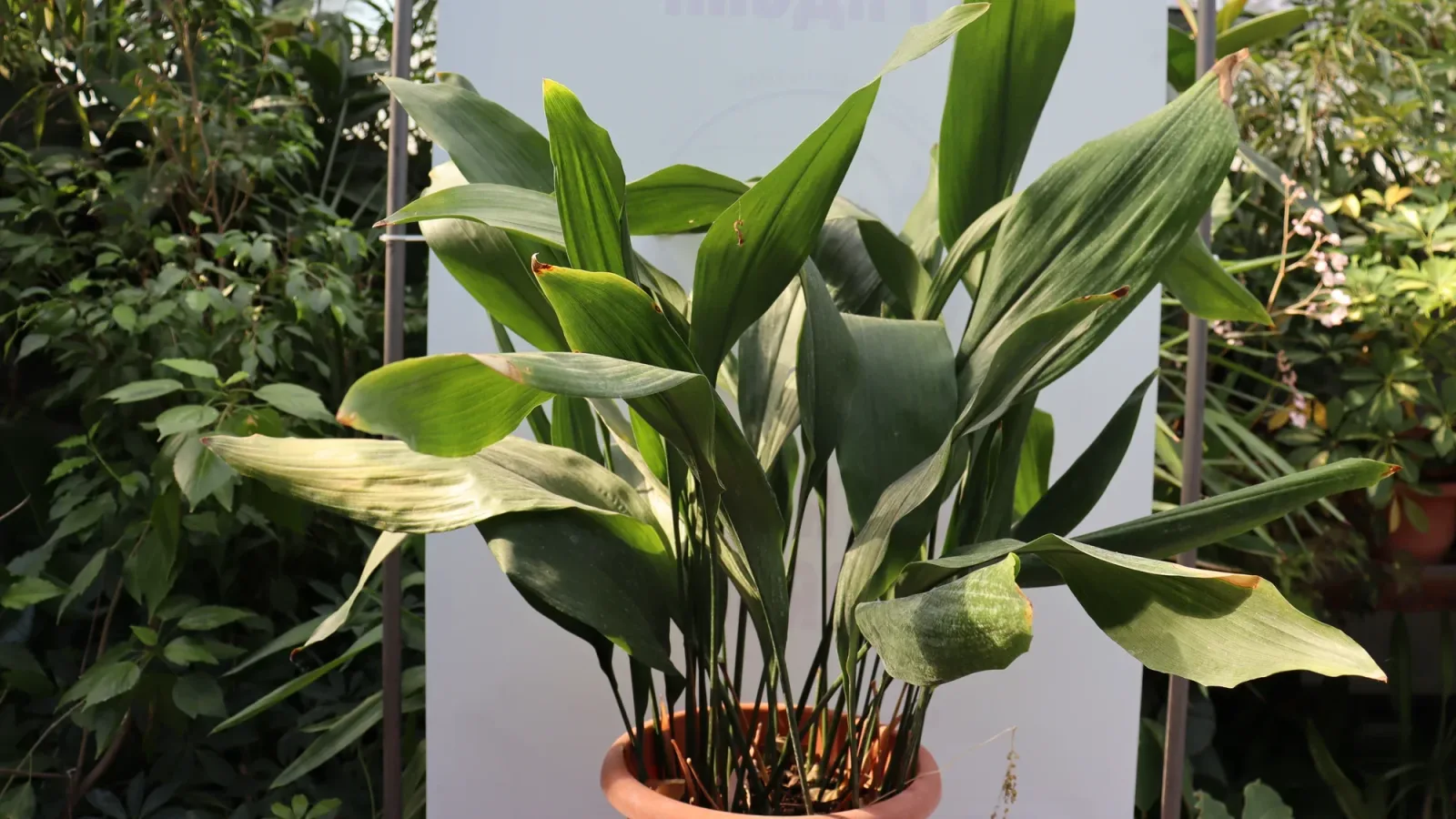
For other palms that suit indoor spaces, see bamboo palm, areca palm, kentia palm and parlor palm. Cast iron plant and snake plant share its tolerance of low light.
India and Canada in brief
In one market it can live outdoors in shade or on a verandah for much of the year. In the other it is strictly a houseplant that may take a summer break outside. The market sections explain the risky months and where to place it.
Seasonal rhythm
Seasonal Calendar
A month-by-month calendar for Lady Palm (Rhapis excelsa) in Global is coming soon. See the light, water and temperature notes above.
Diagnostics
Common Problems & Troubleshooting
Brown leaf tips from irregular watering, fertiliser salts or very dry air; yellowing and scorch in direct sun; root rot in waterlogged pots; scale and mealybugs on leaf undersides and canes; spider mites in hot, dry rooms.
Pests & seasonal watch: NC State notes it is susceptible to mites, mealybugs and scale, especially indoors, and occasionally to mild leaf spot diseases.
Care encyclopedia · 1 guide
Guides & Articles for Lady Palm (Rhapis excelsa)
Q&A
Frequently Asked Questions
Can lady palm grow in low light?
Yes. NC State notes it needs indirect light and withstands deep shade, making it one of the best palms for dim rooms. Growth is slower in low light.
How often should I water a lady palm?
When the top few centimetres of mix are dry. NC State recommends regular watering, reduced in winter. Never let the pot sit in water.
Why are the leaf tips turning brown?
Common causes include irregular watering, fertiliser salts building up, and very dry air. Check the mix moisture first, and flush the pot with plain water a few times a year.
Is lady palm safe for cats and dogs?
Yes. ASPCA lists lady palm as non-toxic to dogs and cats, and NC State tags it non-toxic for cats, dogs and horses.
How fast does it grow?
Slowly. Expect a few new leaves and occasionally a new cane each year. This is why large plants are expensive.
Can I propagate it?
By division of the rhizome, as NC State notes. Split a crowded clump in spring so each piece has several canes and roots.
Is lady palm the same as bamboo palm?
No. Bamboo palm usually refers to Chamaedorea seifrizii, which has feathery leaves. Lady palm has fan-shaped leaves on fibre-covered canes.
What pests affect it?
NC State lists mites, mealybugs and scale, mainly indoors. Look under the leaves and along the canes for small brown bumps or white fluff.
Can it go outside in summer?
Yes, in shade. NC State notes potted plants can spend summer on a shady patio but must come in before temperatures drop below about 10°C.
Similar Botanical Matches
Keep exploring
Related plants
Grower field notes
Reader Field Notes in Global
Share how this plant performs in your local Global climate.