
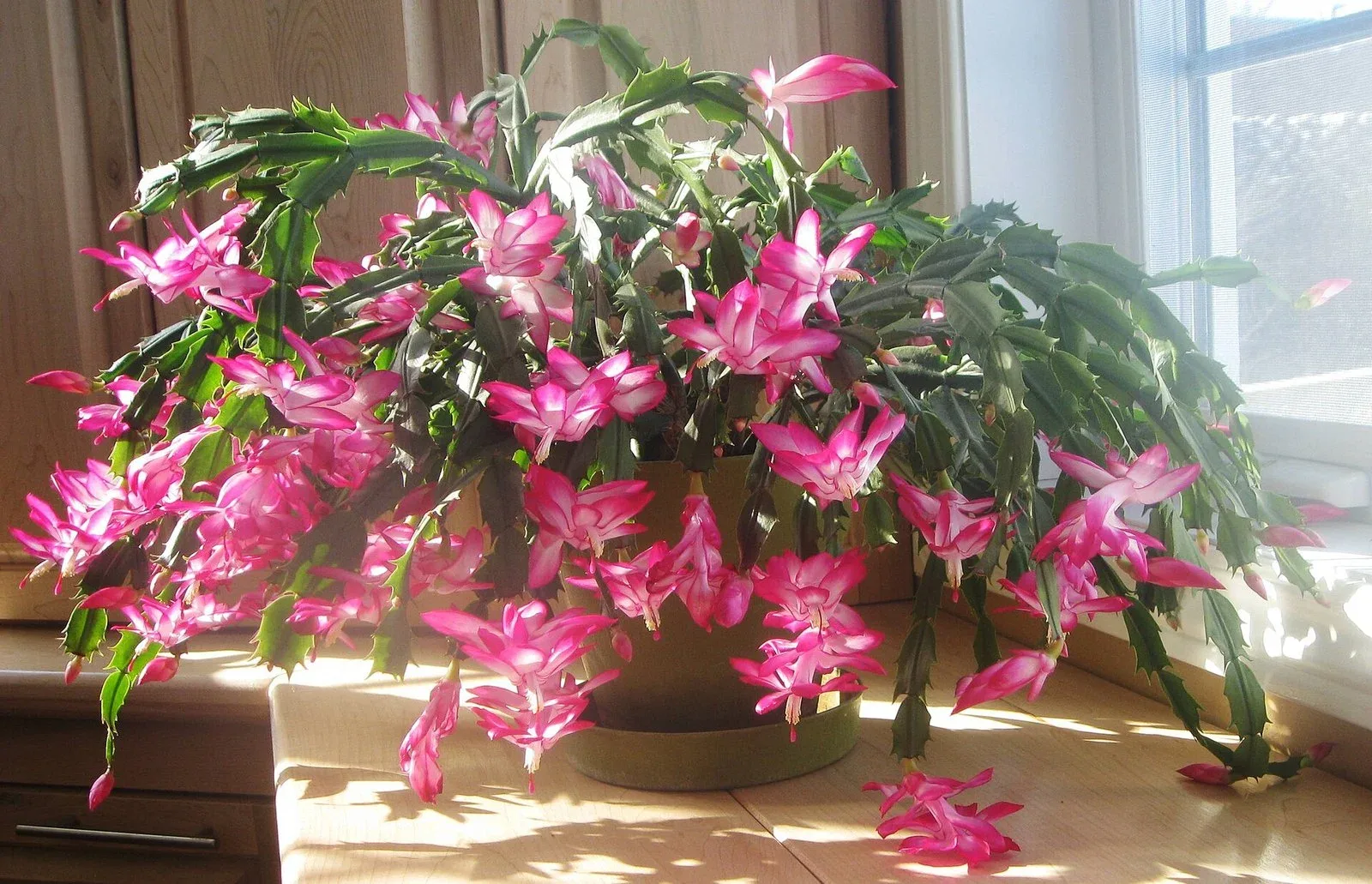
| ☀️ Light | Bright indirect light |
|---|---|
| 💧 Water | Moderate (lightly moist) |
| 🪴 Soil | Well-draining cactus or houseplant potting mix |
| 🌡️ Temp | 13°C – 24°C |
| 🐾 Safety | Cats: non-toxic · Dogs: non-toxic (ASPCA Animal Poison Control) |
| 🏔️ Hardiness | Indoors only in Canada. Outdoors suitable only in USDA zones 10-12 (NC State Extension) |
| 📏 Mature size | 30 cm |
Where It Grows & Climate Tolerance
Pet & Companion Animal Toxicity (Christmas Cactus)
Holiday-blooming epiphytic cactus that flowers in Canada's short winter days. Needs bright indirect light, even moisture and long, dark nights to set buds.
Care instructions
Care Guide & Maintenance Routine
Bright indirect light, water when top 3 cm is dry, 50-60% humidity if possible. From October give long dark nights and cool (13-18 C) temperatures to set buds. Feed monthly at half strength April-September. Non-toxic to pets.
Light & Sunlight
Bright indirect light; some shade in summer; avoid direct sun; no evening artificial light October-December
Watering Schedule
Moderate: water when top 3 cm is dry (about every 7-14 days); slightly less while buds form
Potting Mix & Drainage
Well-draining cactus or houseplant potting mix
Temperature & Humidity
Verified temperature range: 13°C – 24°C. Protect from cold drafts and direct airflow from heating or cooling vents.
Christmas cactus (Schlumbergera x buckleyi) is a rainforest cactus from the coastal mountains of south-eastern Brazil, not a desert plant. In nature it grows on trees and rocks in shady, humid places, which explains its care: regular water, moderate humidity and no scorching sun. Most plants sold in stores are hybrids between the Christmas and Thanksgiving cacti, and the ASPCA lists the Christmas cactus as non-toxic to cats, dogs and horses.
Why Canadian winters help it bloom
Buds form in response to short days and cool nights. Canadian autumn provides both. From early October, keep the plant in a spot that gets no evening lamp light, aim for nights around 13-18 C, and give it about 13 hours of uninterrupted darkness. Drafts, sudden temperature changes and moving the plant once buds appear are the main causes of bud drop.
Light and water
Give it bright indirect light in winter and some shade in summer, as direct sun can turn the stems yellow or scorch them. Water when the top 3 cm of soil is dry, about every 7-14 days, and use a well-draining cactus or potting mix. Avoid overwatering, which can lead to root rot. Slightly reduce watering and stop fertilizing in autumn while buds form.
After flowering
Blooming usually finishes around February in Canada. Rest the plant through March with less water and no fertilizer. From April, resume watering and feed monthly at half strength. It does well slightly pot-bound, so repot only every few years. In summer it can sit outdoors in shade once nights stay warm, then must come back inside before autumn chills.
Propagation
Take a cutting of two or three stem segments, let the cut end callous for a few days, then plant it in moist, well-draining mix. Roots form in a few weeks.
Hardiness
Outdoors it is only suited to USDA zones 10-12, so in every part of Canada it is a houseplant.
Seasonal rhythm
Seasonal Calendar
A month-by-month calendar for Christmas Cactus in Canada is coming soon. See the light, water and temperature notes above.
Diagnostics
Common Problems & Troubleshooting
- Buds drop before opening | Cause: Drafts, temperature swings, moving the plant, or inconsistent moisture | Fix: Pick a stable spot away from vents and doors and keep moisture even - No flowers | Cause: Lamp light at night or too few uninterrupted dark hours | Fix: Give at least 13 hours of darkness and cool nights from early October - Yellow or limp stems | Cause: Direct sun or overwatering and root rot | Fix: Move to bright indirect light and let the top 3 cm dry between waterings
Care encyclopedia · 6 guides
Guides & Articles for Christmas Cactus
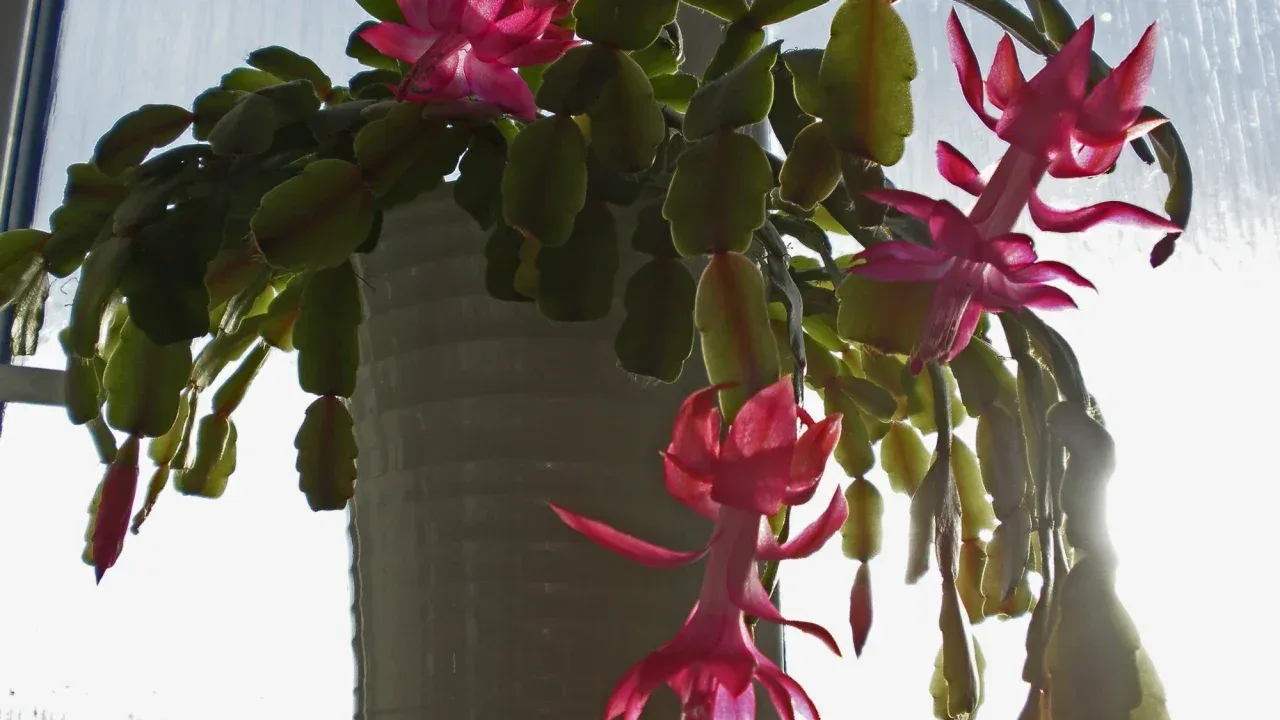
Winter Houseplant Care in Canada: Light, Watering, Humidity, Drafts and Pests
Short days, dry furnace air and icy drafts make winter the toughest season for houseplants in Canada. Here's how to manage light, watering, humidity, temperature and pests until spring.
Read guide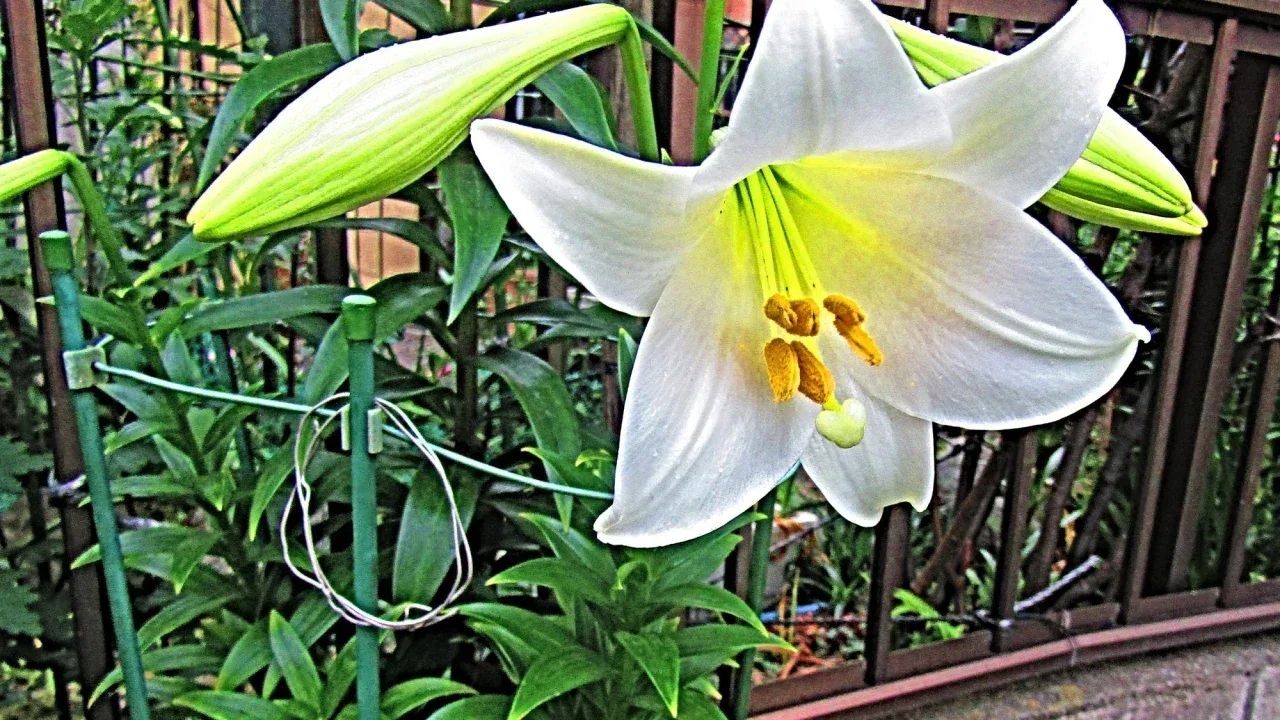
Toxic Plants for Pets and Kids in Canada: Houseplants, Garden Plants and Poison Centre Numbers
Which houseplants and garden plants are toxic to cats, dogs and children in Canada, what to do right away if one is eaten, and the poison centre number for every province and territory.
Read guide
Top 10 Pet-Safe Houseplants for Canadian Homes
Snake plant, pothos and lilies are common in Canadian homes but toxic to pets. These 10 houseplants are listed as non-toxic to both cats and dogs by the ASPCA, and they cope with short days and dry winter air.
Read guide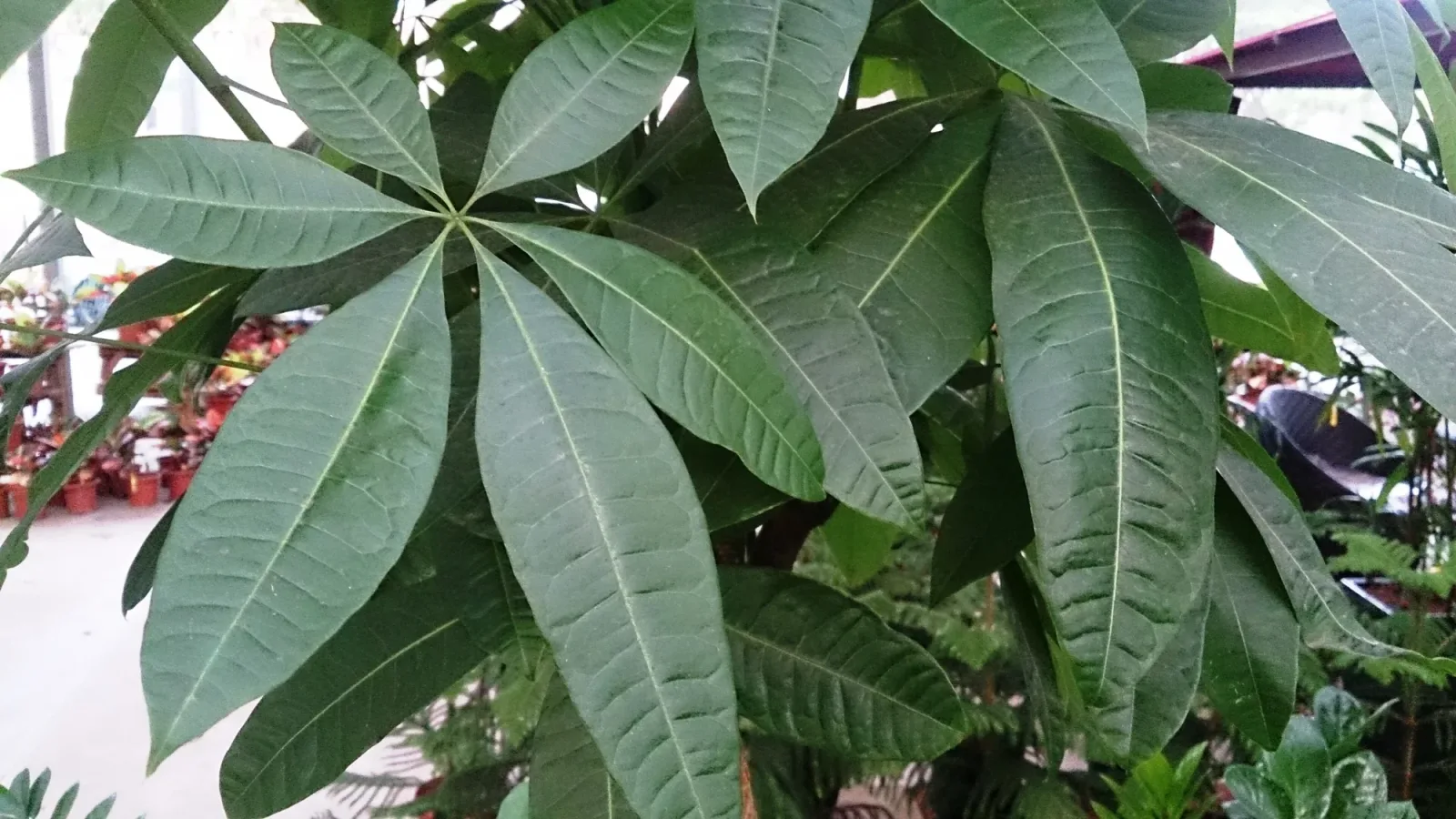
14 Pet-Safe Houseplants for Canadian Homes With Cats and Dogs
A spider plant, a parlor palm or a Christmas cactus is a solid start if you want houseplants in a home with cats or dogs. All fourteen plants below have a Canada profile and an ASPCA non-toxic listing. That is not the same as safe to eat.
Read guide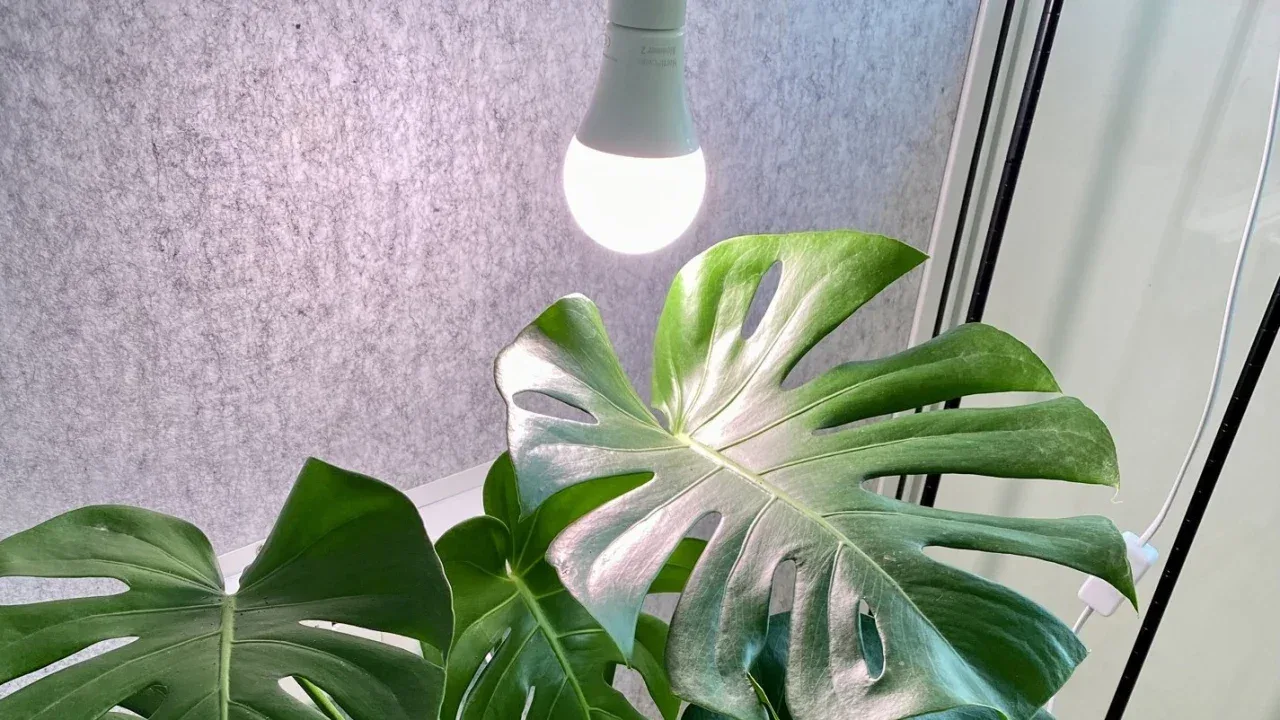
4 Grow Light Setups for Houseplants in Canada
Compare four ways to light a Canadian home in winter, from a shaded window to a basement shelf. Find the fixture style, placement and timer that fit your plants.
Read guide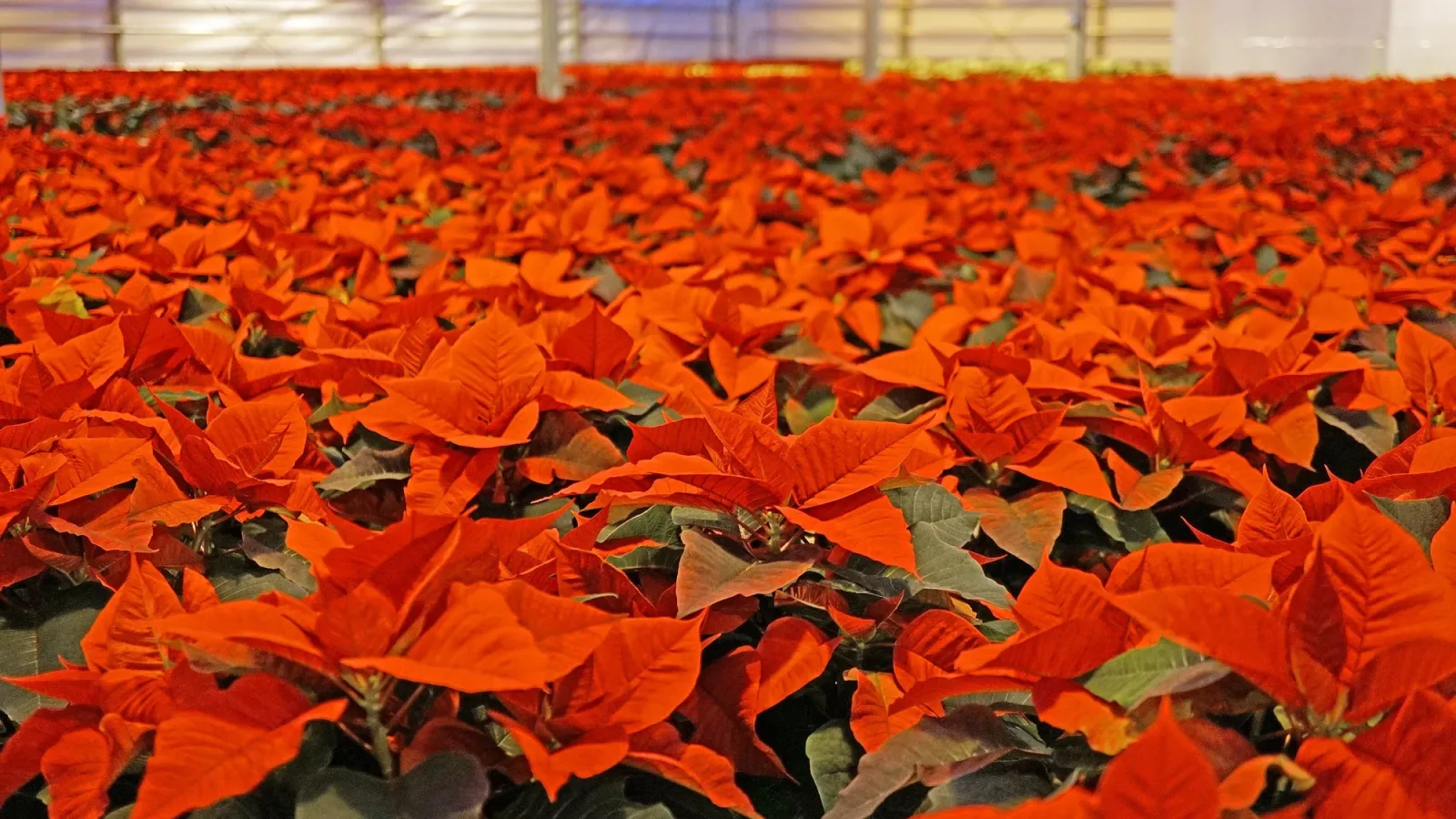
8 Christmas Plants for Canadian Homes and How to Keep Them Past January
Christmas cactus, a moth orchid and a Norfolk Island pine are the three most likely to still look good in February. Here are eight plants Canadian shops sell at Christmas, and how to keep each one past January.
Read guideQ&A
Frequently Asked Questions
When should my Christmas cactus bloom in Canada?
Usually from late November through February. Short days and cool nights from October trigger bud formation.
Is Christmas cactus toxic to cats and dogs?
No. The ASPCA lists it as non-toxic to dogs, cats and horses.
Why did all the buds fall off?
Bud drop is usually caused by drafts, sudden temperature changes, moving the plant or uneven watering. Keep it in a stable spot once buds appear.
How do I make it flower again next year?
After the February rest, grow it in bright light with regular water and feeding from April. From October give about 13 hours of uninterrupted darkness and cool nights.
Similar Botanical Matches
Keep exploring
Related plants
Grower field notes
Reader Field Notes in Canada
Share how this plant performs in your local Canada climate.