
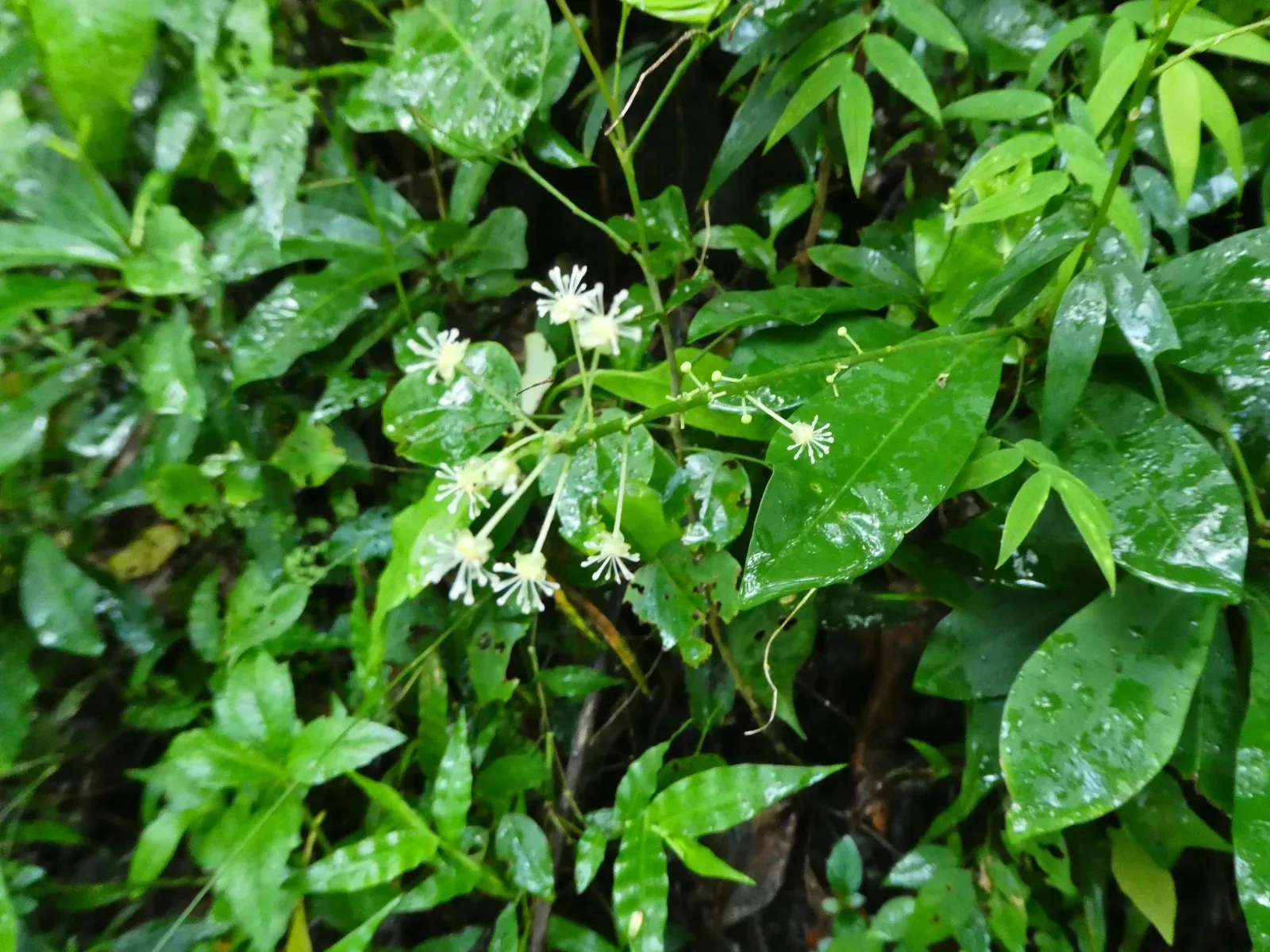
| ☀️ Light | Bright indirect light |
|---|---|
| 💧 Water | Moderate (lightly moist) |
| 🪴 Soil | Fertile houseplant mix with free drainage |
| 🌡️ Temp | 16°C – 28°C |
| 🐾 Safety | Cats: toxic · Dogs: toxic (ASPCA Animal Poison Control) |
| 📏 Mature size | 90 cm |
Where It Grows & Climate Tolerance
Pet & Companion Animal Toxicity (Croton Plant Care in Canada (Codiaeum variegatum))
Light — Bright indirect light, with gentle sun introduced gradually, keeps foliage colourful. Water — Check every few days. Water when the top 2.5–4 cm (1–1.5 in) of mix feels dry. Temperature — Aim for 18–27°C (64–81°F). Keep above 16°C (61°F) indoors. Warning — Protect from cold drafts and frost. Keep this sap-irritant, toxic plant away from pets and children.
Care instructions
Care Guide & Maintenance Routine
Use soil moisture to time watering, maintain steady warmth and useful light, and adjust care as Canadian indoor conditions change.
Light & Sunlight
Bright indirect light supports leaf colour. Introduce gentle sun gradually and protect from scorching. Keep the plant in a stable position.
Watering Schedule
Check every few days. Water when the top 2.5–4 cm of mix feels dry and some moisture remains below. Example intervals are 5–7 days in spring/summer and 7–14 days in winter, adjusted for pot size, light, heat and mix. Water thoroughly, drain fully and empty the saucer.
Potting Mix & Drainage
Fertile houseplant mix with free drainage
Temperature & Humidity
Aim for a steady 18–27°C indoors. Keep above 16°C as a practical care target. Croton is frost-tender. Short cold drafts and rapid changes can cause leaf drop.
How Often to Water Croton
Water croton when the top 2.5–4 cm (1–1.5 in) of potting mix feels dry, while the mix underneath still holds a little moisture. Check with a finger every few days. Avoid letting the whole root ball become hard and dry.
As a starting estimate, some indoor pots need watering every 5–7 days in spring and summer and 7–14 days in winter. These are checking guides, with watering decided by the soil. A small pot beside a warm furnace vent may dry faster in January than a large pot in a cool room does in June.
Pot size, root crowding, light, heat and the mix all change the interval. A plastic pot usually holds moisture longer than unglazed terracotta. Weighing the pot in your hand before and after watering helps you learn its pattern.
If the pot feels unusually heavy, check below the dry surface as well. A soggy base beneath a dry upper layer calls for a drainage check. Keep a brief watering note for the first month to learn how quickly your particular setup dries.
Water slowly across the surface until excess runs from the drainage holes. Let the pot drain fully, then empty its saucer or decorative cover. For a very dry mix that sheds water, apply small amounts slowly, allowing each to soak in.
Drooping with a light pot and dry soil suggests underwatering. Drooping or yellowing with a heavy, persistently wet pot suggests excess moisture or damaged roots. Check before adding more water. Leaf drop alone cannot tell you which problem is present.
Room-temperature tap water is usually suitable. If mineral crust builds up, review both the water supply and fertilizer dose. Use unsoftened water if your home has a salt-based water softener. Reduced-mineral filtered water can help where the supply is very hard.
When to Plant or Repot Croton in Canada
For indoor crotons, April–June is usually a useful repotting window, as days lengthen and growth resumes. A warm, well-lit home may support an earlier spring move. Choose the plant's condition over a fixed date, and repot when roots crowd the pot or water passes through a tightly packed root ball.
Choose a container roughly 2.5–5 cm (1–2 in) wider, with drainage holes. Use a fertile houseplant mix that holds some moisture and drains freely. Add perlite or fine bark if your existing mix stays dense and wet. Keep the plant at its previous planting depth and avoid unnecessary root disturbance.
After repotting, the new mix and the original root ball can dry at different speeds. Check both before watering again. An emergency such as soft, rotting roots needs prompt attention even in winter, although routine work is easier during active growth.
An outdoor summer stay is optional. Move it out only when nights remain reliably above about 15°C (59°F), using 16°C or warmer as a safer buffer. Begin in sheltered shade and introduce brighter conditions gradually over one to two weeks. In many Canadian locations, that window is brief or unreliable.
Bring it indoors before cool nights return. Croton is frost-tender, and a sheltered balcony still becomes cold. Check for pests before returning it to other houseplants.
When buying one in late fall or winter, have the shop wrap it, warm the car first and take it straight home. Avoid leaving it in a parked vehicle or exposed while doing other errands. Allow a healthy new purchase to settle before repotting.
How to Care for Croton
Bright indirect light supports colour and compact growth. Introduce gentle sun gradually, and watch for pale or scorched patches. New leaves can change colour as they mature, and the final pattern depends on the cultivar.
Keep drainage holes open and the base above standing water. A pot that remains wet for many days may be oversized or filled with a dense mix. Adding fertilizer will not solve either problem.
During active spring and summer growth, feed about once a month with a balanced houseplant fertilizer at half the label rate, following product directions. Pause feeding during slow winter growth. A recently repotted plant in pre-fertilized mix may need no extra feed initially.
Avoid combining several fertilizers or adding extra feed to restore colour. Check the label for nutrients already included in the potting mix. With a stressed plant, correct light, moisture and temperature first.
Wipe leaves with a damp, soft cloth, supporting each leaf as you clean. Trim an overlong or damaged shoot during active growth with clean tools. Wear gloves when pruning because the sap can irritate skin, and wash tools afterwards.
Many indoor crotons reach around 90 cm, although cultivar, pruning and conditions affect size. Leave room for the canopy. For cultivar choices and further care detail, use our complete croton care guide.
Croton Indoor Care in Canadian Homes
A south- or west-facing window behind a sheer curtain often provides enough brightness. A bright east-facing position may also work. Watch the plant at different times of day because neighbouring towers, tinted glass and deep balconies can change the light considerably.
During short winter days, use the brightest suitable position available or supplement with a plant grow light. Keep leaves away from cold glass. Position a grow light at its manufacturer's recommended distance and use a timer for a consistent daily routine. If moving the plant for better light, make one considered move and allow time to adjust.
Furnace heating dries indoor air. Keep the pot out of direct supply-air blasts, beside an interior wall or on a stable stand if the window ledge becomes cold. Balcony doors, open windows and entryways can cause sudden temperature swings.
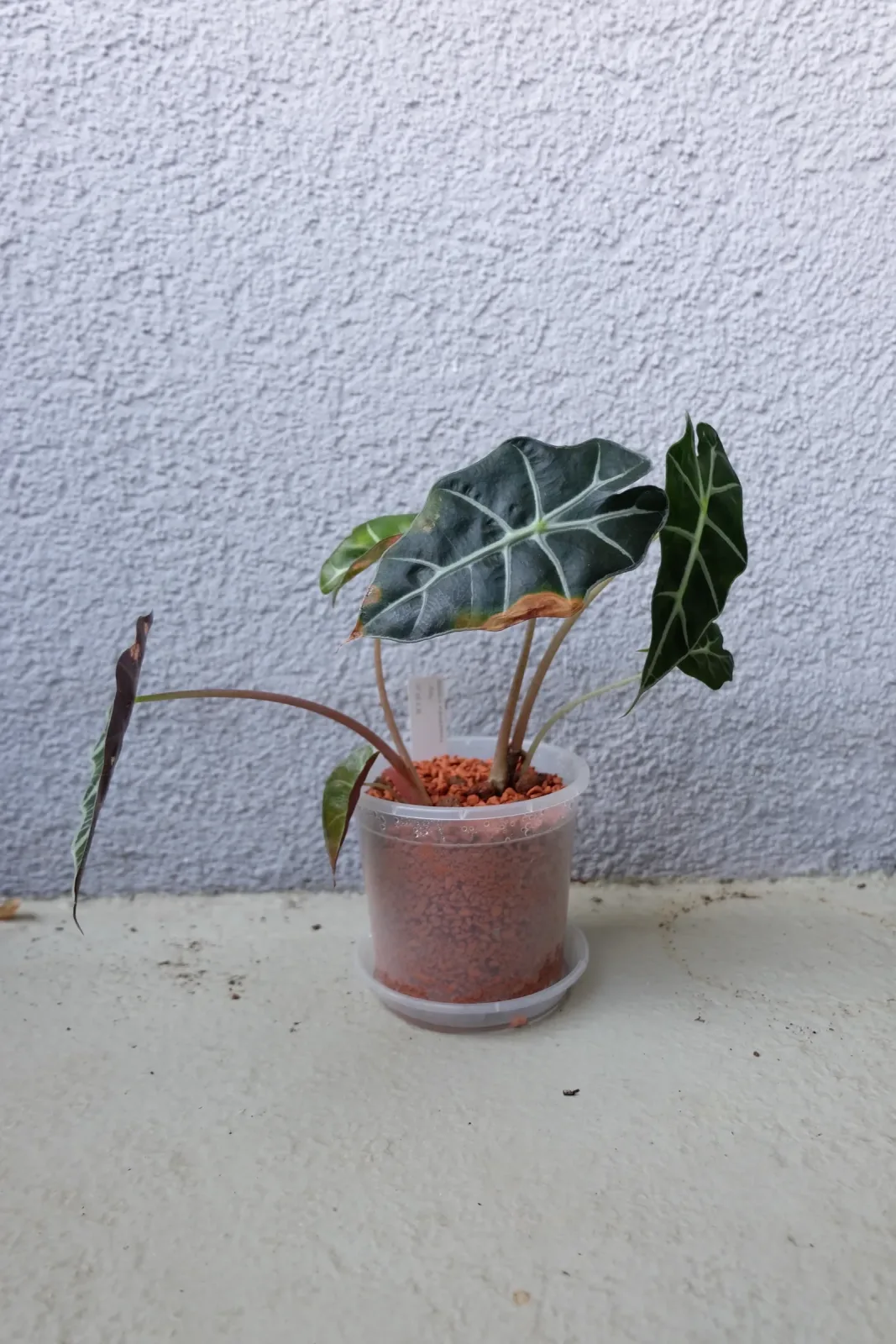
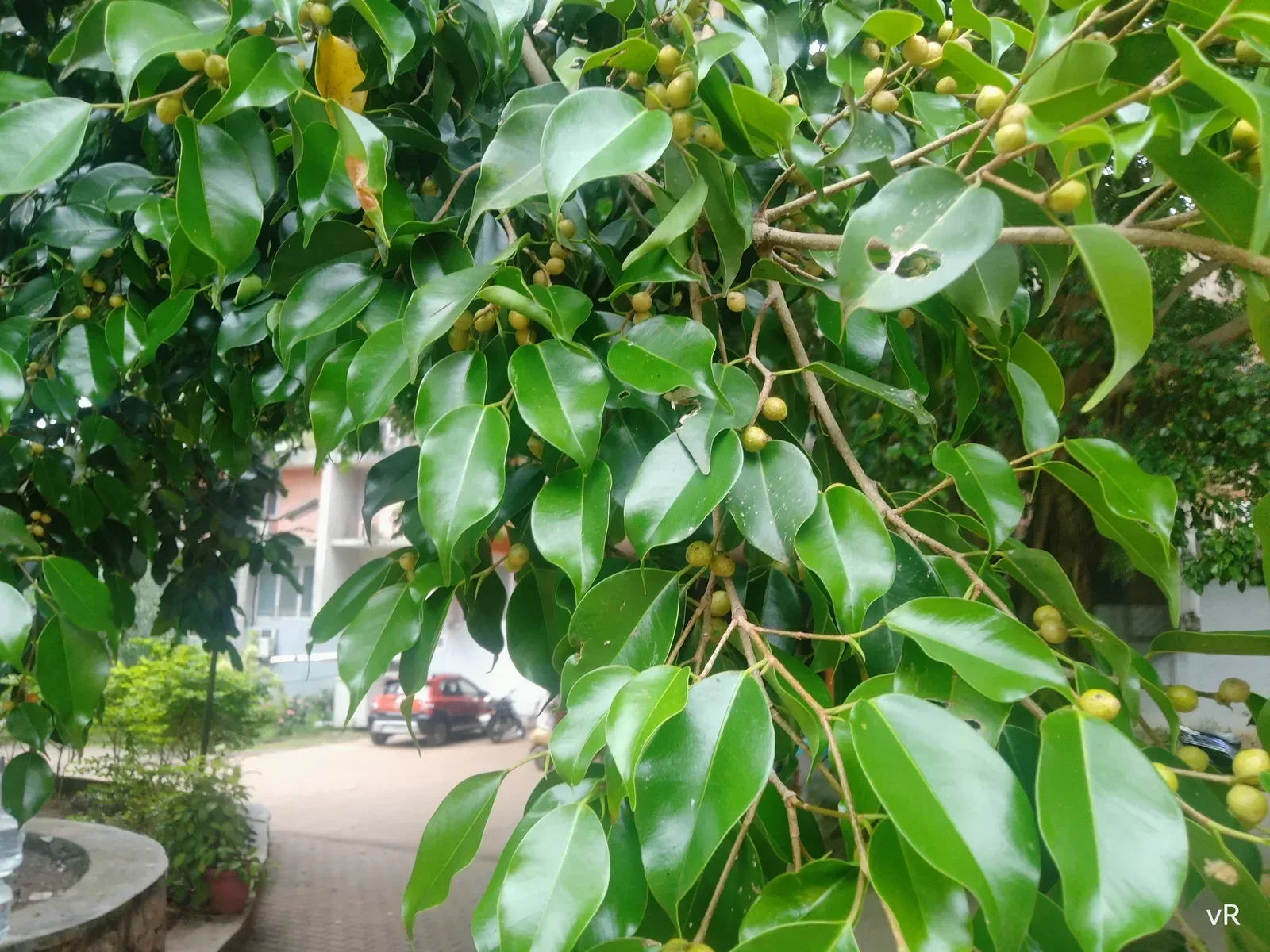
Our winter houseplant care guide for Canada covers seasonal light and indoor care. For other statement foliage plants, compare Alocasia Polly care, fiddle-leaf fig care and weeping fig care.
Croton Temperature and Humidity Tolerance
Aim for a steady 18–27°C (64–81°F) indoors. Treat 16°C (61°F) as a practical lower care target. This is a comfortable growing range, with cold drafts and rapid changes often causing trouble before an absolute temperature limit is reached.
Croton prefers moderately humid air. A measured 40–50% relative humidity is a practical starting target where the building allows it. In severe Canadian cold, safe indoor humidity may need to be lower to prevent condensation. A small hygrometer helps you see the actual conditions.
Use a clean humidifier when appropriate. Reduce output if windows become wet, and follow the building's guidance. Extra water in the soil cannot replace moisture in the air.
Common Croton Problems
- Leaf drop. Check recent cold exposure, a move, soil dryness and drainage. Stabilize conditions and avoid repeated repotting or extra feeding. Use the croton leaf drop diagnosis index to compare symptoms.
- Dull colour. Improve light gradually. Healthy new growth reflects the cultivar and growing conditions. Leaves with scorched patches need protection from excessive direct sun.
- Brown edges. Check uneven watering, hot airflow and fertilizer buildup. Existing brown tissue will stay damaged, so judge progress by newer leaves.
- Spider mites. Fine webbing and pale speckling call for close inspection of leaf undersides. Isolate the plant, rinse foliage and follow the spider mite diagnosis index. Use a houseplant-labelled treatment as directed if needed, testing a small area first.
- Mealybugs. White, cottony clusters often hide at leaf joints. Isolate the plant and follow our mealybug identification and control guide.
Croton Safety for Pets and Kids
Croton is toxic to cats and dogs if chewed. Its sap can irritate skin and eyes, and swallowed plant material may upset the mouth and stomach. Keep plants and cuttings out of reach, including fallen leaves.
Contact a veterinarian if a pet chews it. For a child who eats plant material or gets sap in their eyes, seek medical advice. Our toxic plants guide for pets and children and pet-safer plant choices can help you choose suitable display locations and alternatives.
Seasonal rhythm
Seasonal Calendar
| Month | Care Tasks | Seasonal Focus |
|---|---|---|
| Jan | Routine check | Check soil every few days. Keep leaves away from cold glass and pause feeding during slow growth. |
| Feb | Routine check | Inspect leaf undersides and check room humidity. Adjust watering to actual drying as daylight increases. |
| Mar | Routine check | Watch for new growth. Resume light feeding only if growing and check whether the pot is crowded. |
| Apr | Repot | Repot crowded plants into a slightly wider draining pot. Keep the growing conditions stable afterwards. |
| May | Fertilize | Check moisture more often as growth increases. Prepare a sheltered summer position if nights are warm enough. |
| Jun | Routine check | Consider outdoor acclimation only once nights reliably exceed 15°C, preferably 16°C. Start in sheltered shade. |
| Jul | Routine check | Watch for hot glass, wind and rapid drying. Water by the soil check and feed only during active growth. |
| Aug | Routine check | Inspect for pests and follow the night forecast. Plan the indoor return before weather turns cool. |
| Sep | Routine check | Bring summer plants inside before cool nights. Inspect for pests and reassess watering after the move. |
| Oct | Routine check | Use a bright indoor position and protect from balcony-door drafts. Reduce feeding as growth slows. |
| Nov | Routine check | Measure humidity as furnace use rises. Keep away from heating vents and check soil before watering. |
| Dec | Routine check | Maintain steady warmth and usable light. Skip routine repotting and empty saucers after each watering. |
Diagnostics
Common Problems & Troubleshooting
Compare leaf drop, dull colour, brown edges, speckling and white cottony clusters. Check soil moisture, recent room changes and new growth before choosing a treatment.
Pests & seasonal watch: Inspect leaf undersides and joints regularly during furnace season. Isolate a plant with pest symptoms before it touches other houseplants.
- Mealybugs — White cottony clumps in leaf joints, often with sticky honeydew.
Care encyclopedia · 3 guides
Guides & Articles for Croton Plant Care in Canada (Codiaeum variegatum)
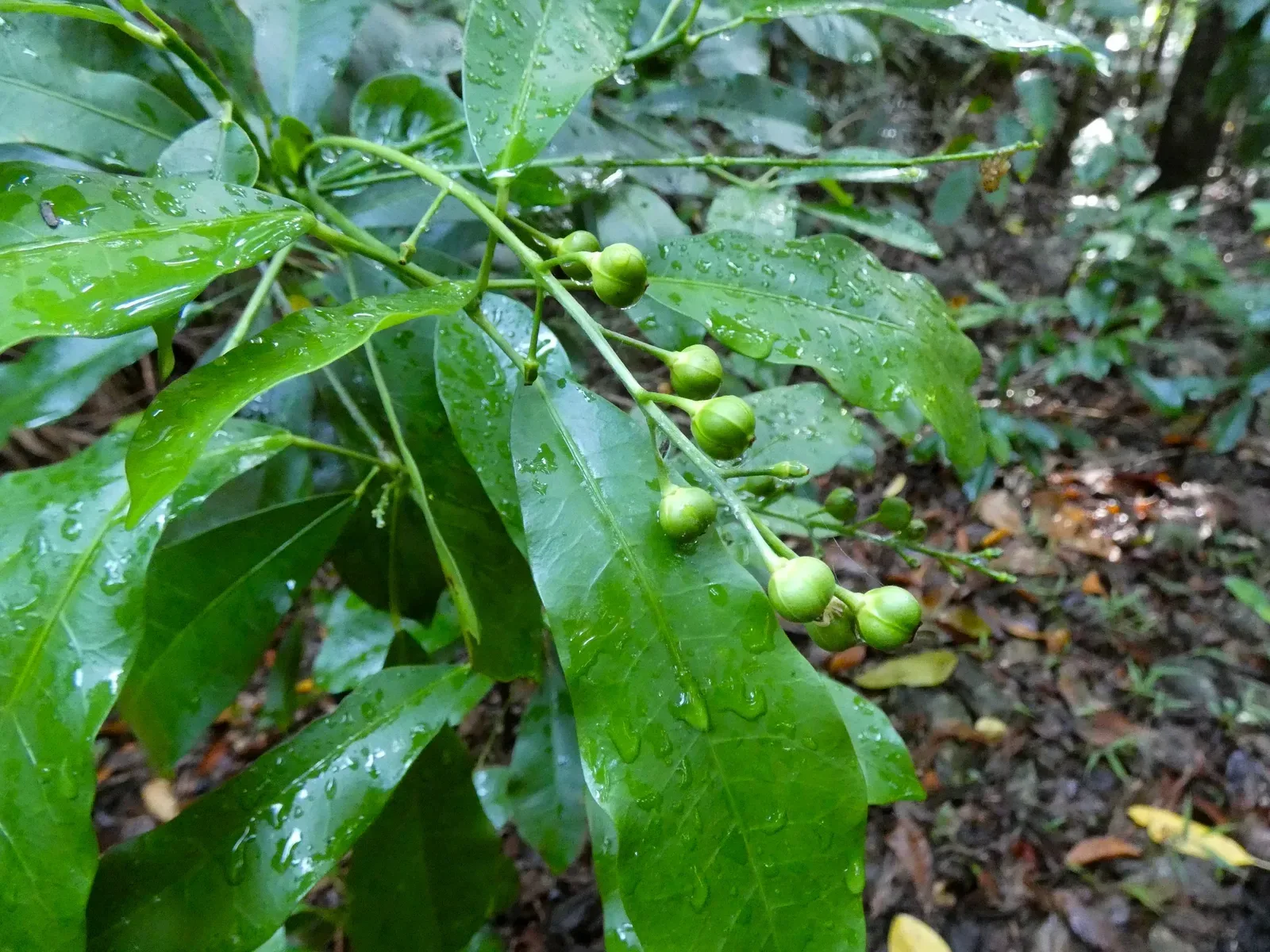
Croton Care Guide for Canada
A practical Canadian guide to croton, with seasonal care, common problems, propagation and buying checks.
Read guide
Toxic Plants for Pets and Kids in Canada: Houseplants, Garden Plants and Poison Centre Numbers
Which houseplants and garden plants are toxic to cats, dogs and children in Canada, what to do right away if one is eaten, and the poison centre number for every province and territory.
Read guide
Winter Houseplant Care in Canada: Light, Watering, Humidity, Drafts and Pests
Short days, dry furnace air and icy drafts make winter the toughest season for houseplants in Canada. Here's how to manage light, watering, humidity, temperature and pests until spring.
Read guideQ&A
Frequently Asked Questions
How often should I water croton indoors in Canada?
Check every few days and water when the top 2.5–4 cm of mix feels dry. An example range is every 5–7 days in spring and summer, or 7–14 days in winter. Pot size, light, furnace heat and soil change that interval. Water thoroughly and let it drain.
Why is my croton dropping leaves?
Cold drafts, a recent move, prolonged dryness and wet roots can all cause leaf drop. Check soil moisture and temperature before changing care. Give the plant a stable, bright position and avoid repeated moves. Several falling leaves with wet soil or soft stems call for a root inspection.
How do I keep my croton's colours bright?
Provide bright indirect light and introduce gentle sun gradually. Watch for pale, scorched patches and adjust the position if necessary. New leaves develop their colours as they mature, and patterns vary by cultivar. During Canadian winters, a suitable grow light can help when window light becomes weak.
When should I repot croton in Canada?
April–June is usually a useful indoor repotting window, once growth is active. Repot when roots crowd the container, using a draining pot about 2.5–5 cm wider and a fertile, airy mix. A healthy new purchase can settle first. Avoid routine repotting during dim, slow winter growth.
Can croton live outside in Canada?
It can spend a suitable summer outdoors, but it cannot survive frost. Wait until nights remain reliably above about 15°C, preferably 16°C or warmer. Acclimate it gradually in sheltered shade. Bring it back inside before cool nights, and check for pests before placing it near other houseplants.
Is croton toxic to pets and children?
Yes. Codiaeum variegatum is harmful when chewed, and its sap can irritate skin and eyes. Keep foliage, cuttings and fallen leaves away from cats, dogs and young children. Contact a veterinarian after pet ingestion, or seek medical advice for a child's exposure, especially contact with the eyes.
Does a croton plant need extra humidity?
Croton prefers moderately humid air. Measure with a hygrometer and consider around 40–50% where your home permits it. Cold Canadian weather may require lower indoor humidity to avoid window condensation. Use a clean humidifier if appropriate, and keep the plant away from direct hot-air vents.
Why are my croton leaves turning brown or dull?
Brown edges can follow uneven watering, hot airflow or fertilizer buildup. Dull green growth often needs more light, while pale or brown patches can follow excessive sun. Check moisture, the position and leaf undersides before changing care. Existing damage stays visible, so monitor the next healthy leaves.
Similar Botanical Matches
Keep exploring
Related plants
Grower field notes
Reader Field Notes in Canada
Share how this plant performs in your local Canada climate.