
Ask any experienced gardener why a crop failed, and timing comes up again and again. Peas sown in the September heat wilt. Cauliflower sown at the wrong time bolts or makes tiny heads. Okra sown in December just sits there. Getting the sowing month right does more for a kitchen garden than any fertiliser.
The catch is that India has no single calendar. October in Ludhiana is nothing like October in Kochi or in the hills above Shimla. This guide gives separate tables for the North Indian plains, South India, the west coast and the hills, based on the recommendations of state agricultural universities. It sits alongside our seasonal guides to winter vegetables to grow in pots and vegetables to grow in the monsoon.
Kharif, rabi and zaid in a kitchen garden
Farmers in India talk about three cropping seasons, and the same idea works in a home garden.
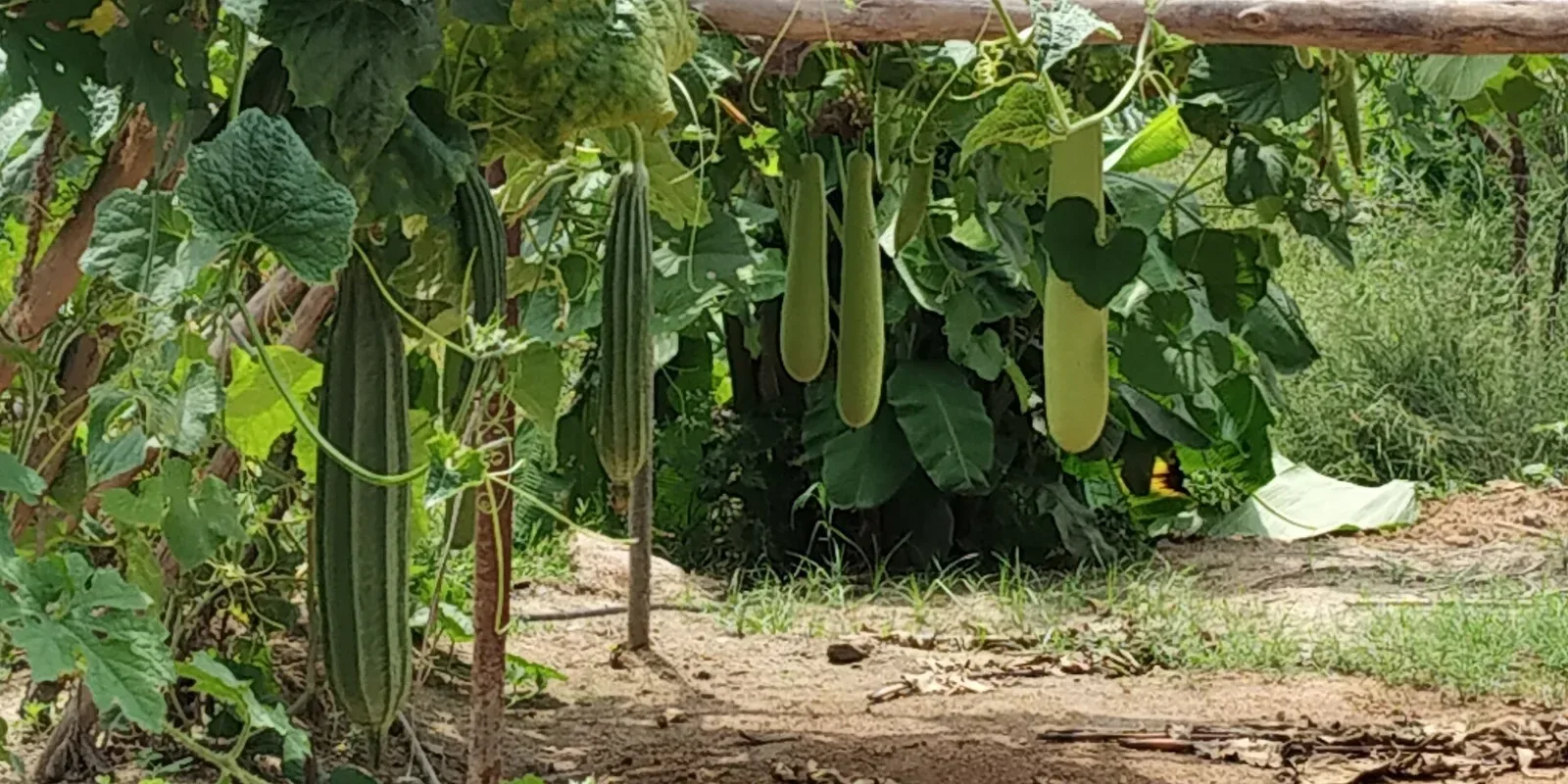
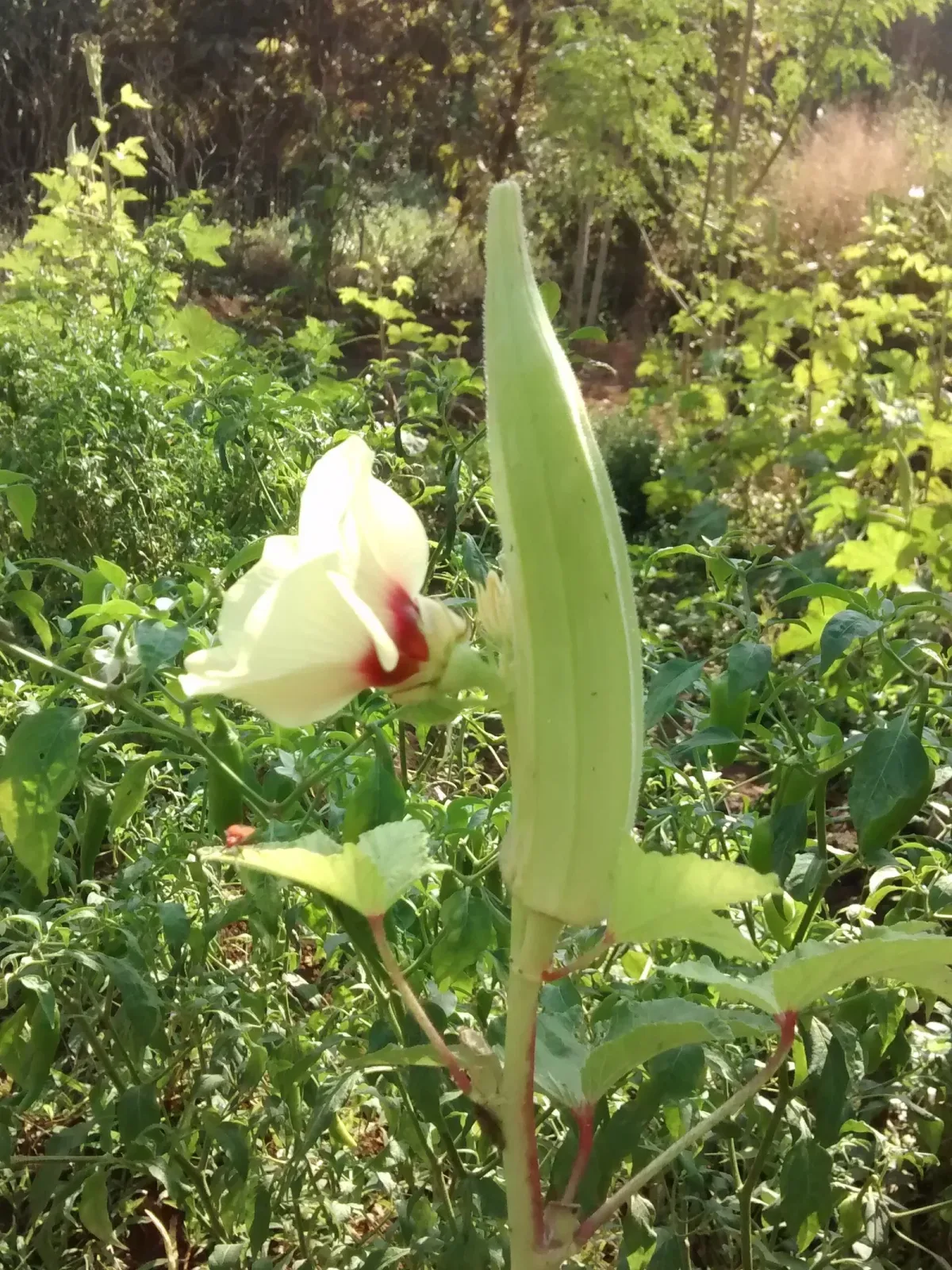
- Kharif (rainy season): sown as the south-west monsoon arrives, around late May and June on the west coast and June to July in most of the north. Okra (bhindi), gourds such as bottle gourd, beans and lobia do well. ICAR Research Complex for Goa notes that on the Kerala, Karnataka, Goa and Konkan coast, kharif crops usually go in towards the end of May with the onset of the monsoon.
- Rabi (winter): sown after the rains, roughly September to November, and harvested through winter and spring. This is the season for peas, cauliflower, cabbage, carrot, radish, palak, methi, coriander, onion and garlic in North India.
- Zaid (summer): a short season between rabi and kharif, sown around February and March, mainly gourds, melons, cucumber and okra that need warmth and regular watering.
These seasons are sharpest in the North Indian plains, where summers are fierce and winters cold. In much of the south and on the coast, the temperature changes less through the year, so the real limits are heavy rain and summer heat, and many crops have two sowing windows.
Four things that move these dates
- Variety: this matters as much as the month. Punjab Agricultural University (PAU) lists radish varieties for sowing in almost every part of the year, from heat-tolerant types for April to August to Japanese White types for November and December. Cauliflower has early, main-season and late varieties, each with its own window. Always read the seed packet.
- Weather: a late monsoon pushes kharif sowing back, and a warm October can make early peas or cauliflower struggle. PAU itself notes that early potato sowing depends on the temperature at the time. Treat every month below as a starting point, then watch your local weather.
- Altitude: the hills follow a very different calendar from the plains in the same state, as the hill table shows.
- Pots versus ground: containers heat up and dry out faster, especially on a terrace. In summer, sow pot crops a little earlier in the season or give them afternoon shade, and in winter pots on a sunny terrace often grow faster than beds in a shaded yard. Our guide to grow bags vs pots helps you choose containers.
Sowing calendar for the North Indian plains
This table is for the Indo-Gangetic plains and nearby areas: Punjab, Haryana, Delhi, western and central Uttar Pradesh, northern Rajasthan and similar climates. It is based mainly on the PAU Package of Practices for Cultivation of Vegetables, with cauliflower timings checked against ICAR-Indian Institute of Vegetable Research (IIVR), Varanasi. In eastern UP, Bihar and other warmer, more humid parts of the plains, many dates shift a little. IIVR, for example, recommends raising the nursery of its early cauliflower variety Kashi Gobhi-25 from the last week of July to the second week of August at Varanasi, and notes it can be transplanted 15 to 20 days earlier in Delhi, Haryana and Punjab.
| Month | Sow seed directly | Sow in a nursery tray or bed | Transplant |
|---|---|---|---|
| January | Muskmelon (kharbuja), watermelon (tarbooz) and summer squash from mid-January, only under a cover such as a low tunnel; spring-type radish (mooli); spring potato in the second half of the month | None for most home gardens; keep nurseries sown earlier covered on frosty nights | Onion seedlings, up to mid-January |
| February | Bottle gourd (lauki), bitter gourd (karela), pumpkin (kaddu), ash gourd (petha), tinda, cucumber (kheera), okra (bhindi), lobia (cowpea), muskmelon and watermelon; sponge gourd from mid-February; summer palak from mid-February | Brinjal (baingan) for a summer crop | Tomato, chilli, capsicum (shimla mirch) and brinjal seedlings raised in October and November |
| March | The same gourds, okra, cucumber and melons; heat-tolerant radish in the second half; palak | Brinjal | Chilli and capsicum, if not done in February |
| April | Summer radish varieties; the last palak sowings; turmeric (haldi) towards the end of the month | Very little; the heat is building | Brinjal from the February to March nursery, before the end of April |
| May | Sponge gourd from mid-May; turmeric can still go in (PAU allows transplanting up to the first half of June) | Very little; prepare beds and pots for the rains | Nothing new; protect what is growing from the heat |
| June | Rainy-season crop of okra, bottle gourd, bitter gourd, pumpkin, ash gourd, tinda, sponge gourd and lobia, once the monsoon arrives | Kharif onion (around mid-June) | Early cauliflower (gobhi) varieties |
| July | The same rainy-season gourds, okra and lobia | Brinjal for an August planting; early cauliflower from late July | Early cauliflower |
| August | Desi carrot (gajar) and desi turnip (shalgam); summer radish | Cabbage (band gobhi), mid-August to mid-September | Brinjal; early and main-season cauliflower |
| September | Desi carrot and turnip; radish from mid-September; winter palak; garlic (lehsun) in the last week; autumn potato from the last week, if the weather has cooled | Lettuce from mid-September; broccoli; cabbage until mid-September | Cabbage; main-season cauliflower until mid-September |
| October | Coriander (dhania) and methi for leaves from the first week; peas (matar) from mid-October; European-type carrot and turnip; palak; potato until mid-October | Tomato (tamatar), brinjal and onion (pyaz); chilli (mirch) and capsicum from late October | Late cauliflower; broccoli and lettuce |
| November | Peas until mid-November; coriander; Japanese White type radish; European carrot | Onion and chilli until mid-November; brinjal for February planting | Tomato, with frost protection; brinjal from the October nursery |
| December | Coriander until the end of the month; Japanese White type radish | Cover nurseries on cold nights | Onion from mid-December; tomato |
A few timings in the table deserve a note:
- Peas: PAU advises sowing from mid-October to mid-November in the plains, because wilt is very common in September sowings. See our guide on how to grow peas in pots.
- Tomato: the main North Indian crop is sown in a nursery in October and transplanted in November and December, with cover against frost. Another lot can be transplanted in February. Our guide to tomato plant care in pots covers the growing side, and tomato plant diseases helps if leaves start spotting in damp, foggy weather.
- Coriander and methi: PAU gives the first week of October as the best time for leaf crops, and coriander sowing can continue up to the end of December. Sow small batches every two weeks for a steady supply of coriander. Our guide to growing methi in pots explains how.
- Carrot and turnip: desi (Asiatic) types go in from August to September and European types from October to November. For pots, see how to grow carrots in pots.
- Frost: in December and January, nurseries and young tomato, brinjal and chilli plants need covering on cold nights in the plains of Punjab, Haryana and western UP.
Sowing calendar for South India
In South India the months matter less for temperature and more for rain. The table below gives the main seasons recommended by Tamil Nadu Agricultural University (TNAU) for the Tamil Nadu plains. Gardeners in the plains and plateau areas of Karnataka, Andhra Pradesh and Telangana can use it as a guide, but check with your state agricultural university or nearest Krishi Vigyan Kendra (KVK), because the timing of the south-west and north-east monsoons differs from place to place.
| Crop | Main sowing or planting months (Tamil Nadu plains, TNAU) |
|---|---|
| Tomato and brinjal (nursery) | May to June, and December to January |
| Okra (bhindi) | June to August, and February |
| Bottle gourd, bitter gourd, snake gourd, ridge gourd, ash gourd | July and January |
| Pumpkin | June to July, and December to January |
| Cucumber | June, or January to April |
| Watermelon | November to December |
| Cowpea (lobia) | June to July as a rain-fed crop; February to March with irrigation |
| Cluster bean (guar) | June to July, and October to November |
| Peas and French beans | Peas in February to March and October to November; French beans in October to November |
| Cabbage | August to November |
| Cauliflower | Grown in the plains from September to February, using varieties suited to the plains |
| Beetroot | July to August |
| Carrot | August |
| Radish | September |
| Onion | Bellary (big) onion in May to June; small onion (sambar onion) bulbs in April to May and October to November |
| Potato (plains) | October to November |
| Amaranth (chaulai) | Any time of year |
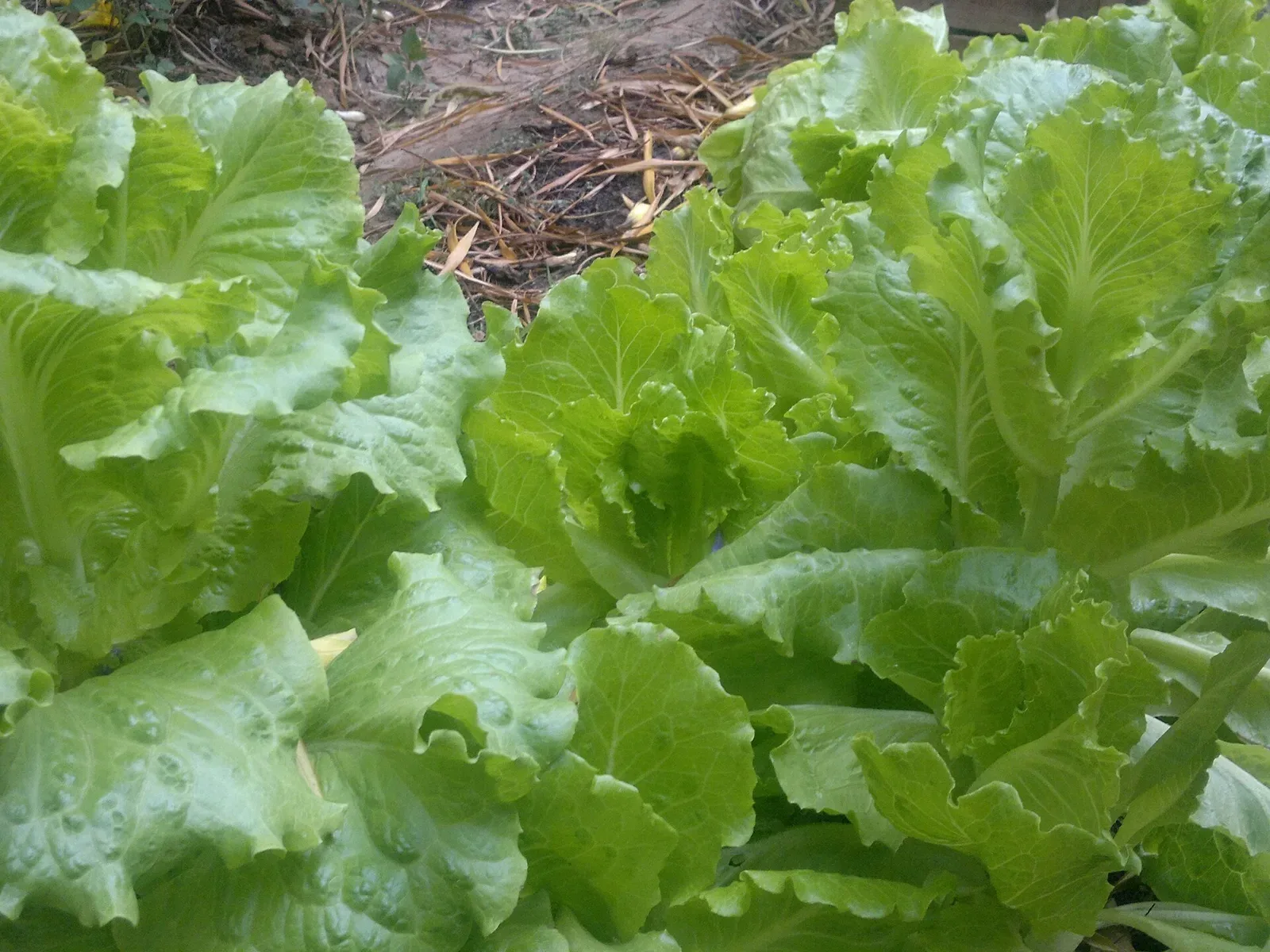
Cool-season crops such as cauliflower, cabbage, carrot and peas grow in the plains of South India only in the mildest months, roughly from the end of the rains to February. Choose varieties bred for the tropics or for the plains, not those meant for the hills. In the hottest months, March to May, leafy crops such as amaranth and quick crops of okra and gourds with regular watering are the safest choice. In coastal Tamil Nadu, avoid sowing just before the heaviest north-east monsoon rain in October and November, when seedlings can be washed out or rot.
Sowing calendar for the west coast
The coast from Kerala through coastal Karnataka and Goa to the Konkan gets very heavy south-west monsoon rain from June to September, and stays warm and humid all year. Kerala Agricultural University (KAU) recommendations work as a guide for the whole strip.
| Crop | Kerala sowing or planting window (KAU) |
|---|---|
| Bitter gourd, bottle gourd, pumpkin, ash gourd | May to August as a rain-fed crop; January to March and September to December with irrigation |
| Snake gourd and cucumber | January to March and September to December, with irrigation |
| Watermelon | December to April |
| Chilli and brinjal | May to June, before the south-west monsoon; September to October for an irrigated crop |
| Tomato | October to November, as an irrigated crop |
| Okra (bhindi) | January to February, May to June, and September to October |
| Cowpea (vegetable lobia) | After the first week of June as a rain-fed crop; September to October; January to February in summer |
| Amaranth (cheera, chaulai) | All year, with summer the best season; use raised beds in the rains |
On the coast, many crops are grown in two ways: as a rain-fed crop sown with the monsoon, and as an irrigated crop sown after the rains, often in rice fields after the paddy harvest. ICAR Research Complex for Goa lists brinjal, chilli, cluster bean, amaranth, okra, onion, bottle gourd, pumpkin and sweet potato among the vegetables grown there in the post-monsoon season, and notes that okra does best when sown from June to August. In the heaviest rain, grow on raised beds or ridges and train gourds up a pandal or trellis so the fruit stays off wet soil.
Sowing calendar for the hills
The hills turn the plains calendar on its head. Summer, not winter, is the main growing season for tomatoes, beans and cucumbers, and many crops that are winter vegetables in the plains are sown in spring or early summer. The table is based on the Sher-e-Kashmir University of Agricultural Sciences and Technology of Jammu (SKUAST-Jammu) package of practices for its intermediate zone (1,000 to 1,500 m) and temperate zone (above 1,500 m). Gardeners at similar heights in Himachal Pradesh and Uttarakhand can use it as a starting point. Below about 1,000 m, the foothills follow something closer to the plains calendar.
| Crop | Mid hills (about 1,000 to 1,500 m) | Higher hills (above about 1,500 m) |
|---|---|---|
| Tomato (nursery) | February to March, transplant March to April | March to April, transplant April to May |
| Chilli and capsicum (nursery) | March to April | April to May |
| Brinjal (nursery) | March to April | March to April, in warmer pockets only |
| Cucumber, bottle gourd, bitter gourd, pumpkin | March | April to May |
| Okra | March to May | April to May |
| French beans | March to April | March to April, and May to June |
| Cauliflower | May, and August to September | April to May |
| Cabbage | July to August | May to June |
| Radish | Mid-August to November | March to June, and August to September |
| Carrot | August to September (desi); October to November (European) | April to August |
| Turnip | September to October | April to August |
| Peas | Mid-September to October | October to November, and May |
| Palak | June to September | March to June |
| Methi | August to September | March to April, and May to June |
| Potato | September | April to May |
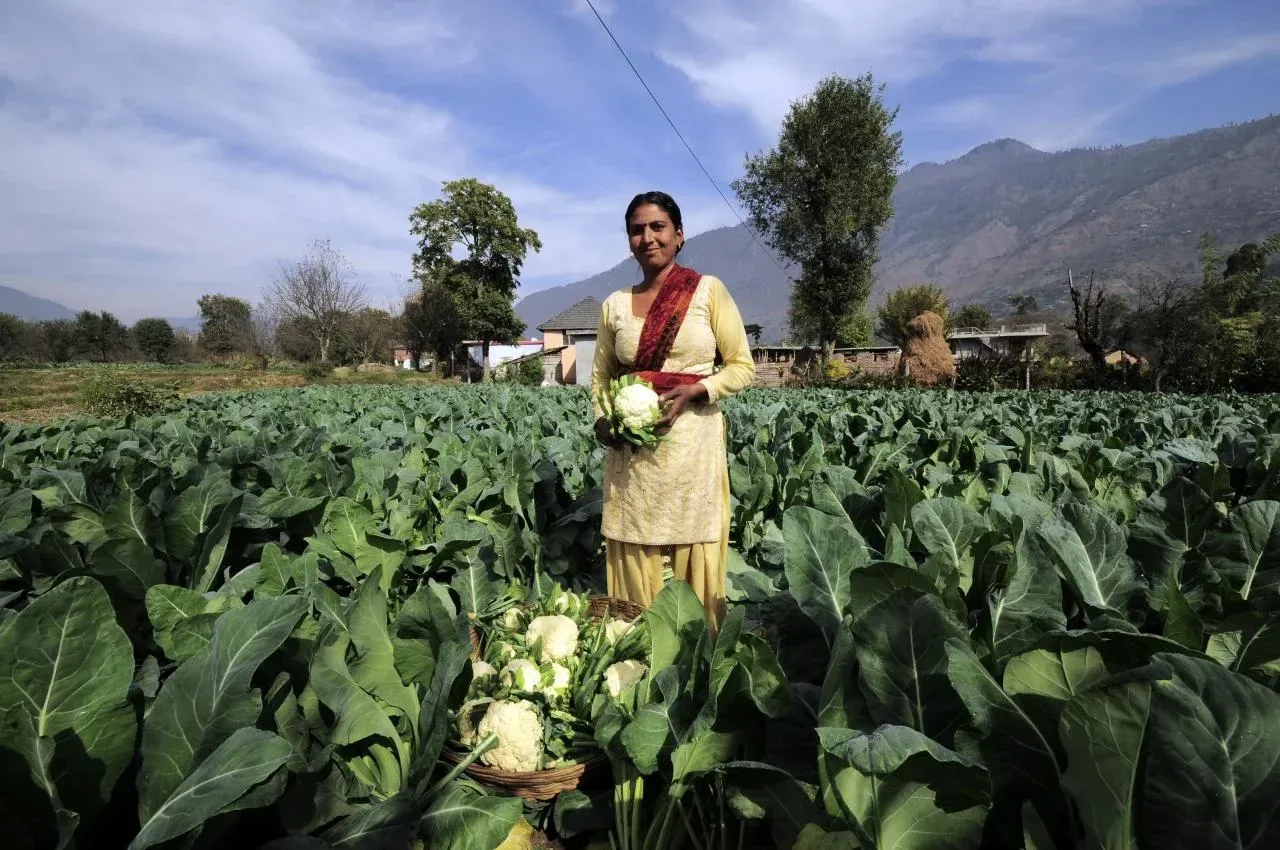
In the Nilgiris and other southern hills, TNAU recommends planting cabbage in January to February, July to August and September to October. Carrot can be grown all year above 1,500 m with assured irrigation, and from July to February between 1,000 and 1,500 m. Potato is planted in March to April (summer crop) and August to September (autumn crop), with an irrigated crop in January to February. In the north-eastern hill states, where rain is very heavy for much of the year, follow your state agriculture department or KVK calendar, since conditions change a lot from one valley to the next.
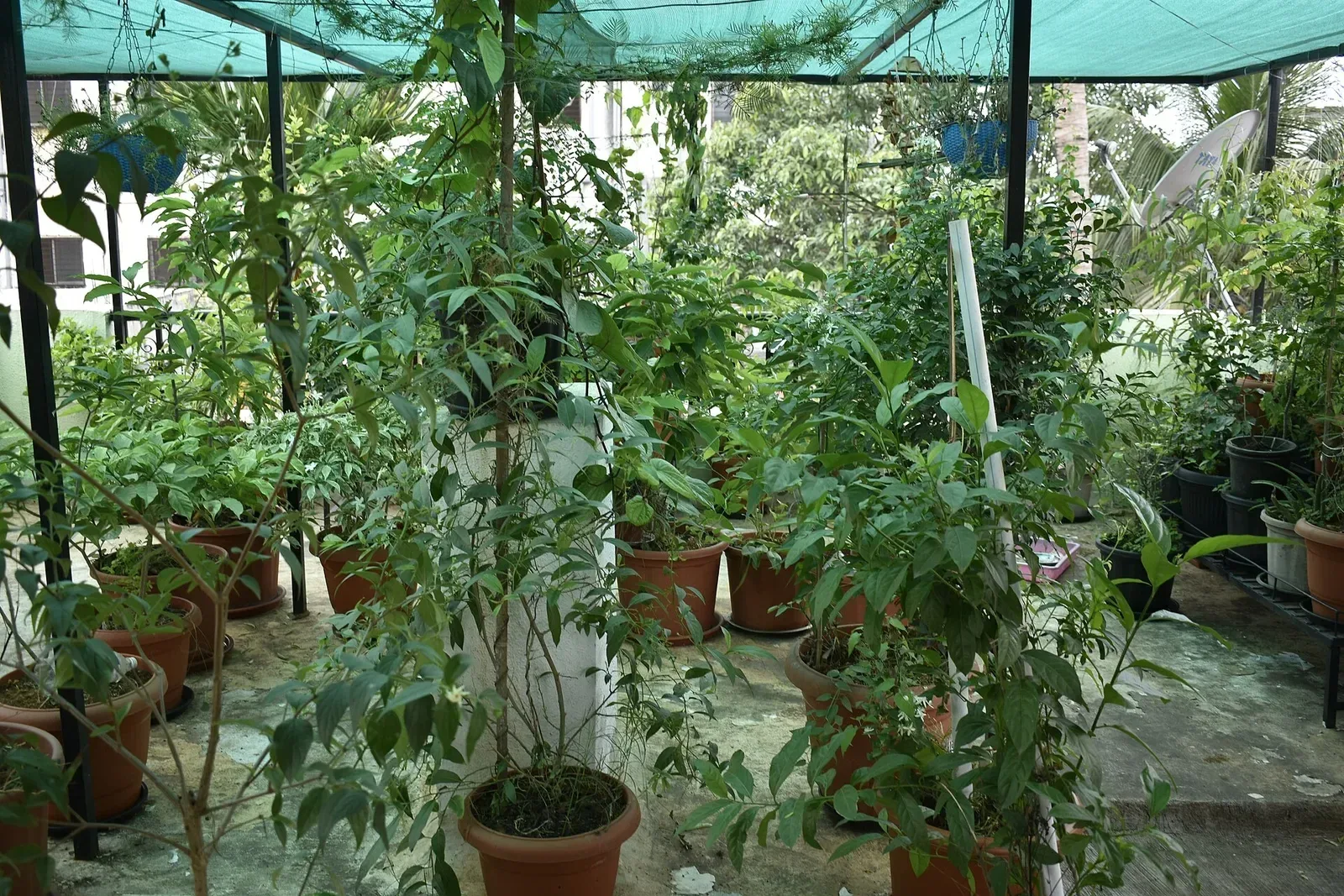
Using the calendar in pots and grow bags
- Fast crops first: radish, palak, methi, coriander, lettuce and leafy greens suit pots in any region and are ready in weeks. See our guides on radish in pots and palak in pots.
- Sow in batches: PAU recommends staggered sowing of coriander, carrot, radish, methi and okra at fortnightly intervals for a continuous supply. In a small garden, sow a short row or one pot every two weeks instead of everything at once.
- Give big crops big containers: tomato, brinjal and chilli need at least a 30 to 40 litre container, and gourds need even more root space plus a trellis.
- Plan two crops a year for each pot: for example, okra or a gourd in the rains followed by peas or palak in winter in the north. Refresh the mix with compost between crops.
- Perennials are different: mint and curry leaf are started from cuttings or nursery plants rather than sown by the calendar. Plant them at the start of the rains in the north or any mild, humid spell in the south.
- Watch summer heat: on a North Indian terrace, May and June are hard on most vegetables in pots. Our tips to protect plants from heat help you get through.
Common sowing mistakes
- Following a calendar made for another region. A list made for Bengaluru will mislead a gardener in Lucknow, and the reverse.
- Sowing cool-season crops too early. Peas, cauliflower, cabbage, lettuce and coriander sown in hot weather often wilt, bolt or never form a good head.
- Sowing warm-season crops too late. Okra, gourds and cucumber sown as nights turn cold grow slowly and give little.
- Ignoring the seed packet. The variety on the packet may have a different window from the general one, so trust it when it is from a reliable source.
- Sowing everything at once. You end up with ten heads of cabbage in one week and none the next month.
Watch: a 12-month vegetable calendar for Indian gardens
This Hindi video from an Indian home gardening channel walks through the year month by month and starts by asking viewers to work out their climate zone, which fits the approach in this guide. Use it together with the regional tables above.
Sources
- Punjab Agricultural University, Package of Practices for Cultivation of Vegetables: sowing times for the North Indian plains.
- ICAR-Indian Institute of Vegetable Research, Varanasi, Kashi Gobhi-25: an early cauliflower variety for the North Indian plains (Indian Horticulture, ICAR).
- TNAU Agritech Portal, Horticulture: vegetable crops, seasons for the Tamil Nadu plains and hills.
- Kerala Agricultural University recommendations, as compiled in the Organic Package of Practices for Horticultural Crops (National Centre for Organic and Natural Farming).
- ICAR Research Complex for Goa, Ready Reckoner on Production Methods for Select Vegetable Crops (Technical Bulletin 36, 2013).
- SKUAST-Jammu, Package of Practices for Vegetable Crops (2020): sowing times for the intermediate and temperate zones.
Comments
No comments yet — share what worked in your climate.