
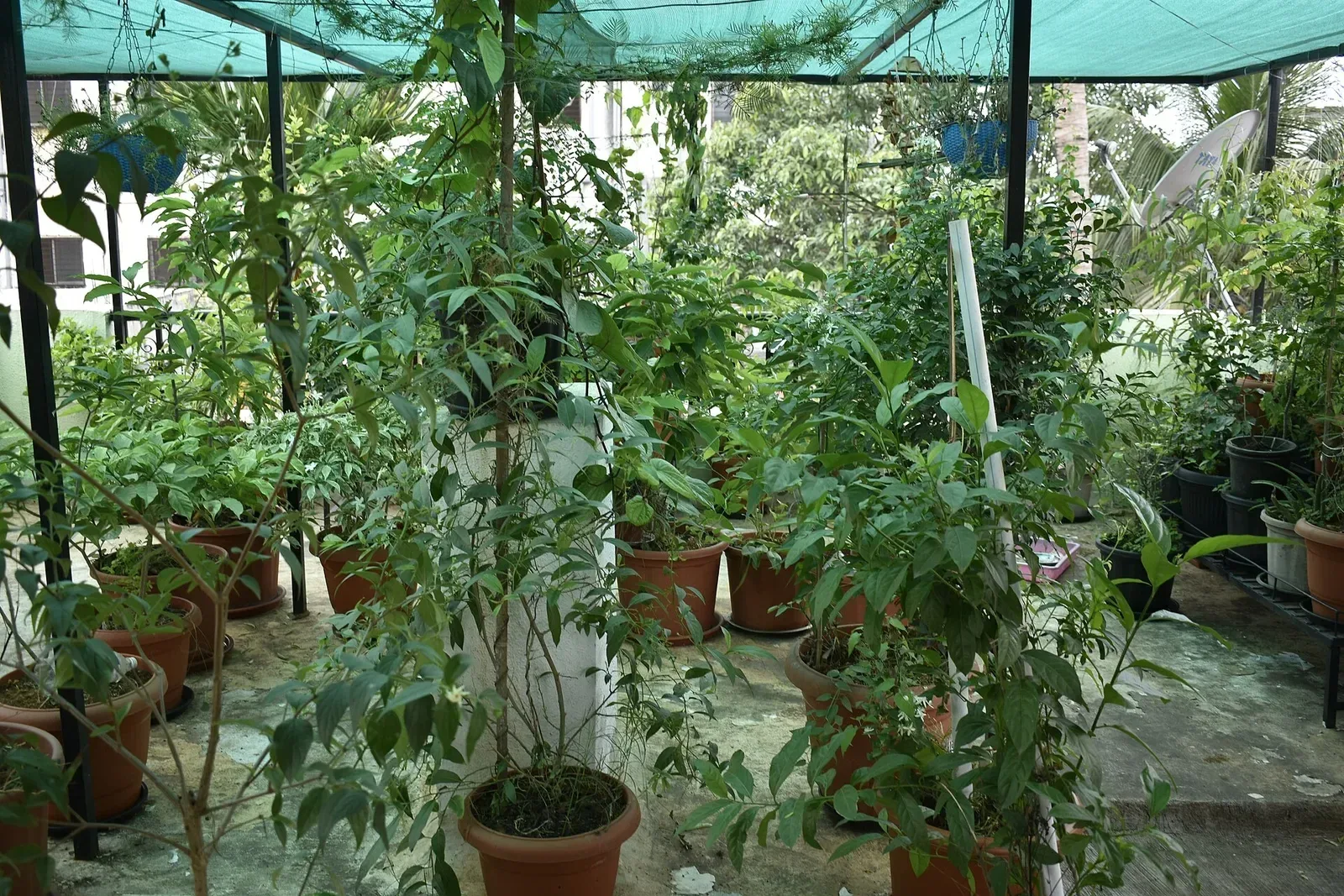
The best vegetables to grow in the monsoon in India are warm-season crops sown with the rains: bhindi (okra), lauki (bottle gourd), turai (ridge and sponge gourd), karela (bitter gourd), kheera (cucumber), kaddu (pumpkin), lobia (cowpea), gwar (cluster bean), and leafy greens such as chaulai (amaranth) and poi (Malabar spinach). In the northern plains, most of these are sown in June to July. In the hills, sowing happens earlier, in April to June. In Kerala, rainfed sowing starts with the first showers in May to June. Plan for drainage, trellises and pests, because rain brings rot, fruit fly and leaf diseases.
Sowing months by region
There is no single monsoon calendar for India. These windows come from state agricultural universities and ICAR institutes; check your local KVK for your district.
Northern plains (Delhi, UP, Haryana, Punjab, Bihar, plains of Uttarakhand)
| Vegetable | Rainy-season sowing | Source |
|---|---|---|
| Bhindi (okra) | June to July | TNAU (North India); GB Pant University gives May to June |
| Lauki, turai, karela, kheera | June to July | GB Pant University; ICAR-IIVR |
| Kaddu (pumpkin) | June to July | ICAR-IIVR |
| Lobia (cowpea) | June to July | ICAR-IIVR |
| Tomato, brinjal, chilli (transplant) | June to July | GB Pant University |
Hills (Uttarakhand example)
| Vegetable | Sowing | Source |
|---|---|---|
| Gourds and cucumber | April to May | GB Pant University |
| Tomato, brinjal, capsicum, French bean | April to June | GB Pant University |
| Chilli | April to May | GB Pant University |
| Ginger and turmeric | April to May | GB Pant University |
In the hills, most warm-season vegetables need to be in the ground before the heaviest rain, so they establish first.
Kerala and the West Coast
| Vegetable | Sowing | Source |
|---|---|---|
| Bitter gourd, bottle gourd, pumpkin, ash gourd | Rainfed crop sown after the first showers in May to June (main seasons January to March and September to December) | KAU |
| Okra | June to July (also February to March and October to November) | KAU |
| Ridge gourd | May to June (also February to March) | KAU |
| Cluster bean | June to July (also February to March), on ridges in the rainy season | KAU |
| Malabar spinach (Basella) | May to June (also September to October) | KAU |
| Amaranth | Year-round; avoid red-leaved types in heavy rain; plant on raised beds in the rainy season | KAU |
Tamil Nadu
TNAU gives July (and January) as sowing months for bottle gourd and bitter gourd. Much of Tamil Nadu gets its main rain from the northeast monsoon in October to December, so the "monsoon" sowing there differs from the rest of India.
Other regions
We did not find a single reliable home-garden calendar for the Northeast, East, Central and Western India, Karnataka, Andhra Pradesh or Telangana, so we have not invented one. Follow your state agricultural university or KVK. The general rule is to sow warm-season vegetables as the monsoon sets in, once the soil has cooled from peak summer. In Tamil Nadu, the state agriculture department gives these planting seasons:
| Vegetable | Tamil Nadu planting season |
|---|---|
| Bhindi (lady's finger) | June to August, and February |
| Bottle gourd, bitter gourd, ridge gourd, snake gourd | July to January |
| Pumpkin | June to July, and December to January |
| Brinjal | December to January, and May to June |
Best monsoon vegetables for pots and terraces
- Bhindi: upright, compact, does well in deep pots or grow bags. See our okra flower drop guide and yellow vein mosaic guide.
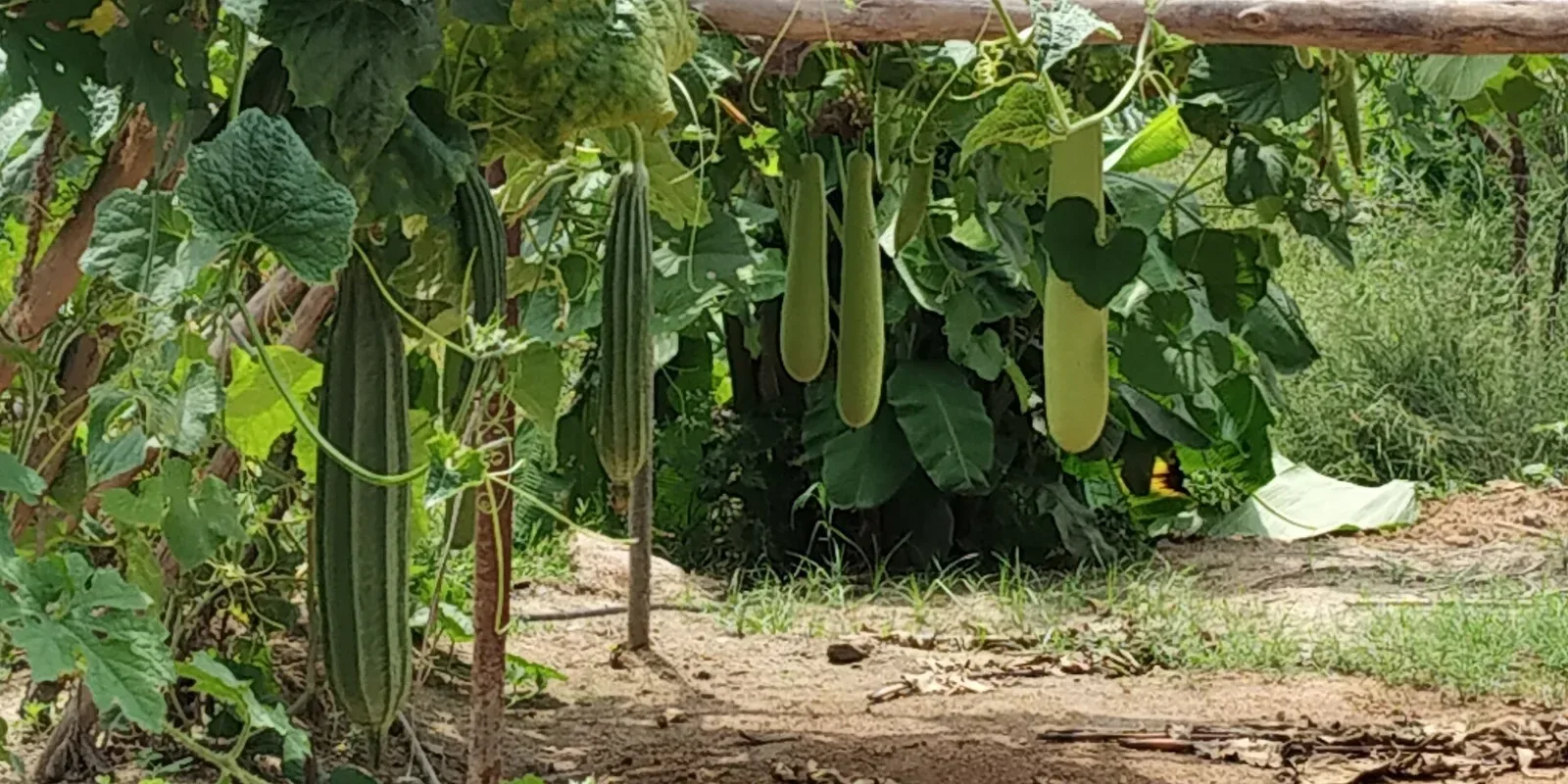
- Lauki, turai, karela, kheera: need a large container and a trellis or railing. Hand pollination often helps on terraces; see our lauki and turai guides.
- Lobia (cowpea): IIVR's bush varieties such as Kashi Kanchan and Kashi Gauri are dwarf and flower 35 to 45 days after sowing; pole types climb. IIVR advises light watering and no waterlogging.
- Gwar (cluster bean): sow on ridges in rainy weather, as KAU advises.
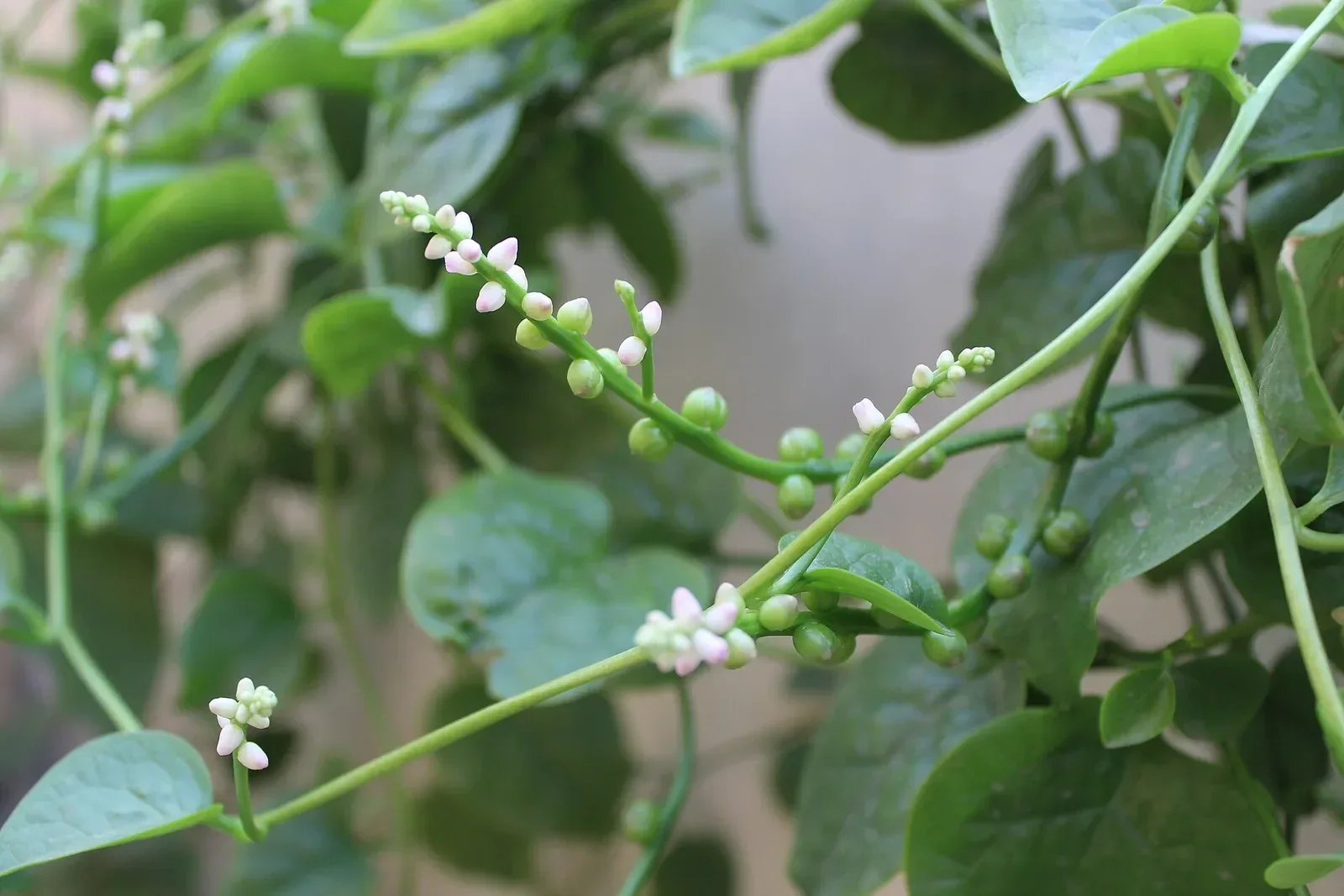
- Chaulai (amaranth) and poi (Malabar spinach): quick leafy crops; poi climbs and likes warmth and moisture.
- Chilli and brinjal: transplant seedlings in June to July in the plains (GB Pant University).
Monsoon care on a terrace
Drainage first
Waterlogging kills more monsoon vegetables than anything else. Use pots and grow bags with drainage holes, raise them off the floor on bricks or stands, and keep terrace drains clear. KAU recommends raised beds for amaranth in the rainy season and ridges for cluster bean; the same principle applies in pots. For setup, see our terrace garden setup guide.
Support climbers early
Put up trellises, nets or strings at sowing time. Gourds that hang are less prone to rot than gourds lying on wet soil; TNAU recommends training bottle gourd over supports to check fruit rot in the rainy season.
Watch for monsoon pests and diseases
- Fruit fly on gourds: young fruits rot or shrivel with maggots inside.
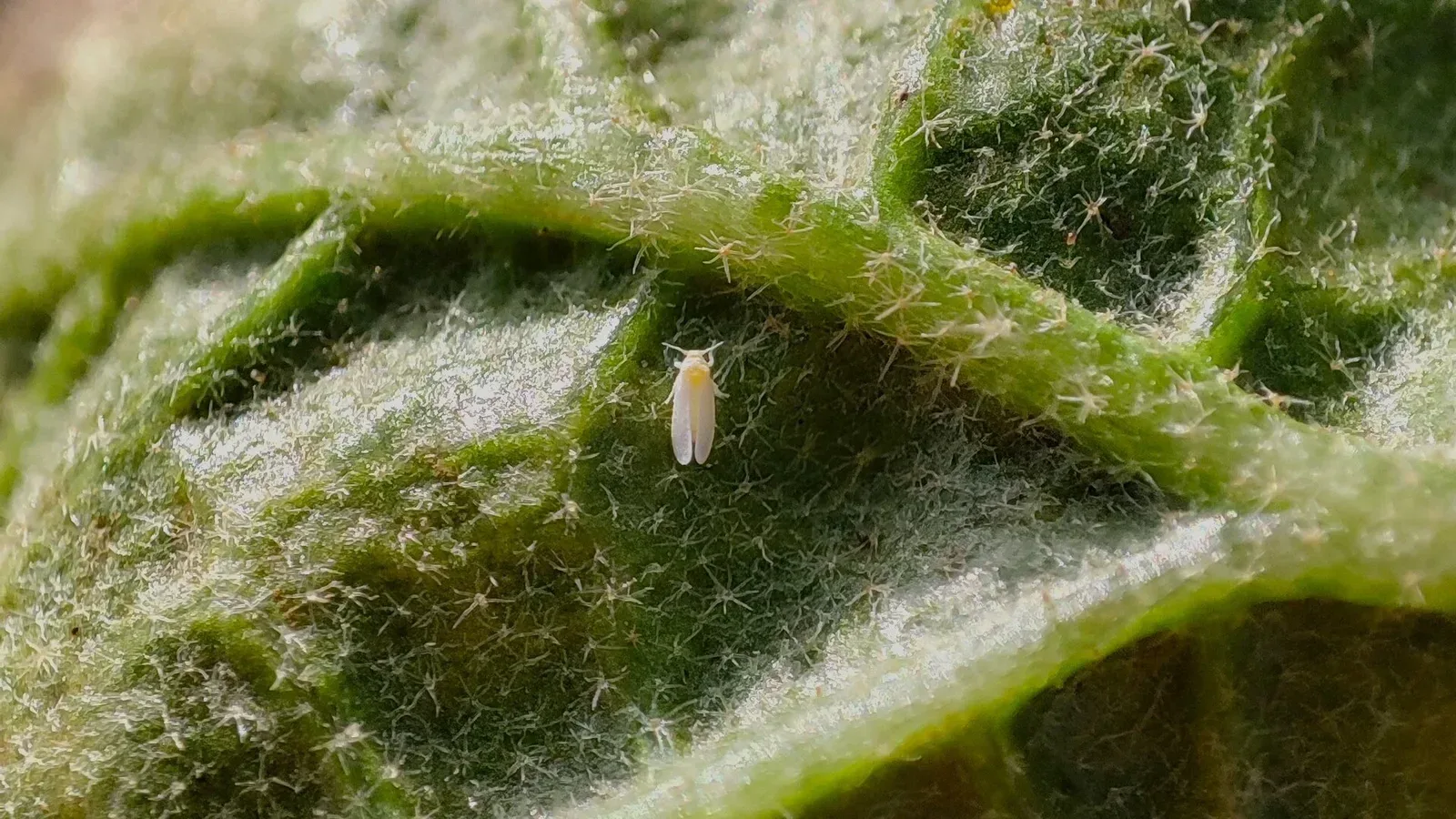
- Whitefly on bhindi, carrying yellow vein mosaic: see our whitefly page.
- Leaf spots and mildews in humid weather: see leaf spot and powdery mildew.
- Root and stem rot in waterlogged pots: see root rot.
Feed lightly and often
Heavy rain washes nutrients out of pots. Top up with compost every few weeks. We do not give fertiliser rates here.

What not to sow in the rains
- Cool-season crops such as methi, spinach (palak), coriander, peas, cabbage and cauliflower (in the plains): save these for September to November.
- Red-leaved amaranth in heavy rain (KAU advises against it).
- Tomato outdoors in very heavy rain: TNAU notes excessive rain causes flower drop. If you grow it, keep it under a roof overhang.
Watch: vegetables to grow in June and July
A video on seven vegetables to sow in June and July.
Related plants and guides
- Okra (bhindi), bottle gourd, ridge gourd, bitter gourd, pumpkin
- Cowpea (lobia), cluster bean (gwar), red amaranth, Malabar spinach
- Balcony and terrace gardening in India
- Indoor plant care in the monsoon, for houseplants rather than vegetables
- Planting calendar
Sources
- Tamil Nadu Department of Agriculture: Cropping season for major horticulture crops (Tamil Nadu planting seasons for banana, papaya, pomegranate, tomato, brinjal, okra, gourds and drumstick). Accessed 10 Nov 2026.
- GB Pant University of Agriculture and Technology: Kharif season advisory 2020 (vegetable sowing for Uttarakhand plains (June to July) and hills (April to June)). Accessed 10 Nov 2026.
- ICAR-IIVR: Cowpea (kharif sowing June to July; bush varieties; avoid waterlogging). Accessed 10 Nov 2026.
- ICAR-IIVR: Pumpkin (kharif sowing June to July). Accessed 10 Nov 2026.
- ICAR-IIVR: Bottle gourd (kharif sowing June to July). Accessed 10 Nov 2026.
- ICAR-IIVR: Ridge gourd (kharif sowing June to July). Accessed 10 Nov 2026.
- Kerala Agricultural University: Package of Practices Recommendations, Crops 2011 (Vegetables) (Kerala sowing months for gourds, okra, cluster bean, Basella, amaranth; raised beds in rains). Read on 9 Nov 2026; the site returned errors on the 10 Nov 2026 recheck.
- TNAU Agritech (organic farming): Bhendi climate and season (North India rainy-season okra sown June to July). Accessed 10 Nov 2026.
- TNAU Agritech: Bottle gourd (July and January sowing; training against rainy-season fruit rot). Accessed 10 Nov 2026.
- TNAU Agritech: Bitter gourd (July and January sowing). Accessed 10 Nov 2026.
- TNAU Agritech (organic farming): Tomato climate (excessive rain causes flower drop). Accessed 10 Nov 2026.



Comments
No comments yet — share what worked in your climate.