| ☀️ Light | Full sun |
|---|---|
| 💧 Water | Moderate (lightly moist) |
| 🪴 Soil | Fertile, well-drained, sandy loam; pH 6.0 to 6.5 |
| 🌡️ Temp | 4°C – 35°C |
| 🐾 Safety | Cats: toxic · Dogs: toxic |
| 📏 Mature size | 1.2 m |
Where It Grows & Climate Tolerance
Pet & Companion Animal Toxicity (How to Grow Gladiolus in Canada)
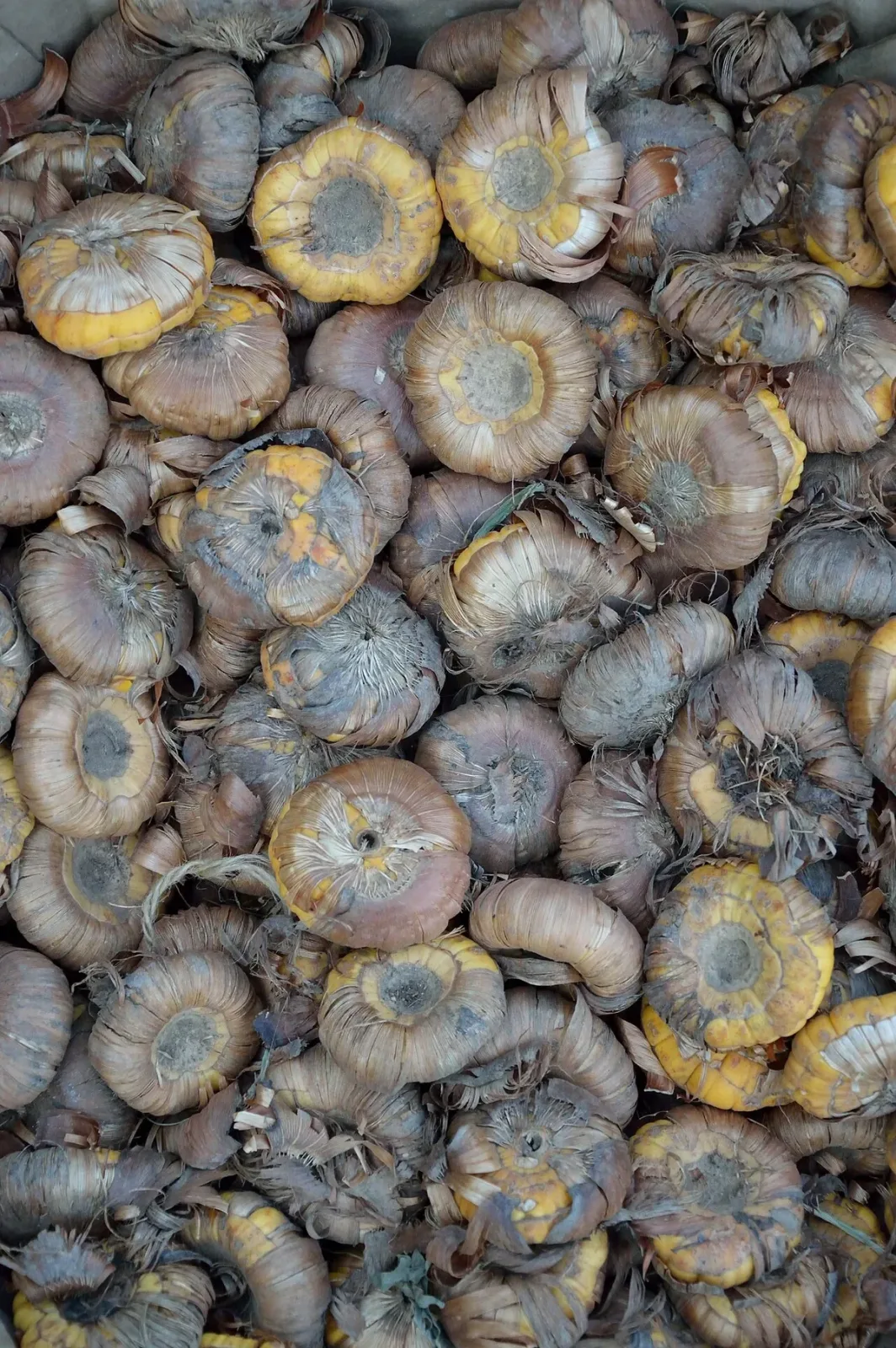
From Nanaimo to Halifax, glads are a summer cutting flower grown from bulbs (corms) set out after the spring frost. Agriculture and Agri-Food Canada notes they cannot survive winter outdoors across most of the country, so gardeners dig them at Thanksgiving and keep them in a cold room, or buy new ones each spring.
Care instructions
Care Guide & Maintenance Routine
Plant glad bulbs 10 to 15 cm deep in the sunniest bed once frost risk is past, around mid-May on the Prairies. Add a new row every two or three weeks until late June. Soak during July droughts, stake tall kinds against thunderstorms, and cut spikes as bottom florets colour. Dig in October, cure in the garage and keep at 2 to 7°C.
Light & Sunlight
NC State recommends full sun with shelter from strong wind. PAU notes most varieties need at least 8 hours of light a day; spike quality is better in long days, while corm and cormel production improves in short days.
Watering Schedule
Keep soil evenly moist while plants grow; NC State warns against letting the soil dry out. PAU notes the stage just after sprouting and the 4 to 6 leaf stage are very sensitive to water shortage, and advises stopping irrigation 4 to 6 weeks before lifting corms.
Potting Mix & Drainage
Fertile, well-drained, sandy loam; pH 6.0 to 6.5
Temperature & Humidity
October frost blackens foliage, and bulbs left in the ground freeze solid almost everywhere except mild coastal BC. Keep stored bulbs between 2 and 7°C, never below freezing; a heated garage or basement cold room usually works. Prairie heat waves in August shorten bloom.
Gladiolus in Canadian gardens
Glads have a long history in Canada. AAFC notes that in the 1970s gladiolus was the tenth most important floral crop in the country, with about a million spikes a year grown in Ontario. Today most cut glads sold in Canada are imported, but they remain a favourite in home cutting gardens, and the University of Saskatchewan notes they attract hummingbirds.
Planting dates
Plant once the soil is workable and frost danger is low. Average last frost dates from ECCC 1991-2020 normals, compiled by GrowersGuide.ca, are 26 March in Vancouver, 22 April in Windsor, 29 April in Montréal, 7 May in Ottawa, 8 May in Halifax, 16 May in Fredericton, 22 May in Edmonton and 26 May in Calgary. Corms can go in a week or two before the last frost because shoots take time to emerge.
Staggered planting
AAFC suggests planting at two- or three-week intervals, mixing early, mid and late cultivars. AAFC adds that 70 to 90 days are needed from planting to mature corms, so the last batch should go in by about late June where fall frost comes in September.
Wind on the Prairies
The University of Saskatchewan notes glads are prone to breaking in prairie winds and recommends planting them in clumps rather than rows, with stakes. It suggests planting them beside peonies, which take the same care; the glads flower in August, long after the peonies finish.
Digging and storing glad bulbs
AAFC advises digging corms 4 to 6 weeks after the flowers fade or once the tops die, curing them, and storing them through winter at 2 to 7°C in a well-ventilated, dry place. A cold room, an unheated basement corner or a garage that stays above freezing all work.
Hardiness
NC State rates garden hybrids hardy only to USDA zone 7a. A few corms left in the ground may survive mild winters in coastal BC, but in most of Canada they will freeze.
A typical Ontario season
In Toronto or Ottawa, set out the first corms in early May while tulips are still flowering, then add a batch after Victoria Day and another in mid June. The first spikes open in late July, the busiest stretch runs through the August long weekend, and late batches carry on past Labour Day. After the first frost, usually in early to mid October, dig the clumps, shake off the soil and spread them on newspaper in the garage for a few weeks before bagging.
Region notes
- Lower Mainland and Vancouver Island: the longest season; plant from April.
- Calgary, Edmonton, Saskatoon: plant in mid to late May; use early cultivars so corms ripen before September frost.
- Winnipeg: hot summers suit glads; water deeply in July dry spells.
- Atlantic provinces: plant in late May in the sunniest, most sheltered bed.
Questions from Canadian readers
- Can I just treat glads as annuals? Yes. AAFC notes many Canadian gardeners do, buying fresh corms each spring.
Seasonal rhythm
Seasonal Calendar
| Month | Care Tasks | Seasonal Focus |
|---|---|---|
| Jan | protect | New Year: open the bags in the cold room; toss soft or mouldy bulbs. |
| Feb | protect | Family Day: confirm the storage spot stays above freezing. |
| Mar | protect | March break: buy fresh bulbs at the hardware store; choose firm ones. |
| Apr | plant | Vancouver Island and the Lower Mainland: first row goes in. |
| May | plant | Victoria Day long weekend: plant in Ontario, Quebec and the Prairies. |
| Jun | plant, feed | Mid June: last succession row; feed as leaves unfold. |
| Jul | harvest, protect | Canada Day: tie tall spikes before thunderstorm season. |
| Aug | harvest | Civic holiday: peak blooms; cut early, before the heat. |
| Sep | harvest | Labour Day and back to school: late cultivars open. |
| Oct | harvest, protect | Thanksgiving: dig once frost blackens the leaves. |
| Nov | protect | Remembrance Day: cure in the garage, snap off old bulbs, label bags. |
| Dec | protect | Before the holidays: bags in a ventilated cold room at 2 to 7°C. |
Diagnostics
Common Problems & Troubleshooting
Corm rot in wet soil; yellowing and wilting from Fusarium; streaked, deformed flowers from thrips; spikes falling over in wind; no flowers from small corms or shade; corms shrivelling in warm storage.
Pests & seasonal watch: Gladiolus thrips multiply in hot Ontario summers and hide on stored bulbs over winter. Leafhoppers spread aster yellows, giving stunted, greenish blooms; Wisconsin Horticulture notes it usually hits scattered plants. Botrytis spots blooms in a cool, rainy September.
- Yellow leaves — Leaves fade from green to yellow, often starting at the bottom.
- Drooping — Stems and leaves hang limp even though the plant was recently fine.
- Root rot — Roots turn brown and mushy in soil that stays wet.
- Spider mites — Fine webbing and pale speckled leaves, worse in dry heated rooms.
- Thrips — Silvery streaks and twisted new leaves, sometimes with black specks of frass.
- Aphids — Clusters of small soft insects on new tips, often sticky.
- Grey mould — Fuzzy grey mould on faded flowers, damaged leaves or soft stems.
- No flowers — A flowering houseplant stays leafy and will not bloom.
Similar Botanical Matches
Grower field notes
Reader Field Notes in Canada
Share how this plant performs in your local Canada climate.