| ☀️ Light | Low light |
|---|---|
| 💧 Water | Low (allow soil to dry) |
| 🪴 Soil | Well-draining indoor potting mix; not fussy |
| 🌡️ Temp | 10°C – 26°C |
| 🐾 Safety | Cats: non-toxic · Dogs: non-toxic (ASPCA Animal Poison Control) |
| 🏔️ Hardiness | Indoors in Canada. Outdoors hardy in USDA zones 7-11 only (NC State Extension) |
| 📏 Mature size | 90 cm |
Where It Grows & Climate Tolerance
Pet & Companion Animal Toxicity (Cast Iron Plant)
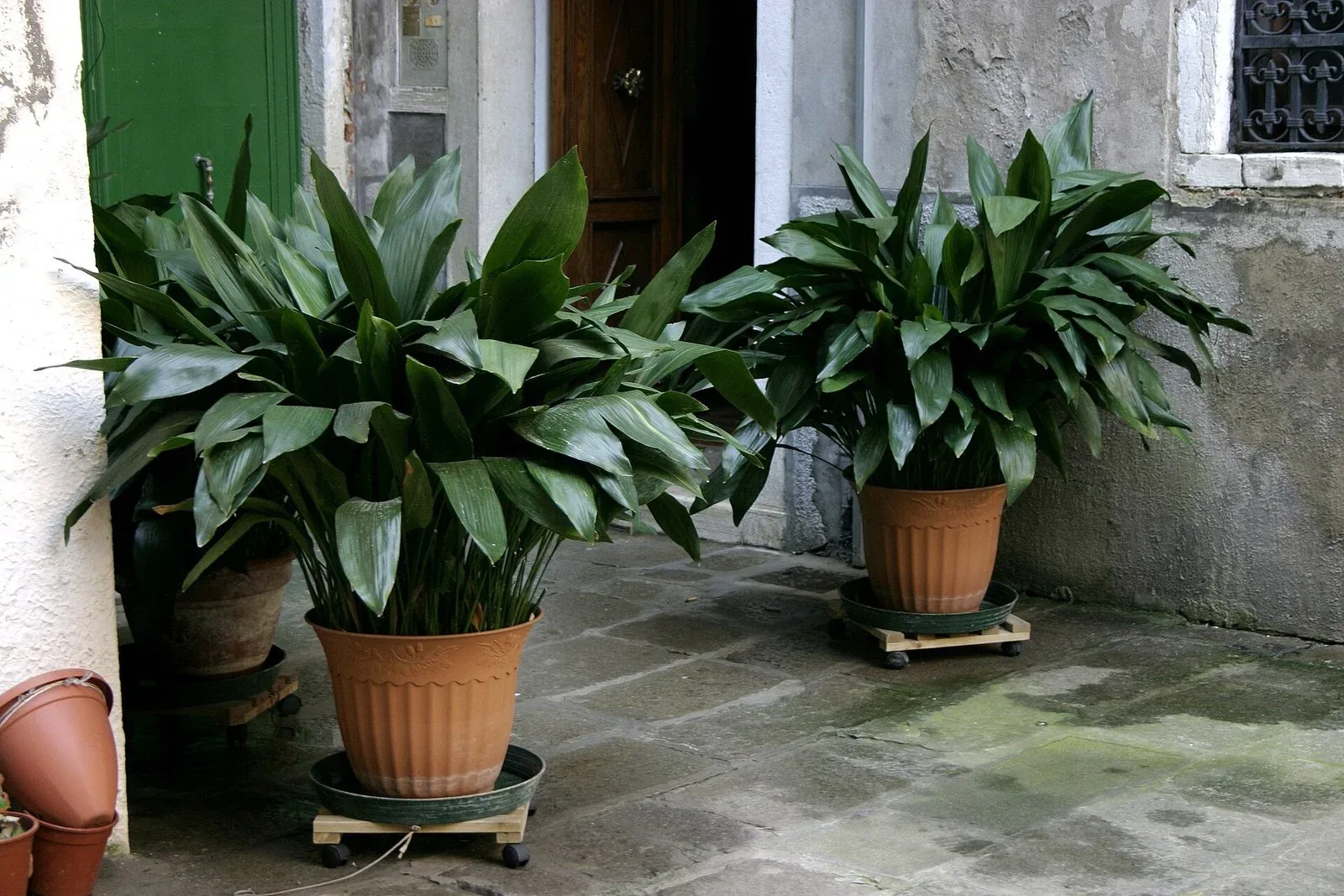
Nearly indestructible, pet-safe foliage plant that grows well in dim corners, dry air and neglect. Slow-growing with glossy dark green leaves.
Care instructions
Care Guide & Maintenance Routine
Low to medium indirect light; tolerates dim corners. Water when the top half of the soil is dry (every 10-30 days). 10-26 C. No feeding October-February. Non-toxic to cats and dogs.
Light & Sunlight
Low to medium indirect light; tolerates dim corners; avoid direct sun
Watering Schedule
Low: water when the top half of the soil is dry (about every 10-30 days)
Potting Mix & Drainage
Well-draining indoor potting mix; not fussy
Temperature & Humidity
Verified temperature range: 10°C–26°C (50°F–79°F). Protect from cold drafts and direct airflow from heating or cooling vents.
Cast iron plant (Aspidistra elatior) earned its name by surviving neglect that kills most houseplants. It is an evergreen, rhizomatous perennial from Japan that forms upright clumps of broad, glossy leaves, and NC State Extension describes it as a good evergreen "hosta substitute" for low-light spots, including indoors in pots.
Low light and low fuss
It prefers partial to full shade and is intolerant of direct sun. That makes it one of the best choices for the dim, north-facing rooms and apartments common across Canada. It is also drought tolerant and copes with average household air, so it needs no special humidity. The trade-off is pace: it grows very slowly, so buy the size you want.
Watering
The thick underground rhizome stores water, so water only when the top half of the soil has dried out, rather than on a fixed schedule. In a dim winter spot that can be three to four weeks between waterings. Yellow leaves almost always mean overwatering, and brown crispy tips usually mean salt build-up from tap water or fertilizer. In hard-water cities, filtered or rain water can help.
Temperature and hardiness
Indoors it is happy at roughly 10-26 C and tolerates cooler rooms better than most houseplants, but keep it above about 7-10 C and out of cold drafts. Outdoors it is only hardy in USDA zones 7-11, so in Canada it is a houseplant.
Feeding and propagation
Stop feeding from October to February. To propagate, divide the rhizome and keep the divisions warm, in indirect light and on the drier side. Do not fertilize them for the first six months.
Pets
The ASPCA lists cast iron plant as non-toxic to dogs, cats and horses, so it is a good option for homes with pets.
Seasonal rhythm
Seasonal Calendar
A month-by-month calendar for Cast Iron Plant in Canada is coming soon. See the light, water and temperature notes above.
Diagnostics
Common Problems & Troubleshooting
- Yellow leaves | Cause: Overwatering; the rhizome rots | Fix: Let the soil dry out, water less and check drainage - Brown crispy leaf tips | Cause: Salt build-up from tap water or fertilizer | Fix: Flush the soil, dilute fertilizer and consider filtered or rain water - Scorched or bleached leaves | Cause: Direct sun | Fix: Move to shade or indirect light
Care encyclopedia · 4 guides
Guides & Articles for Cast Iron Plant
Top 10 Low-Light Indoor Plants for Canadian Winters
Short winter days, low sun and dry forced-air heat make Canada a tough place for houseplants from November to March. These 10 low-light plants can wait out the season if you water less, skip fertilizer and keep them off cold glass.
Read guide →15 Low-Light Houseplants for Dim Canadian Winters
A cast-iron plant, a Chinese evergreen or a parlor palm is a realistic start in a dim Canadian winter room. Here are 15 plants with live Canada profiles, plus an honest note on a few that only pretend to like the dark.
Read guide →Top 10 Pet-Safe Houseplants for Canadian Homes
Snake plant, pothos and lilies are common in Canadian homes but toxic to pets. These 10 houseplants are listed as non-toxic to both cats and dogs by the ASPCA, and they cope with short days and dry winter air.
Read guide →14 Pet-Safe Houseplants for Canadian Homes With Cats and Dogs
A spider plant, a parlor palm or a Christmas cactus is a solid start if you want houseplants in a home with cats or dogs. All fourteen plants below have a Canada profile and an ASPCA non-toxic listing. That is not the same as safe to eat.
Read guide →Q&A
Frequently Asked Questions
Is cast iron plant safe for cats and dogs?
Yes. The ASPCA lists it as non-toxic to dogs, cats and horses.
Can it live in a north-facing or very dim room?
Yes. It tolerates low light better than almost any common houseplant, though growth will be very slow.
How often should I water it?
When the top half of the soil is dry. In winter in a dim spot that can be every three to four weeks.
Can I grow it outside in Canada?
It is hardy outdoors in USDA zones 7-11, so in most of Canada it is a houseplant.
Similar Botanical Matches
Grower field notes
Reader Field Notes in Canada
Share how this plant performs in your local Canada climate.