
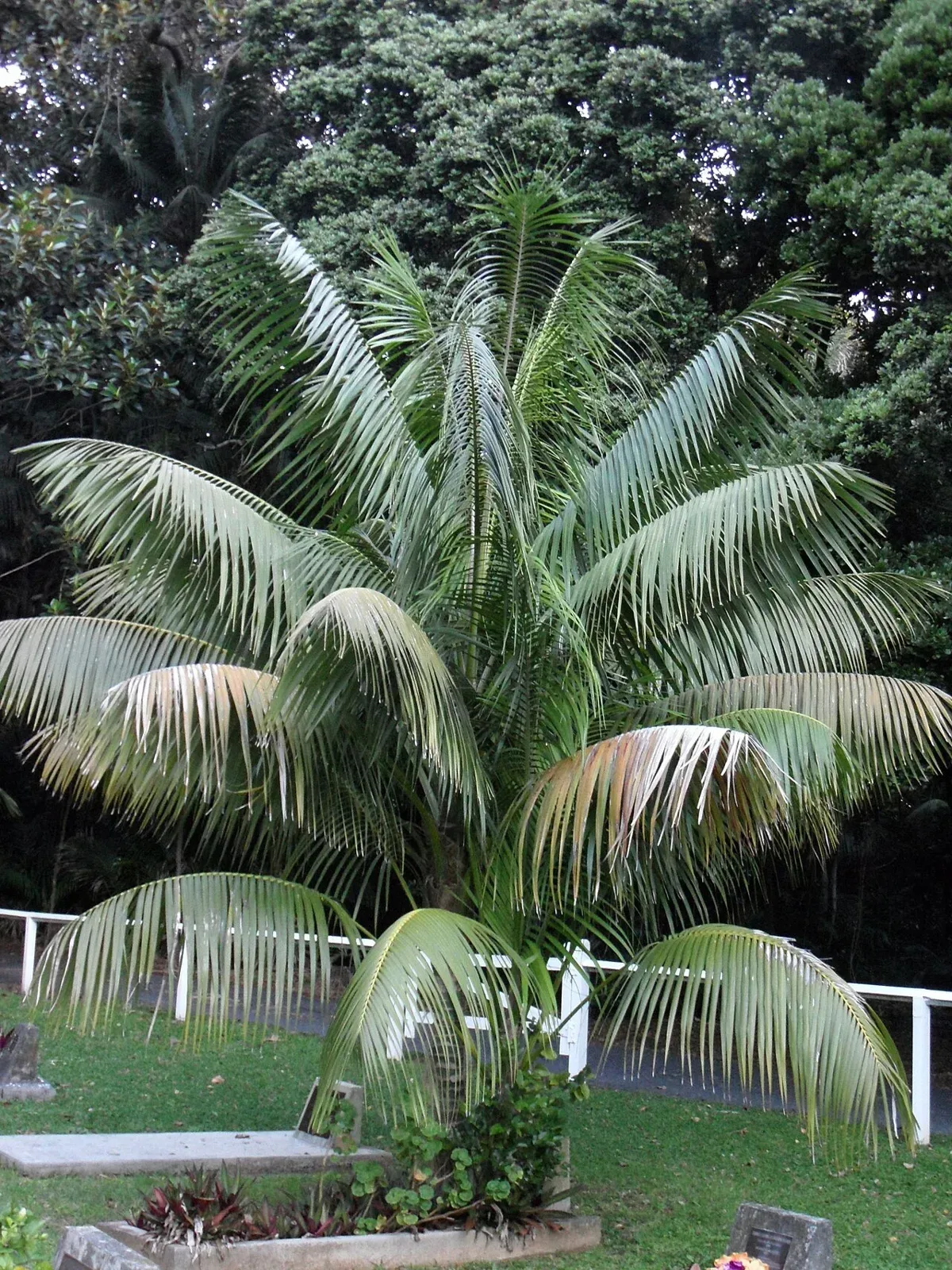
| ☀️ Light | Medium light |
|---|---|
| 💧 Water | Moderate (lightly moist) |
| 🪴 Soil | Well-drained, humus-rich potting mix with bark |
| 🌡️ Temp | 5°C – 38°C |
| 🐾 Safety | Cats: non-toxic · Dogs: non-toxic |
| 📏 Mature size | 2.5 m |
Where It Grows & Climate Tolerance
Pet & Companion Animal Toxicity (Kentia Palm Care in Canadian Homes)
Kentia palm is one of the best palms for Canadian homes. It copes with short winter days and dry furnace air better than most, and can spend summer outdoors in shade once nights are warm.
Care instructions
Care Guide & Maintenance Routine
Place in bright, indirect light; a north or east window works. Water when the top 3 to 5 cm are dry, less from November to February. Run a humidifier in winter. Keep away from heat registers and cold doors. Summer outdoors only in shade after nights stay above about 10°C.
Light & Sunlight
NC State Extension notes kentia palm needs little light and tolerates low light indoors, though moderate light gives better growth. The RHS advises bright light with protection from the sun. Direct midday sun scorches the fronds indoors.
Watering Schedule
NC State recommends a well-drained, humus-rich mix that does not dry out completely. Water thoroughly when the top 3 to 5 cm are dry, and empty the saucer. Constantly wet mix causes root rot.
Potting Mix & Drainage
Well-drained, humus-rich potting mix with bark
Temperature & Humidity
Not frost hardy anywhere in Canada; grow indoors. Keep above about 10°C and away from cold doors and windows in winter. Summer outdoors in shade only after nights stay above about 10°C.
Kentia palm in Canadian homes
A kentia palm is a classic Canadian living-room plant. NC State Extension notes it has a long record of surviving low light, dust, central heating and general neglect, which is exactly what a Canadian winter indoors delivers. It suits a condo in Toronto, an older house in Halifax or an office tower in Calgary.
Winter light
From November to February, daylight is short across Canada, under nine hours in Edmonton at the solstice. Move the palm closer to a window in winter, then back again in summer when sun through glass is stronger. A full-spectrum LED grow light helps in basement suites.
Dry furnace air
Forced-air heating can drop indoor humidity sharply in January, especially on the Prairies. Kentia tolerates it better than most palms, but brown tips and spider mites increase. A room humidifier, grouping plants and keeping the palm away from heat registers all help.
Cold drafts
Keep the palm away from exterior doors and single-pane windows. A blast of -20°C air in a Winnipeg or Regina entrance hall can damage fronds in minutes. Leaves pressed against frosty glass also get cold damage.
Watering through the seasons
- March to October: water when the top 3 to 5 cm are dry, often weekly.
- November to February: growth slows, so water less often. Overwatering in a cool, dim room is the main way kentia palms are lost in Canada.
Summer outdoors
Once nights stay above about 10°C, usually June in most cities, the palm can move to a shaded deck or balcony. NC State notes it takes heat if kept out of direct sun. Bring it in before nights drop in September. Check for insects before it comes back inside.
Zones
NC State rates kentia for USDA zones 9b to 11b. No part of Canada is that mild; NRCan's warmest zone is 9a on southern Vancouver Island, and NRCan zones are calculated differently from USDA zones. Treat it as a houseplant everywhere in Canada.
Bringing one home in winter
A palm carried from a Mississauga or Laval garden centre to the car in January can be chilled in seconds. Ask staff to sleeve it in paper or plastic, warm the car first, and avoid errands on the way home.
Hard water
Water in Calgary, Winnipeg and much of southern Ontario is hard. Flush pots well every few months to wash out salts, or use rainwater in summer.
Province notes
- British Columbia: mild, grey winters on the Lower Mainland mean low light more than dry air; a south window is useful.
- Alberta, Saskatchewan and Manitoba: very dry winter air and deep cold snaps; a humidifier and an inner-wall spot help.
- Ontario and Quebec: humid summers outdoors, heated condos in winter. In Montréal, a palmier kentia is common in offices.
- Nova Scotia, New Brunswick, PEI and Newfoundland: drafty older homes call for a spot away from entrances.
- Yukon, NWT and Nunavut: indoors year-round with a grow light through the dark months.
Seasonal rhythm
Seasonal Calendar
| Month | Care Tasks | Seasonal Focus |
|---|---|---|
| Jan | Protect from frost/heat | Lowest humidity of the year: run a humidifier and check for spider mites. |
| Feb | Protect from frost/heat | Water sparingly. Keep fronds off cold glass. |
| Mar | Fertilize, Repot | Longer days: start light feeding. Repot if root-bound. |
| Apr | Fertilize | Flush the pot to clear hard-water salts. Move slightly back from brighter windows. |
| May | Fertilize | Wipe dust off fronds. Plan a shaded summer spot. |
| Jun | Protect from frost/heat | Move outdoors to shade once nights stay above about 10°C. |
| Jul | Fertilize, Protect from frost/heat | Water more often outdoors. Keep out of direct sun. |
| Aug | Fertilize, Protect from frost/heat | Check for pests on outdoor palms. Last feed late in the month. |
| Sep | Protect from frost/heat | Bring indoors before cool nights; inspect for insects. |
| Oct | Protect from frost/heat | Reduce watering as growth slows. |
| Nov | Protect from frost/heat | Furnace season: keep away from heat registers. |
| Dec | Protect from frost/heat | Short days: move closer to a window; avoid drafty entrances. |
Diagnostics
Common Problems & Troubleshooting
Brown leaflet tips on older fronds, which NC State links to potassium deficiency; brown tips from dry air or salts; yellow lower fronds from overwatering; scorch patches in direct sun; slow decline when roots sit wet.
Pests & seasonal watch: Spider mites in dry, heated rooms from November to March. Mealybugs and scale year-round. Insects can hitch a ride back inside after a summer outdoors.
- Brown tips — Leaf tips and edges turn dry, brown and papery.
- Root rot — Roots turn brown and mushy in soil that stays wet.
- Mealybugs — White cottony clumps in leaf joints, often with sticky honeydew.
- Spider mites — Fine webbing and pale speckled leaves, worse in dry heated rooms.
- Scale — Hard or soft brown bumps stuck to stems and leaf ribs, often with sticky honeydew.
- Overwatering — Soil stays wet, leaves yellow or droop, and the pot feels heavy.
- Sun scorch — Bleached or crispy patches on the side that faces strong sun.
- Nutrient shortage — Overall pale growth, or yellowing between veins, on a plant that is otherwise watered well.
Care encyclopedia · 2 guides
Guides & Articles for Kentia Palm Care in Canadian Homes
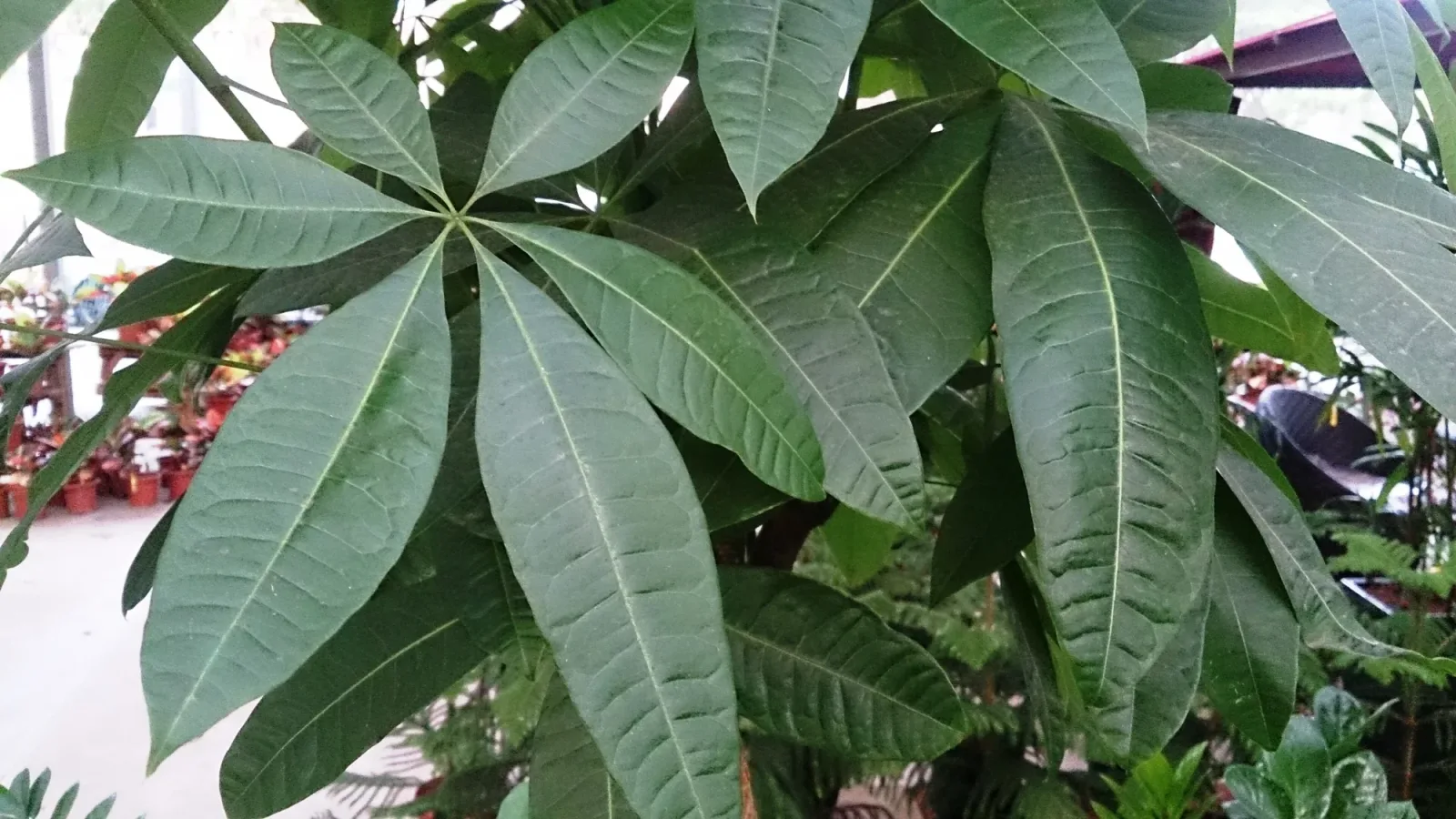
14 Pet-Safe Houseplants for Canadian Homes With Cats and Dogs
A spider plant, a parlor palm or a Christmas cactus is a solid start if you want houseplants in a home with cats or dogs. All fourteen plants below have a Canada profile and an ASPCA non-toxic listing. That is not the same as safe to eat.
Read guide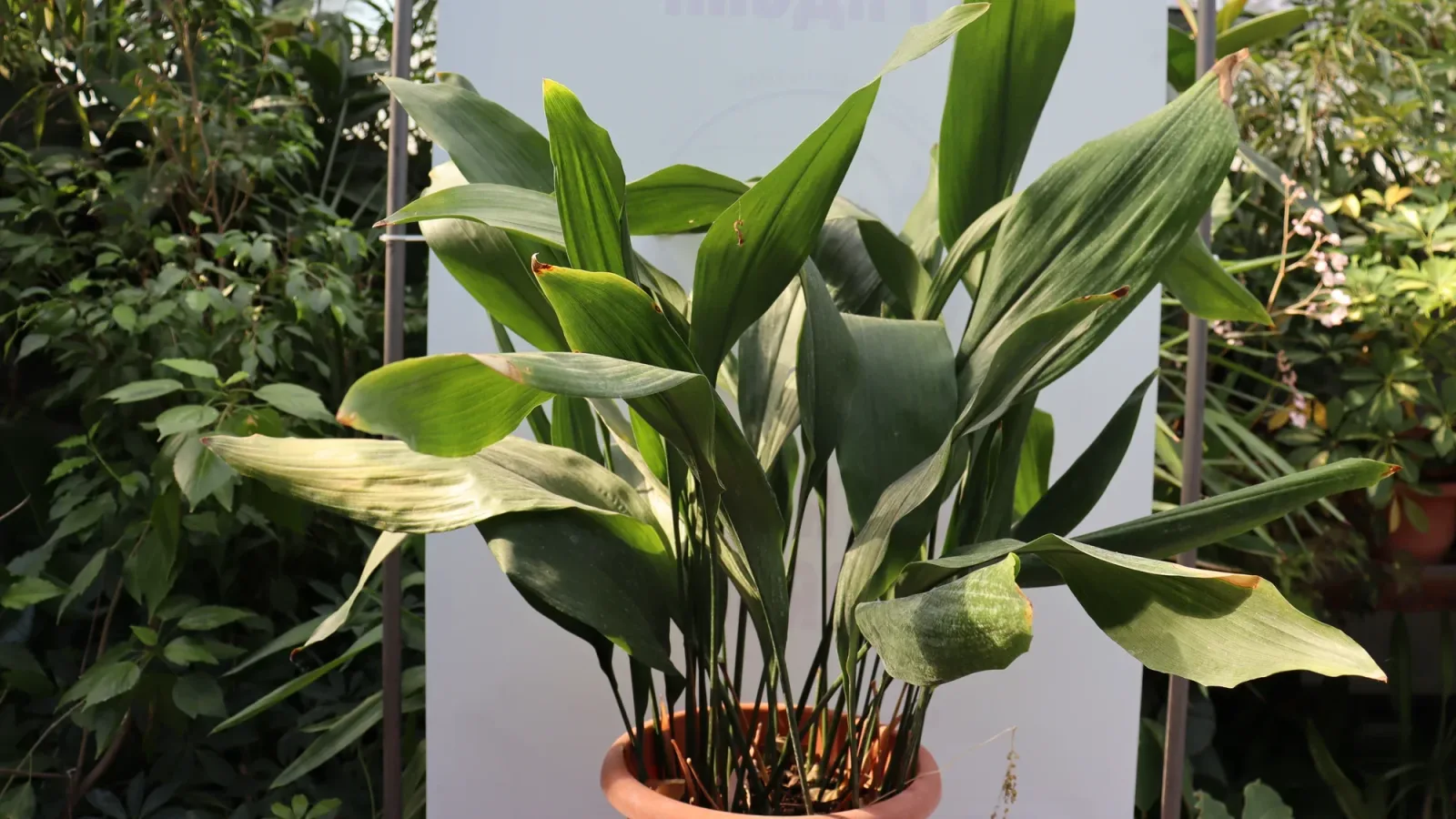
15 Low-Light Houseplants for Dim Canadian Winters
A cast-iron plant, a Chinese evergreen or a parlor palm is a realistic start in a dim Canadian winter room. Here are 15 plants with live Canada profiles, plus an honest note on a few that only pretend to like the dark.
Read guideSimilar Botanical Matches
Keep exploring
Related plants
Grower field notes
Reader Field Notes in Canada
Share how this plant performs in your local Canada climate.