
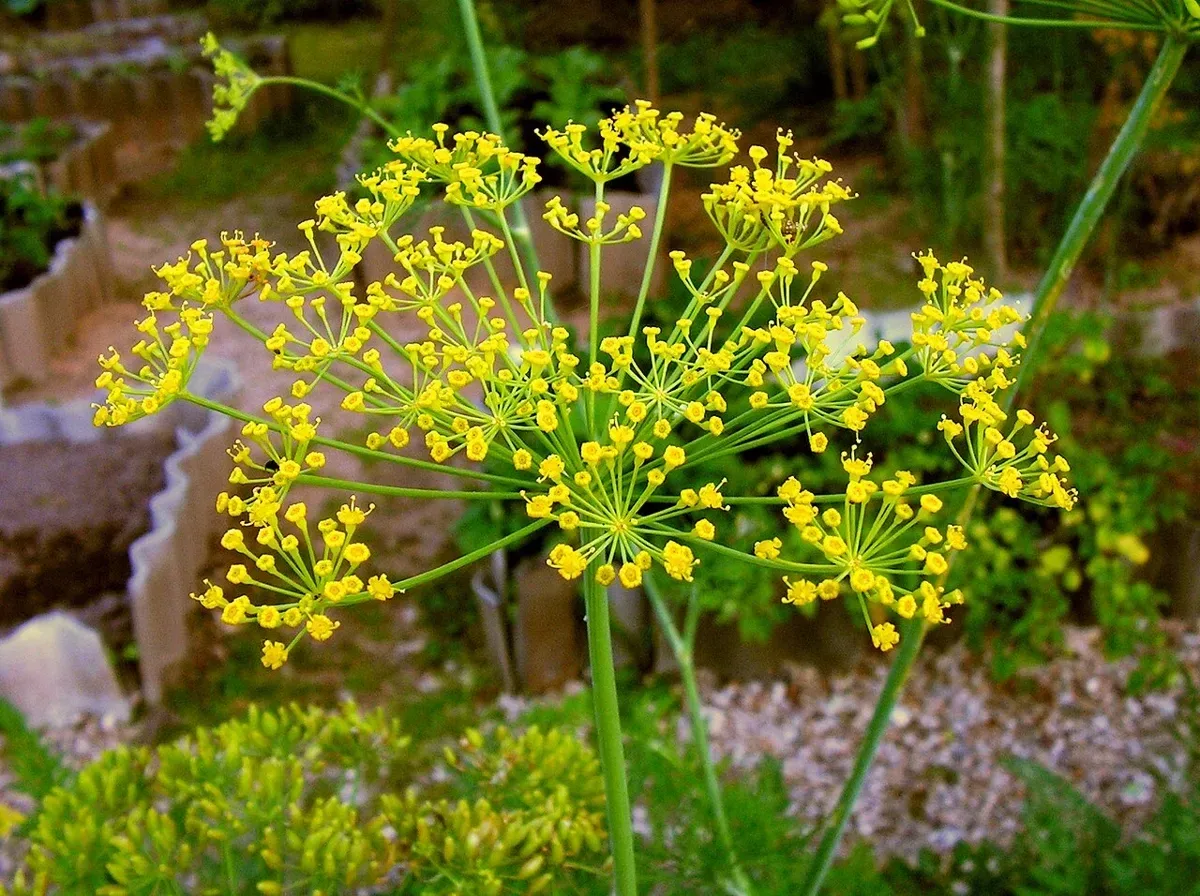
| ☀️ Light | Full sun |
|---|---|
| 💧 Water | Moderate (lightly moist) |
| 🪴 Soil | Average to fertile, well-drained soil, slightly acidic to neutral |
| 🌡️ Temp | -2°C – 30°C |
| 🐾 Safety | Cats: non-toxic · Dogs: non-toxic |
| 📏 Mature size | 90 cm |
Where It Grows & Climate Tolerance
Pet & Companion Animal Toxicity (How to Grow Dill in Canada)
Dill grows easily across Canada and is a pickling essential. Sow outdoors a week or two before the last hard frost, sow again every couple of weeks, and let a few plants set seed for next year.
Care instructions
Care Guide & Maintenance Routine
Sow directly in spring a week or two before the last hard frost, about 0.5 cm deep. Sow again every 10 to 14 days while it is cool. Thin to 8 to 15 cm. Water steadily, stake tall types, and time a sowing so heads are ready with cucumbers in August.
Light & Sunlight
NC State Extension and Wisconsin Horticulture both say dill does best in full sun. Plants with extra shade grow lanky and flop over, according to NC State.
Watering Schedule
NC State notes consistent watering is best and helps prevent bolting, but too much water makes plants lanky and floppy. Water when the top few centimetres of soil are dry.
Potting Mix & Drainage
Average to fertile, well-drained soil, slightly acidic to neutral
Temperature & Humidity
Seedlings tolerate light frost, so sowing starts before the average last frost. Hot, dry July weather speeds flowering. Self-sown seed survives winter in the soil and germinates in spring.
Dill in Canadian gardens
Dill is one of the easiest herbs for Canadian gardeners and an essential for dill pickles. Wisconsin Horticulture, writing for a climate much like southern Ontario and the Prairies, calls it very easy to grow.
When to sow
NC State and Wisconsin Horticulture both suggest sowing outdoors a week or two before the last hard frost, since dill tolerates light frost. Average last frost dates from ECCC 1991-2020 normals, compiled by GrowersGuide.ca:
- Vancouver 26 March, Victoria 14 April: sow from mid-March.
- Windsor 22 April, Montréal 29 April, Toronto 4 May, London 7 May: sow in mid to late April.
- Halifax 8 May, Québec City 11 May, Fredericton 16 May, Edmonton 22 May: sow in early May.
- Saskatoon 22 May, Winnipeg 24 May, Calgary 26 May and St. John's 1 June: sow from mid-May.
Succession and pickling timing
Wisconsin Horticulture suggests sowing every 10 to 14 days while the weather is cool, plus a late-summer sowing for fall leaves. For pickles, sow one batch about six to eight weeks before your cucumbers start cropping so flower heads are ready in early August. Prairie and Ukrainian Canadian pickling traditions rely on these heads.
Self-seeding
Wisconsin Horticulture notes dill readily self-seeds if heads are left, and that late fall sowings can germinate the following spring. Many Manitoba and Saskatchewan gardens have dill coming up on its own every year.
Swallowtail caterpillars
Wisconsin Horticulture notes dill is a larval host of the black swallowtail butterfly. Green, black and yellow caterpillars can strip plants. Many gardeners sow an extra row for them or move them to a few sacrificial plants.
Wind and staking
Prairie winds and summer hail in Alberta snap the hollow stems. Wisconsin Horticulture suggests staking tall types. A dwarf variety such as 'Fernleaf' stays upright in a pot on a windy Calgary balcony.
Zones
As an annual, dill is not limited by NRCan zone. NRCan's 1991-2020 map runs from Zone 0 in the far north to 9a on the coast, and dill grows in gardens across most of that range in summer. NC State's USDA rating of 2a to 11b uses a different method.
Yukon and Northwest Territories
Gardeners in Whitehorse, Dawson City and Yellowknife grow dill in raised beds and community greenhouses. Long midsummer daylight and warm July spells can push plants into flower within weeks, so sow small batches often and cut leaves young.
Dill in the kitchen
Fresh dill goes into potato salad, cucumber salads, salmon on the BC coast and perogies on the Prairies. Freeze chopped leaves in July in small bags so there is dill for winter soups such as borscht.
Questions from Canadian readers
- Can I grow dill indoors in winter? Yes, under a grow light or in a bright south window, but plants stay small.
- Is dill safe for cats? ASPCA lists dill as non-toxic to dogs, cats and horses.
Seasonal rhythm
Seasonal Calendar
| Month | Care Tasks | Seasonal Focus |
|---|---|---|
| Jan | Protect from frost/heat | Order seed of leaf and pickling types. |
| Feb | Sow | Indoors: sow a pot under lights for winter leaves. |
| Mar | Sow | Vancouver and Victoria: first outdoor sowings mid-month. |
| Apr | Sow | Southern Ontario and Quebec: sow outdoors before last frost. |
| May | Sow, Protect from frost/heat | Prairies and Maritimes: sow. Thin earlier sowings. |
| Jun | Sow, Harvest | Sow every 10 to 14 days. Cut leaves. Sow pickling batch. |
| Jul | Harvest, Protect from frost/heat | Leaves and first flower heads. Stake tall plants against wind and hail. |
| Aug | Harvest | Pickling season: cut flower heads with cucumbers. Watch for swallowtail caterpillars. |
| Sep | Harvest | Cut seed heads before they shatter. Dry in paper bags. |
| Oct | Protect from frost/heat | Leave a few heads to self-sow. Clear spent plants. |
| Nov | Sow | Late fall sowing for spring germination (Wisconsin Horticulture). |
| Dec | Protect from frost/heat | Store seed in airtight jars. |
Diagnostics
Common Problems & Troubleshooting
Bolting in heat or dry soil; thin, floppy stems in shade or rich soil; seedlings failing after transplanting; aphid clusters on new growth; seed shattering before collection.
Pests & seasonal watch: Black swallowtail caterpillars in southern Ontario and Quebec (Wisconsin Horticulture). Aphids on umbels in July. Powdery mildew in humid late summers.
- Yellow leaves — Leaves fade from green to yellow, often starting at the bottom.
- Drooping — Stems and leaves hang limp even though the plant was recently fine.
- Leggy — Long weak stems with big gaps between small leaves, leaning to the window.
- Aphids — Clusters of small soft insects on new tips, often sticky.
- White powder — A white powdery film on leaves, usually in still, humid air with dry soil at the roots.
- Underwatering — Soil is bone dry and leaves are crispy, curled or dull.
Care encyclopedia · 1 guide
Guides & Articles for How to Grow Dill in Canada
Similar Botanical Matches
Keep exploring
Related plants
Grower field notes
Reader Field Notes in Canada
Share how this plant performs in your local Canada climate.