
| ☀️ Light | Full sun |
|---|---|
| 💧 Water | Moderate (lightly moist) |
| 🪴 Soil | Average to fertile, well-drained soil, slightly acidic to neutral |
| 🌡️ Temp | -2°C – 30°C |
| 🐾 Safety | Cats: non-toxic · Dogs: non-toxic |
| 📏 Mature size | 90 cm |
Where It Grows & Climate Tolerance
Pet & Companion Animal Toxicity (Dill)
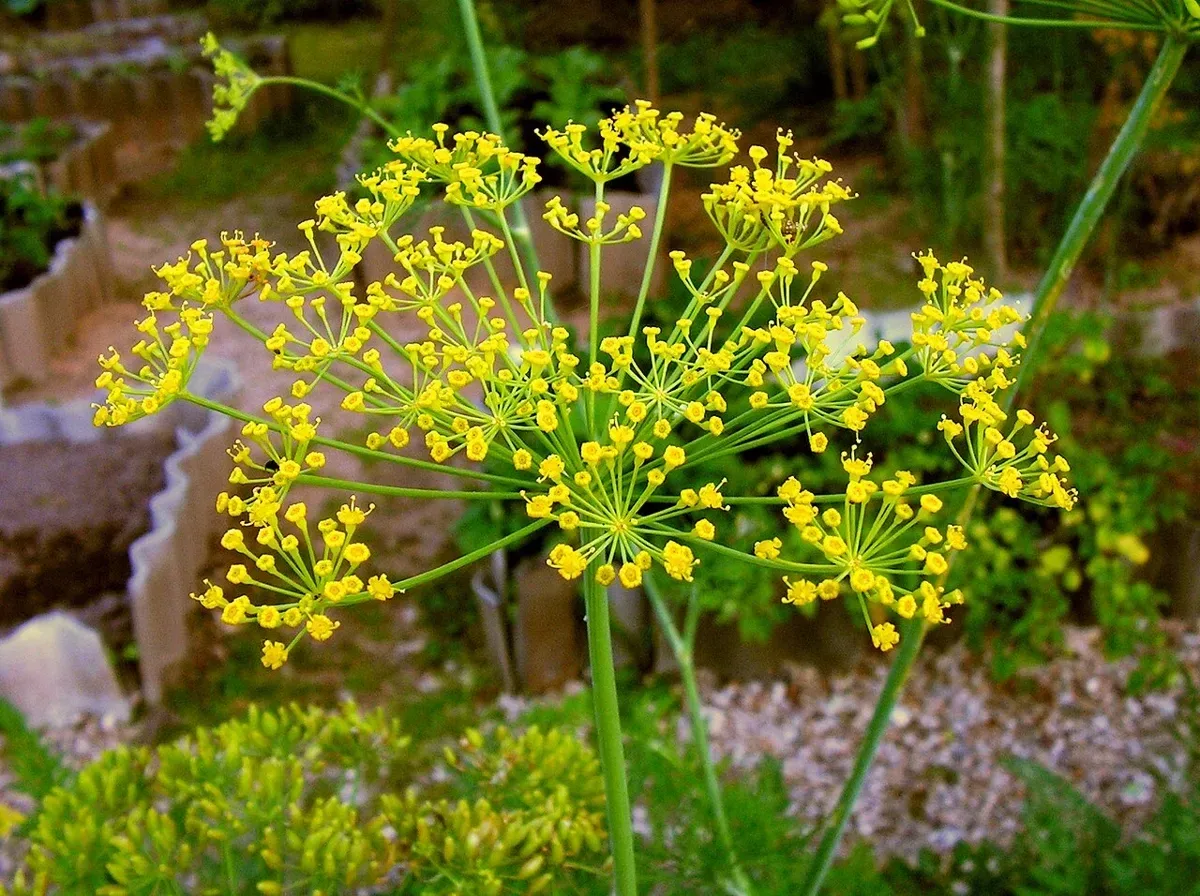
Dill (Anethum graveolens) is a fast annual herb with feathery blue-green leaves, hollow stems and flat umbels of tiny yellow flowers. The leaves are picked fresh and the flat, ridged seeds are used whole or ground. It grows from seed in a few weeks and attracts helpful insects.
Care instructions
Care Guide & Maintenance Routine
Sow seed directly in sun in well-drained soil, barely covered, and keep it moist until it comes up. Thin rather than transplant, since the long taproot dislikes moving. Water steadily to delay flowering, cut leaves often, and sow again every two to three weeks. Collect seed before it shatters.
Light & Sunlight
NC State Extension and Wisconsin Horticulture both say dill does best in full sun. Plants with extra shade grow lanky and flop over, according to NC State.
Watering Schedule
NC State notes consistent watering is best and helps prevent bolting, but too much water makes plants lanky and floppy. Water when the top few centimetres of soil are dry.
Potting Mix & Drainage
Average to fertile, well-drained soil, slightly acidic to neutral
Temperature & Humidity
NC State says dill survives low temperatures but grows best at about 21°C (70°F). Wisconsin Horticulture notes it tolerates light frost. Hot or dry weather makes it send up a flower stalk quickly. -2°C is an approximate limit for young plants. NC State rates it for USDA zones 2a to 11b as an annual.
About dill
Dill (Anethum graveolens) is an annual in the carrot and parsley family. Wisconsin Horticulture notes it is the only species in its genus and that it probably originated in eastern Europe, southern Russia and central and southern Asia. It has since naturalised in many parts of the world.
Plants grow from about 45 cm to more than 1 m tall. Leaves are soft, blue-green and divided into thread-like segments. Stems are hollow. In warm weather the plant sends up a tall stalk topped with flat umbels of tiny yellow flowers, followed by flat, oval, ridged seeds. Both the leaves, often sold as dill weed, and the seeds are used in cooking.
Types
Wisconsin Horticulture describes two broad groups: varieties grown mainly for seed and slow-bolting varieties grown mainly for leaves, plus short varieties for containers. NC State lists several cultivars:
- 'Bouquet': common, good for both leaves and seed.
- 'Fernleaf': dwarf and slow to bolt, ideal for containers.
- 'Delikat' and 'Hera': leafy types.
- 'Long Island Mammoth': tall, grown for seed and pickling heads.
Buying seed
Dill is always grown from seed. Buy a variety that matches your purpose: slow-bolting for leaves, a tall type for seed heads, a dwarf for pots. Wisconsin Horticulture notes seed stays viable for several years if kept cool and dry. Potted dill from shops is usually a crowded clump of seedlings that falls over quickly; use it for the kitchen rather than replanting.
Where to grow
Choose a sunny, sheltered spot. Hollow stems bend in wind and heavy rain. Dill grows tall and airy, so it fits at the back of a herb bed or among vegetables. NC State notes it reduces carrot yields when grown too close but makes a good companion for cucumber and broccoli.
Soil
Average, well-drained soil suits dill best. NC State suggests slightly acidic soil. Very rich soil and heavy feeding give soft, floppy growth. Waterlogged soil rots the taproot.
Sowing
Sow seed directly where plants will grow, thinly, and barely cover it. NC State says about 0.5 cm deep, since the seed needs some light to germinate, and seedlings appear in about 10 to 14 days. The RHS suggests rows 30 cm apart. Wisconsin Horticulture advises thinning to about 8 to 15 cm when seedlings are three to four weeks old; the RHS allows 20 cm for larger plants. Sow a short row every two to three weeks for a steady supply of leaves.
Watering through the season
Germination
Keep the surface damp until seedlings appear. A fine spray avoids washing the light seed away.
Leafy growth
Water when the top few centimetres are dry. Steady moisture keeps plants leafy for longer; dry spells push them into flower.
Seed stage
Once you want seed, water less. Drier conditions help seeds ripen.
Growing in containers
Dill grows well in a pot if the pot is deep enough for the taproot. The RHS suggests a container at least 30 cm wide and deep filled with multipurpose compost. Sow a pinch of seed in the centre, thin to three or four plants, and keep the pot in full sun. A dwarf variety stays upright; tall types need a short cane.
Feeding
Compost before sowing is enough in most soils. In containers, a weak balanced feed once a month keeps leaves coming. Avoid high-nitrogen feeds.
Harvesting leaves
Start cutting once plants are a few centimetres tall. Take the outer leaves first with scissors. Wisconsin Horticulture notes that cutting the foliage back regularly delays flowering. Fresh leaves wilt fast; stand stems in water in the fridge, or freeze chopped leaves. Dried leaves lose much of their aroma.
Harvesting seed
Seed follows a few weeks after flowering. Wisconsin Horticulture advises cutting heads when the seeds are fully developed but before they turn brown, because ripe seed shatters. Dry the heads in paper bags in a warm, airy place for about a week, then rub out the seed. Any heads left on the plant will self-sow.
Troubleshooting
Plants flower early
Heat or drought. Sow in cooler weather, water steadily and choose slow-bolting types.
Leggy plants that fall over
Too much shade, water or fertiliser. Move to a sunnier spot and stake if needed.
Clusters of small insects
Aphids gather on young shoots and umbels. Wash them off with water; hover flies drawn to the flowers often clear them.
Yellowing, stunted or oddly coloured plants
Root problems in wet soil and diseases such as aster yellows are possible. Remove badly affected plants and ask a local extension office if several fail.
Uses
Leaves flavour fish, potatoes, yoghurt dips, soups, eggs and salads. Seeds and flower heads go into pickles. Wisconsin Horticulture notes the flowers attract small wasps and hover flies, whose larvae eat aphids, so a few flowering plants help the whole garden.
Safety and pets
ASPCA lists dill as non-toxic to dogs, cats and horses and notes that prolonged contact may cause dermatitis. Wild plants in the same family include dangerous lookalikes, so only eat dill you grew or bought.
Common mistakes
- Transplanting older seedlings.
- Sowing once and expecting leaves all season.
- Growing it in shade.
- Letting the soil dry out in warm weather.
- Leaving seed heads until they shatter.
Dill grows well near cucumber. Its relatives coriander, parsley and fennel need similar care.
India and Canada in brief
One market treats dill as a cold-season leaf and seed crop with its own native relative; the other grows it as a quick warm-season herb, often for pickling heads. Varieties, months and names follow in each market section.
Seasonal rhythm
Seasonal Calendar
A month-by-month calendar for Dill in Global is coming soon. See the light, water and temperature notes above.
Diagnostics
Common Problems & Troubleshooting
Bolting in heat or dry soil; thin, floppy stems in shade or rich soil; seedlings failing after transplanting; aphid clusters on new growth; seed shattering before collection.
Pests & seasonal watch: NC State lists aphids, tomato hornworm, powdery mildew, blight and aster yellows. Wisconsin Horticulture notes black swallowtail caterpillars feed on it in North America.
Care encyclopedia · 1 guide
Guides & Articles for Dill
Q&A
Frequently Asked Questions
Why is my dill flowering so quickly?
Hot or dry weather makes dill bolt. NC State notes consistent watering helps prevent it, and Wisconsin Horticulture says regular cutting delays flowering. Slow-bolting varieties such as 'Fernleaf' help.
Can I transplant dill?
It is not ideal. NC State notes the long taproot makes dill a poor candidate for transplanting. Sow directly, or move seedlings very young in biodegradable pots.
How do I tell dill from fennel?
They look alike. NC State notes dill has hollow stems, while fennel stems are not hollow. Fennel also forms a swollen base in bulb varieties and has a stronger aniseed smell.
How do I harvest dill leaves?
Cut leaves any time once plants are a few centimetres tall, as Wisconsin Horticulture suggests, until the seed stalk forms. Cut from the outside and use them fresh.
When do I harvest dill seed?
Wisconsin Horticulture advises cutting the heads when seeds are fully developed but before they turn brown, because ripe seed shatters. Dry them in paper bags for a week.
Is dill a good companion plant?
NC State lists dill as a good companion for cucumber and broccoli, but notes it can reduce carrot yields if planted too close. Its flowers attract hover flies, whose larvae eat aphids.
Can I grow dill indoors?
Yes, on a sunny sill or under an LED grow light. Use a deep pot and a compact variety, and sow little and often.
Is dill safe for pets?
ASPCA lists dill as non-toxic to dogs, cats and horses. It notes skin irritation is possible with prolonged contact.
Why are my dill plants falling over?
Shade, too much water or rich soil make stems lanky, according to NC State. Wind and rain also bend the hollow stems. Stake tall plants or grow dwarf types.
Similar Botanical Matches
Keep exploring
Related plants
Grower field notes
Reader Field Notes in Global
Share how this plant performs in your local Global climate.