
| ☀️ Light | Full sun |
|---|---|
| 💧 Water | Moderate (lightly moist) |
| 🪴 Soil | Fertile, well-drained loam or multipurpose potting mix |
| 🌡️ Temp | -29°C – 32°C |
| 🐾 Safety | Cats: toxic · Dogs: toxic |
| 📏 Mature size | 45 cm |
Where It Grows & Climate Tolerance
Pet & Companion Animal Toxicity (Chives)
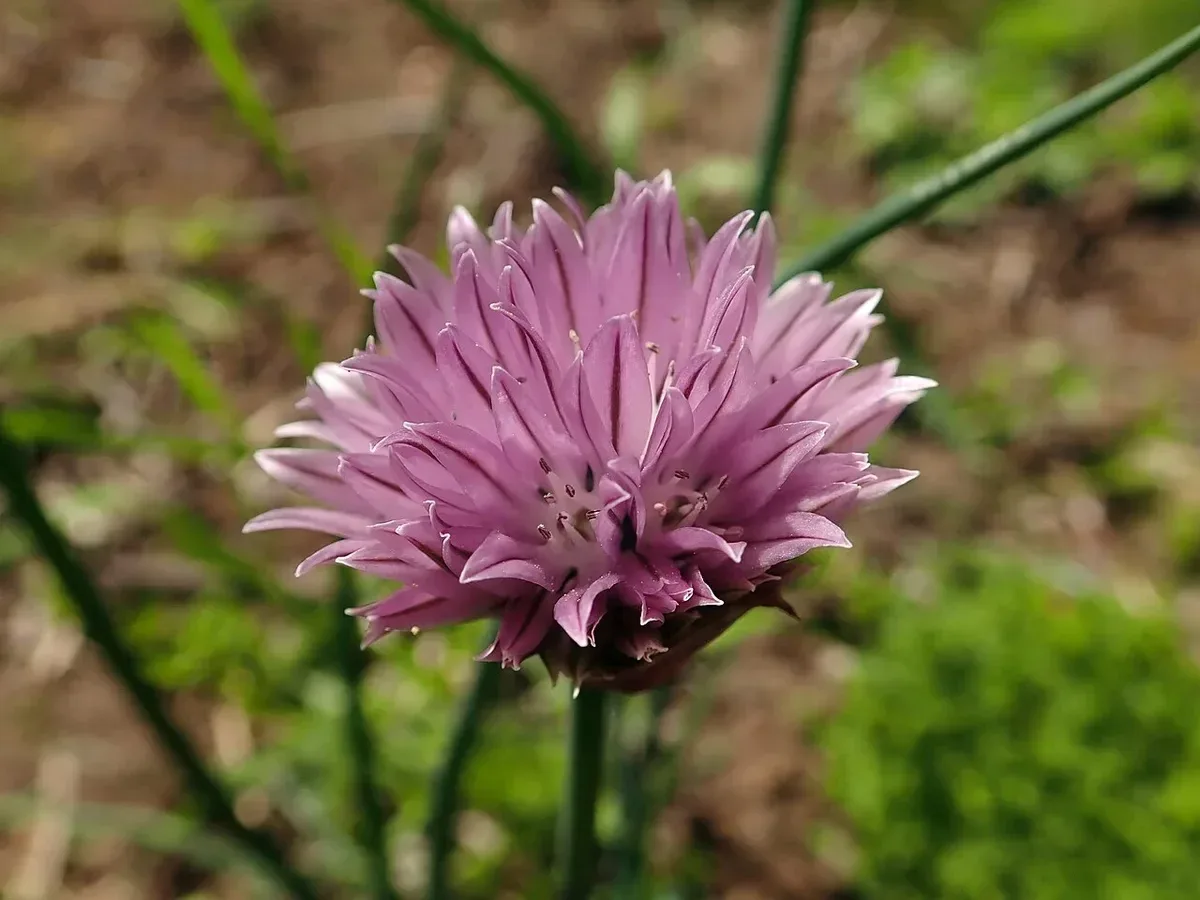
Chives (Allium schoenoprasum) are a clump-forming perennial in the onion family with hollow, grass-like leaves and round lilac flower heads. The leaves give a mild onion flavour, the flowers are edible, and a single clump keeps producing for years.
Care instructions
Care Guide & Maintenance Routine
Grow in sun or light shade in fertile, moist but well-drained soil. Snip leaves from the base once they are 15 cm long. Cut the whole clump down after flowering for a fresh crop of tender leaves, and divide every few years in spring or autumn.
Light & Sunlight
NC State Extension lists full sun to partial shade, and the RHS says chives grow well in either. In hot climates, light afternoon shade keeps leaves tender. Indoors, a bright sunny window is needed.
Watering Schedule
Keep the soil lightly moist while plants are growing, especially in pots. NC State notes chives are fairly drought resistant once established, but leaves become tough and tips yellow when dry for long.
Potting Mix & Drainage
Fertile, well-drained loam or multipurpose potting mix
Temperature & Humidity
NC State notes chives are native across the temperate northern hemisphere, including Canada and the northern United States, and rates them for USDA zones 4 to 8. Leaves die back in hard frost and the bulbs regrow in spring. -29°C reflects the USDA zone 4 low; the plants are often hardier. Heat above about 32°C makes leaves tough and pungent; Wisconsin Horticulture notes flavour is sharper in hot weather.
About chives
Chives (Allium schoenoprasum) are a bulbous perennial in the amaryllis family, the same group as onions and garlic. NC State Extension notes they are native to a broad range of the temperate northern hemisphere, including Canada, the northern United States, northern Europe and Japan. The plant forms clumps of thin, hollow leaves about 30 to 45 cm tall.
The leaves add a mild onion taste to eggs, potatoes, soups, dips and salads. In late spring, round heads of pale purple flowers appear. They are edible and attract bees.
Chives, spring onions and garlic chives
- Chives: thin, round, hollow leaves; lilac flowers; mild flavour.
- Spring onions: young onion plants with thicker leaves and a small bulb, usually harvested whole.
- Garlic chives (Allium tuberosum): flat leaves, white flowers and a garlic flavour; a different species.
Growing conditions
Plant in full sun or partial shade in average, well-drained soil, as NC State recommends. Work in compost for leafier growth. Keep pots lightly moist; dry soil gives tough leaves with brown tips, and waterlogged soil can cause root rot.
Starting chives
The fastest start is a division from an existing clump or a nursery pot. From seed, NC State suggests sowing indoors eight to ten weeks before the last frost, or outdoors in full sun after it. Seedlings take a season to bulk up before heavy cutting.
Harvesting
Wisconsin Horticulture recommends harvesting once leaves are about 15 cm long, cutting some leaves about 5 cm from the base rather than shaving the whole clump. After flowering, cut the plant back to about 7.5 cm to force fresh, tender growth. Fresh chives keep about a week in the fridge and freeze better than they dry.
Dividing
Clumps become crowded after a few years and produce thinner leaves. Lift and split them in spring or autumn into pieces of six to ten bulbs, then replant in refreshed soil.
Pests and problems
NC State reports no serious problems and notes that chives resist deer and drought. Watch for root rot in soggy soil and occasional aphids or thrips on the leaves.
Pet safety
ASPCA lists chives as toxic to dogs, cats and horses. Like other onion-family plants, they can damage red blood cells, so keep pots and beds away from pets that graze.
Chives grow happily in a mixed herb pot with parsley and basil, and they make a neat edging along vegetable beds.
Buying tips
Supermarket pots of chives usually hold dozens of seedlings crowded together. They last longer if you split the clump into four or five pieces and pot them separately. From a nursery, choose a firm clump with dark green leaves and no yellow, collapsed tips. Garlic chives (Allium tuberosum) have flat leaves and a garlic taste, so check the label.
Watering through the year
Growing season
The RHS says newly planted chives need watering in dry spells in their first summer, but established clumps in the ground rarely need extra water except in long droughts. Pots dry out faster, so water them whenever the top few centimetres feel dry.
Wet weather
NC State notes root rot can occur in poorly drained soil. Raise pots on feet and avoid heavy clay beds.
Dormant period
Where winters are cold, leaves die back and the clump rests. Keep pots barely moist.
Feeding
Average soil with some compost is enough. If you cut heavily all season, a light balanced feed after a big harvest, used at label rate, helps new leaves come through.
Troubleshooting
Yellow or brown leaf tips
Often dry soil in pots, old leaves, or a crowded clump. Cut the whole clump back to a few centimetres and let fresh leaves grow.
Bright orange raised spots
Leek rust, which the RHS says also affects chives. Cut off affected leaves; new growth is often clean.
Thin, weak leaves
The clump is overcrowded. The RHS advises lifting and dividing clumps every three or four years.
Small green insects on leaves
Aphids. Wash them off with a jet of water.
Uses
NC State lists eggs, soups, salads, butter, cheese, dips and spreads as uses. Add chives at the end of cooking, since heat dulls their mild onion flavour. The flowers are edible too; pull the florets apart and scatter them over salads. NC State notes the flowers are rich in nectar and good for pollinators.
Common mistakes
- Snipping only the tips, which leaves the clump looking ragged.
- Never dividing old clumps.
- Letting every flower set seed, which can spread seedlings around.
- Growing in a small pot that dries out every day in summer.
India and Canada in brief
In India chives grow through the cooler months on the plains and through the summer at higher elevations, and need shelter from heavy rain. In Canada they are tough, hardy perennials that return every spring and are among the first herbs to pick.
Harvesting and storing
NC State says harvest can begin when plants are about 15 cm tall. Cut leaves near the base with scissors rather than trimming the tips, which keeps the clump neat. A whole clump can be cut back to a few centimetres several times a season. Chives do not dry well, but chopped leaves freeze well in a small box or in ice cube trays with a little water.
Growing from seed
NC State suggests starting seed indoors eight to ten weeks before the last frost, or sowing directly outdoors after frost. Sow in small clusters of several seeds, which grow into clumps. Seed loses vigour quickly, so use a fresh packet.
Seasonal rhythm
Seasonal Calendar
A month-by-month calendar for Chives in Global is coming soon. See the light, water and temperature notes above.
Diagnostics
Common Problems & Troubleshooting
Yellow leaf tips from dry soil, old age or crowding; thin, weak leaves in deep shade; tough, strong-tasting leaves in heat; root rot in waterlogged pots; clumps declining when not divided.
Pests & seasonal watch: NC State reports no serious problems. Root rot in poorly drained soil. Aphids and thrips occasionally feed on leaves; onion-family rust may appear in damp seasons.
Care encyclopedia · 2 guides
Guides & Articles for Chives
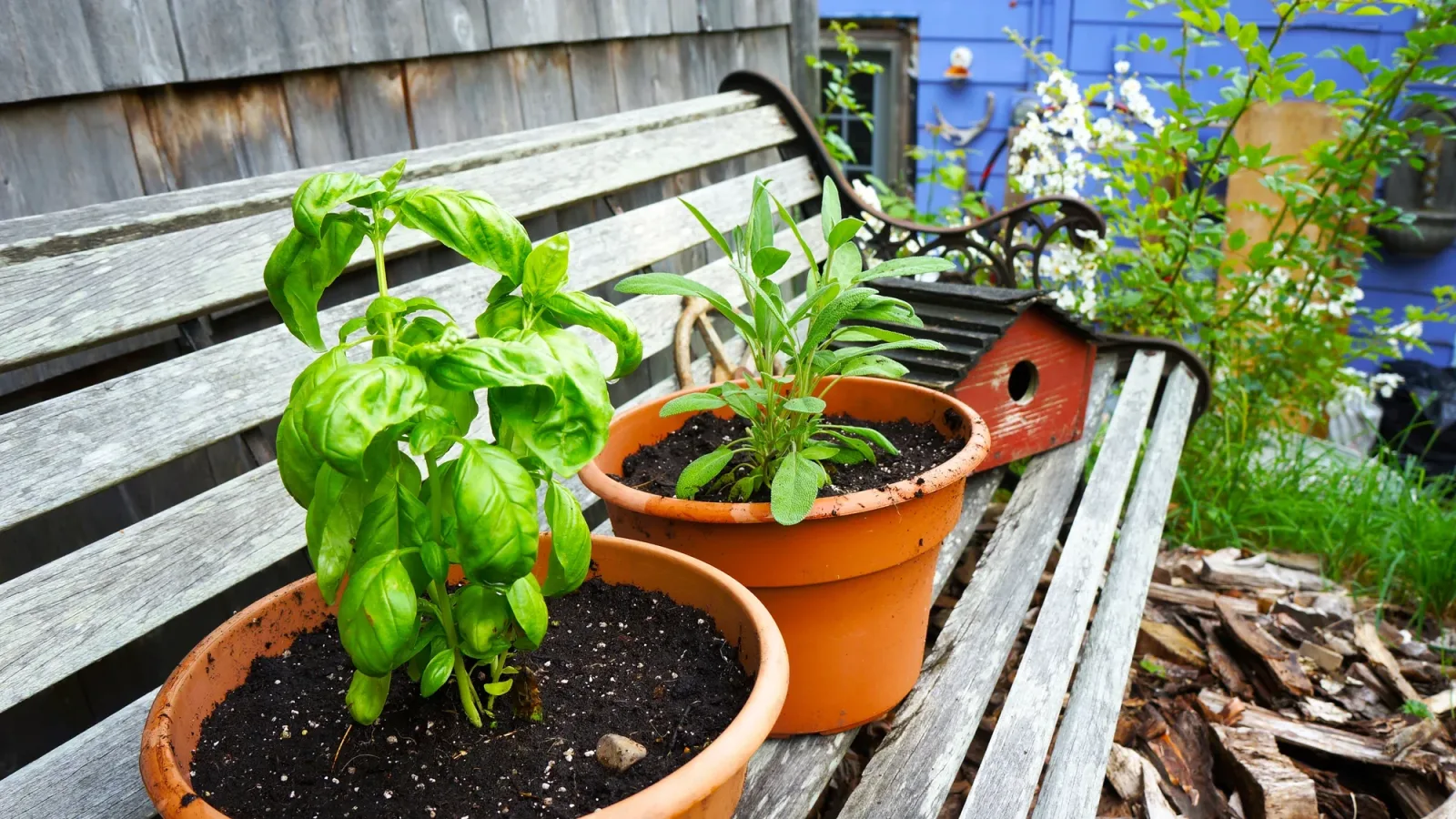
10 Herbs You Can Grow Indoors Through a Canadian Winter
A sunny window can keep a small pot of herbs going through a Canadian winter. Ten herbs that are worth trying indoors, with notes on light, watering and what changes from the Prairies to the coast.
Read guide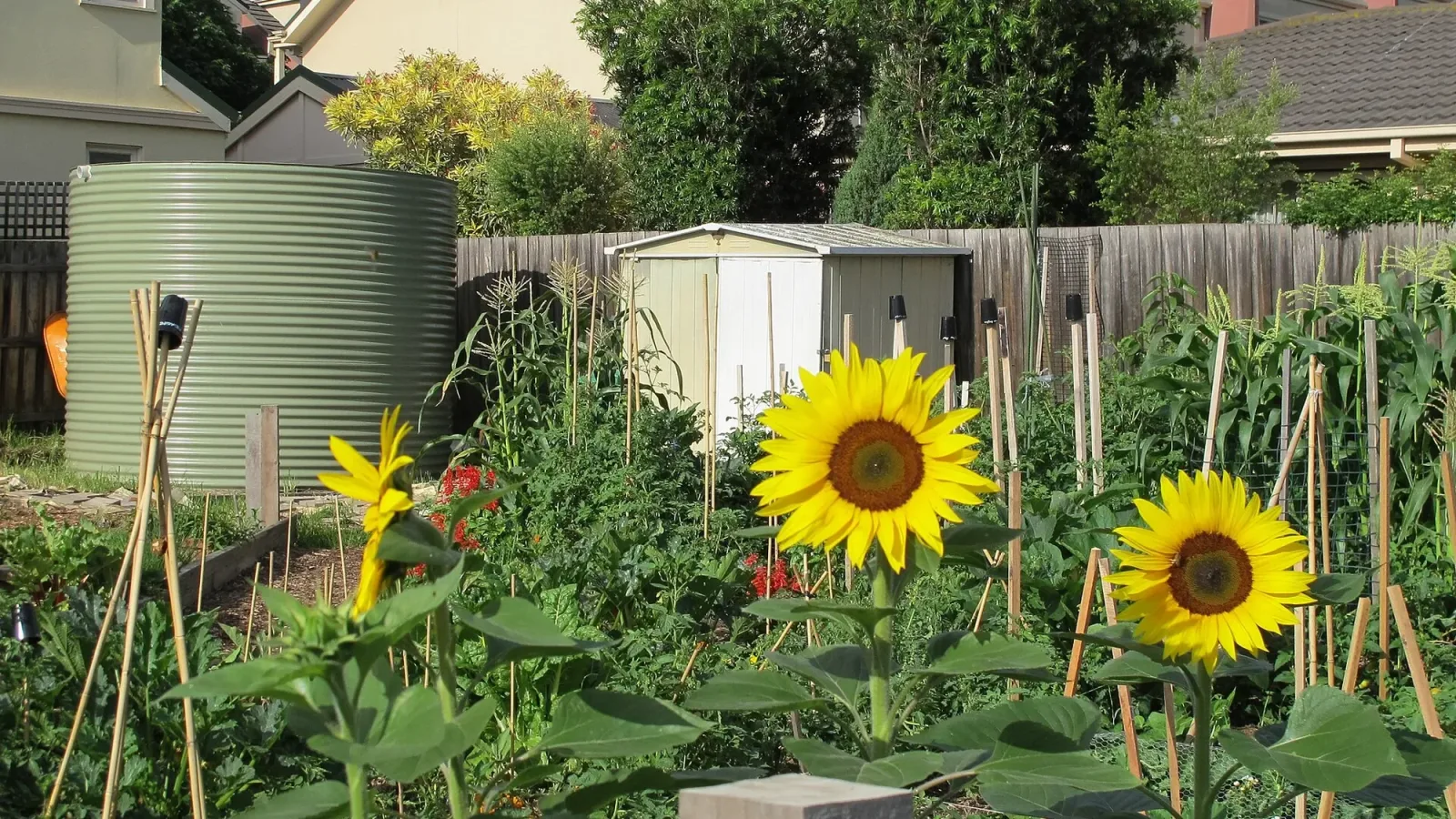
What to Plant in December in Australia: 12 Easy Picks for Every Climate
December is a busy planting month in southern Australia and a short one in the tropics. Here are 12 easy vegetables, herbs and flowers to plant now, with notes for every climate zone.
Read guideQ&A
Frequently Asked Questions
Are chives the same as spring onions?
No. Chives are a separate perennial species with thin, hollow leaves and a milder flavour. Spring onions (hara pyaz) are young onion plants grown for both leaves and bulbs.
How do I harvest chives?
Once leaves are about 15 cm long, cut a few leaves about 5 cm above the base, as Wisconsin Horticulture suggests. Cutting the whole clump at once means waiting several weeks for regrowth.
Can you eat chive flowers?
Yes. NC State notes the flowers are edible, with a mild onion flavour. Pull the florets apart and scatter them on salads.
Why are my chives turning yellow?
Common causes are dry soil, a crowded old clump, waterlogged roots or simply old leaves. Cut the clump back, divide it if crowded and check drainage.
Can chives grow indoors?
Yes. Wisconsin Horticulture suggests potting up a small clump in autumn for a bright windowsill so you have fresh leaves through winter.
Are chives toxic to dogs and cats?
Yes. ASPCA lists chives as toxic to dogs, cats and horses; the onion-family compounds can damage red blood cells. Keep pots out of reach.
How do I store chives?
Wisconsin Horticulture says cut chives keep about a week in the refrigerator. They freeze better than they dry; dried leaves lose much of their flavour.
Should I let chives flower?
You can. The flowers feed bees. Afterwards, cut stems back so the plant makes new leaves, and remove seed heads if you do not want seedlings.
How often should I divide chives?
The RHS advises lifting and dividing clumps every three or four years. Do it in spring or autumn and replant the pieces in fresh soil.
Similar Botanical Matches
Keep exploring
Related plants
Grower field notes
Reader Field Notes in Global
Share how this plant performs in your local Global climate.