
| ☀️ Light | Full sun |
|---|---|
| 💧 Water | Low (allow soil to dry) |
| 🪴 Soil | Gritty, well-drained, medium to dry soil; neutral to slightly alkaline |
| 🌡️ Temp | -29°C – 32°C |
| 🐾 Safety | Cats: non-toxic · Dogs: non-toxic |
| 📏 Mature size | 60 cm |
Where It Grows & Climate Tolerance
Pet & Companion Animal Toxicity (Sage (Common Sage))
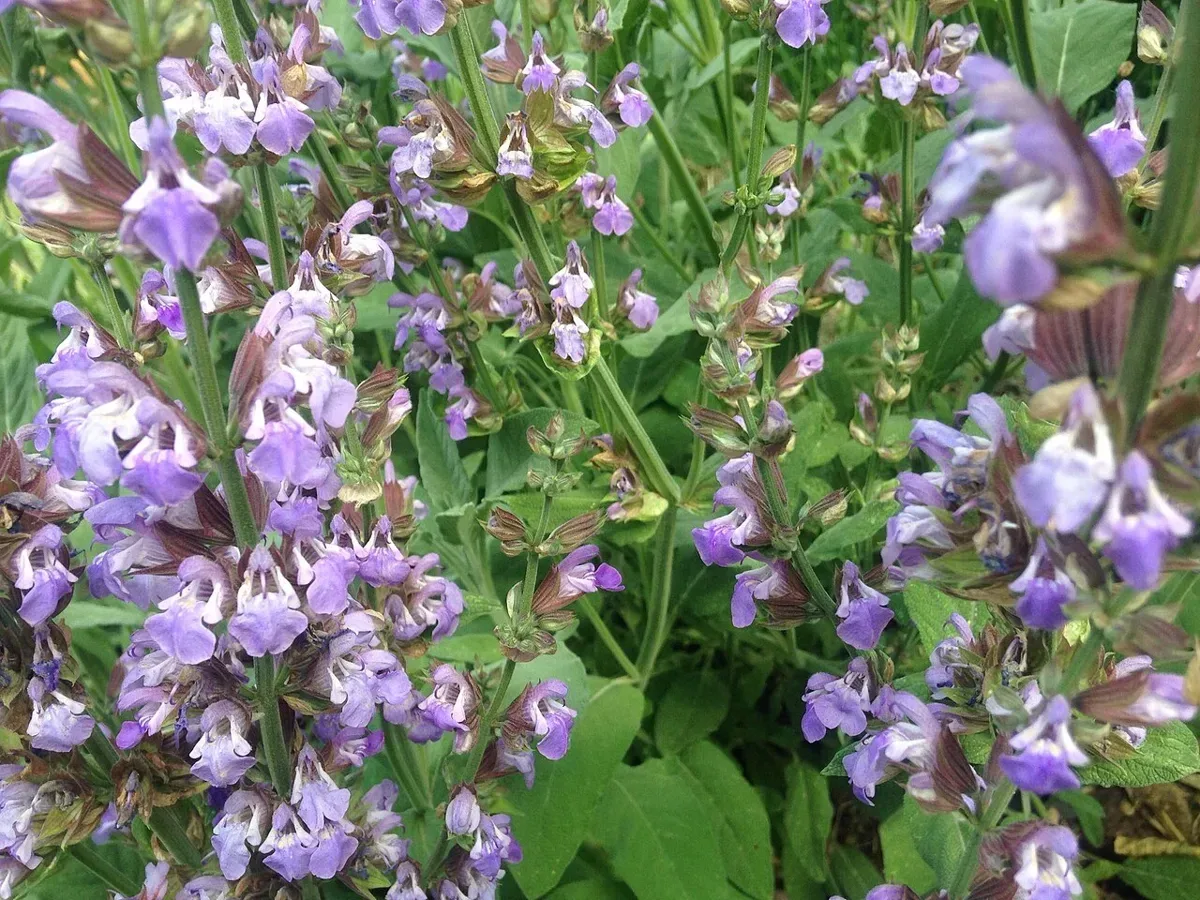
Sage (Salvia officinalis) is a woody, evergreen herb from the Mediterranean with soft, pebbly grey-green leaves and spikes of lavender-blue flowers. The leaves have a warm, slightly bitter flavour. It wants sun and sharp drainage, needs little water once settled, and lives several years.
Care instructions
Care Guide & Maintenance Routine
Plant in full sun in gritty, well-drained soil or a terracotta pot. Water only when the soil has dried. Pick leaves through the growing season, shape the plant in spring and after flowering without cutting into bare old wood, and replace plants every few years when they turn woody.
Light & Sunlight
NC State Extension and Wisconsin Horticulture both list full sun. In shade, sage grows thin and floppy and is more prone to mildew.
Watering Schedule
NC State notes sage tolerates drought and does not tolerate wet soil. Wisconsin Horticulture adds that it produces better with consistent water. In practice, water deeply and then let the top several centimetres dry before watering again.
Potting Mix & Drainage
Gritty, well-drained, medium to dry soil; neutral to slightly alkaline
Temperature & Humidity
Wisconsin Horticulture rates common sage hardy in USDA zones 4a to 10b; NC State gives 4a to 8b. -29°C reflects the zone 4 low for well-drained soil. Coloured forms are less hardy: Wisconsin lists purple sage to zone 6 and golden and tricolor sage to zone 5b or 6a. Spices Board India notes a hot, dry climate is not suitable for cultivation.
About sage
Common sage (Salvia officinalis) is a small, woody subshrub in the mint family. Wisconsin Horticulture notes it is native to the shores of the northern Mediterranean and has been grown for cooking and medicine in Europe for centuries. Plants reach about 30 to 75 cm tall and somewhat wider.
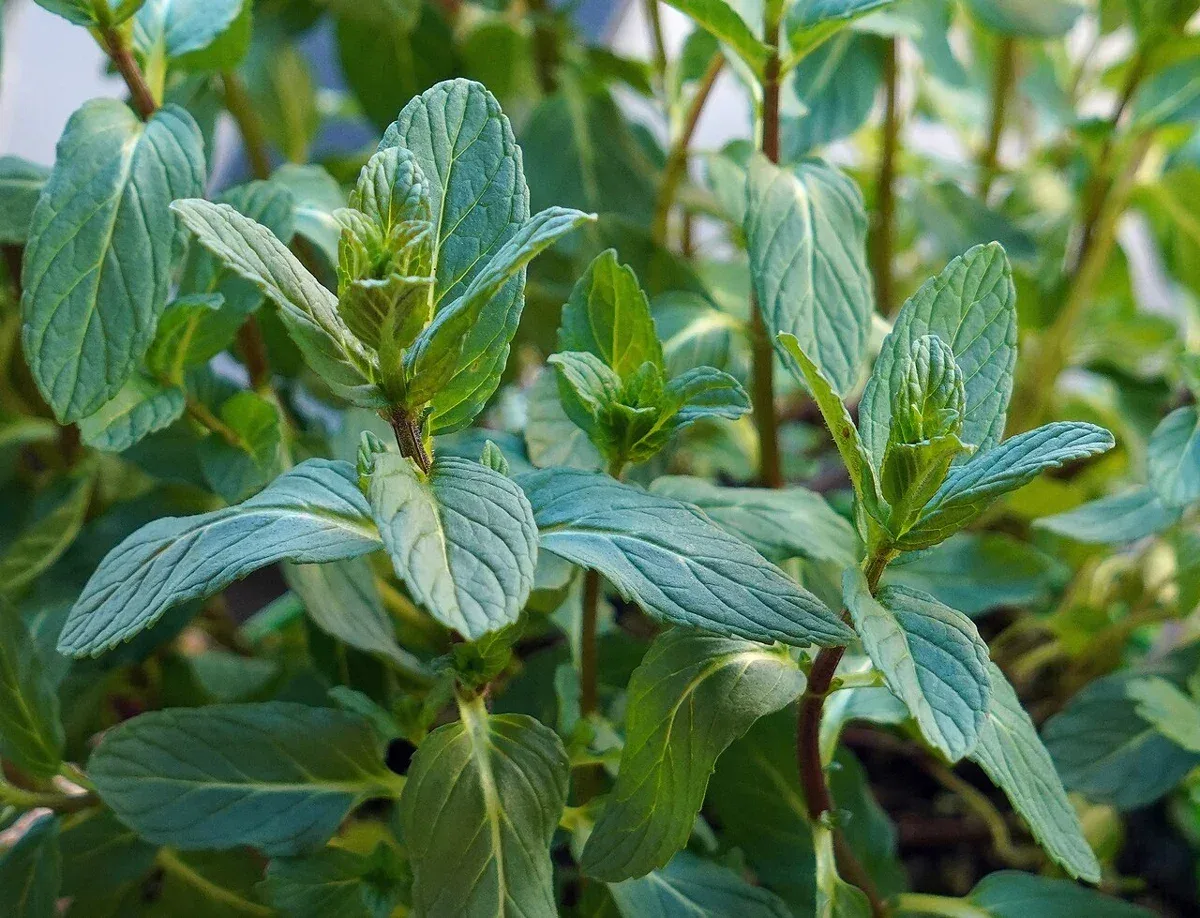
Leaves are opposite, oblong and pebbly, grey-green in the common form and up to about 12 cm long. Young stems are green and turn woody in their second year. In early summer, short spikes carry whorls of two-lipped lavender-blue flowers that bees love.
Varieties
Wisconsin Horticulture describes several cultivars that differ in leaf colour, size and hardiness:
- 'Berggarten': large, round, silvery leaves and a full habit; resistant to mildew.
- 'Purpurea': purple sage, strongly flavoured, less hardy.
- 'Icterina': green leaves with golden variegation.
- 'Tricolor': green, cream and rose leaves; ornamental and less hardy.
- 'Compacta': small leaves on a plant about 25 cm tall, good for pots.
The coloured forms taste much like common sage and make attractive edging.
Buying plants
Sage is easiest to start from a young plant. Choose one with firm, aromatic leaves, no black patches at the base and no roots circling the pot. Rub a leaf: good culinary sage smells warm and resinous. NC State notes that the sage sold in shops is often Greek sage (Salvia fruticosa), so check the label if you want common sage.
Where to plant
Give sage the sunniest, best-drained spot you have. A raised bed, a sunny slope, a gravel border or a large terracotta pot all work. Wisconsin Horticulture suggests spacing plants 45 to 60 cm apart. Grey leaves contrast well with green herbs and flowers, so sage fits in a border as easily as in a herb bed.
Soil
NC State recommends well-drained, medium to dry soil and notes sage does not tolerate wet soil. Mix coarse grit or small gravel into heavy soil, or build a raised bed. Avoid rich compost and heavy feeding, which make leaves soft and less aromatic.
Watering through the year
After planting
Water regularly for the first few weeks so roots spread into the surrounding soil.
Established plants
Water deeply only when the soil is dry several centimetres down. Plants in the ground often need water only in long dry spells; pots need more.
Cool, wet periods
Keep plants on the dry side. Wet roots in cool weather are the most common way to lose sage.
Feeding
Very little. A thin layer of compost around the plant in spring is enough in the ground. Pots can have a diluted balanced feed once or twice a season.
Pruning and harvesting
NC State advises pruning in spring and during the season but not into old wood. Wisconsin Horticulture suggests cutting 15 to 20 cm off the tops at least twice in the growing season, picking leaves as needed but never removing more than half the plant. Harvest lightly in the first year, as NC State recommends. Leaves have the best flavour just before flowering. After flowering, shear off the spent spikes and a little of the soft growth to keep the plant compact.
Propagation
Wisconsin Horticulture notes several methods. Seed is easy and can be sown outdoors around the last frost or indoors 6 to 8 weeks earlier; plants may not flower the first year. Branches touching the ground can be pegged down to root (layering) in spring or fall. Large plants can be divided in spring. Softwood cuttings taken in summer root in moist, well-drained mix, usually without rooting hormone.
Replacing old plants
Wisconsin Horticulture notes common sage tends to be short-lived and is often best replaced every few years. Once a plant has a bare, woody centre and few leaves, root some cuttings or layers and replace it.
Growing sage in containers
Sage does well in a pot as long as the mix drains fast. Use a porous pot at least 25 cm wide, a mix with a third grit or perlite, and a sunny spot. Pots dry out quickly in summer but stay wet in cool, dull weather, so check the mix with a finger rather than watering by habit. Repot into fresh mix every year or two.
Troubleshooting
Plant collapses or blackens at the base
Root or stem rot from wet soil is a common cause. Improve drainage and water less.
White powder on leaves
Powdery mildew, often in humid, crowded spots. Thin out stems and improve airflow. 'Berggarten' is a resistant choice.
Fine speckling and webbing
Spider mites, especially on dry, sheltered plants. Hose leaves and check undersides.
Foam on stems
Spittlebug nymphs hide in the froth. Wipe or wash them off.
Uses
Sage flavours stuffing, roast meats, beans, butter sauces, pasta and cheese dishes. Wisconsin Horticulture notes it is used with fatty meats, chicken, fish, salads and butters. Fresh leaves fried briefly in butter become crisp. Leaves dry well; hang small bunches in a dark, airy place.
Safety and pets
ASPCA lists Salvia officinalis as non-toxic to dogs, cats and horses. Use the leaves in normal kitchen amounts.
Common mistakes
- Planting in heavy, wet soil or a pot without drainage.
- Watering on a fixed schedule rather than when the soil is dry.
- Cutting back into bare, old wood.
- Feeding generously.
- Keeping one old, woody plant for many years.
Sage shares the same sunny, dry conditions as rosemary, thyme and oregano, and looks good beside lavender. For ornamental relatives, see Russian sage and scarlet sage.
India and Canada in brief
The herb is a long-lived shrub where the climate is dry and mild, and a seasonal pot plant elsewhere. The two market sections explain where it survives year-round and how to carry it through the hardest season.
Seasonal rhythm
Seasonal Calendar
A month-by-month calendar for Sage (Common Sage) in Global is coming soon. See the light, water and temperature notes above.
Diagnostics
Common Problems & Troubleshooting
Root rot and collapse in wet soil; powdery mildew in humid, crowded conditions; woody, bare centre on old plants; leggy growth in shade; winter dieback of coloured forms.
Pests & seasonal watch: NC State lists leafhoppers, slugs, spider mites, spittlebugs, root rot, powdery mildew and verticillium wilt. Wisconsin Horticulture notes few pests in well-drained soil.
Care encyclopedia · 1 guide
Guides & Articles for Sage (Common Sage)
Q&A
Frequently Asked Questions
How often should I water sage?
Only when the soil has dried out several centimetres down. NC State notes sage tolerates drought and dislikes wet soil, which causes root rot.
How do I prune sage?
Cut back lightly in spring and again during the season, as NC State and Wisconsin Horticulture suggest. Avoid cutting into bare, old wood, which rarely regrows.
Why is my sage woody?
Sage becomes woody with age. Wisconsin Horticulture notes it is often a short-lived perennial best replaced every few years. Take cuttings to start fresh plants.
Can I grow sage from seed?
Yes. Wisconsin Horticulture says it is easy from seed, sown outdoors around the last frost or indoors 6 to 8 weeks earlier. Named varieties are grown from cuttings.
Is supermarket sage the same plant?
Not always. NC State notes that sage sold in shops is often Greek sage (Salvia fruticosa), a related species with a slightly different flavour.
How much can I harvest?
Wisconsin Horticulture says harvest begins about 75 days after planting, and you should not cut more than half the plant at once. NC State advises harvesting lightly in the first year.
Are purple and golden sage as hardy?
No. Wisconsin Horticulture lists purple sage as hardy only to zone 6 and golden and tricolor sage to zone 5b or 6a, compared with zone 4a for common sage.
Is sage safe for pets?
ASPCA lists Salvia officinalis as non-toxic to dogs, cats and horses.
Is sage related to scarlet sage and Russian sage?
Scarlet sage is another Salvia grown for flowers, not cooking. Russian sage is now also placed in Salvia but is a separate ornamental. Only common sage and its varieties are used as the culinary herb.
Similar Botanical Matches
Keep exploring
Related plants
Grower field notes
Reader Field Notes in Global
Share how this plant performs in your local Global climate.