
| ☀️ Light | Full sun |
|---|---|
| 💧 Water | Moderate (lightly moist) |
| 🪴 Soil | Fertile, well-drained soil |
| 🌡️ Temp | -30°C – 35°C |
| 🐾 Safety | Cats: non-toxic · Dogs: non-toxic |
| 📏 Mature size | 1.8 m |
Where It Grows & Climate Tolerance
Pet & Companion Animal Toxicity (Hollyhock (Gulkhaira))
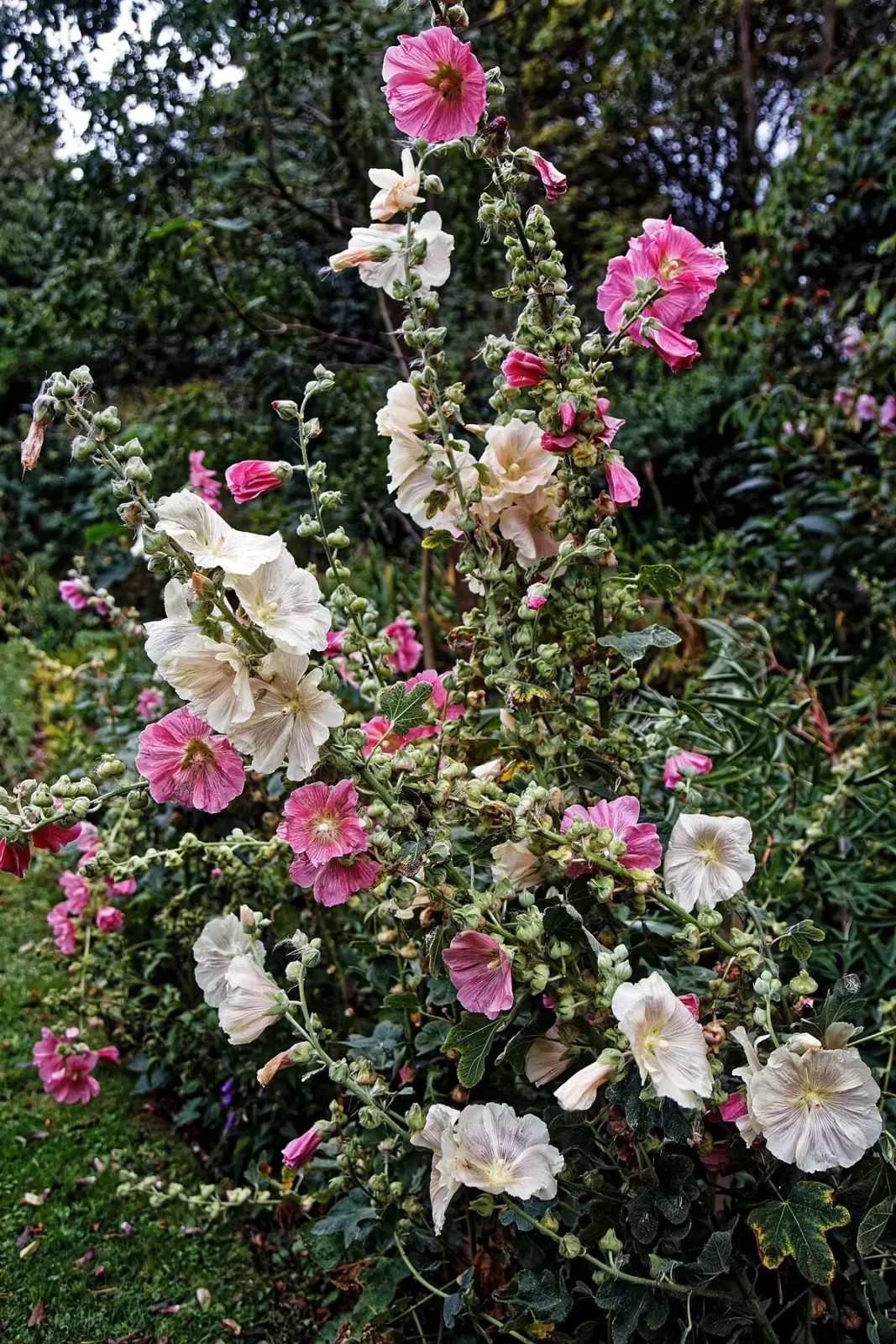
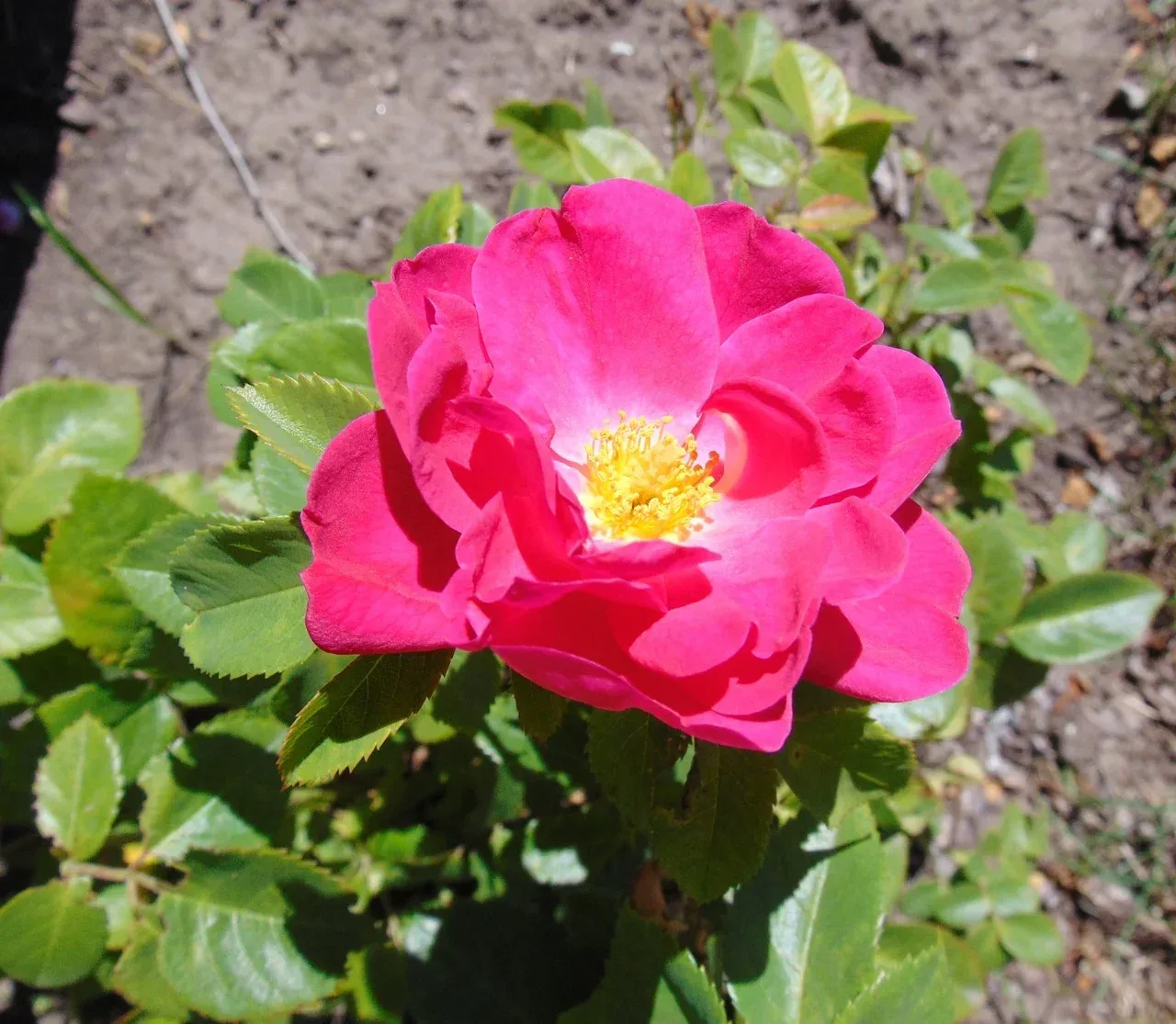
Hollyhock is a tall biennial or short-lived perennial in the mallow family, grown for its towering spikes of single or double saucer-shaped flowers in pink, red, white, yellow, apricot and near black. It is a cottage-garden classic, attracts bees, and is listed as non-toxic to pets.
Care instructions
Care Guide & Maintenance Routine
Grow in full sun in fertile, well-drained soil, sheltered from strong wind. Water young plants until established, then only in dry spells. Stake tall spikes, cut them down after flowering, and clear fallen leaves to limit rust. Let a few seedlings grow on, since plants are short-lived.
Light & Sunlight
RHS recommends full sun for the tallest spikes. NC State lists full sun to partial shade. In very hot climates, a little afternoon shade is tolerated.
Watering Schedule
RHS advises keeping the top 15 cm of soil damp but not soggy for young plants in their first few months; after that, plants in the ground need water only in long dry or hot spells. Water at the base to keep leaves dry and limit rust.
Potting Mix & Drainage
Fertile, well-drained soil
Temperature & Humidity
RHS rates hollyhocks fully hardy; NC State gives zones 5a to 9b. Seed germinates at 16 to 21°C, according to RHS. Very hot, humid weather worsens rust.
About hollyhock
Hollyhock, Alcea rosea, is a tall member of the mallow family, related to hibiscus and okra. NC State notes it is thought to come from Turkey and western Asia, and describes it as a biennial to annual, usually 1.5 to 2.5 m tall. RHS describes it as a short-lived perennial that flowers in the second year after sowing.
In the first year, the plant forms a rosette of large, rough, rounded leaves. In the second, it sends up one or more stiff spikes lined with saucer-shaped flowers 8 to 12 cm across, opening from the bottom upwards over several weeks. Flowers are single or double, in pink, rose, red, white, cream, yellow, apricot, purple and deep maroon that looks almost black.
Single or double
- Single flowers: an open saucer with a central column of stamens. RHS notes these are best for bees and butterflies.
- Double flowers: ruffled, pompon-like centres; showier but less useful to pollinators.
Where to plant
RHS recommends fertile, well-drained soil in full sun, sheltered from strong wind, which can blow spikes over. The classic places are the back of a sunny border, along a wall or fence, or beside a doorway. The stems are tall, so think about what they will shade.
Planting
RHS plants pot-grown hollyhocks in spring or autumn, spaced about 60 cm apart. Small plug plants are best grown on in 10 cm pots before planting out. Plant at the same depth as in the pot, firm in, and water well.
Sowing
Hollyhocks are easy from seed. RHS sows indoors in mid to late spring, or direct in the garden in early summer, noting germination at 16 to 21°C. Sow about 1 cm deep. Seedlings develop a long taproot, so move them while small. Plants flower the following year.
Watering
RHS advises keeping the top 15 cm of soil damp but not soggy for young plants during their first few months, which builds a strong root system. After that, established plants need water only in long dry or hot spells. Water at the base, not over the leaves.
Feeding
RHS notes hollyhocks usually need no feeding in reasonable soil. Compost at planting is enough. Rich feeding gives soft, lush growth that is more prone to rust and wind damage.
Staking
In exposed sites, RHS advises a bamboo cane beside each spike, tied in loosely as it grows. Against a wall or fence, a few ties to a wire do the same job.
After flowering
Cut spikes down to the ground once flowers fade, as RHS recommends, unless you want seed. Leaving a few spikes to ripen gives seed for next year and self-sown seedlings.
Rust
Hollyhock rust is the most common problem. Wisconsin Horticulture describes orange to yellow spots on the upper leaf surface with raised, rusty pustules underneath, caused by the fungus Leptopuccinia malvacearum. Spores spread by wind and water splash, and the fungus overwinters on plant debris. To manage it:
- Remove infected leaves as soon as spots appear.
- Avoid sprinklers and water at the base.
- Space plants for air movement.
- Clear all hollyhock debris in autumn.
- Do not save seed from infected plants.
- Replace old plants every few years, as RHS suggests.
Wild mallows near the garden can also carry rust.
Other pests and diseases
- Slugs and snails: RHS notes they quickly eat young leaves.
- Caterpillars and Japanese beetles: holes in leaves and flowers.
- Spider mites: fine speckling in hot, dry weather.
- Leaf spot and anthracnose: dark spots and blotches; NC State lists both.
Wildlife and edible flowers
RHS notes hollyhocks attract bees and butterflies, and the petals can be added to salads or crystallised for cake decoration. Only eat flowers that have not been sprayed.
Pets
ASPCA lists hollyhock as non-toxic to dogs, cats and horses.
Choosing strains
Seed is sold as single-colour strains or mixtures. Classic tall singles reach 2 m or more and suit walls and fences. Double strains have ruffled, pompon centres and are popular for cutting. Dark maroon to near-black strains are often sold as 'Nigra' types. Shorter strains around 1 to 1.2 m suit smaller gardens and windier sites. Some strains are offered as annual hollyhocks, bred to flower in the first year from an early sowing.
Common mistakes
- Expecting flowers in the first year from seed.
- Planting in an exposed, windy spot without support.
- Using sprinklers, which spreads rust.
- Leaving infected leaves and stems in place over winter.
- Moving large plants, which damages the long taproot.
Cutting for the vase
Hollyhocks can be cut for arrangements, as RHS notes. Cut a spike when the lowest few flowers are open, plunge it straight into water, and let the upper buds open indoors. Shorter side spikes are easier to use than the main stem. Change the water daily, because the stems foul it quickly.
Keeping hollyhocks going
Because individual plants are short-lived, the best way to keep hollyhocks in a garden is to let them reseed. NC State notes they reseed readily. Keep the strongest seedlings, move them while small to where you want them, and remove the oldest, most rust-prone plants.
Companions
Hollyhocks pair with other tall summer flowers such as delphinium and sunflower, and with cottage-garden annuals like cosmos, cornflower and sweet pea. For a related mallow, see hibiscus.
Planting times differ greatly between markets; see the country sections.
Seasonal rhythm
Seasonal Calendar
A month-by-month calendar for Hollyhock (Gulkhaira) in Global is coming soon. See the light, water and temperature notes above.
Diagnostics
Common Problems & Troubleshooting
Orange rust pustules on leaf undersides; leaf spots; holes chewed by slugs, caterpillars and beetles; spikes blown over in wind; plants dying out after two or three years; no flowers in the first year from seed.
Pests & seasonal watch: NC State lists rust, leaf spot, anthracnose, slugs, spider mites and Japanese beetles. RHS also lists caterpillars. Slugs eat young plants quickly, so protect seedlings.
Q&A
Frequently Asked Questions
Are hollyhocks annual, biennial or perennial?
NC State describes them as biennial to annual; RHS calls them short-lived perennials that flower in the second year after sowing. Most plants decline after two or three years.
Why are there orange spots on my hollyhock leaves?
That is hollyhock rust. Wisconsin Horticulture notes it spreads by wind and water splash and overwinters in plant debris. Remove infected leaves, avoid sprinklers, space plants and clear debris in autumn.
Are hollyhocks safe for pets?
Yes. ASPCA lists hollyhock as non-toxic to dogs, cats and horses.
Why didn't my hollyhock flower this year?
Plants from seed usually flower only in their second year. RHS notes they flower in the second year after sowing.
Do hollyhocks need staking?
In windy gardens, yes. RHS advises staking stems in a windy spot.
Should I cut hollyhocks back after flowering?
RHS advises cutting spikes to the ground after flowering, unless you want seed.
Do hollyhocks self-seed?
Yes. NC State notes they reseed. Let some seedlings grow on to replace old plants.
Can you eat hollyhock flowers?
RHS notes the petals can be added to salads or crystallised for cake decorations. Only eat flowers that have not been sprayed.
How far apart should I plant hollyhocks?
RHS spaces them 60 cm apart.
Similar Botanical Matches
Keep exploring
Related plants
Grower field notes
Reader Field Notes in Global
Share how this plant performs in your local Global climate.