
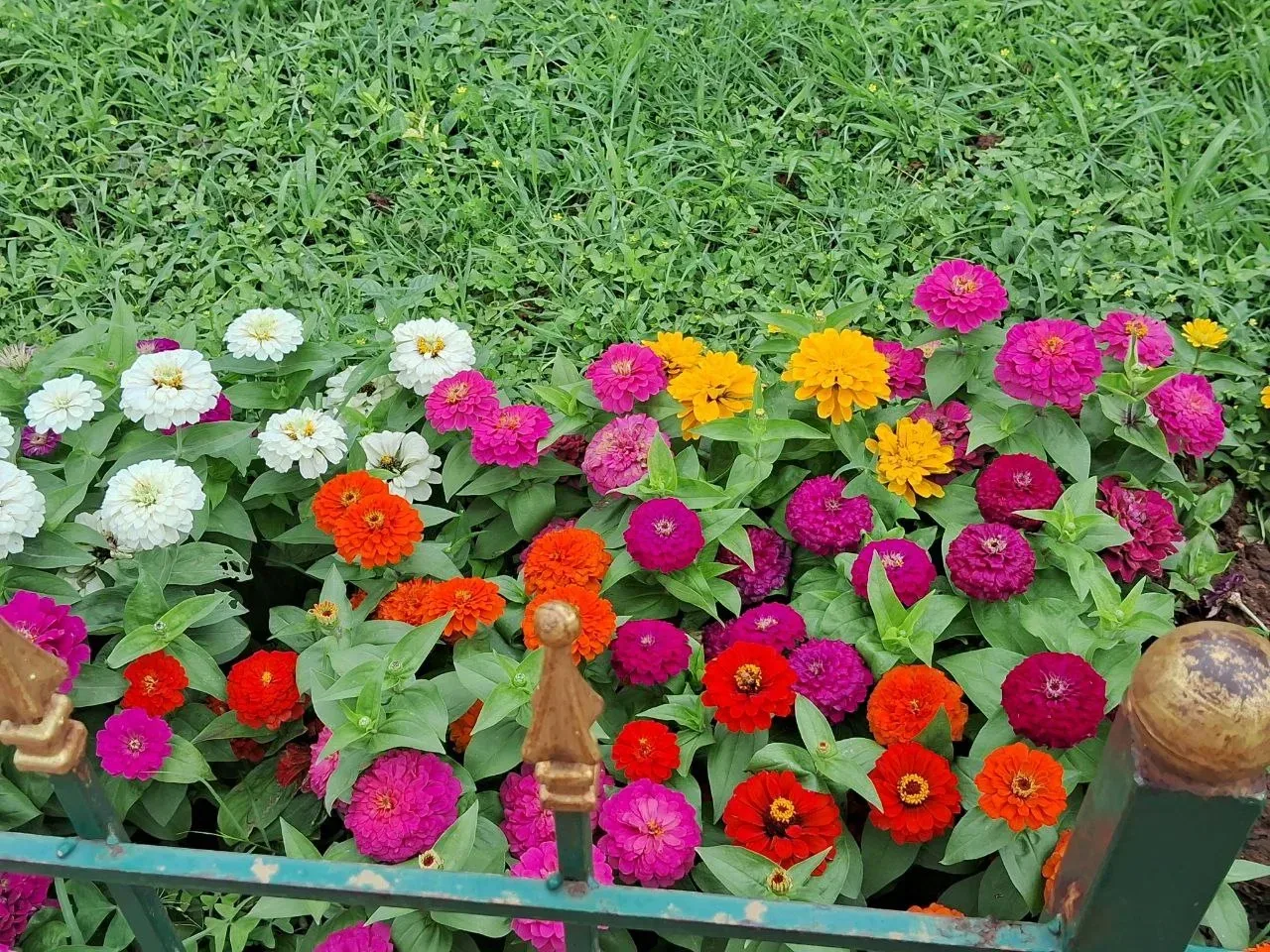
A flowering plant can look healthy, with dark green leaves and strong shoots, and still refuse to flower. In many gardens the reason is the fertiliser itself: too much of the wrong kind, given at the wrong time, or given to a plant that is not ready for it. Feeding for flowers is about balance and timing, not about the strongest powder in the shop.
This guide explains what flowering plants need, which organic and packaged feeds work, how to feed the popular ones such as bougainvillea, hibiscus, jasmine (mogra) and marigold, and how timing changes between North India, South India, the coast and the hills. For roses alone, our rose plant fertilizer guide goes deeper.
What flowering plants need from a feed
Every fertiliser label shows three numbers, such as 19:19:19 or 10:30:20. They stand for nitrogen (N), phosphorus (P) and potassium (K), in that order. Flowering plants use all three, but they do not use them equally through the year.
- Nitrogen builds leaves and new shoots. A plant short of it is pale and slow. A plant with too much of it grows a lot of soft green growth and holds back its flowers.
- Phosphorus supports roots and the start of flower buds. Most plants need less of it than they need nitrogen or potassium, and many garden soils already have enough.
- Potassium (potash) helps buds open well, improves flower colour and helps the plant cope with heat and dry spells.
Small amounts of iron, magnesium, zinc and manganese matter too. They are the usual reason for yellow leaves on otherwise well-fed plants, especially in alkaline soil, which is common across North and West India. A packaged fertiliser that lists micronutrients on the label covers most of this for pots.
Do you need a special bloom booster?
Not always. A bloom booster is simply a feed with a lower nitrogen number and a higher phosphorus and potassium number. It can help a plant that is already healthy and has plenty of leaves. It will not help a plant that sits in shade, has bad drainage or has been pruned at the wrong time. Fix light, water and pruning first, then look at the fertiliser.
Organic feeds for flowering plants
Well-rotted manure and compost
Gobar khad and mature compost are the base of almost every official recommendation for flowering crops in India. Tamil Nadu Agricultural University (TNAU), for example, starts its fertiliser schedules for jasmine, marigold and chrysanthemum with farmyard manure before any chemical fertiliser. It feeds slowly, holds water and rarely burns roots. Use it fully decomposed. Fresh dung can burn roots and bring fungus gnats and ants.
Vermicompost
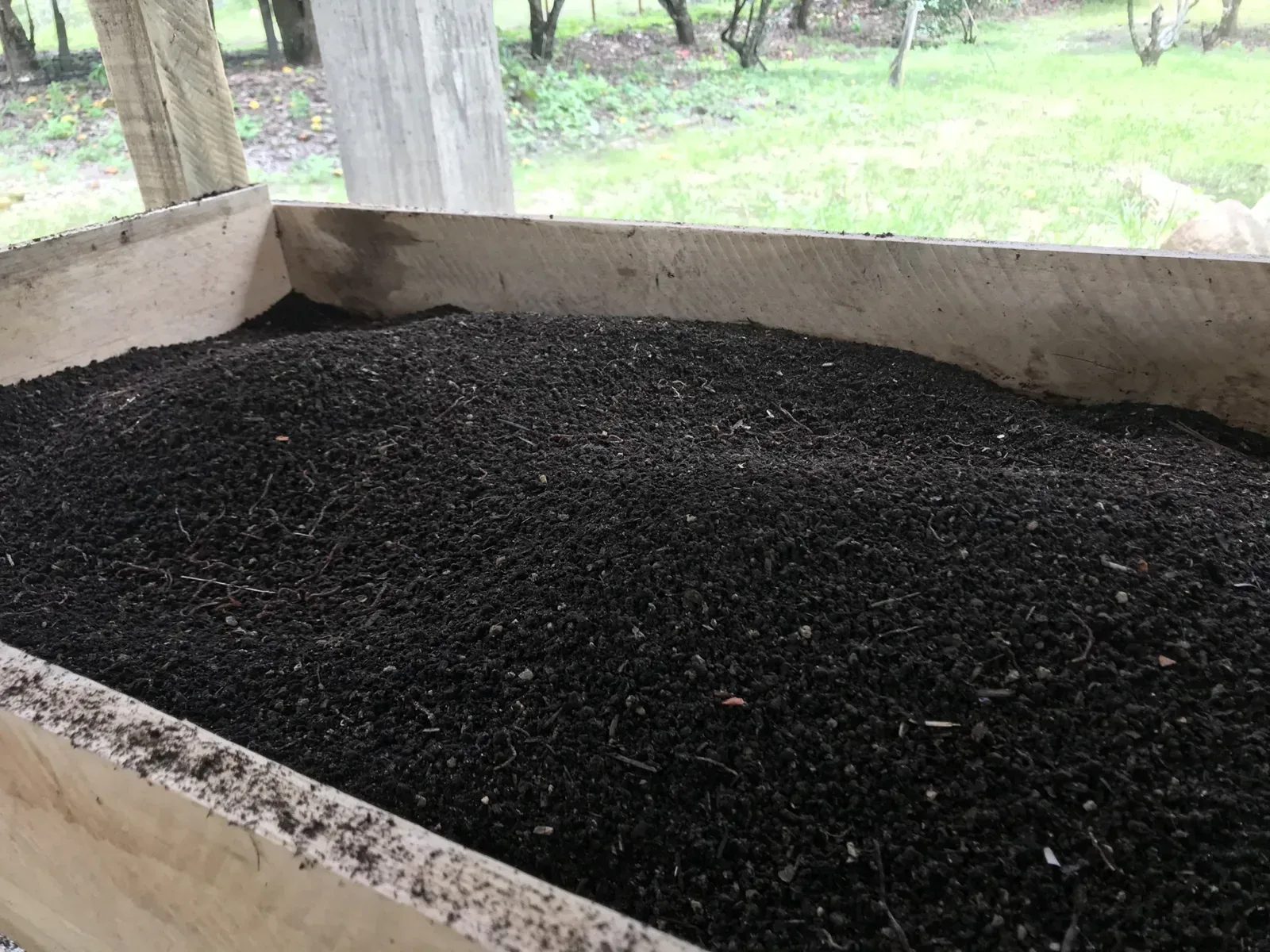
Vermicompost is finer and richer than ordinary compost, and it suits pots well. Spread a thin layer on top of the soil, away from the main stem, scratch it in gently and water. Good vermicompost smells earthy, not sour.
Oil cakes: mustard (sarson khali), neem and sesame (til khali)
These release nitrogen slowly as soil microbes break them down, and they are popular with Indian gardeners. Use them powdered and mixed into the top layer of soil, start with a small amount and follow the pack. Our lemon plant fertilizer guide explains how to use oil cakes in pots without smell, mould or root burn. The same care applies to flowering plants.
Bone meal and banana peel
Bone meal is a slow source of phosphorus and calcium, best mixed into the soil at planting or repotting. Banana peel adds some potassium, but it is not a complete feed; see our banana peel fertilizer guide for how to use it properly.
Packaged fertilisers
- Balanced water-soluble feeds (the same number three times, such as 19:19:19) suit most flowering plants while they are growing leaves and shoots.
- Higher-phosphorus and potash feeds are for the stage when buds are forming. Switch to them after the plant has made its growth, not before.
- Slow-release granules give a steady supply for a few months and are handy for balconies where you cannot feed every week. The pack tells you how long they last.
- Micronutrient mixes or chelated iron are for plants that show clear signs of a shortage. Do not use them every week as a routine.
Always water the pot before feeding, mix or measure only as the label says, and never give extra because the plant looks weak. A plant with stressed roots cannot use more food.
How to feed some popular flowering plants
The universities that advise flower growers in India mostly publish rates for field crops, measured per hectare or per plant in the ground. Those numbers do not convert safely to a pot on a balcony, so they are not repeated here. What the advice does give us is useful timing and method, and that carries over.
Bougainvillea
An article in the Indian Journal of Horticulture, published by ICAR, describes bougainvillea as a plant that grows best in well-drained, slightly acidic soil, with a balanced feed such as an equal NPK ratio or one with extra nitrogen and potash. It also warns that too much fertiliser promotes leaves and holds back the flowers. This is why a bougainvillea fed like a leafy plant gives a green wall and no colour. Feed lightly, keep it in full sun, and read our bougainvillea profile for pruning and watering.
Rose
Roses flower on new shoots, and TNAU notes that flowering usually begins about 45 days after pruning. Feed after pruning, when new growth starts. ICAR-IIHR advises applying iron and zinc only on the basis of a soil test or clear symptoms. The full timing for roses is in our rose fertilizer guide.
Hibiscus (gudhal)
Hibiscus is a heavy feeder that flowers on new growth, so it needs regular food while it is growing. A university trial in the United States found that hibiscus in full sun produced more buds and flowers, and that plants in half shade did well on a lower feeding rate. Take that as a hint rather than a rule: a sunny spot and steady, light feeding beat occasional heavy doses. Sap-sucking pests also prefer soft, over-fed growth, so see our guide to mealybugs on hibiscus if you see white cottony patches. More on care is in the hibiscus profile.
Jasmine (mogra, chameli)
TNAU's schedule for jasmine pairs farmyard manure with NPK and splits the feeding into two rounds: after pruning, and again in June and July. KVK Kanyakumari describes the same pattern, with feeding right after each pruning or leaf drop. In practice, prune the plant, feed once new shoots show, and do not keep feeding through the rest period. Our jasmine (mogra) profile covers pruning dates and watering.
Chrysanthemum (guldaudi)
Chrysanthemum is a short-day plant, which means it sets buds as the days shorten in autumn. TNAU splits the nitrogen into two parts, with the rest of the feed given at planting and the second nitrogen round about 30 days later, and recommends pinching the shoot tips at about four weeks to get more branches. It also lists a foliar spray of zinc and magnesium sulphate. Stop heavy feeding once buds are showing. See the chrysanthemum profile and our chrysanthemum not flowering guide.
Marigold (genda)
For African marigold, TNAU's recommendation applies most of the feed at planting and a nitrogen top-up about 45 days after planting. It also lists iron and zinc sulphate foliar sprays at 30 and 45 days after transplanting in its precision production system. For a pot of marigold, the lesson is simple: feed at planting, give one more light feed as the plant fills out, then stop, because marigold flowers best when it is a little lean. See the marigold profile.
Ixora (rangan)
Ixora in pots needs potassium and phosphorus as well as nitrogen. A study in HortTechnology on container ixora found that shortage of both caused spotting and reddish-brown older leaves, and that fertilising with only one of them did not fix it. Ixora also likes slightly acidic soil, so a plant that turns yellow in alkaline soil may need a different soil mix as much as extra food. Details are in the ixora profile.
Annuals in pots: petunia, zinnia and dahlia
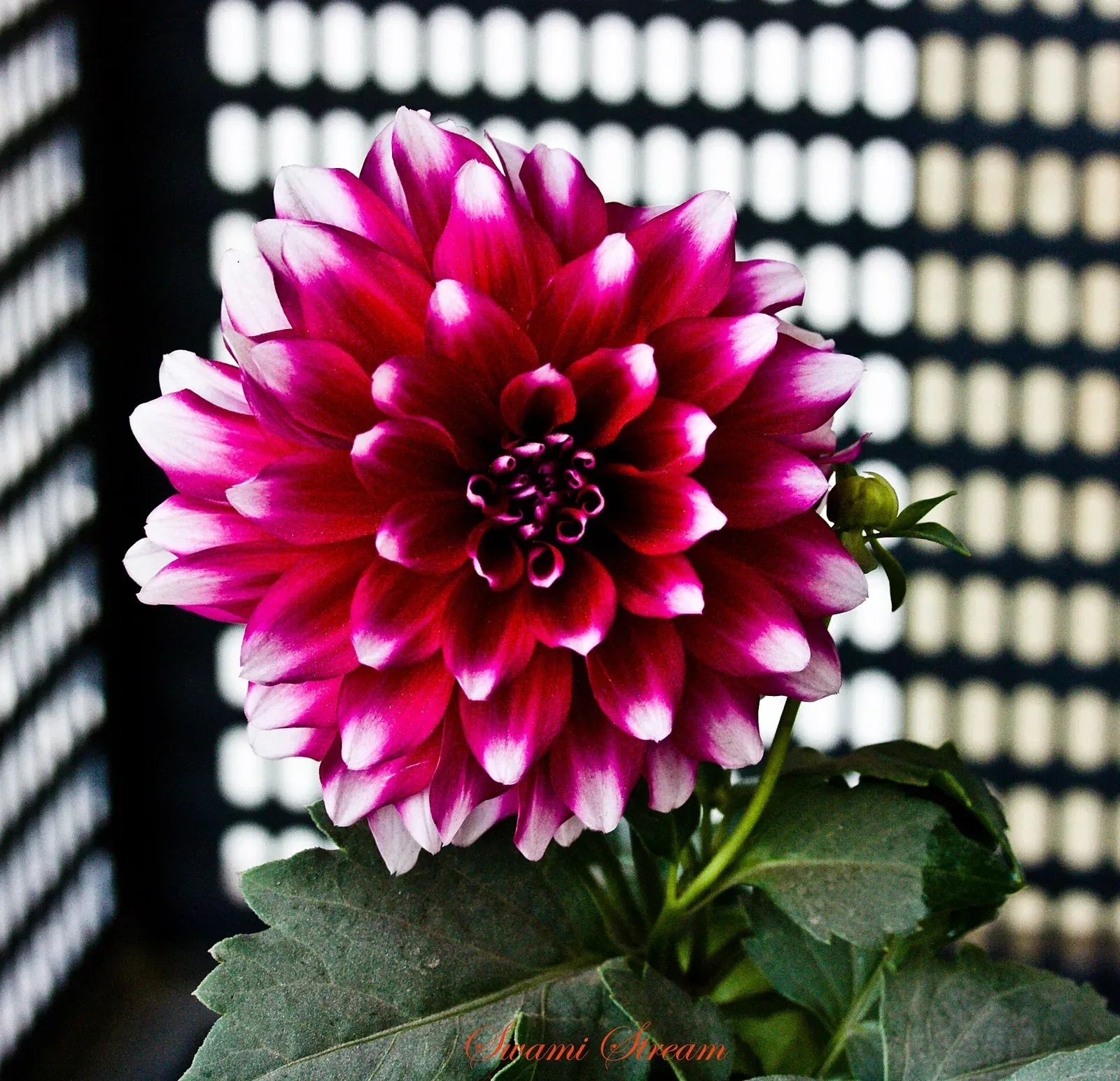
Seasonal flowers use up a lot of food in a short time, and pot soil runs out of nutrients faster than garden soil. They suit regular light feeding during the flowering months. See the profiles for petunia and zinnia, our guide on petunia not flowering in pots and how to grow dahlia in pots.
When to feed: by region
The right feeding calendar depends on when your plants actually grow. Use this as a starting point and adjust to your own weather.
North India (Delhi, Punjab, Uttar Pradesh, Rajasthan)
The main feeding seasons are spring (February to April) and the cool season for winter annuals, from October to February. Plants slow down in the May and June heat, so feed lightly or not at all then, and avoid feeding a plant that is wilting in the afternoon sun. In the cold weeks of December and January, growth is slow and the plant needs little. Resume in February as new growth starts. Alkaline soil and hard water are common, so watch for pale new leaves with green veins.
South India (Karnataka, Tamil Nadu, Andhra Pradesh, Telangana, Kerala)
Many flowering plants grow for most of the year, so regular light feeding works better than a few big doses. Pruned shrubs such as jasmine, hibiscus and ixora respond well to feeding as new shoots appear. During heavy monsoon rain, nutrients wash out of pots quickly and roots sit in wet soil, so use a light feed in breaks between rains, and do not feed a waterlogged pot.
Coastal regions (Mumbai, Goa, Kerala and Tamil Nadu coast, Odisha, Bengal)
Sandy soil holds nutrients poorly, and salty air and water can add to salt stress. Rain leaches food quickly and humidity encourages fungus. Feed smaller amounts more often in the drier months, use slow-release feeds in pots, and flush the pots with fresh water now and then to wash out salts. A white crust on the soil or pot rim is covered in our white crust on soil page.
Hills (Himachal, Uttarakhand, the Nilgiris, Darjeeling, Kashmir and the North East)
The growing season is short and runs from spring to early autumn. Feed from the time new growth starts in March or April through the summer, and stop heavy feeding by late summer so that soft new growth does not meet the first frosts. Many winter-flowering plants of the plains are summer plants in the hills.
If you are growing flowers for the cold season in the plains, our winter flowering plants for North India guide lists good choices.
Pots and ground: what changes
- In the ground, the soil holds a store of nutrients and the roots search a wide area. A yearly layer of compost or manure and a light feed during active growth is often enough.
- In pots, the roots can only reach what is in the pot, and every watering washes some of it out. Plan for regular, light feeding during active growth, refresh the top few centimetres of soil once a year, and repot with fresh mix every one or two years. Our guide to grow bags vs pots explains how the container changes watering and feeding.
- Do not feed a plant that is dry to the point of wilting, or one that is sitting in water. Water first, wait, then feed.
Leaves but no flowers: what to check
Before you add any fertiliser, look at the usual reasons a healthy-looking plant will not flower.
- Light. Most flowering plants need at least four to six hours of direct sun. A shaded balcony is a very common cause.
- Pruning time. Some plants flower on new shoots, others on old wood, and cutting at the wrong time removes the buds.
- Too much nitrogen. Very dark leaves and fast, soft growth with no buds can point to this. Switch to a lower-nitrogen feed and hold back for a few weeks.
- Water stress. Either extreme can make a plant drop buds.
- Pests. Check the shoot tips and under the leaves.
- Age and season. Young plants, and plants in their rest period, may not flower yet.
Our no flowers problem page walks through these, and nutrient deficiency and yellow leaves help if the leaf colour looks wrong. Leaf signs alone cannot tell you the exact cause, so treat them as clues and rule out water and roots first. For garden beds, a soil test through your local Krishi Vigyan Kendra or state soil testing lab is the most reliable guide.
Signs you are feeding too much
- A white crust on the soil or around the drainage holes.
- Brown, crispy leaf edges.
- Lots of lush leaves and few or no buds.
- Wilting even when the soil is wet.
If you see these, stop feeding, flush the pot with plenty of plain water until it runs freely from the bottom, and wait several weeks before the next light feed.
Common feeding mistakes
- Using one high-nitrogen leaf feed for every plant all year.
- Feeding a dry or stressed plant.
- Giving extra because the label rate looks small.
- Feeding in peak summer heat or during cold spells in the hills.
- Using fresh, undecomposed manure or large amounts of oil cake in pots.
- Reaching for fertiliser before checking sun, drainage and pruning.
Watch: a fertiliser guide in Hindi
This Hindi video covers neem cake, humic acid, nitrogen, phosphorus, potash, Epsom salt and NPK 19:19:19, with when and how often each is used. The amounts shown on screen are the presenter's own choices, not an official recommendation, so follow the label of whatever you buy and use the timing advice above for your region.
Sources
- Tamil Nadu Agricultural University, TNAU Agritech Portal: Fertilizer schedule for flower crops (jasmine, African marigold, chrysanthemum), and Commercial chrysanthemum.
- Tamil Nadu Agricultural University: Precision Production Technology of Marigold (Department of Floriculture and Landscaping, ICAR NAIP project).
- TNAU Krishi Vigyan Kendra, Kanyakumari: Off-season flower induction in jasmine.
- Indian Journal of Horticulture (ICAR): Bougainvillea, an ideal ornamental plant for landscaping and pollution control.
- ICAR-Indian Institute of Horticultural Research, Bengaluru: Good Agricultural Practices for Commercially Important Flower Crops, Technical Bulletin ETB-01/2021 (rose).
- HortScience 22(5): Effect of light and fertilizer rate and source on flowering, growth and quality of hibiscus (Mississippi State University, 1987).
- HortTechnology 10(2): Potassium and phosphorus deficiency symptoms of ixora.
Comments
No comments yet — share what worked in your climate.