
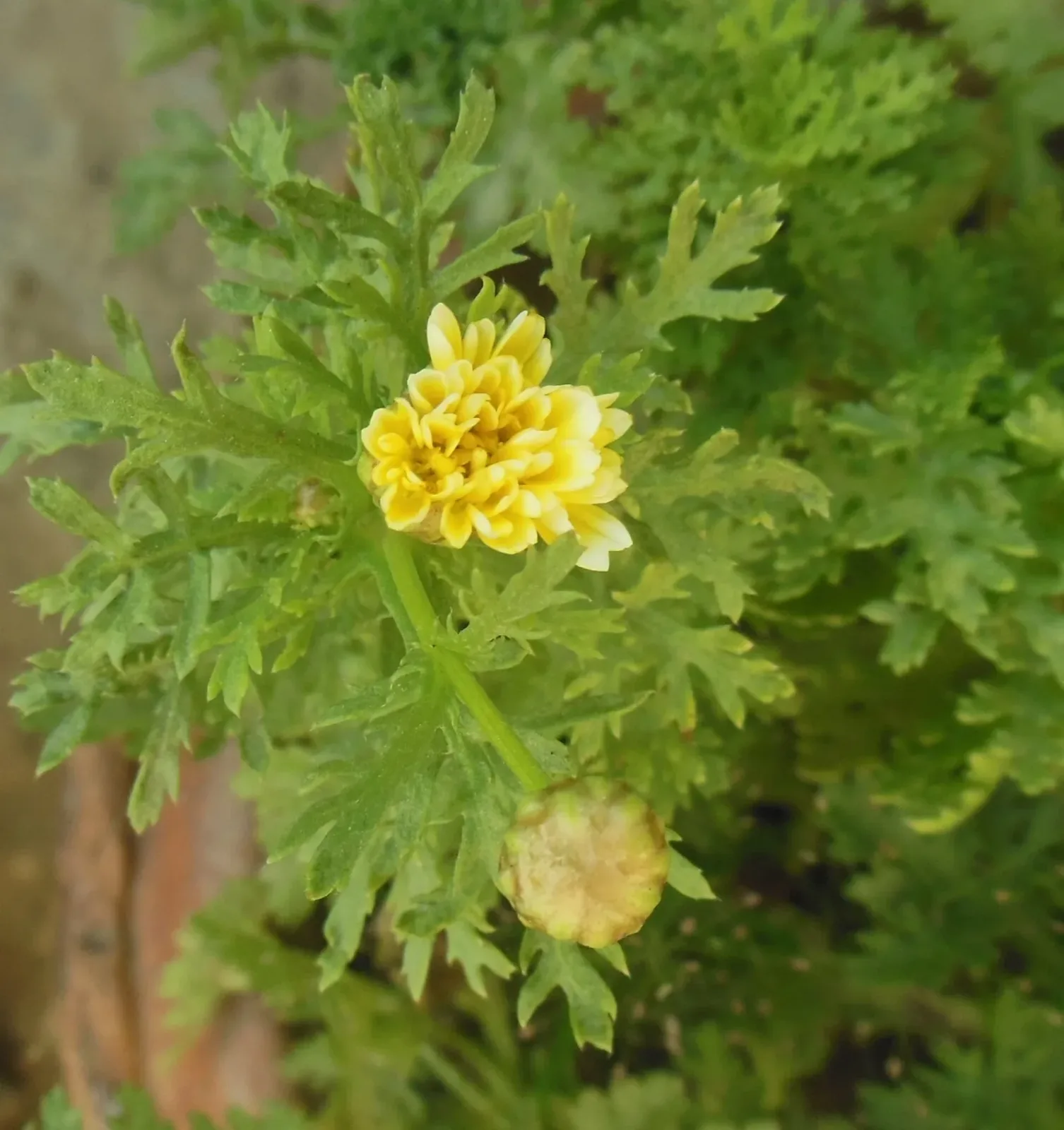
A chrysanthemum (guldaudi) with lots of leaves and no flowers is usually not getting long enough nights, or it was pinched too late. Chrysanthemum is a short-day plant: it forms buds when days shorten and nights lengthen in autumn. A balcony lit by a tubelight or streetlight at night, pinching into October, planting very late, or a waterlogged pot can all stop or delay flowering.
In most of India, normal flowering is from October to December. If it is summer or monsoon and your plant has only leaves, that is expected.
When chrysanthemums should flower in India
ICAR-IIHR describes chrysanthemum as a short-day plant that normally initiates buds and flowers from September to December. Punjab Agricultural University (PAU) says it flowers in November and December in Punjab, with some varieties as early as October. PAU gives an optimum of about 25°C by day and 15°C at night.
IIHR says flowering starts about three to four months after planting. PAU's varieties take anywhere from about 90 to more than 140 days from transplanting to flower, depending on the variety.
| Region | Usual flowering | Notes |
|---|---|---|
| Northern plains | November to December, some in October | PAU timing for Punjab. Cuttings taken June to July and planted end July to early August. |
| Southern and central India | September to December | IIHR recommends planting in May to June so flowering matches the short days. |
| Hills | Autumn | Day length works the same way. Early frost can damage open flowers; general guidance, no regional source found. |
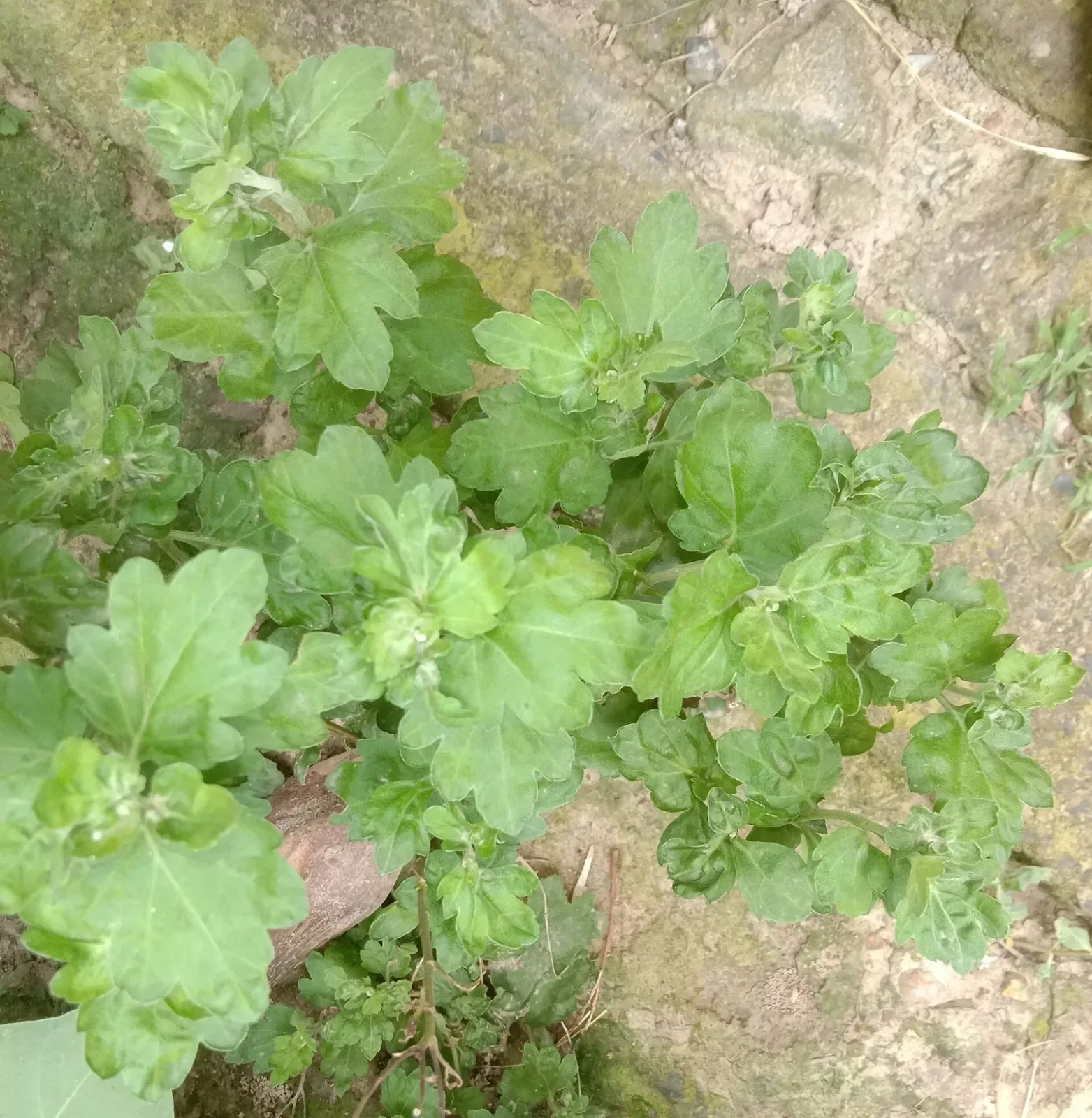
Seven reasons a chrysanthemum does not flower
1. Too much light at night
Buds form only when nights are long. TNAU's guide for cut chrysanthemum gives about 13 hours of light and 11 hours of dark for leafy growth, and about 10 hours of light and 14 hours of dark for flower bud formation. Commercial growers use lamps at night on purpose to keep plants leafy.
The same thing can happen by accident at home. A pot under a balcony tubelight, a bright security light, a streetlight or a lit window may never get a long, dark night. This is the cause most people miss.
Fix: from September, keep the plant where it gets full sun by day and real darkness at night. Move it away from lights, or switch off the balcony light after dusk.
2. Pinched too late
Pinching (removing the soft growing tip) gives a bushier plant with more flower stems. But each pinch delays flowering. IIHR's rule of thumb is that rooted cuttings are pinched two weeks after planting, or about 100 days before full bloom. PAU pinches spray types at about 15 cm, at four and seven weeks after transplanting.
Fix: stop pinching by late August to early September in the North. If you are still pinching in October, you are cutting off the shoots that would have carried buds.
3. Planted or rooted too late
A cutting rooted in September has little time to grow before short days arrive. It may flower small and late, or not at all that season. PAU takes cuttings from mid June to end of July. IIHR recommends planting in May to June in its region.
4. Not enough sun in the day
Day length is about darkness at night, but the plant still needs strong daylight to grow and feed its buds. TNAU notes that in dark weather some varieties lack the food to open their flowers. Give at least half a day of direct sun.
5. Waterlogged pot
PAU warns that chrysanthemum is very sensitive to waterlogging. It is shallow rooted. Soggy soil during the monsoon damages roots, and a plant with poor roots builds few buds. TNAU links yellowing of the upper leaves to overwatering, excess fertiliser or root problems.
Fix: use a free-draining mix (PAU: 2 parts garden soil, 1 part sand, 1 part leaf mould or rotted farmyard manure, in an 8-inch pot) and water only when the top few centimetres are dry. Check our root rot page if stems are soft at the base.
6. Night temperature and heat
TNAU describes a problem it calls blindness: when nights are too cold while buds are forming, shoots keep growing and rosette instead of budding. It also notes that the centre petals may fail to develop in excess heat. Very warm autumns in the plains, or cold nights in the hills, can both upset timing.
7. Old, crowded plants and too much nitrogen
Plants kept in the same pot for years get crowded with suckers and weak shoots. PAU and IIHR both raise new plants each year from suckers or cuttings. Heavy nitrogen feeding also gives soft leafy growth. Feed with a balanced fertiliser and do not overdo urea.
Buds formed but flowers are not opening
- Pests on buds: IIHR lists aphids, bud borers, thrips and mites among the main chrysanthemum pests. Check buds for insects, holes or brown scraping marks.
- Diseases: IIHR lists flower blight, leaf spot, rust and powdery mildew. Brown rotting buds in humid weather point to flower blight; compare carefully before treating.
- Too many buds: standard (big-flowered) types need disbudding. PAU removes all side buds so one large terminal bud develops.
- Dull weather or heat: TNAU notes heat can stop centre petals forming and dark weather can starve buds.
A simple year plan for pot chrysanthemums (northern plains)
| Month | What to do |
|---|---|
| January to February | After flowering, cut the old stems down. Suckers start to grow; PAU notes healthy suckers appear in February. |
| March to May | Pot up healthy suckers. Pinch the mother plants so they make shoots for cuttings. |
| Mid June to July | Take 5 to 7 cm tip cuttings, root them in sand or rice husk in shade. Roots form in two to three weeks (PAU). |
| End July to early August | Plant rooted cuttings: one per 8-inch pot for standard types, three for spray types (PAU). |
| August to early September | Pinch at about 15 cm, then again a few weeks later. Stop pinching by early September. |
| September to October | Full sun by day, dark nights. Stake. Disbud standard types. |
| November to December | Flowering. Keep watering steady, not soggy. |
Pets
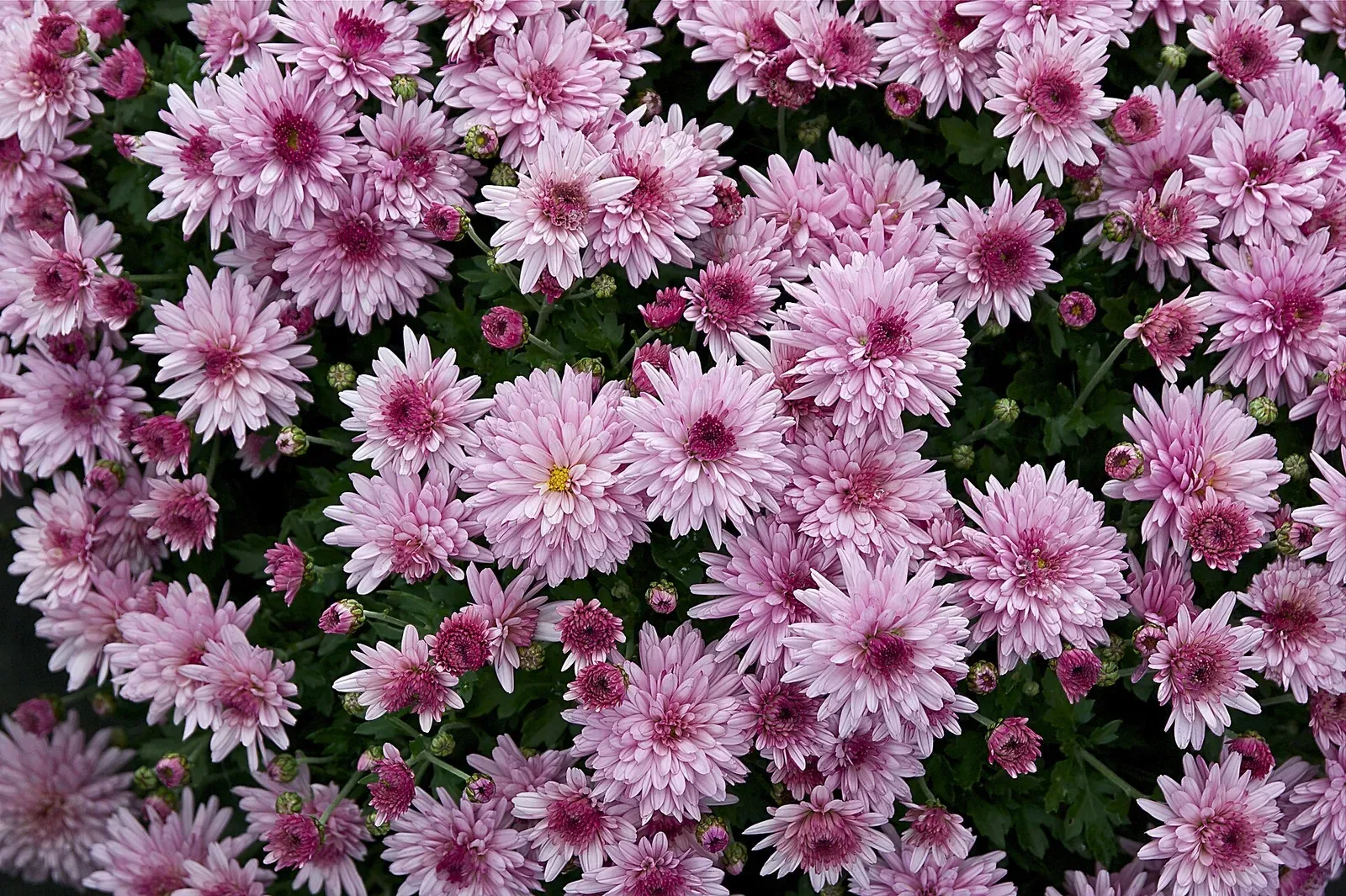
ASPCA lists chrysanthemum (mum) as toxic to dogs, cats and horses. Keep pots out of reach of pets that chew plants.
Watch: when and how to pinch chrysanthemums
A short demonstration of pinching. Remember to stop pinching by early September in the North so buds have time to form.
Related plants and guides
- Chrysanthemum plant profile
- No flowers: general causes and fixes
- Aphids
- Winter flowering plants for North Indian balconies
Sources
- ICAR-IIHR: Good Agricultural Practices for flower crops (ETB-01/2021) (short-day habit, planting time, pinching rule, time to flower, pests and diseases). Accessed 10 Nov 2026.
- Punjab Agricultural University: Package of Practices for Ornamental Crops (Punjab flowering time, temperature, cuttings, planting, pot mix, waterlogging, pinching, disbudding). Accessed 10 Nov 2026.
- TNAU Agritech: Cut chrysanthemum (photoperiod for vegetative and bud stages, blindness and other disorders). Accessed 10 Nov 2026.
- National Horticulture Board: Chrysanthemum (background cultivation notes). Accessed 10 Nov 2026.
- ASPCA: Mum (Chrysanthemum) (toxic). Accessed 10 Nov 2026.


Comments
No comments yet — share what worked in your climate.