
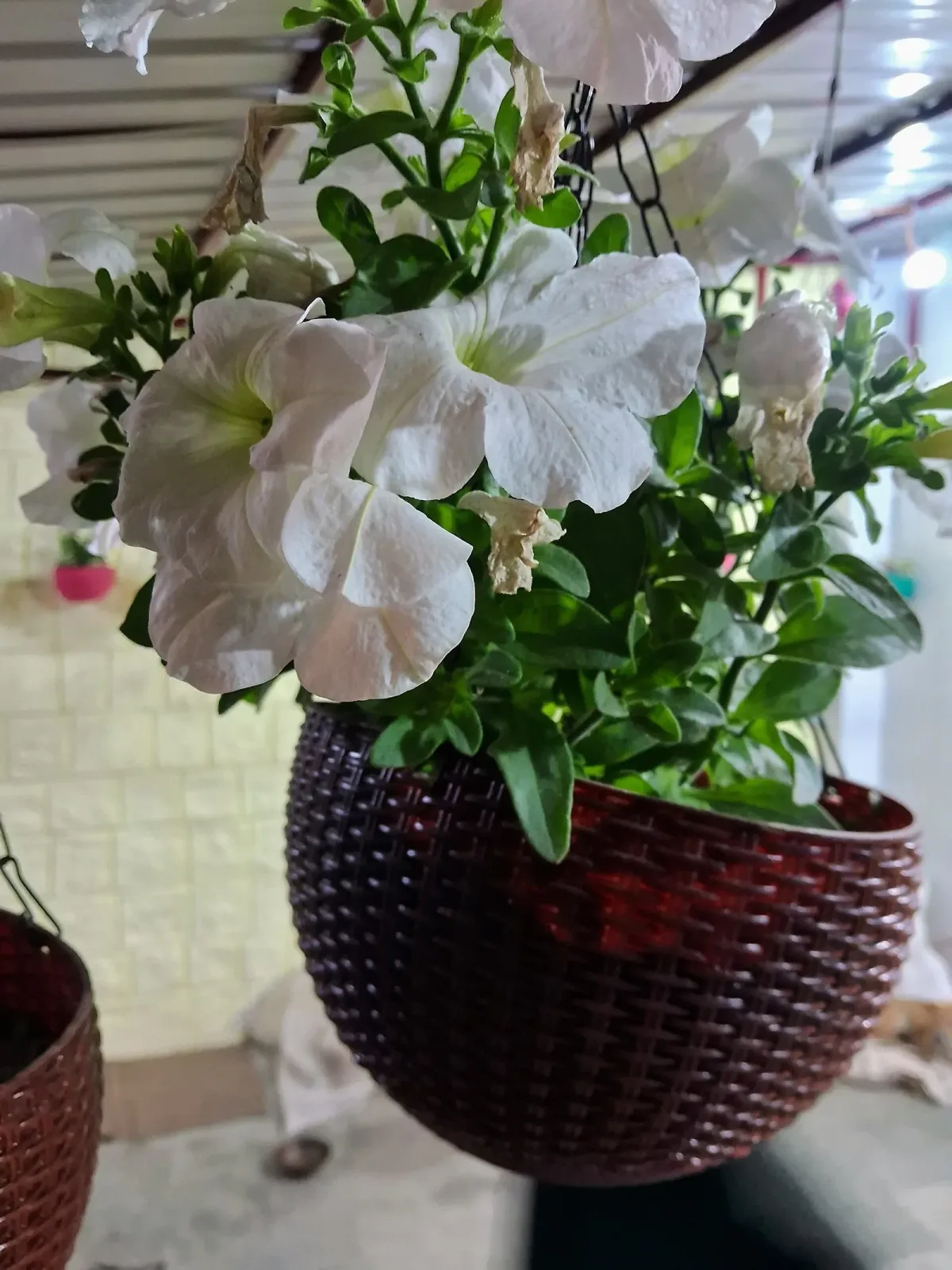
If your potted petunia has healthy leaves but few or no flowers, the cause is usually one of five things: not enough direct sun, the cold weeks of a North Indian winter, overwatering, too much nitrogen fertiliser, or old flowers left to set seed. Move it to at least six hours of sun, let the top of the soil dry before watering, switch to a balanced feed, pick off faded flowers, and cut leggy stems back by about a third. Most plants start flowering again within two to three weeks.
First, check the season
In the northern plains, petunias are winter annuals. Punjab Agricultural University (PAU) recommends planting seedlings from the end of October to the first week of November. It says the crop comes into bloom in March and keeps flowering until June. Winter annuals in general pass a slow, juvenile phase in December and January, according to PAU.
So if you live in Delhi, Punjab, Haryana or UP and it is December or January, your petunia may be perfectly healthy and just waiting for warmer, longer days. Keep it in sun, water lightly, and expect buds from February.
In the South and in coastal cities, petunias are grown through the mild winter from about November to February and usually fade when the heat returns. In the hills they are often grown in spring and summer instead. These are general patterns; local nurseries are the best guide to timing in your town.
9 reasons petunias stop flowering
1. Not enough direct sun
This is a very common reason. Clemson University's Home and Garden Information Center says petunias should be planted in full sun and become spindly with few flowers in shade. N.C. Cooperative Extension recommends at least six hours of sunlight a day. Winter sun in North India is lower and weaker, so a balcony that felt bright in September may get only two or three hours by December.
Fix: move the pot to the sunniest spot you have. Hanging baskets above the railing often get more light than pots on the floor.
2. Overwatering
Pots dry slowly in cold weather. Soil that stays wet weakens roots, and a plant with weak roots does not flower well. Signs: yellow lower leaves, soft stems, soil that smells sour, water sitting in the saucer.
Fix: water only when the top 2 to 3 cm of mix is dry. Empty saucers. Make sure the pot has drainage holes. If stems are soft and black at the base, see our root rot guide.
3. Too much nitrogen
Lots of dark green leaves and long stems but few buds often means too much nitrogen, for example from frequent urea or a high-nitrogen liquid feed. Clemson suggests a monthly balanced fertiliser. N.C. Extension notes petunias are hungry plants and can be fed with a complete water-soluble fertiliser more often.
Fix: stop any high-nitrogen feed. Use a balanced fertiliser at the label rate, or a little vermicompost every few weeks.
4. Faded flowers left on the plant
A petunia's job is to make seed. N.C. Extension explains that once a flower is pollinated and starts forming seed, the plant has less reason to keep blooming. Clemson notes that large-flowered and double petunias need deadheading, while many small-flowered types are self-cleaning.
Fix: when a flower shrivels, pinch off the flower and the small green swelling behind it, where the seed forms. Do this every few days.
5. Leggy, overgrown stems
By mid-season many petunias have long, bare stems with a few flowers only at the tips. Clemson says that if plants become leggy or stop flowering, cut the shoots back to about half their length, then feed and water to push new growth and flowers. N.C. Extension suggests a gentler trim of about 20 percent, done in stages if you do not want to lose all the colour at once.
Fix: trim the longest stems back by a third to a half, just above a leaf. Leave plenty of leaves on the plant. New flowering shoots usually appear in one to two weeks.
6. Pot too small or roots packed tight
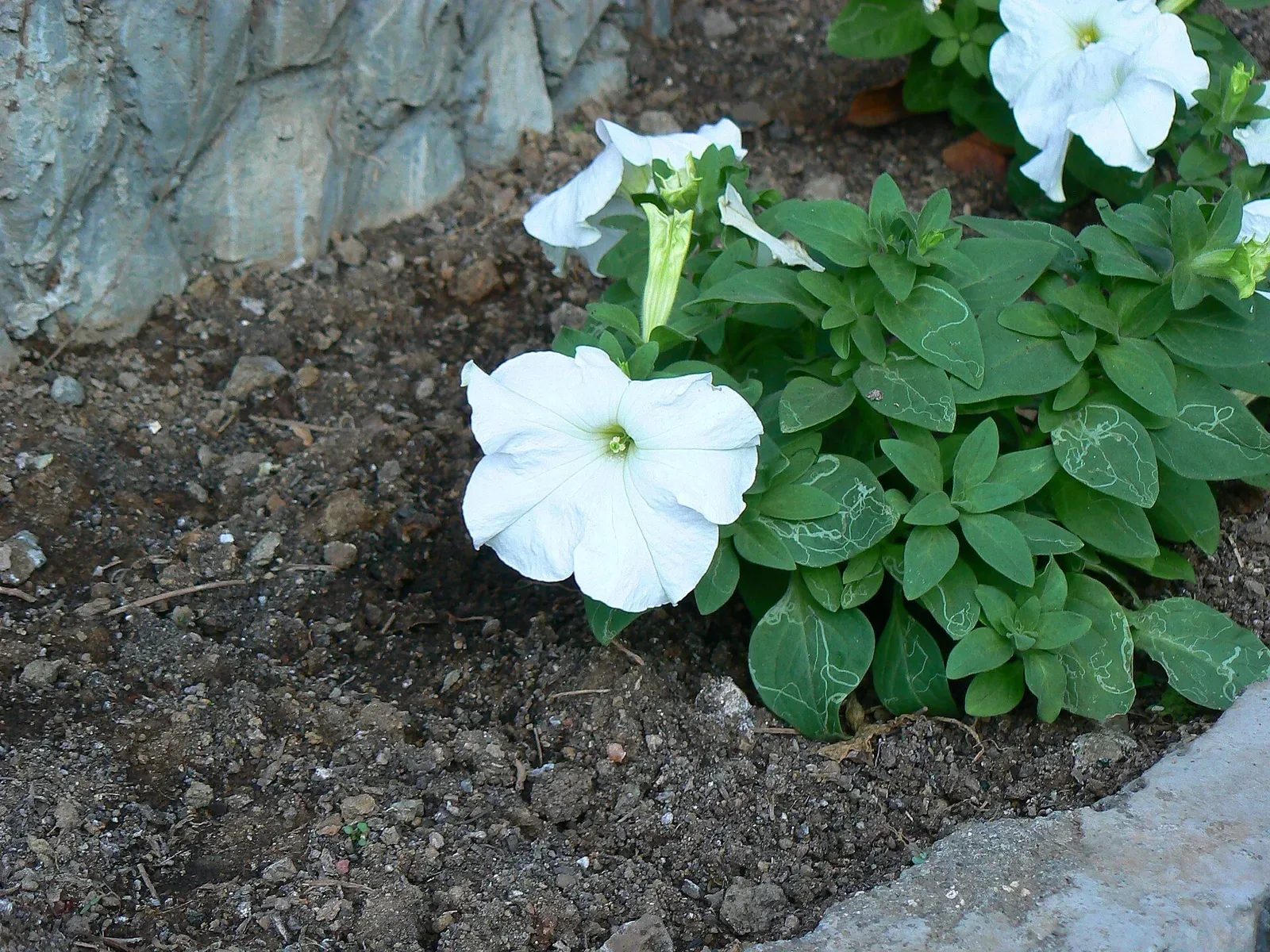
Nursery petunias are often sold in small bags or cups. Once roots fill the pot, the plant dries out fast, wilts and stops flowering.
Fix: move one plant into a pot about 20 to 25 cm wide with fresh, well-drained mix. Clemson notes petunias prefer light, well-drained soil with a pH of about 6 to 7.
7. Heat in late spring
In the plains, flowering slows when April and May heat sets in, especially for large-flowered types. Clemson notes that grandiflora petunias often do poorly in hot, humid summers. By late April, most petunias in the North are near the end of their season. Afternoon shade and steady watering can stretch it a little, but this is normal.
8. Rain and humidity
Clemson lists petal blight as a problem in rainy, very humid weather. Flowers turn soft, spotted and slimy. Remove damaged flowers, avoid wetting the plant when you water, and move the pot under cover during long rainy spells. Multiflora types are more resistant to petal blight than grandifloras, according to Clemson.
9. Pests eating the buds
Clemson lists aphids as a common pest. Small green insects clustered on buds and new shoots can stop buds from opening. Caterpillars may also bore into buds. Check buds closely for holes or droppings. Wash aphids off with water and pick off caterpillars by hand. See aphids for more.
Quick diagnosis table
| What you see | Most likely cause | What to do |
|---|---|---|
| Healthy, compact plant, no buds, December or January in the North | Normal cold-season pause | Keep in sun, water lightly, wait for February |
| Long, thin, pale stems leaning towards light | Too little sun | Move to a spot with 6 or more hours of sun |
| Lush dark leaves, few buds | Too much nitrogen | Switch to a balanced feed |
| Yellow lower leaves, wet soil, soft stems | Overwatering, poor drainage | Water less, check holes, check roots |
| Flowers only at the ends of bare stems | Leggy growth | Cut back by a third to a half |
| Many brown seed pods | No deadheading | Remove faded flowers and seed pods |
| Wilts quickly, roots coming out of holes | Pot too small | Repot into a larger pot |
| Spotty, slimy flowers in rain | Petal blight | Remove, keep under cover, water at soil level |
Pale new leaves with green veins can point to a nutrient problem, often linked to alkaline soil or hard water. It can also be caused by root damage. Check drainage and roots first, then see our nutrient deficiency page before adding anything.
A simple routine for more petunia flowers
- Sun: at least six hours of direct sun.
- Water: when the top 2 to 3 cm is dry, in the morning, at the soil.
- Feed: balanced fertiliser at label rate, or vermicompost every few weeks once buds form.
- Deadhead: every few days.
- Trim: when stems get long and bare.
- Check: underside of leaves and buds once a week for pests.
Are petunias safe for pets?
ASPCA lists petunia as non-toxic to dogs, cats and horses. Fertilisers and pesticides used on the plant may still be harmful, so store them out of reach.
Watch: tips for better petunias
A US gardener's practical tips on deadheading, trimming and feeding petunias. The care steps carry over to Indian pots; follow the Indian season timing above.
Related plants and guides
- Petunia plant profile
- No flowers: general causes and fixes
- Hanging balcony plants
- Winter flowering plants for North Indian balconies
Sources
- Clemson University HGIC: Petunia (sun, soil pH, fertilising, cutting back, deadheading, pests, petal blight, petunia types). Accessed 10 Nov 2026.
- N.C. Cooperative Extension, Richmond County: Secrets to Petunias Lasting All Season Long (6 hours sun, deadheading, feeding, pruning about 20 percent). Accessed 10 Nov 2026.
- Punjab Agricultural University: Package of Practices for Ornamental Crops (petunia planting and bloom period in Punjab, juvenile phase of winter annuals). Accessed 10 Nov 2026.
- ASPCA: Petunia (non-toxic). Accessed 10 Nov 2026.


Comments
No comments yet — share what worked in your climate.