
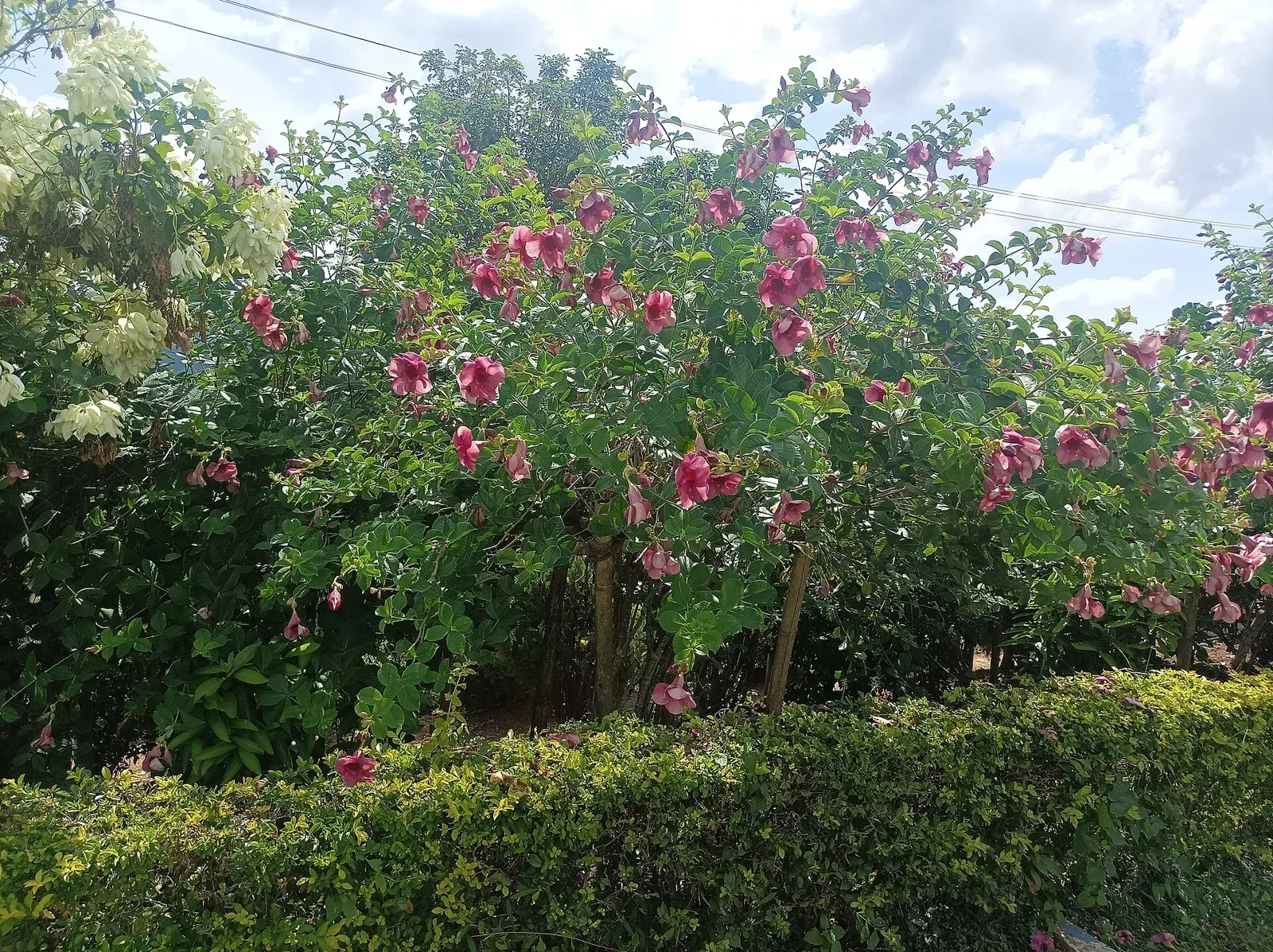
A good hedge does several jobs at once. It marks the boundary, blocks the view from the road, cuts dust and noise, and gives birds a place to sit. In Indian gardens the same few plants turn up again and again, Duranta, Kamini, Mehendi and Clerodendrum, because they take hard pruning, heat and patchy watering better than most shrubs. They are not equal, though. A hedge that looks perfect in Bengaluru can sulk through a Delhi winter, and a plant that loves Pune may rot in a Kerala monsoon.
This guide is part of our balcony and terrace gardening in India series. It covers the best plants for hedges in India, which ones suit North India, South India, the coast and the hills, how far apart to plant them, when to trim, and how to grow a low hedge in planters on a terrace.
What makes a good hedge plant
Almost any shrub can be lined up in a row. A plant earns a place in a hedge when it does these things well:
- It branches freely after a cut, so the hedge thickens instead of going bare.
- It keeps leaves from the ground to the top. A hedge that is bare at the base lets dogs, goats and eyes straight through.
- It stays evergreen, or close to it, in your climate.
- It grows at a speed you can manage. Fast growers fill gaps quickly but need trimming more often.
- It suits your site: full sun or part shade, sandy or clay soil, salty wind or frost.
Before you buy, decide on height. A low edge of 30 to 60 cm along a path, a medium hedge of about 1 to 1.5 metres, and a tall privacy screen of 2 metres or more each need different plants. Choosing a tall grower for a knee-high edge means you will be cutting it every few weeks for the rest of its life.
Quick picks by purpose
| What you want | Good choices |
|---|---|
| Low formal edge (30 to 60 cm) | Golden Duranta, Acalypha, dwarf Ixora, Clerodendrum inerme kept low |
| Medium hedge (1 to 1.5 m) | Kamini, Mehendi, green Duranta, Clerodendrum inerme, hibiscus |
| Tall privacy screen (2 m and above) | Ficus, Kamini, clumping bamboo, Thuja in the north and hills |
| Flowers and colour | Hibiscus, Ixora, Bougainvillea, Tecoma, Kamini |
| Thorny barrier against animals | Karonda, Jungle jalebi, Bougainvillea |
| Dry, low-water gardens | Mehendi, Clerodendrum inerme, Dodonaea, Bougainvillea |
| Salty coastal wind | Clerodendrum inerme, Bougainvillea, Jungle jalebi, hibiscus a little back from the sea |
The best hedge plants for Indian gardens
Tamil Nadu Agricultural University's landscaping notes list Duranta, Clerodendrum inerme, Mehendi, Murraya (Kamini), Acalypha, Dodonaea and Jungle jalebi among the common foliage hedges, with Bougainvillea, hibiscus and Tecoma among the flowering ones. Here is how each behaves in a home garden.
Duranta (golden and green)
Duranta erecta is the plant behind most of the bright lime-yellow edges you see outside housing societies and along highway medians. The golden form is used for low edges and patterns, while the green form grows taller and makes a fine medium hedge. It is fast, takes heavy trimming, and copes with heat and dry spells once settled. Golden leaves stay bright only in full sun. In shade they turn a dull green.
Two cautions. Some forms carry small thorns, so wear gloves when trimming. The orange berries that form on untrimmed plants are poisonous if eaten, so keep it clipped, or choose another plant, where small children or pets play.
Kamini (Murraya paniculata)
Kamini, also called orange jasmine, has small glossy dark green leaves and clusters of white flowers with a strong sweet scent, often after a spell of rain. It grows at a moderate pace, which means fewer trims, and it can be kept as a waist-high hedge or allowed to reach 2 to 3 metres as a screen. It is one of the few hedge plants that looks smart in sun and also does fairly well in part shade. It handles the plains of North India, though a hard frost can scorch young leaves.
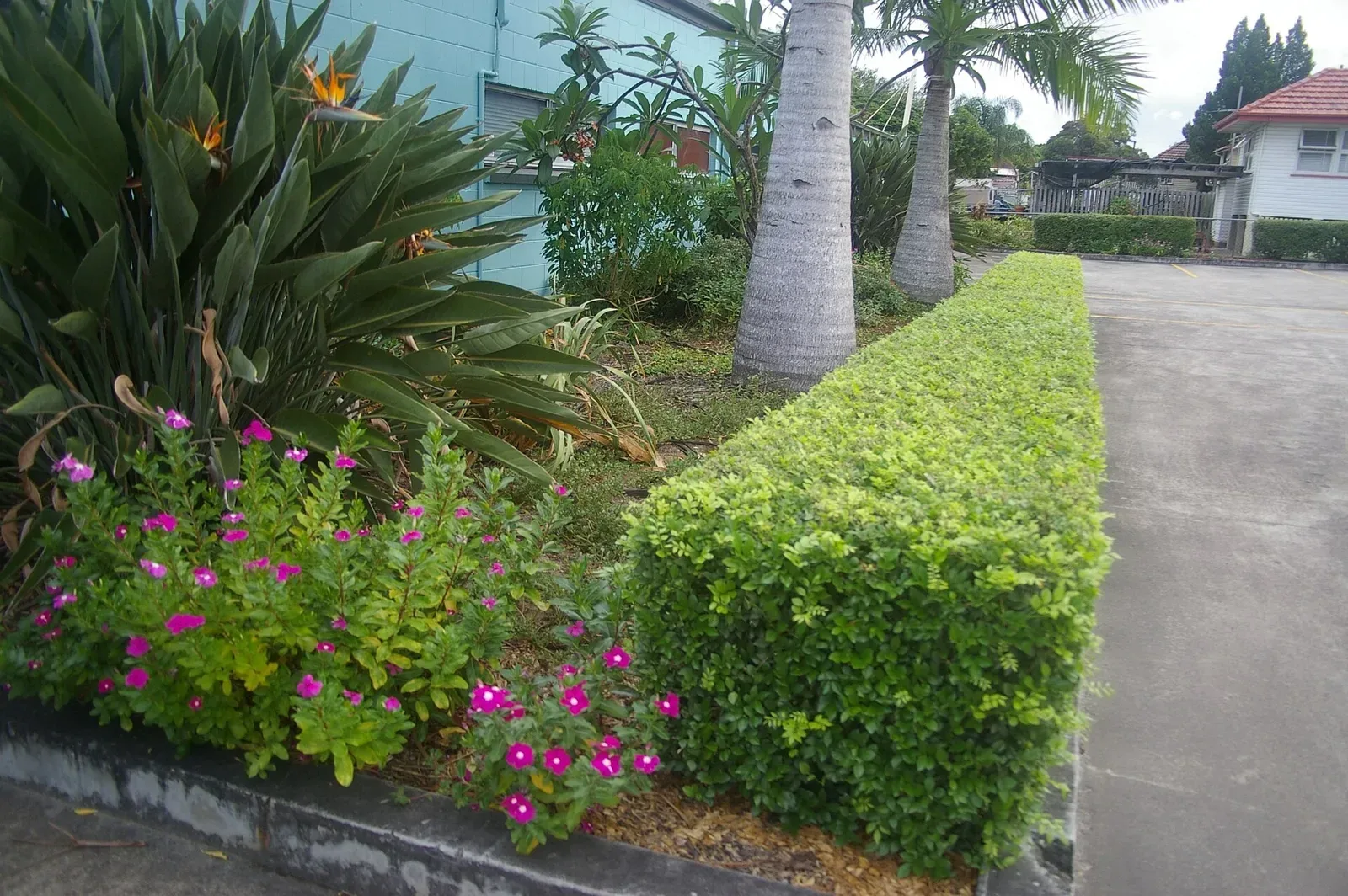
Mehendi (Lawsonia inermis)
The henna plant has long been the village hedge of choice, and for good reason. It is very tough, needs little water once established, and goats tend to leave it alone. With regular clipping it becomes dense from the ground up. It suits hot, dry parts of North and Central India, Rajasthan and the Deccan. It needs full sun and good drainage, and it grows more slowly than Duranta in its first year. Many gardeners also enjoy harvesting the leaves.
Clerodendrum inerme (Vilayati Mehendi, wild jasmine)
This shrub has glossy oval leaves and small white flowers, and it is often seen along roadsides in the south. TNAU notes that it is evergreen, drought resistant and not eaten by cattle or goats. It grows naturally near the sea, which makes it one of the best hedge choices for coastal gardens in Tamil Nadu, Andhra Pradesh, Odisha, Goa and Konkan. It grows fast and needs frequent trimming in the rainy season.
Ficus (weeping fig)
Ficus benjamina and its relatives make dense, formal, glossy green walls and can be clipped into tall screens. The catch is the roots. They spread wide and can lift paving and crack drains or boundary walls, so plant Ficus well away from foundations, septic tanks and pipelines, or skip it in small plots. It also prefers warm winters. In the north, young plants may need shelter in cold weeks.
Hibiscus (Gudhal)
For an informal flowering hedge, hibiscus is hard to beat in South India and on the coast, where it blooms for much of the year. It gives a looser look than Duranta because frequent hard trimming removes flower buds. Trim lightly after a flush of flowers, and check the undersides of leaves for mealybugs, which love hibiscus.
Bougainvillea (Baganbilas)
Bougainvillea makes a colourful, thorny barrier that loves heat and sun and puts up with neglect. It flowers best when slightly dry and not overfed. As a hedge it needs firm training and regular cutting, or it will turn into a sprawling climber. Use it along a fence or compound wall rather than next to a narrow path, where the thorns catch clothes.
Ixora and Tecoma
Dwarf Ixora (Rangan) makes a neat low flowering hedge in warm, humid areas and prefers slightly acidic soil. It struggles in cold North Indian winters and in alkaline soils, where the leaves often turn yellow. Tecoma, or yellow bells, is a fast, upright shrub with trumpet-shaped yellow flowers. It suits an informal tall hedge in sunny gardens across most of the plains.
Karonda and Jungle jalebi for thorny fences
Karonda (Carissa carandas) is a thorny native shrub with white flowers and sour fruit used in pickles. Planted closely, it makes a strong live fence around farmhouses and large plots. Jungle jalebi (Pithecellobium dulce) has thorny stems and small leaves, and TNAU describes it as an impenetrable medium to tall hedge. Both need space and firm pruning, so they suit boundary fencing rather than small city gardens.
Thuja, Cupressus and privet for the north and hills
Thuja, often sold as Morpankhi, grows into a neat column with little clipping and does well in the northern plains and the hills. It dislikes waterlogged soil, so it is a poor choice for heavy clay or the high-rainfall coast. In the hills, Cupressus and privet (Ligustrum) are traditional hedges that take cold winters well.
Clumping bamboo
For a tall, quick screen, clumping bamboos such as Bambusa multiplex form a dense green wall. Choose a clumping type, not a running one, and give it a wide bed or a large planter. It needs thinning rather than shearing.
Plants to avoid or use with care
- Lantana camara still appears in old hedge lists, but it is a well-known invasive weed in Indian forests and spreads through birds that eat its berries. Do not plant it.
- Conocarpus became popular for fast screens, but Telangana stopped planting it in 2022 and Gujarat banned new planting in 2023, citing pollen allergies and damage from its roots. Check your state's rules and choose a native hedge instead.
- Yellow oleander (Thevetia) and Kaner (Nerium) are tough and flower well, but all parts are poisonous. Avoid them where children, pets or cattle can reach.
- Ficus near walls and pipes, for the root reasons above.
Best hedge plants by region
Climate decides more than anything else. The lists below are a starting point. Your local soil, how much water you can give, and whether the hedge is in the ground or in a planter will also change what works.
North India plains
Delhi, Punjab, Haryana, Uttar Pradesh and Rajasthan swing from hot dry loo in May and June to cold nights and occasional frost in December and January. Mehendi, Duranta, Kamini, Tecoma, Bougainvillea, Karonda and Thuja handle this range well. Hibiscus and Ixora can work but often look tired in winter. Protect young hedges planted in late monsoon from the first frosts by covering them on the coldest nights.
South India
Karnataka, Tamil Nadu, Telangana, Andhra Pradesh and inland Kerala have mild winters, so frost-tender plants like Ficus, Ixora and hibiscus grow well. Duranta, Kamini, Clerodendrum inerme and Acalypha all do well. In the hot, dry interior of the Deccan, Mehendi, Dodonaea and Bougainvillea are the low-water choices.
Coastal regions
Salt wind and heavy rain are the two tests on the coast, from Gujarat and Mumbai to Goa, Kerala, Chennai and Odisha. Clerodendrum inerme, Bougainvillea and Jungle jalebi handle salt spray. Kamini and hibiscus do well a little back from the sea. Good drainage matters more than anything during the monsoon, so plant on a slight mound if water stands in your garden.
Hills
In Himachal, Uttarakhand, Darjeeling, the Nilgiris and the Northeast hills, cold and frost rule out many plains favourites. Cupressus, Thuja and privet are the traditional choices. Duranta can grow in the lower and mid hills but may be cut back by frost in higher areas. Plant after the risk of frost has passed.
Growing a hedge in planters on a terrace
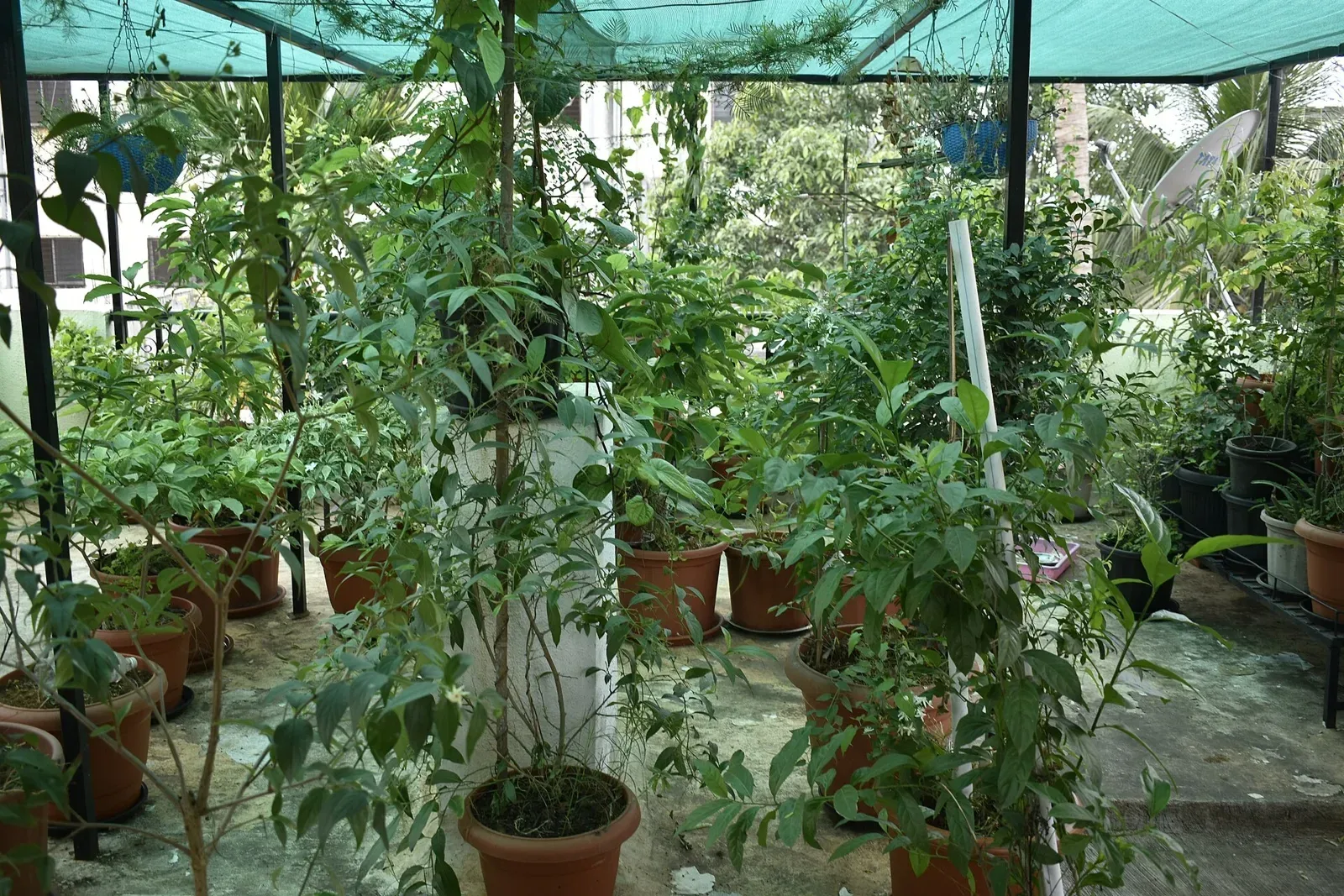
A low hedge in long planters is a good way to screen a terrace from neighbours or to break the wind. Golden Duranta, Kamini, Clerodendrum inerme and dwarf Ixora are the easiest for this. Use long, deep planters or large grow bags rather than small pots, because a hedge needs a continuous root run to stay dense. Our guide to grow bags vs pots explains the trade-offs.
Plan the weight and drainage before you buy. Long planters full of wet soil are heavy, which is why our step-by-step terrace garden setup guide starts with checking the slab, waterproofing and drainage. Planters, soil and plants for a hedge also add up quickly, and our terrace garden setup cost guide helps you work out a budget. Planter hedges dry out faster than hedges in the ground, so a simple drip line saves a lot of hand watering in summer.
How to plant a hedge
When to plant
Across most of India, the start of the monsoon, around June to July, is the best time, because the rains do much of the early watering. In Tamil Nadu and coastal Andhra Pradesh, which get most of their rain from the northeast monsoon, October and November also work well. In the hills, plant in spring after the last frost or during the monsoon. Avoid planting in the peak heat of May unless you can water every day.
Step by step
- Mark a straight line with a string tied between two pegs.
- Dig a continuous trench about 45 to 60 cm wide and deep, rather than separate pits, so the roots grow together.
- Mix well-rotted compost or cow dung manure into the dug soil. In heavy clay, add coarse sand or fine gravel and plant slightly raised.
- Set plants at the spacing below. For a thicker hedge, plant two rows in a zig-zag pattern.
- Plant at the same depth they sat in the nursery bag, firm the soil and water well.
- Cut each plant back by about a third after planting. It feels wrong, but it makes them branch low down.
- Mulch the trench with dry leaves or straw to keep weeds down and the soil moist.
Spacing guide
| Hedge type | Examples | Spacing between plants |
|---|---|---|
| Low edge | Golden Duranta, Acalypha, dwarf Ixora | About 30 cm |
| Medium formal hedge | Kamini, Mehendi, green Duranta, Clerodendrum inerme | About 30 to 45 cm |
| Tall or flowering hedge | Ficus, hibiscus, Tecoma, Bougainvillea | About 60 to 90 cm |
These are common starting points, not fixed rules. Closer planting gives a thick hedge sooner but costs more and means more competition for water.
Watering and feeding a new hedge
For the first year, water deeply whenever the top few centimetres of soil are dry. In the plains that may be twice a week in summer and much less in winter. During the monsoon, water only in dry spells and make sure water drains away. Once established, Mehendi, Clerodendrum and Bougainvillea need little extra water, while Kamini, hibiscus and Ixora prefer regular moisture.
Hedges do not need much feeding. Spread a layer of compost or vermicompost along the row at the start of the monsoon and again in early spring. Too much nitrogen gives soft, fast growth that needs more trimming and attracts sap-sucking pests. If you use a packaged fertiliser, follow the label.
How and when to trim
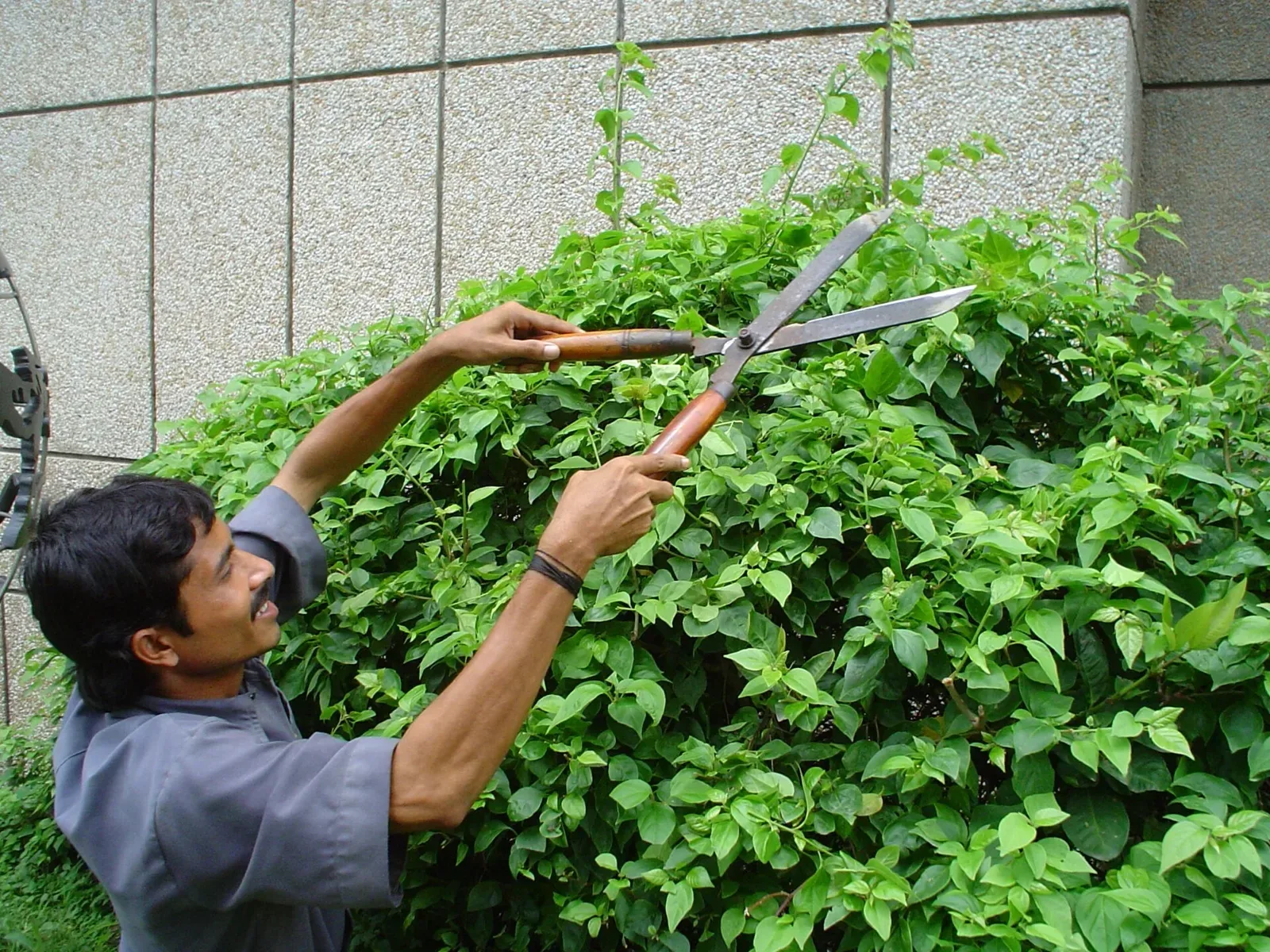
Regular light trimming makes a dense hedge. Waiting until it is overgrown and then cutting hard leaves bare patches.
- In the first year, pinch or trim the tips every few weeks during the growing season to build branches low down. Do not let the plants race upwards.
- Shape the hedge so it is a little wider at the base than the top. A slight slope lets light reach the lower leaves, so the hedge stays green to the ground.
- In the plains, the main trims fall in the monsoon, when growth is fastest, and after winter. Avoid heavy cuts in peak summer heat and in the coldest weeks.
- In the hills, avoid trimming late in autumn. Fresh shoots that appear before winter are easily damaged by frost.
- Trim flowering hedges like hibiscus, Ixora and Kamini lightly after a flush of flowers, not just before.
- Use sharp hand shears for small hedges and clean the blades with soap and water after cutting plants with signs of disease.
Common hedge problems
Bare at the bottom
This usually comes from a hedge that is wider at the top, shade from a wall, or plants that were never cut back when young. Reshape the sides so the base is wider and cut back a few tall stems hard in the growing season to push new shoots lower down.
Gaps
A dead plant leaves a hole. Replace it with a plant of the same type, and dig in fresh compost first. Check why it died before replanting. A low spot where water stands, termites or root rot are the usual reasons.
Yellow leaves
Yellowing can come from waterlogging, too little water, cold, alkaline soil or nutrient shortage, so look at the pattern before acting. Our guide to yellow leaves walks through the checks.
Pests
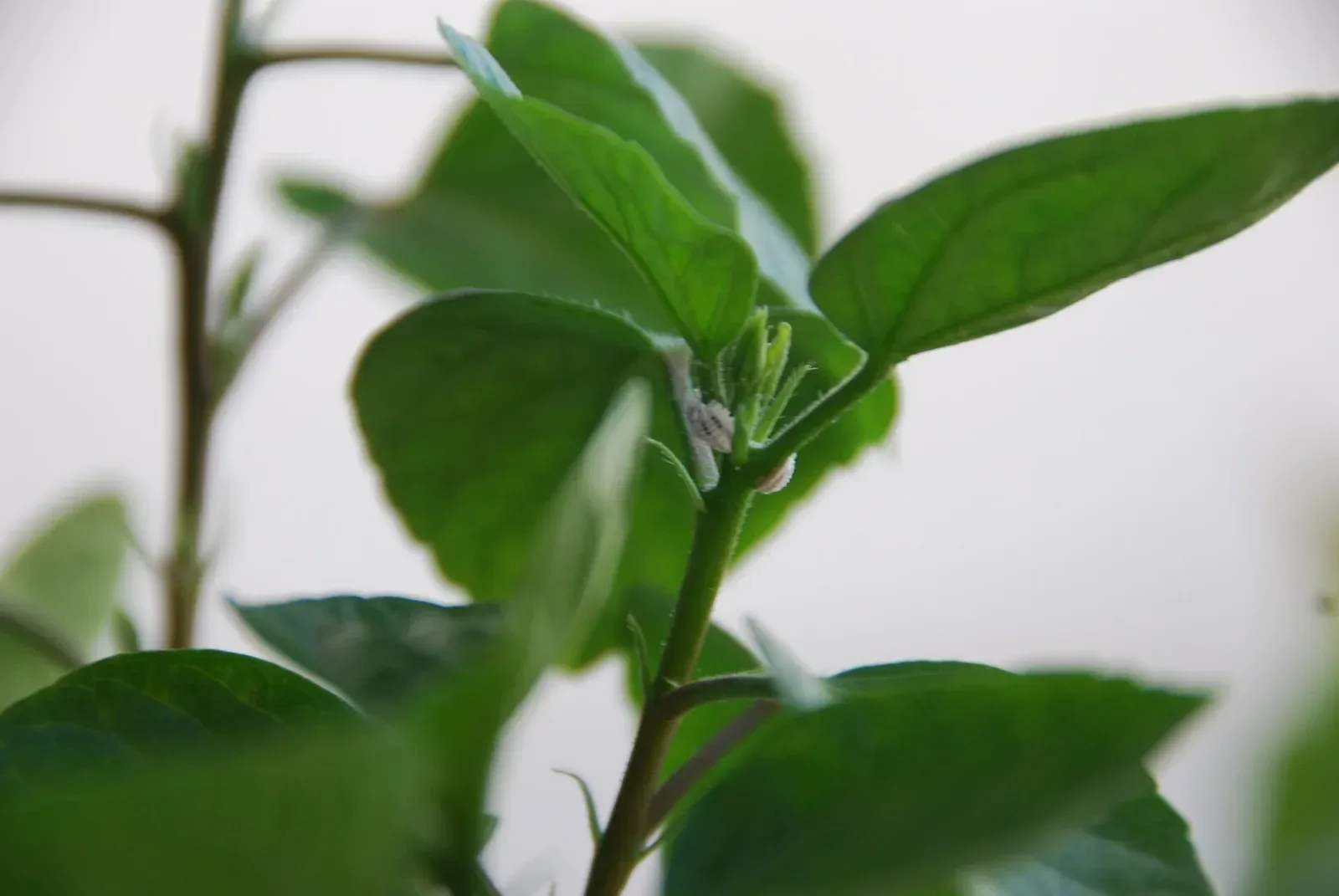
Mealybugs, scale and whitefly are the common pests on hibiscus, Ixora and Duranta. Look for white cottony clusters, sticky leaves or black sooty mould. Prune out badly affected shoots and wash small infestations off with a strong spray of water. See our pages on mealybugs and scale insects for more steps. If a whole stretch of hedge declines and you are not sure why, take a sample to your nearest Krishi Vigyan Kendra or a horticulture department office for advice before spraying anything.
Watch: popular hedge plants used in Indian landscaping
This short video from an Indian landscaping channel shows several of the hedge plants covered above, including Duranta, Clerodendrum inerme, Ficus and Jungle jalebi, as they look when grown in gardens. It also includes Conocarpus, which we suggest you avoid for the reasons given earlier.
Comments
No comments yet — share what worked in your climate.