
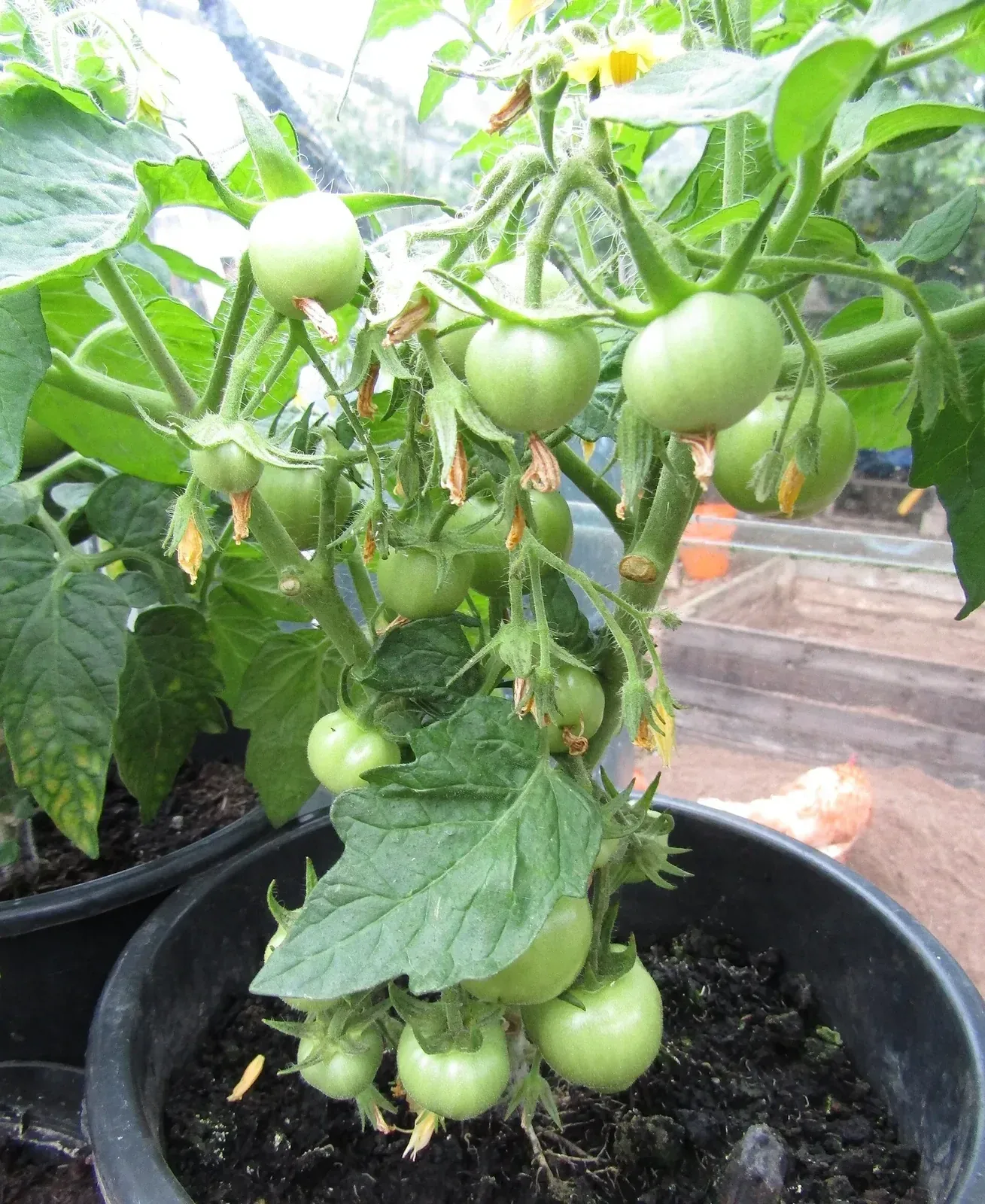
The best tomatoes for Saskatchewan are varieties that ripen in about 70 days or less from transplanting. The University of Saskatchewan (USask) recommends cultivars in that range, and its article on extending the growing season notes that tomatoes needing more than about 75 to 80 days are hard to mature here. Pair an early variety with warm soil, a sunny, sheltered spot and good transplants, and most Saskatchewan gardens can ripen a solid crop before fall frost.
Why season length matters here
Environment and Climate Change Canada's 1981 to 2010 climate normals give the Saskatoon airport an average of 117 frost-free days, Regina 115 and Prince Albert 108. That is the average, between an average last frost in late May and a first fall frost in mid-September. Some years are shorter. Tomatoes also stall in cool weather, so the useful growing season is shorter than the frost-free period.
Days to maturity on a seed packet are usually counted from transplanting, not from sowing, and they are measured in warmer places than Saskatchewan. Treat the number as a ranking, not a promise. A 60-day tomato will reliably beat an 80-day one; it may not ripen in exactly 60 days.
Determinate or indeterminate?
- Determinate (bush) tomatoes grow to a set size, set most of their fruit over a short period and ripen it together. USask notes that determinate types suit a short season. They also suit containers and need less staking.
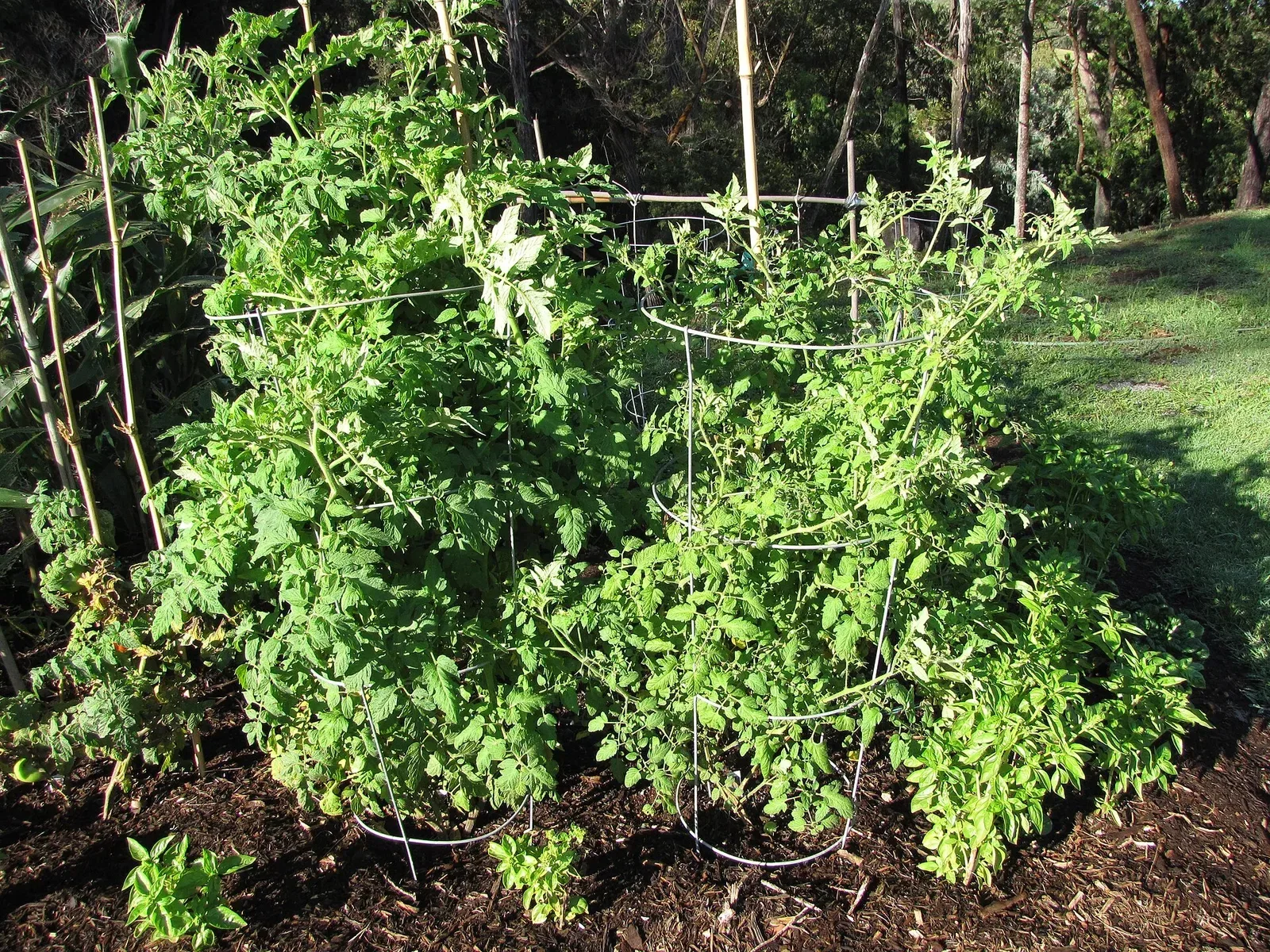
- Indeterminate (vining) tomatoes keep growing and fruiting until frost. They can do well here if you pick early varieties. USask suggests choosing indeterminate types that ripen in about 65 days or less, and some gardeners pinch out the growing tip in August so the plant puts its energy into ripening fruit already set.
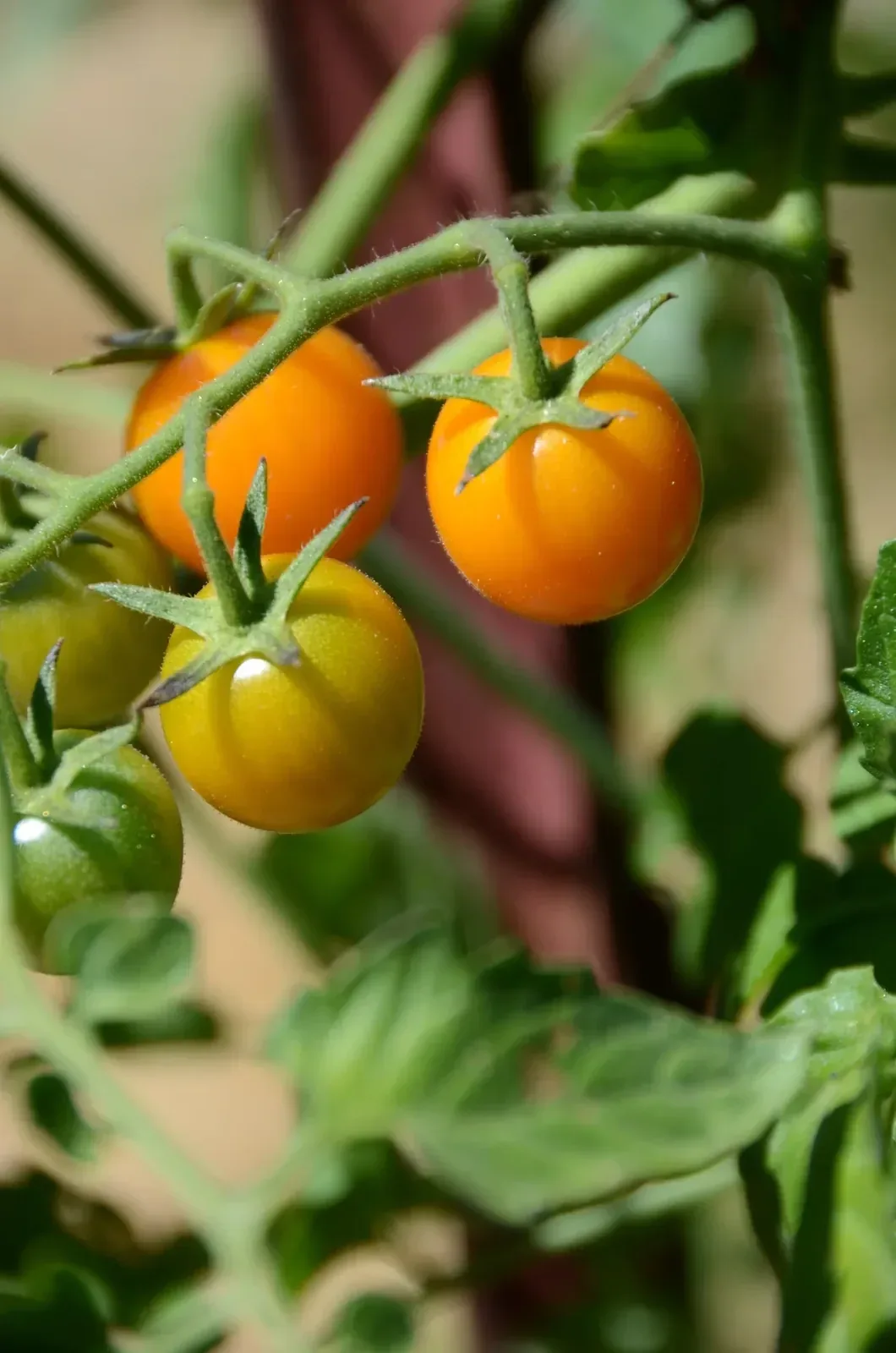
- Cherry and small-fruited tomatoes ripen faster than big beefsteaks, and are the most reliable choice for a beginner on the Prairies.
Varieties to look for
These are cultivars that USask has trialled or listed. Seed availability changes each year, so check Canadian seed catalogues for days to maturity and type.
| Group (USask) | Examples |
|---|---|
| Early | Bella Rosa, Duchess, Early Girl, Manitoba, Oregon Spring, Pik Red, Scotia, Starfire, Tribute |
| Mid-season | BHN 961, Booty, Celebrity, Matina, Sunbeam, Sunchief, Sunstart, Swift, Taxi |
| Heirloom | Black Prince, Early Annie, Sasha Altai, Siberian Red, Silvery Fir |
Some of these, including Manitoba and Scotia, were bred for cool Canadian conditions. Cherry types such as Sungold or Sweet Million are popular with Prairie gardeners too; check their days to maturity in your catalogue.
When comparing varieties, look for:
- Days to maturity of about 70 or fewer.
- Determinate or compact habit if you garden in containers or a windy yard.
- Descriptions such as "sets fruit in cool weather" or "early".
- Disease resistance codes if you have had problems before.
Giving short-season tomatoes a head start
Good transplants
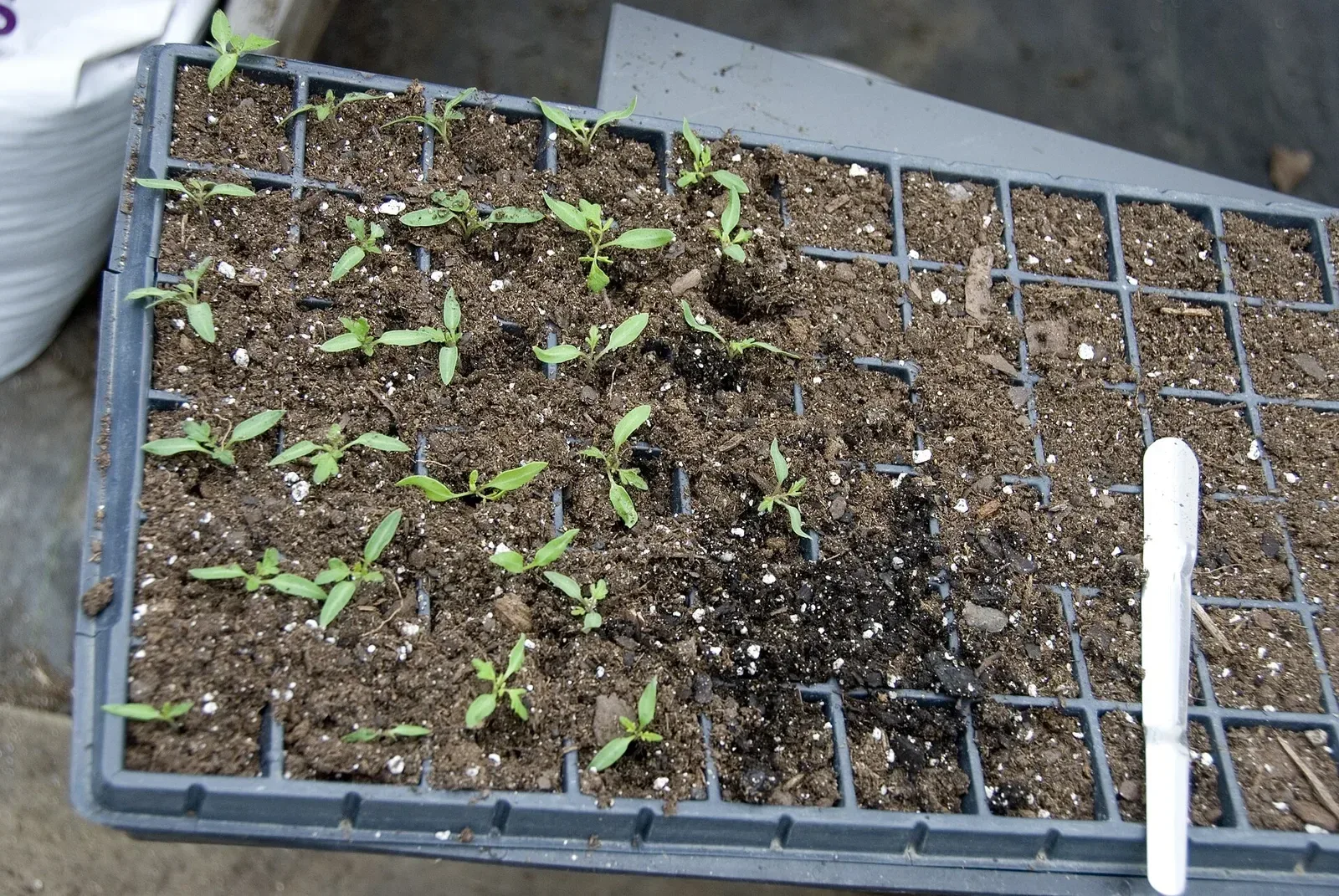
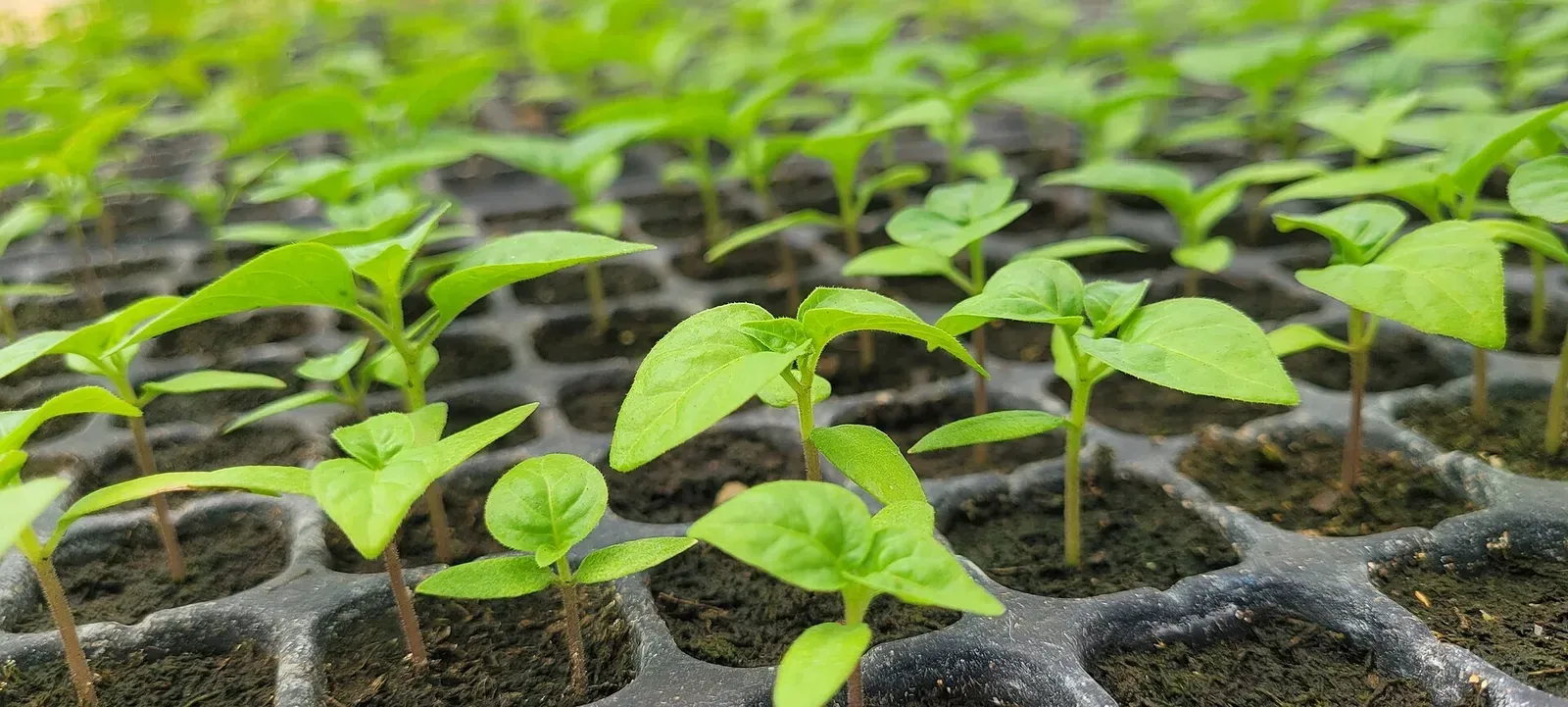
Start seeds about six weeks before planting out, as USask recommends, and grow them in bright light so they are short and sturdy. See when to start tomato seeds indoors in Saskatchewan.
Warm soil and a warm spot
- Plant against a south- or west-facing wall or fence, out of the wind.
- Warm the soil for a week before planting by covering it with clear or black plastic.
- Wait until the soil has warmed. USask's article on transplants notes that the first week of June is often more prudent than the May long weekend for tender crops.
- Use water-filled cloches such as Wall O' Water, which USask mentions for earlier planting.
Containers
Pots warm up faster than the ground and can be moved to the sunniest spot. USask's container gardening article suggests at least about 8 litres for large vegetables such as tomatoes; bigger pots dry out less often. Bush and dwarf types are the best fit.
Late-summer tricks
- From mid-August, pinch off new flowers and the growing tips of indeterminate plants. New fruit set then will not ripen before frost.
- Keep watering steady. Uneven watering causes cracking and blossom end rot.
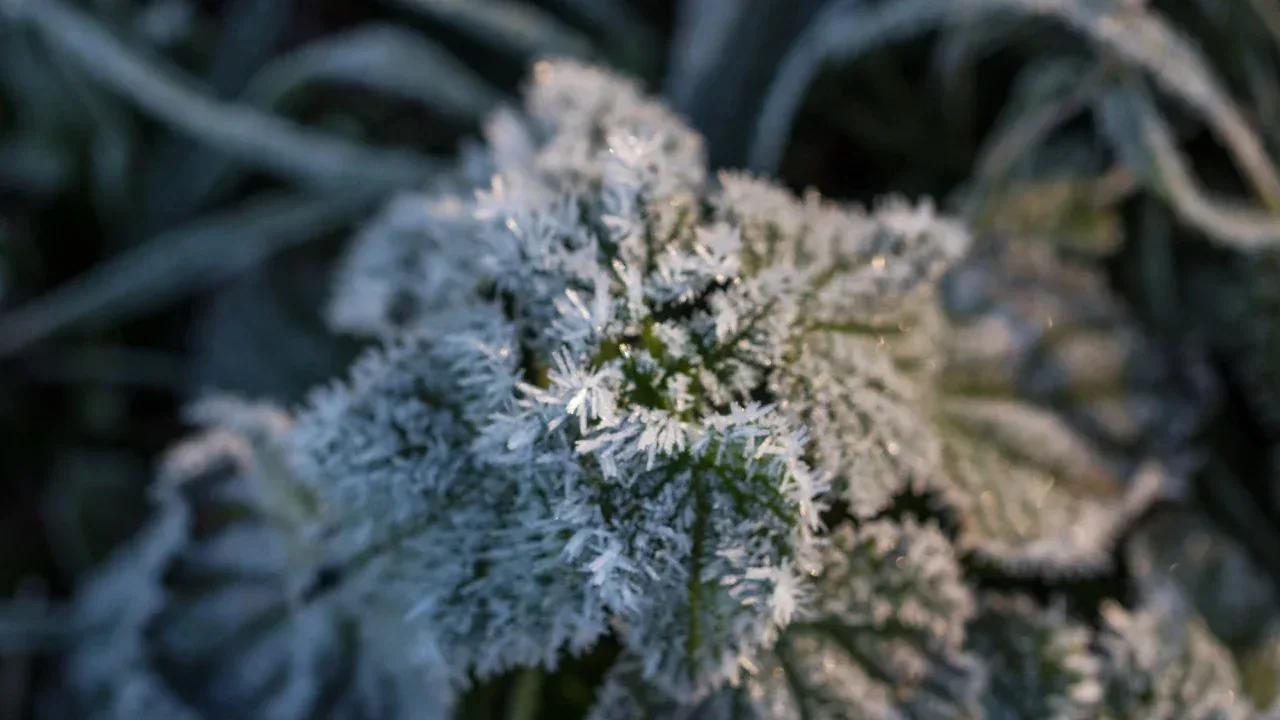
- Watch the forecast in late August and September. Cover plants with row cover or old sheets on frosty nights.
Ripening green tomatoes before frost
When a hard frost is forecast, pick all fruit that has reached full size and is starting to lose its deep green colour. Store it at room temperature, out of direct sun, and check it every few days. Very small, hard green fruit will not ripen well. Some gardeners pull whole plants and hang them in a garage to finish ripening.
Common reasons tomatoes do not ripen in Saskatchewan
- A long-season variety (80 days or more), such as many large beefsteaks and some heirlooms.
- Planting too late, or into cold soil, so plants stall for weeks in June.
- A shaded or windy spot.
- Too much nitrogen, which gives lots of leaves and few fruit.
- An early fall frost, which you cannot control but can soften with covers.
Pets and tomato plants
The ASPCA lists the tomato plant as toxic to dogs, cats and horses because of solanine in the green parts. Keep pets from chewing plants, and call a veterinarian if they do.
More: our tomato plant profile, the planting calendar and our guide to frost dates for tomatoes and peppers.
Watch: a video walk-through
Five Canadian Acres, a Canadian channel, shows how they grow tomatoes in a Zone 3 climate, which is close to conditions across much of Saskatchewan.
Sources
Sources last checked 10 November 2026. Advice varies with your home, region and plant; use these as a starting point.
- Gardening at USask: Tomatoes
- Gardening at USask: Extending the growing season
- Gardening at USask: Growing your own transplants
- Gardening at USask: Vegetable container gardening
- ECCC Climate Normals 1981-2010: Saskatoon Diefenbaker Int'l A
- ECCC Climate Normals 1981-2010: Regina station 4016560
- ECCC Climate Normals 1981-2010: Prince Albert station 4056240
- ASPCA Animal Poison Control: Tomato plant
Comments
No comments yet — share what worked in your climate.