
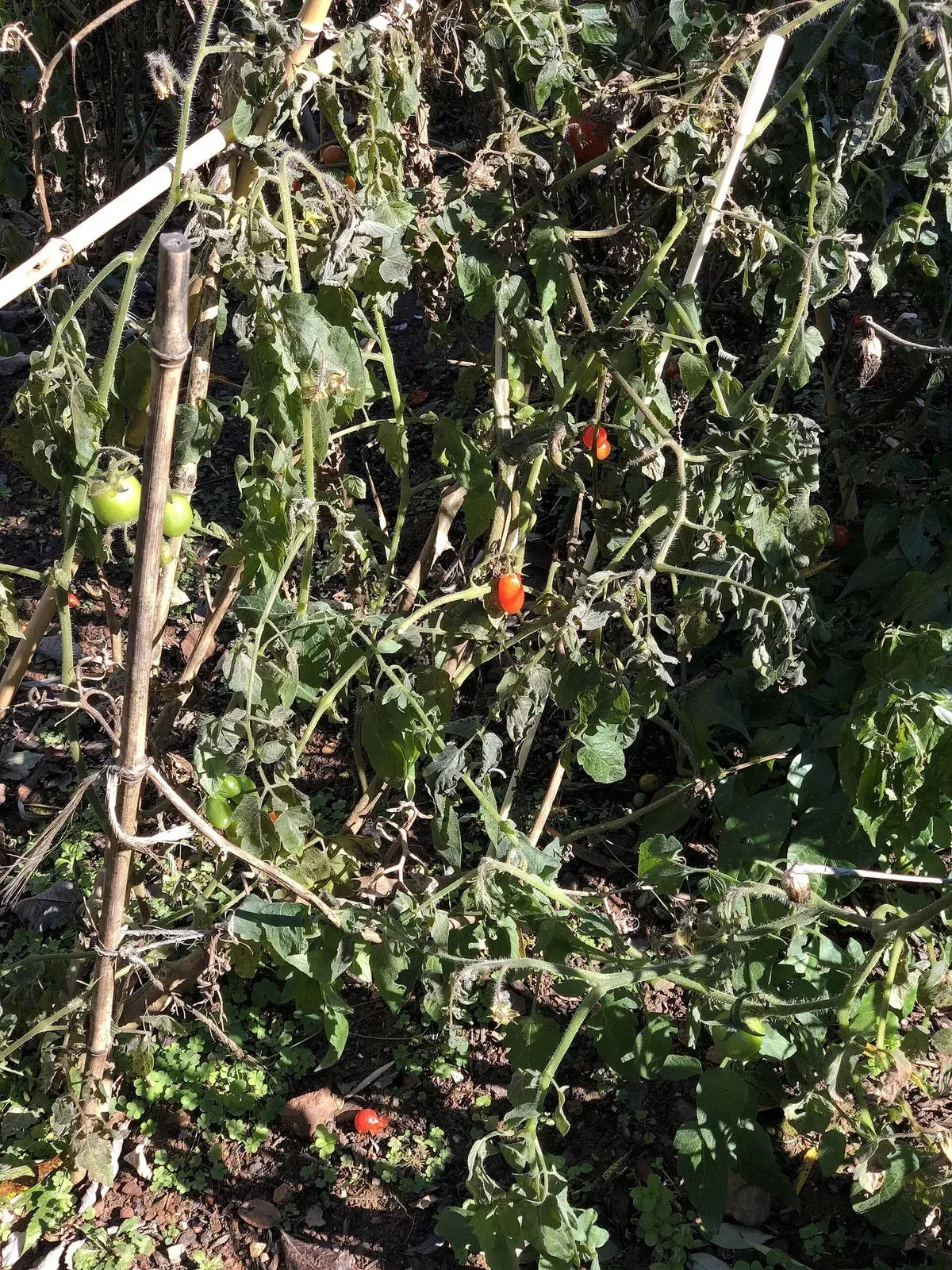
In Canada, the safest time for planting tomatoes and peppers outside is about one to two weeks after your area's average last spring frost, when nights stay above about 10 °C and the soil has warmed. Average last frost dates range from mid-March in Vancouver to late May and early June across much of the Prairies. Remember that an average is not a safe date: it is roughly the point where a later frost is about as likely as not. For frost-tender crops, plant a little later, or plant with protection.
What a last frost date actually means
A last spring frost date is usually the average date of the last spring night when the temperature fell to 0 °C or below, worked out from decades of weather records at one station. Environment and Climate Change Canada (ECCC) publishes these as part of its Canadian Climate Normals, along with the chance of frost after various dates.
For example, ECCC's 1981 to 2010 normals for the Saskatoon airport give:
| Chance of a frost on or after this date | Saskatoon (1981 to 2010) |
|---|---|
| 90% | May 7 |
| 75% | May 13 |
| 50% | May 22 |
| 25% | May 31 |
| 10% | June 7 |
So in Saskatoon, the average last frost is May 21, but in about one year in ten there is still a frost on or after June 7. That is why many Prairie gardeners wait until early June for tomatoes and peppers.
Average last and first frost dates for Canadian cities
From ECCC's Canadian Climate Normals, 1981 to 2010, at the listed stations. Neighbourhoods, rural areas and low spots can differ by a week or more.
| City (province) | Average last spring frost | Average first fall frost | Average frost-free days |
|---|---|---|---|
| Vancouver (BC) | March 18 | November 10 | 237 |
| Calgary (AB) | May 21 | September 16 | 117 |
| Edmonton (AB) | May 24 | September 12 | 110 |
| Saskatoon (SK) | May 21 | September 15 | 117 |
| Regina (SK) | May 20 | September 12 | 115 |
| Prince Albert (SK) | May 27 | September 12 | 108 |
| Winnipeg (MB) | May 23 | September 22 | 121 |
| Toronto (ON) | April 30 | October 16 | 168 |
| Montreal (QC) | April 29 | October 12 | 165 |
| Halifax (NS) | May 7 | October 18 | 163 |
Province is not a good guide on its own. Within Saskatchewan, the 1981 to 2010 averages above differ by about a week between Regina and Prince Albert, and northern and higher areas are later again. In Alberta, Calgary and Edmonton differ too. Coastal British Columbia is months ahead of the interior. Use the station closest to you, and in similar terrain.
Why sources give different dates
You will see different dates for the same city, and that is normal. For Saskatoon, the University of Saskatchewan's tomato page uses a frost-free date of May 13, some of its older fact sheets use May 24 as the traditional planting guide, and ECCC's 1981 to 2010 average at the airport is May 21. Differences come from:
- The years used. Climate normals are updated every decade, and recent decades are often a little earlier in spring.
- The station. Airports, city centres and farms are not the same.
- The threshold. Some sources use 0 °C, others use −2 °C (a killing frost for many crops).
- Average versus probability. A "safe" date set at a 10% chance of frost is later than the 50% average.
Agriculture and Agri-Food Canada also publishes interactive maps of 1991 to 2020 normals for last spring and first fall frost at 0 °C, −2 °C and −4 °C thresholds, which are handy for rural locations without a nearby station.
When to plant tomatoes and peppers
Tomatoes and peppers are warm-season crops. Frost kills them, and cold nights well above freezing slow them down. As a rule:
- Tomatoes: about one to two weeks after the average last frost, as the University of Saskatchewan recommends, once the soil has warmed.
- Peppers: a little later than tomatoes if you can, because they dislike cold soil even more.
- On the Prairies: USask's article on growing transplants notes that frost danger usually passes between mid-May and mid-June, and that while the Victoria Day weekend is traditional, the first week of June is more prudent for tender crops.
- Always check the forecast. Even after your planting date, be ready to cover plants on a cold night.
Signs the garden is ready
- The forecast shows nights staying above about 10 °C for the coming week.
- The soil feels warm to your hand at a few centimetres deep; a soil thermometer helps.
- Seedlings have been hardened off for at least a week.
- Your local frost-probability date (for example, the 25% or 10% date) has passed, or you have protection ready.
Protecting early plantings
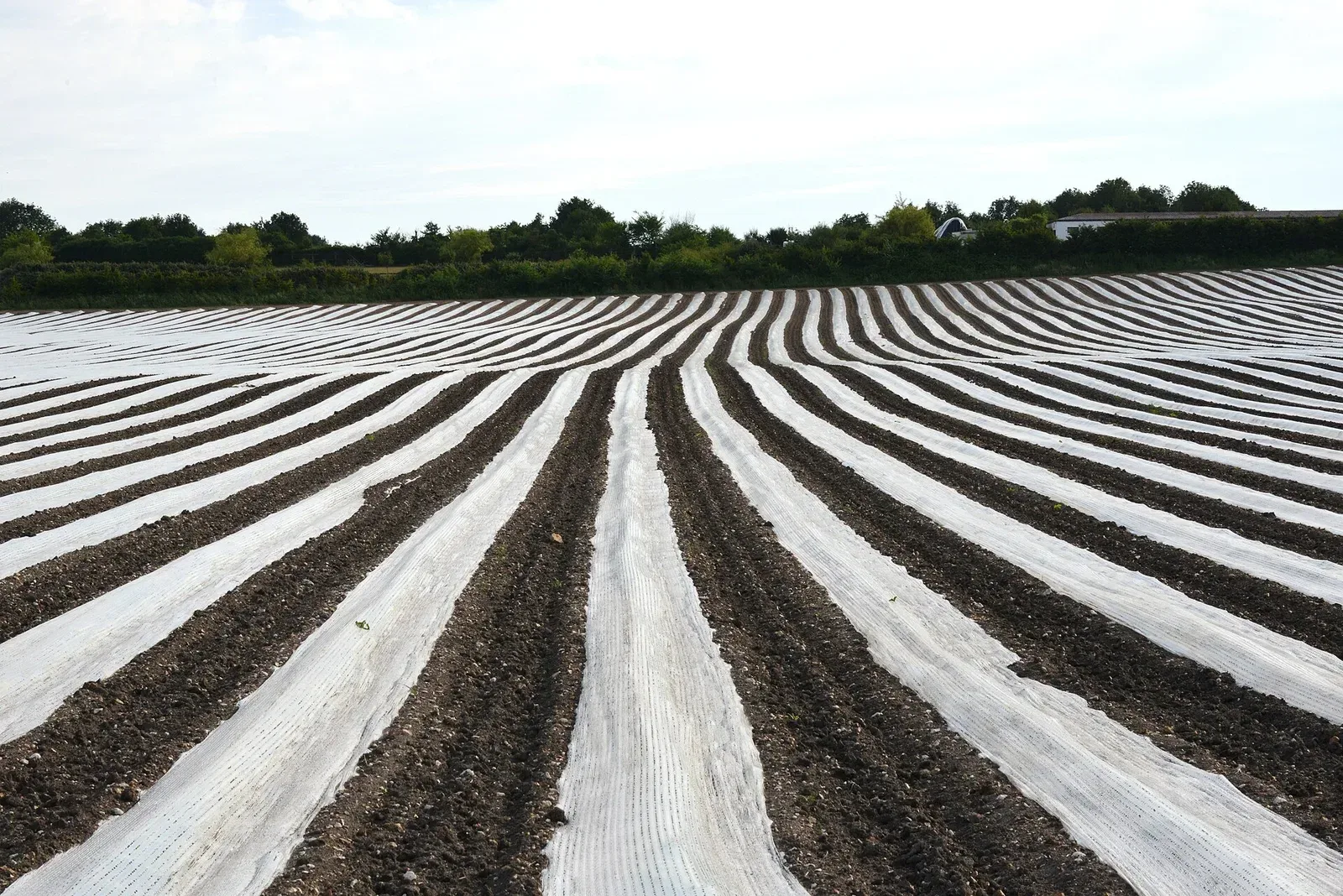
- Floating row cover or frost cloth over hoops traps heat on cold nights.
- Water-filled cloches such as Wall O' Water store daytime heat; USask notes they protect peppers to about −11 °C.
- Old sheets or buckets work in a pinch overnight. Remove them in the morning.
- Plant near a south-facing wall, which stores heat.
- Avoid low spots, where cold air settles on still, clear nights.
What frost damage looks like
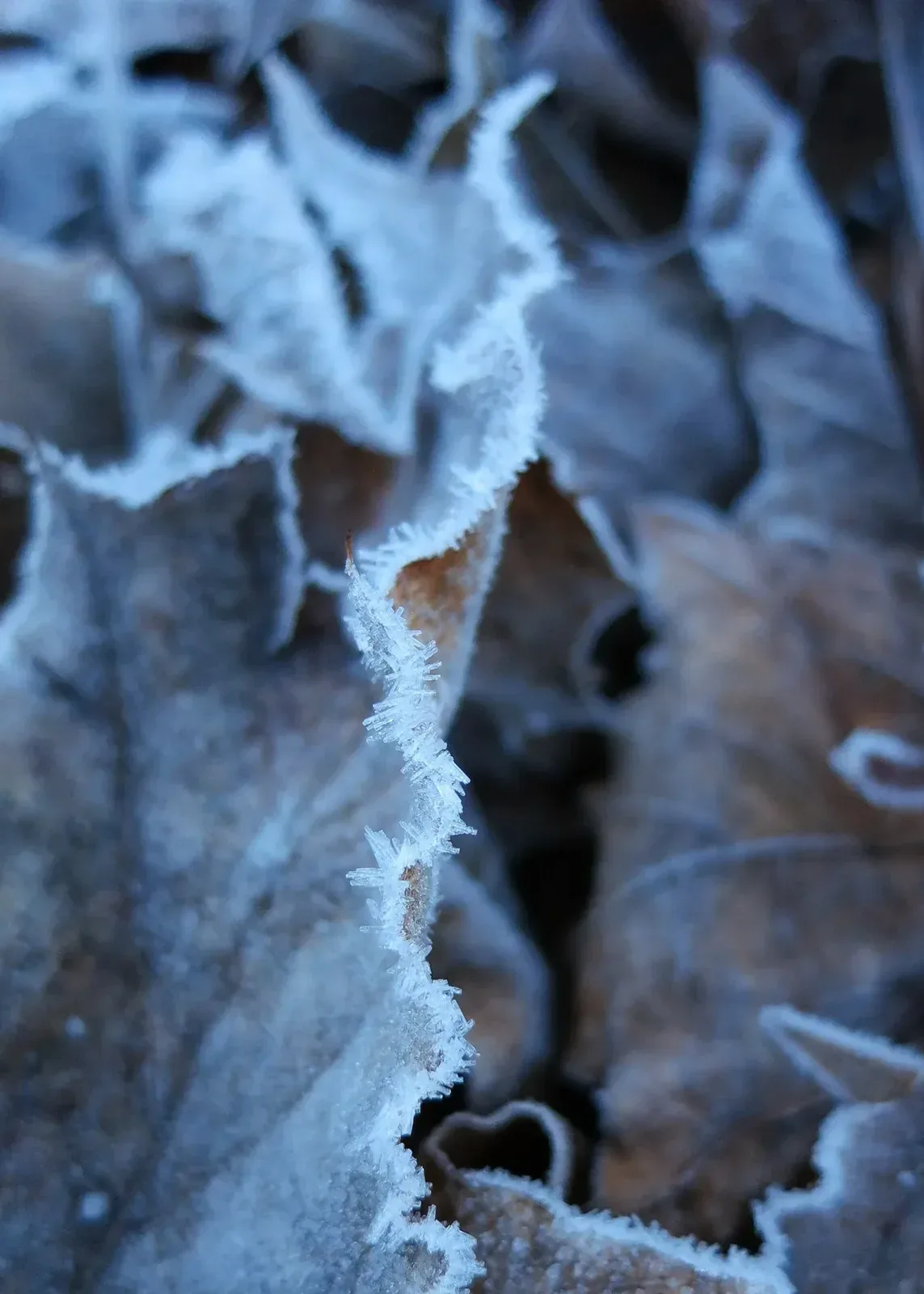
Frosted tomato and pepper leaves turn dark and water-soaked, then go limp and black or brown within a day. Lightly frosted plants may survive with damaged top leaves; badly frosted ones collapse. If damage is light, wait a few days and trim off dead tissue once you can see where new growth starts. If the plant has collapsed to the stem, replace it.
Related: when to start tomato seeds indoors, when to start pepper seeds indoors, short-season tomatoes, the planting calendar and the tomato profile.
Watch: a video walk-through
Next Level Gardening shows two ways to harden off seedlings before planting out, which is the step between your frost date and a healthy transplant.
Sources
Sources last checked 10 November 2026. Advice varies with your home, region and plant; use these as a starting point.
- Environment and Climate Change Canada: Canadian Climate Normals
- ECCC Climate Normals 1981-2010: Saskatoon Diefenbaker Int'l A
- ECCC Climate Normals 1981-2010: Regina station 4016560
- ECCC Climate Normals 1981-2010: Prince Albert station 4056240
- ECCC Climate Normals 1981-2010: Calgary station 3031093
- ECCC Climate Normals 1981-2010: Edmonton station 3012205
- ECCC Climate Normals 1981-2010: Winnipeg station 5023222
- ECCC Climate Normals 1981-2010: Toronto station 6158733
- ECCC Climate Normals 1981-2010: Vancouver station 1108447
- ECCC Climate Normals 1981-2010: Montreal station 7025250
- ECCC Climate Normals 1981-2010: Halifax station 8202250
- Agriculture and Agri-Food Canada: Climate normals interactive maps (last spring / first fall frost)
- Gardening at USask: Tomatoes
- Gardening at USask: Growing your own transplants
- Gardening at USask: Peppers
Comments
No comments yet — share what worked in your climate.