

When to Plant in Canada: Frost Dates and a Planting Calendar by Province
Plant too early and one cold night can wipe out your tomatoes. Plant too late and your squash may not ripen before fall frost. In Canada, the difference between those two mistakes can be just a few weeks, which is why every good planting calendar starts with frost dates.
This guide gives the average last spring frost, first fall frost and frost-free season for main cities in all 10 provinces and the three territories, using Environment and Climate Change Canada's newest 1991–2020 Canadian Climate Normals. It then shows how to turn those dates into a planting calendar for your own garden.
How to read frost dates
Environment and Climate Change Canada (ECCC) counts a frost as any day when the minimum temperature drops to 0°C or lower, measured at a standard weather station. For each station it publishes:
- Average date of last spring frost: the average of each year's last frost before July 15.
- Average date of first fall frost: the average of each year's first frost after July 15.
- Frost-free period: the average number of days between them.
- Frost probabilities: for example, the date after which there's still a 10% chance of a spring frost.
An average last frost date is not a safe date. In roughly half of all years, frost still happens after it. That's why this guide also lists ECCC's "10% risk" date. Plant your most frost-tender crops near that date and you'll be caught by a late frost only about one year in ten.
Keep in mind that weather stations are usually at airports, and your yard may be warmer or colder. Edmonton shows how big the gap can be. At the airport, outside the city, the average last frost is May 27. At the Edmonton city station it's May 7, three weeks earlier, and the frost-free season is 141 days instead of 105. Downtown Toronto (April 11) versus Pearson Airport (April 27) tells the same story. Low spots where cold air settles can be colder than any station.
Frost dates for Canadian cities (1991–2020 normals)
| City | Avg. last spring frost | 10% risk of frost after | Avg. first fall frost | Frost-free days |
|---|---|---|---|---|
| Vancouver, BC | Mar 19 | Apr 21 | Nov 10 | 235 |
| Victoria, BC | Apr 4 | Apr 30 | Nov 4 | 213 |
| Kelowna, BC | May 16* | Jun 2 | Sep 23* | n/a |
| Prince George, BC | May 22 | Jun 22 | Sep 7 | 107 |
| Calgary, AB | May 21 | Jun 11 | Sep 18 | 119 |
| Edmonton (airport), AB | May 27 | Jun 10 | Sep 10 | 105 |
| Saskatoon, SK | May 19 | Jun 7 | Sep 15 | 117 |
| Regina, SK | May 23 | Jun 15 | Sep 14 | 114 |
| Winnipeg, MB | May 23 | Jun 7 | Sep 22 | 122 |
| Brandon, MB | May 18 | Jun 7 | Sep 18 | 122 |
| Toronto (Pearson), ON | Apr 27 | May 19 | Oct 20 | 174 |
| Ottawa, ON | Apr 29 | May 20 | Oct 7 | 160 |
| Sudbury, ON | May 18 | May 31 | Oct 1 | 136 |
| Montréal, QC | Apr 29 | May 15 | Oct 14 | 167 |
| Québec City, QC | May 10 | May 26 | Oct 5 | 148 |
| Fredericton, NB | May 14 | May 31 | Sep 27 | 135 |
| Moncton, NB | May 19 | Jun 8 | Oct 2 | 135 |
| Saint John, NB | May 21 | Jun 8 | Sep 27 | 128 |
| Halifax (Stanfield), NS | May 8* | May 26 | Oct 17* | n/a |
| Charlottetown, PE | May 17 | May 30 | Oct 18 | 153 |
| St. John's, NL | May 28 | Jun 16 | Oct 18 | 142 |
| Whitehorse, YT | Jun 3 | Jun 22 | Aug 28 | 85 |
| Yellowknife, NT | May 24 | Jun 8 | Sep 21 | 119 |
| Iqaluit, NU | Jun 18 | Jul 10 | Sep 5 | 78 |
Source: Environment and Climate Change Canada, Canadian Climate Normals 1991–2020, main station for each city. Averages cover 1991–2020. ECCC calculates the 10% risk dates over each station's full period of record. *ECCC doesn't publish 1991–2020 averages for Kelowna or Halifax Stanfield, so the 50% (median) dates from the station's long-term record are shown instead.
Province-by-province notes
British Columbia
The southwest coast has the longest season in Canada. Vancouver International Airport averages its last frost on March 19 and has a 235-day frost-free season. Victoria's last frost averages April 4. Inland it's a different story. In Kelowna, spring frost has a 10% chance of arriving as late as June 2, and in Prince George the frost-free season averages only 107 days.
Alberta, Saskatchewan and Manitoba
Prairie gardens run on a short clock. Last frosts average May 18 to 27, and first fall frosts average September 10 to 22, leaving roughly 105 to 122 frost-free days. Even early June frosts happen. Calgary, Edmonton, Saskatoon, Regina, Winnipeg and Brandon all have a 10% chance of frost on or after June 7. The University of Saskatchewan notes that prairie gardeners traditionally planted on the May long weekend, but recommends spreading planting through May instead. Hardy crops can go in early, and tender ones should wait until the frost risk has passed.
Ontario
Southern Ontario has one of the longer seasons outside BC. Toronto Pearson averages April 27 for last frost and 174 frost-free days. Ottawa is close behind at April 29. Northern Ontario is shorter: Sudbury averages May 18 and 136 days. The Toronto Master Gardeners suggest these direct-seeding windows for Toronto:
| Group | Toronto dates | Examples |
|---|---|---|
| Frost hardy | April 15–25 | Lettuce, peas, radishes, spinach |
| Semi-frost hardy | April 25–May 10 | Beets, carrots |
| Semi-frost tender | May 15–25 | Snap beans; tomato transplants |
| Frost tender | May 25–June 5 | Cucumber, pepper and squash transplants |
Quebec
Montréal averages a last frost of April 29 and 167 frost-free days. Québec City averages May 10 and 148 days. In both cities, the 10% risk date falls in the second half of May.
Atlantic Canada
Ocean influence gives Atlantic cities fairly late springs but long falls. Charlottetown's first fall frost averages October 18, as does St. John's. St. John's has the latest average last spring frost of any provincial capital (May 28), and frost has a 10% chance of arriving on or after June 16. In New Brunswick, last frosts average May 14 to 21. Halifax's median last frost is May 8.
The territories
Northern gardens have the shortest frost-free seasons in Canada: 85 days in Whitehorse, 119 in Yellowknife and 78 in Iqaluit. The University of Saskatchewan notes that northern gardeners often start crops such as corn, cabbage, cauliflower, broccoli and Brussels sprouts indoors, as well as warm-season plants.
Turning frost dates into a planting calendar
Cool-season vs warm-season crops
The University of Saskatchewan splits vegetables into two groups:
- Cool-season crops such as lettuce, broccoli, cabbage, peas and carrots can be seeded when the soil reaches 5°C. Some can handle light frost.
- Warm-season crops such as corn, tomatoes and peppers won't germinate in cool soil. They need about 15°C soil, and tender transplants must wait until the danger of frost has passed.
Dalhousie University's Agriculture Extended Learning program groups common vegetables by how far ahead of the average last frost they can go outdoors:
| When to plant outdoors | Vegetables |
|---|---|
| 4–6 weeks before last frost | Broccoli, Brussels sprouts, cabbage, carrots, leeks, lettuce, onions, parsley, peas, radish, rutabaga, turnip, spinach |
| 2–4 weeks before last frost | Beans, beets, cauliflower, Swiss chard, dill, parsnips, potatoes |
| On the last frost date | Celery, cucumber, eggplant, pumpkin, summer and winter squash, sweet corn, tomato |
| 1–2 weeks after last frost | Cucumber, melon, pepper transplants |
Note that Dalhousie defines the spring frost date as the last killing frost (−2°C), which usually comes earlier than ECCC's 0°C dates. If you use the ECCC dates in this guide, your timing will lean slightly to the safe side.
When to start seeds indoors
The University of Saskatchewan's gardening timeline counts back from your average last frost date:
| Weeks before last frost | Start indoors |
|---|---|
| 12 weeks | Celery, celeriac, onions from seed, and herbs such as rosemary, sage and thyme |
| 10 weeks | Peppers |
| 8 weeks | Tomatoes |
| 6 weeks | Cabbage, broccoli, cauliflower |
| 4 weeks | Squash and melons (use soil blocks; they dislike transplanting) |
For Saskatoon (average last frost May 19), that means starting peppers around March 10 and tomatoes around March 24. In Halifax, with a median of May 8, tomatoes would start about mid-March. In Vancouver, with a March 19 average, the same rule points to late January.
Check that a crop will ripen in time
Seed packets list "days to maturity". The University of Saskatchewan recommends choosing varieties that mature comfortably within your frost-free season. In Saskatoon, for example, they suggest varieties that mature in 100 to 110 days. To find the latest planting date for a crop, count back its days to maturity from your average first fall frost. A 90-day crop in a garden whose first frost averages August 30 needs to be planted by June 1. If you're direct seeding, add germination time as well.
Harden off transplants
Seedlings grown indoors need gradual exposure to sun, wind and cooler nights before planting out, a process called hardening off. The University of Saskatchewan suggests starting to harden off transplants at the beginning of May on the Prairies. In Toronto, the Master Gardeners recommend transplanting on an overcast day and watching the forecast so you can cover plants during a cold snap.
How to build your own planting calendar
- Find your frost dates. Look up the nearest station in Environment and Climate Change Canada's Canadian Climate Normals 1991–2020, or use the table above, and note both the average and the 10% risk date.
- Adjust for your site. Urban gardens, south-facing walls and raised beds warm up earlier. Low spots, valleys and rural yards often frost later.
- List your crops by type. Group them as frost hardy, semi-hardy, tender and very tender.
- Count back for indoor sowing. Use the 12, 10, 8, 6 and 4 week guidelines to schedule seed starting.
- Schedule outdoor planting. Sow hardy crops when the soil reaches 5°C, up to four to six weeks before last frost. Plant tender crops on or after the average last frost, and the most tender ones closer to the 10% risk date.
- Check days to maturity. Count back from your average first fall frost to confirm each crop will ripen.
- Keep frost protection handy. Have row cover or old sheets ready for late-spring and early-fall cold snaps, and keep notes to fine-tune next year's calendar.
Frequently asked questions
When is the last frost in Canada?
It depends on where you live. In the 1991–2020 normals, average last spring frosts range from March 19 at Vancouver International Airport to June 3 in Whitehorse and June 18 in Iqaluit. Most large cities east of the Rockies fall between late April and late May.
Is the May long weekend the right time to plant?
For cool-season crops in much of Canada, yes. For tender crops on the Prairies and in much of Atlantic Canada, it can be too early. Average last frosts in Calgary, Regina, Winnipeg and Saint John fall after May 20, and there's still a 10% chance of frost into June.
What's the difference between frost dates and hardiness zones?
Frost dates tell you when it's safe to plant annuals and vegetables. Hardiness zones, mapped by Natural Resources Canada using 1991–2020 climate data, tell you which perennials, trees and shrubs are likely to survive winter where you live.
When should I plant tomatoes outside?
After the danger of frost has passed and the soil has warmed. Dalhousie lists tomatoes for planting on the average last frost date. To be safer, plant closer to your local 10% risk date, which falls in mid to late May for Toronto, Ottawa and Montréal and early to mid June for most Prairie cities.
Can I plant before the last frost date?
Yes, for hardy crops. Peas, spinach, lettuce, radishes, onions and many brassicas can be seeded or planted outdoors four to six weeks before the average last frost, as soon as the soil is workable and has reached about 5°C.
Why is my yard colder than the frost dates say?
Frost dates come from weather stations that may sit at airports or in different terrain. Cold air drains into low areas, and rural or open sites cool faster at night. Edmonton's city station averages its last frost three weeks earlier than the airport.
When is the first fall frost?
Average first fall frosts range from late August in Whitehorse to early November in Victoria and Vancouver. Most Prairie cities average mid to late September. Southern Ontario, Montréal and the Maritimes coast average October.
Related guides
- Top 5 easiest vegetables for a short growing season in Canada
- Overwintering perennials and bulbs in Canada
- Top 10 hardy perennials for zones 3 and 4 on the Prairies
- Common garden pests in Canada
- Plants mentioned: tomato, carrots, garden strawberry
Sources
- Environment and Climate Change Canada, Canadian Climate Normals 1991–2020 station pages: Vancouver Int'l, Victoria, Kelowna, Prince George, Calgary, Edmonton, Saskatoon, Regina, Winnipeg, Brandon, Toronto Pearson, Ottawa, Sudbury, Montréal, Québec City, Fredericton, Moncton, Saint John, Halifax, Charlottetown, St. John's, Whitehorse, Yellowknife, Iqaluit.
- Environment and Climate Change Canada, Canadian Climate Normals 1991–2020 Calculation Information (PDF).
- University of Saskatchewan, Determining planting dates, Gardening timeline and Direct seeding vegetables outdoors.
- Dalhousie University Agriculture Extended Learning, Seeds and planting: sowing seed (PDF).
- Toronto Master Gardeners, Growing urban vegetables.
- Natural Resources Canada, Plant Hardiness Zones of Canada.
Image credits
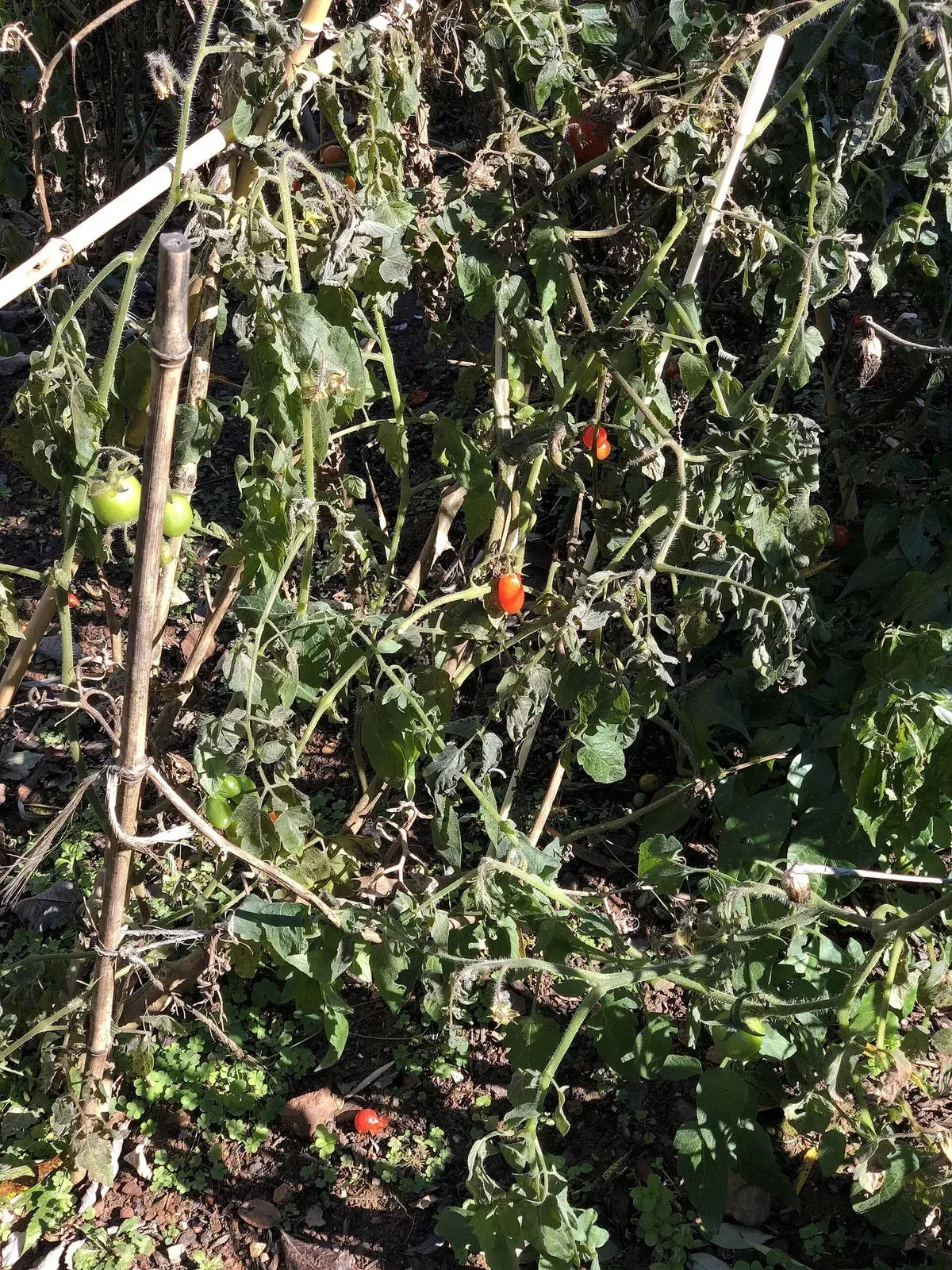
- Featured image (Frost on garden plants): Susanne Nilsson / Wikimedia Commons / CC BY-SA 2.0. Source.
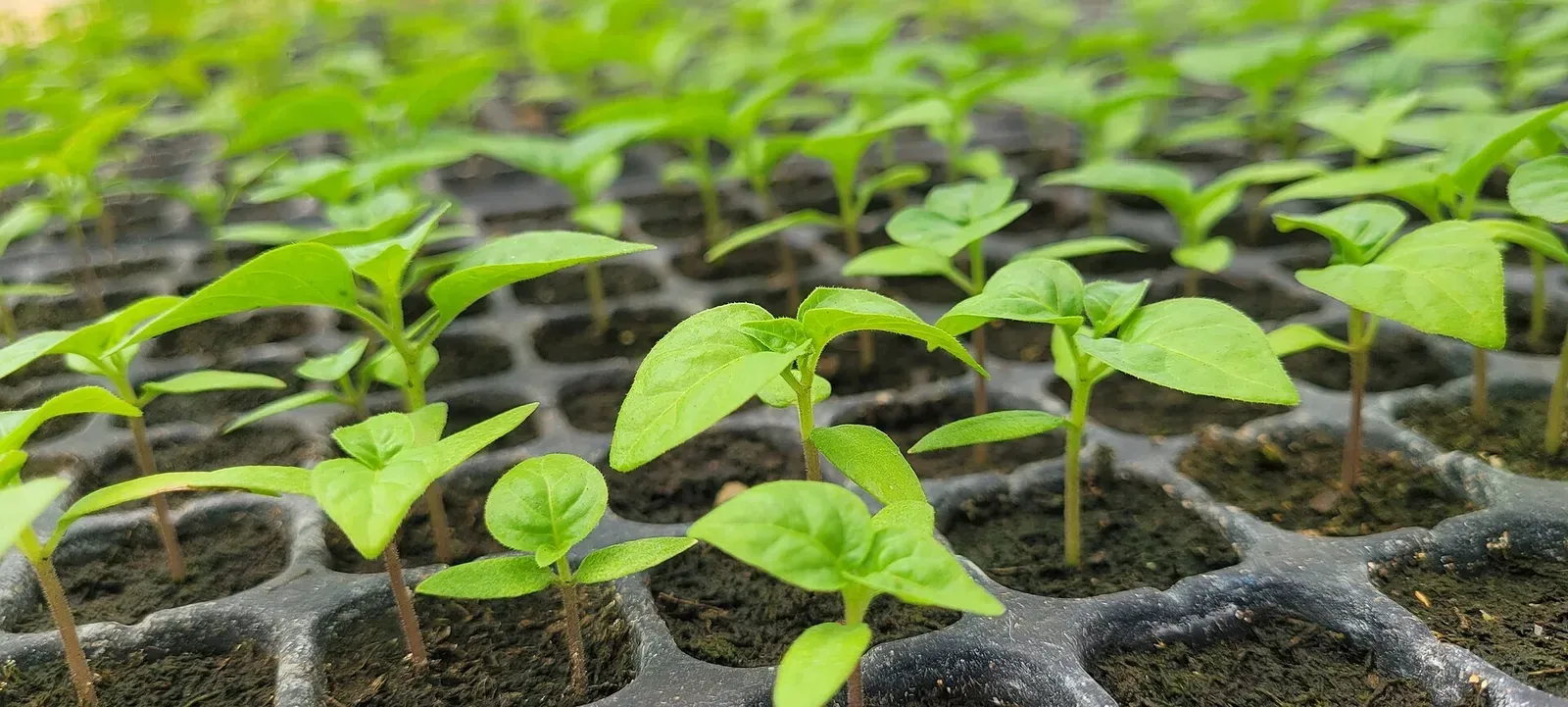
- Tomato seedlings: Aris Papachristou / Wikimedia Commons / CC BY-SA 3.0. Source.
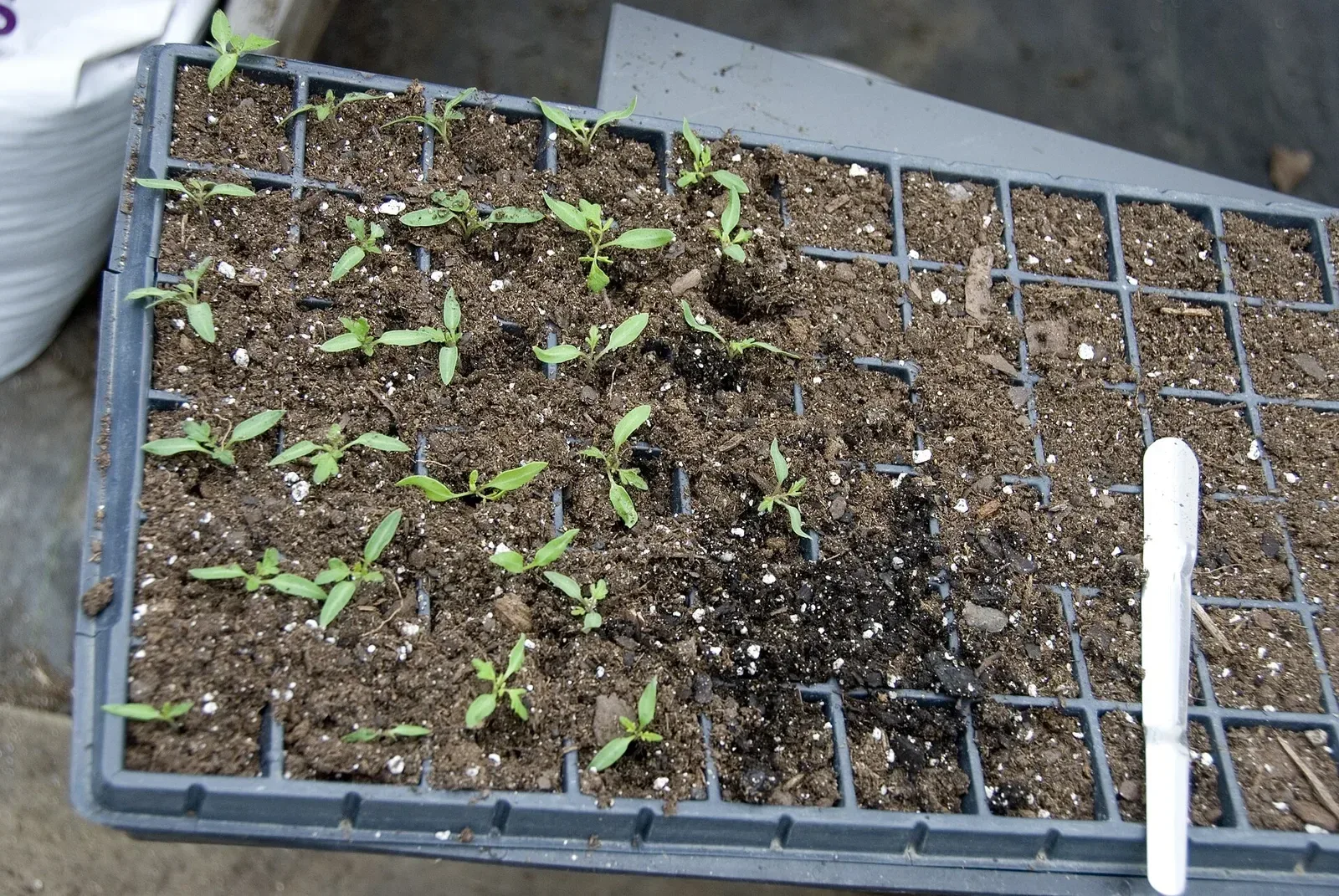
- Planting a tomato: Shixart1985 / Wikimedia Commons / CC BY 2.0. Source.
- Edmonton community garden: Mack Male / Wikimedia Commons / CC BY-SA 2.0. Source.
- Toronto community garden: Jason Zhang / Wikimedia Commons / CC BY-SA 3.0. Source.
- Vegetable garden rows: Mack Male / Wikimedia Commons / CC BY-SA 2.0. Source.
Comments
No comments yet — share what worked in your climate.