
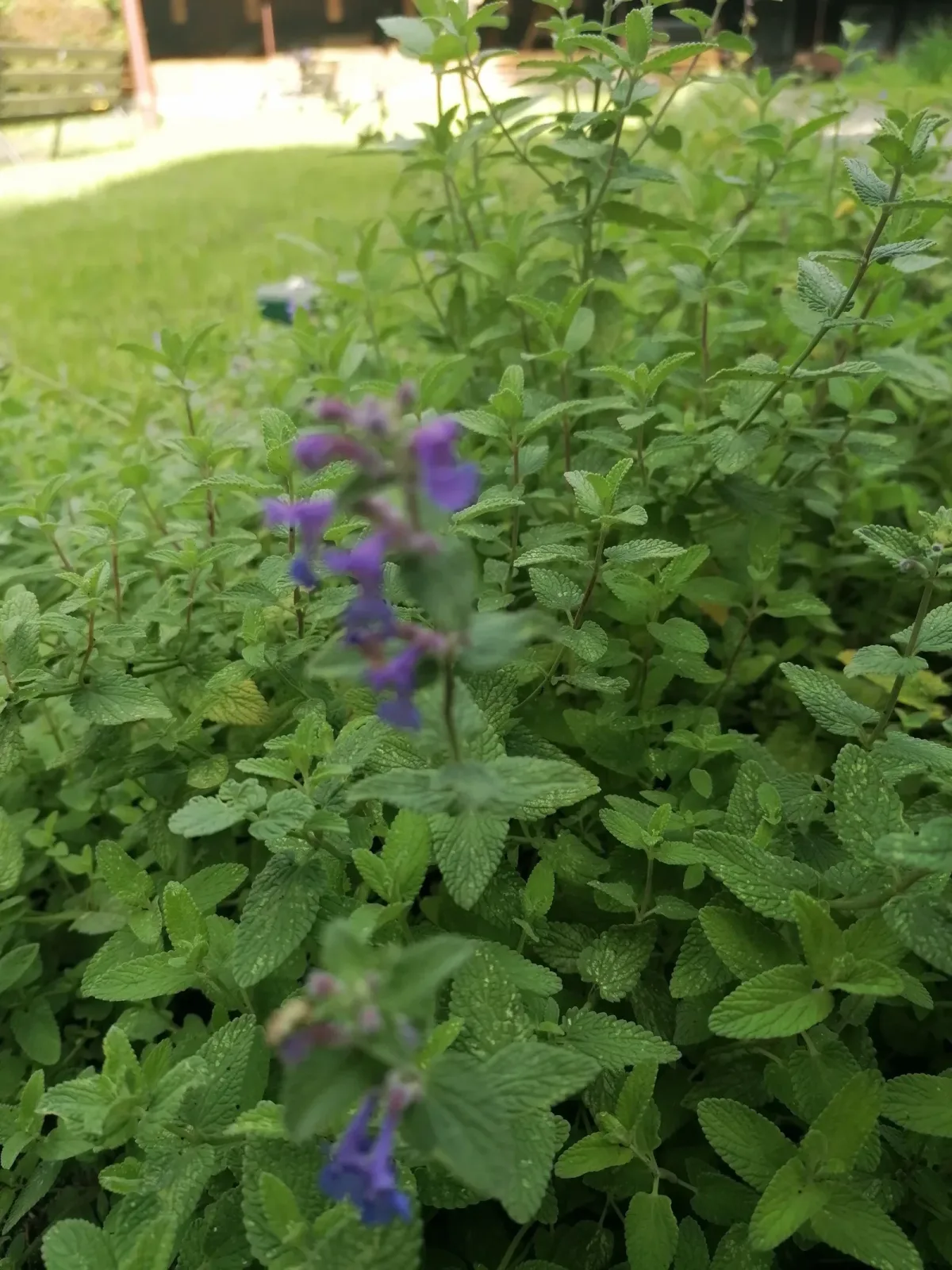
Catmint can give a soft edge to a sunny Canadian border, with another flush after sensible cutting. The first decisions are drainage and mature spread, not a rich feed to push more growth.
Quick answer
Give ornamental catmint sun and drainage, with establishment water but little rich feeding. A cut after the main flush can encourage fresh growth when conditions allow. Check cultivar height and fertility before purchase. Canadian container wintering needs extra planning, and ornamental Nepeta hybrids should not be confused automatically with pet-shop catnip.
How do you identify catmint?
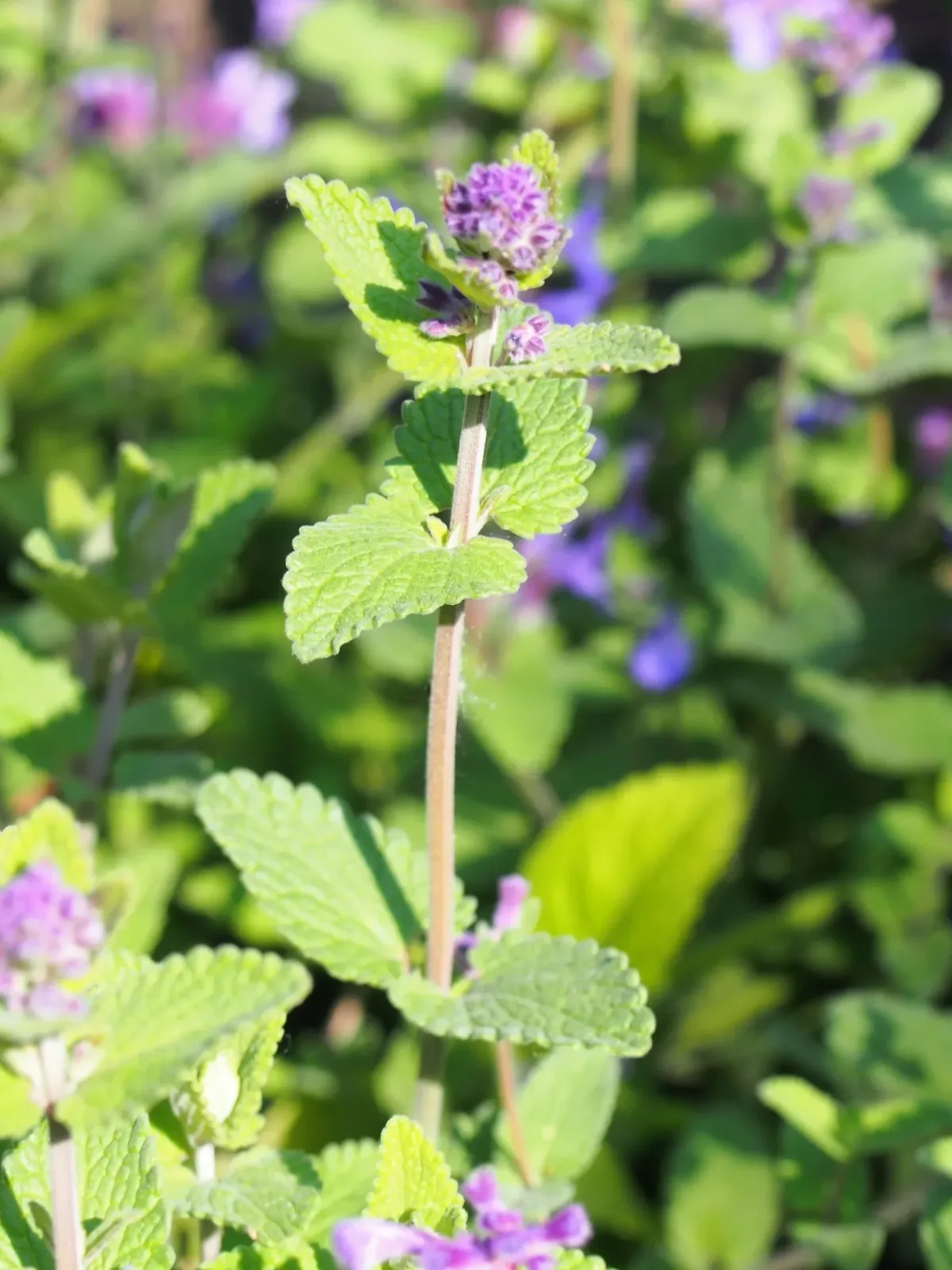
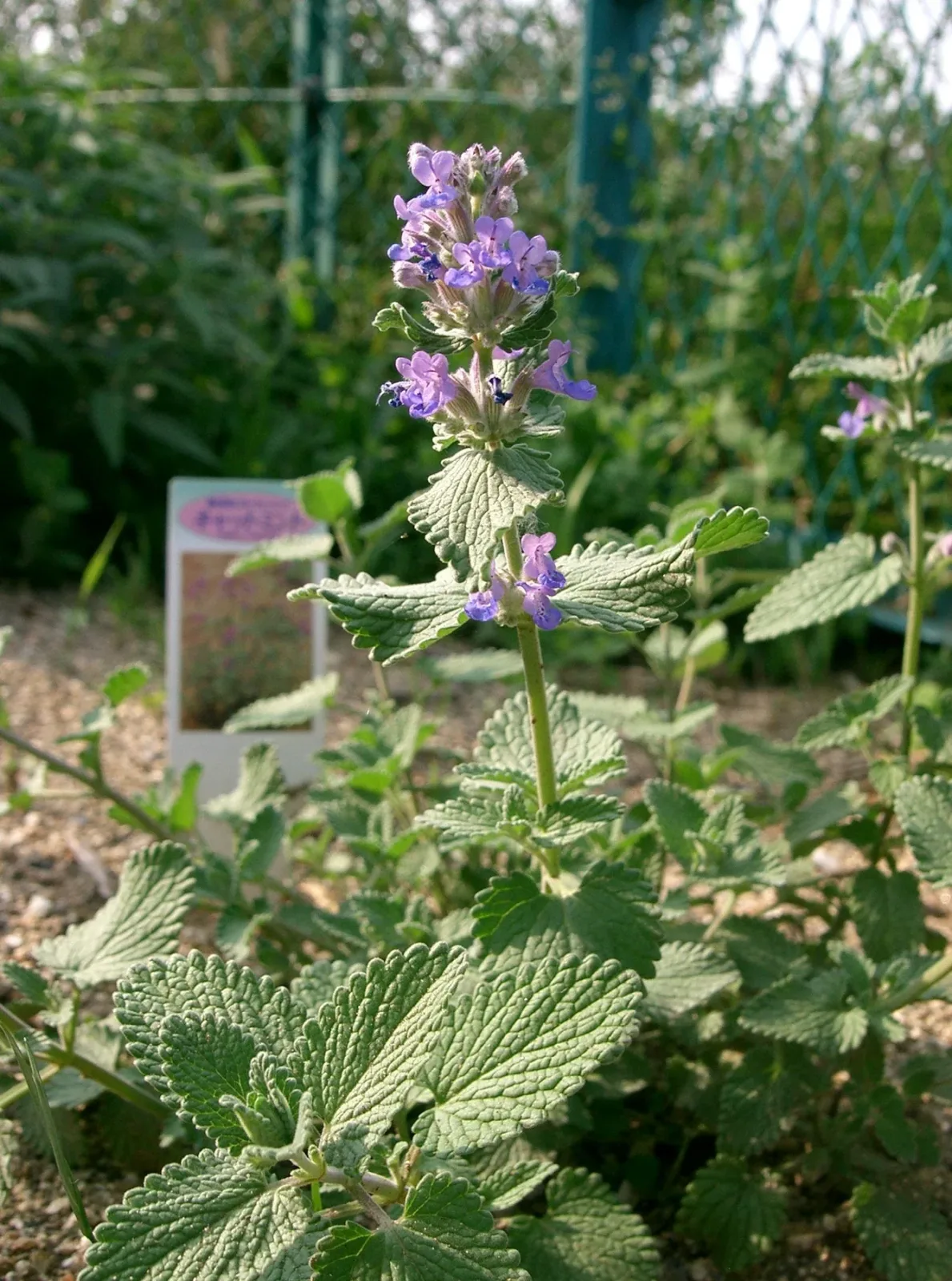
Catmint: Nepeta × faassenii is ornamental catmint, including 'Walker's Low'. It differs from catnip, Nepeta cataria. Many selections set little viable seed, but habits vary. Grey leaves and blue flowers suit sunny drained borders.
When should you shear catmint for another flush?
Shorten faded flowering growth after the first display while retaining healthy leaves below. Water if soil is dry and expect a lighter second display. Do not scalp a drought-stressed plant during extreme heat. Rich feeding can open the mound. Temporary twiggy supports protect shoots from cats without sharp deterrents. Winter crown rot often reflects wet soil, not inadequate cold tolerance. Leave adequate mature width so neighbouring plants do not shade the mound and keep its centre damp.
Where should you plant it for enough light?
Ornamental catmint is not necessarily the same species as the catnip sold for pets. Nepeta selections differ in height, flower colour and fertility, so keep the cultivar name. A low mound beside a path needs different spacing from a tall billowing selection. Give it an open sunny position. Heavy shade can produce loose stems and fewer flowers. During Canadian winter dormancy, no grow lamp is needed for an outdoor crown. Seedlings raised indoors before spring planting do need strong enough light to remain compact, but named cultivars are often better bought as correctly labelled young plants.
What soil or potting mix is best?
Well-drained; average to lean. Drainage prevents winter rot.
Catmint generally suits drained soil rather than a constantly wet border. Water after planting so roots establish beyond the nursery ball, then let the site and weather guide later irrigation. A dry-looking top layer beneath an established mound does not always mean the roots need immediate water. Conversely, a new small plant can dry out before it has developed the resilience of a mature clump. Avoid trapping the crown beneath heavy damp mulch. In a Canadian winter, poor drainage may be a bigger problem than the air temperature for an otherwise locally hardy cultivar.
When should you fertilize?
Fertile rich soil is not always an advantage. Repeated nitrogen feeding can make catmint looser and more likely to fall across a path. If a mound splays open, consider sun, cultivar size and recent weather before applying another product. A light compost dressing may be enough where the soil is poor. Keep neighbouring lawn fertilizer from becoming an accidental second feeding programme. The airy grey-green foliage is meant to have a soft texture; it should not be pushed into the dense fleshy growth expected from a bedding annual. Good placement reduces the need for staking and repeated corrective cuts.
What temperatures and winter protection does it need?
Many ornamental catmints suit Canadian zone 3 upward, depending on cultivar. Good winter drainage is essential.
How should you prune it?
Shear by half after first bloom.
The first flower flush can be followed by a measured cutback to encourage fresh growth and a possible later display. Wait until much of that flush has faded rather than removing flowers at their peak. Leave useful basal foliage instead of shaving a weak plant into bare soil. Water after cutting if the bed is genuinely dry, and avoid a strong fertilizer rescue. The size of a second flush depends on the selection and season. A photograph of the plant before and after trimming helps establish a practical routine without promising continuous bloom in every Canadian climate.
What is the best propagation method?
Divide healthy clumps in spring or root soft non-flowering cuttings. Sterile hybrids cannot be reproduced reliably from seed. Keep new divisions watered until rooted. Check cultivar rights before commercial propagation.
Division can renew an older clump and create replacements where the cultivar permits propagation. Lift healthy outer portions with roots and replant into prepared ground. Spring divisions need watering while they establish, even though the mature plant is used in dry gardens. Soft cuttings are another option under suitable controlled moisture. Seedlings from fertile types may not match the parent, while some popular garden selections produce little or no viable seed. Do not label a chance seedling with the named parent's cultivar. Keep plants identified if you intend to share them.
Which pests and diseases should you watch for?
Few; cats may roll in related catnip more than Faassen's.
Catmint flowers attract pollinating insects, so avoid routine insecticide use across open blooms. Check a specific pest problem before treating. Slugs can damage small new shoots, while mildew or crown decay requires a different response. Improve airflow and drainage rather than assuming every pale leaf needs fertilizer. Cats may roll on or damage a young planting, even though individual reactions vary. A temporary protective cage can help a small clump become established. Do not rely on an ornamental Nepeta label as veterinary clearance for unlimited chewing; safety references for catnip do not necessarily cover every ornamental hybrid.
Is it safe around pets and children?
Do not call Nepeta × faassenii ASPCA-certified safe by confusing it with catnip. ASPCA lists N. cataria as potentially causing stomach upset. Prevent eating large amounts and keep treatments away from children and pets.
A seasonal care calendar for Canada
| Season | What to do |
|---|---|
| Spring | New mounds; early bloom. |
| Summer | Shear for rebloom. |
| Autumn | Light tidy. |
| Winter | Dormant; drainage matters. |
What should you check before buying?
Compare yarrow for another sun-loving border texture. The flowers of explorer rose and russian sage give different effects, so plan the mature spacing and soil conditions rather than choosing companions only because their colours match.
At the nursery, choose healthy basal growth and sound roots rather than the longest flower spikes. Ask about mature height, width and the selection's tendency to spread or seed. Check local invasive-plant advice if the identity is uncertain. A plant suitable for one Canadian region may not be the best choice everywhere. Container roots require more winter protection than an in-ground crown, and a wet balcony pot can be difficult to overwinter. Buy a cultivar that fits the available space so its natural loose outline is an asset rather than a yearly obstacle to walking through the garden.
How can you protect a small new clump?
If cats repeatedly flatten a fresh planting, place a temporary open cage around it with enough room for shoots to expand. Secure it so animals cannot become caught in loose wire. Remove or enlarge the guard as the plant fills its space. Do not solve the problem with irritant chemicals scattered over the foliage. At the same time, check whether nearby shrubs are beginning to shade the crown. A cat-damaged tip and a weak shaded plant can look similarly sparse from a distance, but they need different responses. Establishing a strong basal mound makes later trimming and seasonal renewal easier.
Watch: a related growing task
Comments
No comments yet — share what worked in your climate.