
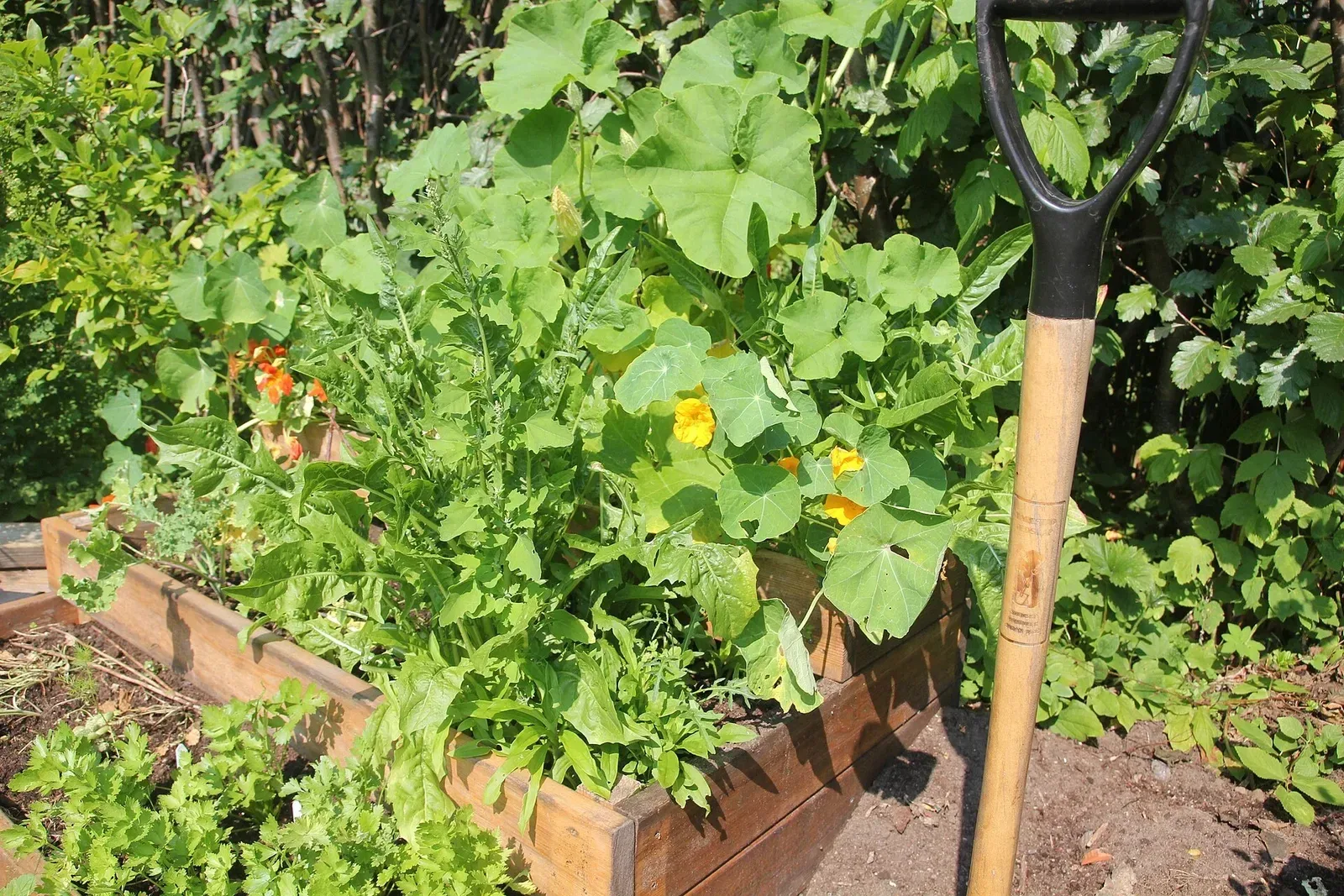
Garlic can survive a Prairie winter in a raised bed, but it is riskier than planting in the ground. Raised beds are exposed on the sides, so the soil freezes faster, deeper and colder, and wind can strip away snow. The University of Saskatchewan (USask) says garlic is best grown in the ground rather than in raised beds where the soil is suitable, though it notes that gardeners in milder parts of the Prairies report success with fall garlic in raised beds using deep mulch. If you only have raised beds, plant deep, mulch heavily, keep the snow on, and plant a few cloves in the ground as a backup.
Why raised beds are harder on garlic
- Exposed sides: soil in the ground is insulated by the earth around it. A raised bed loses heat through its sides as well as its top.
- Less snow: raised beds stick up into the wind, so snow blows off. Snow is one of the best insulators a Prairie garden has.
- Freeze-thaw swings: small beds warm on sunny days and refreeze at night, which can heave and damage cloves.
- Drainage: the plus side. Raised beds drain well in spring, which reduces rot.
Is your raised bed a good candidate?
| Better odds | Poorer odds |
|---|---|
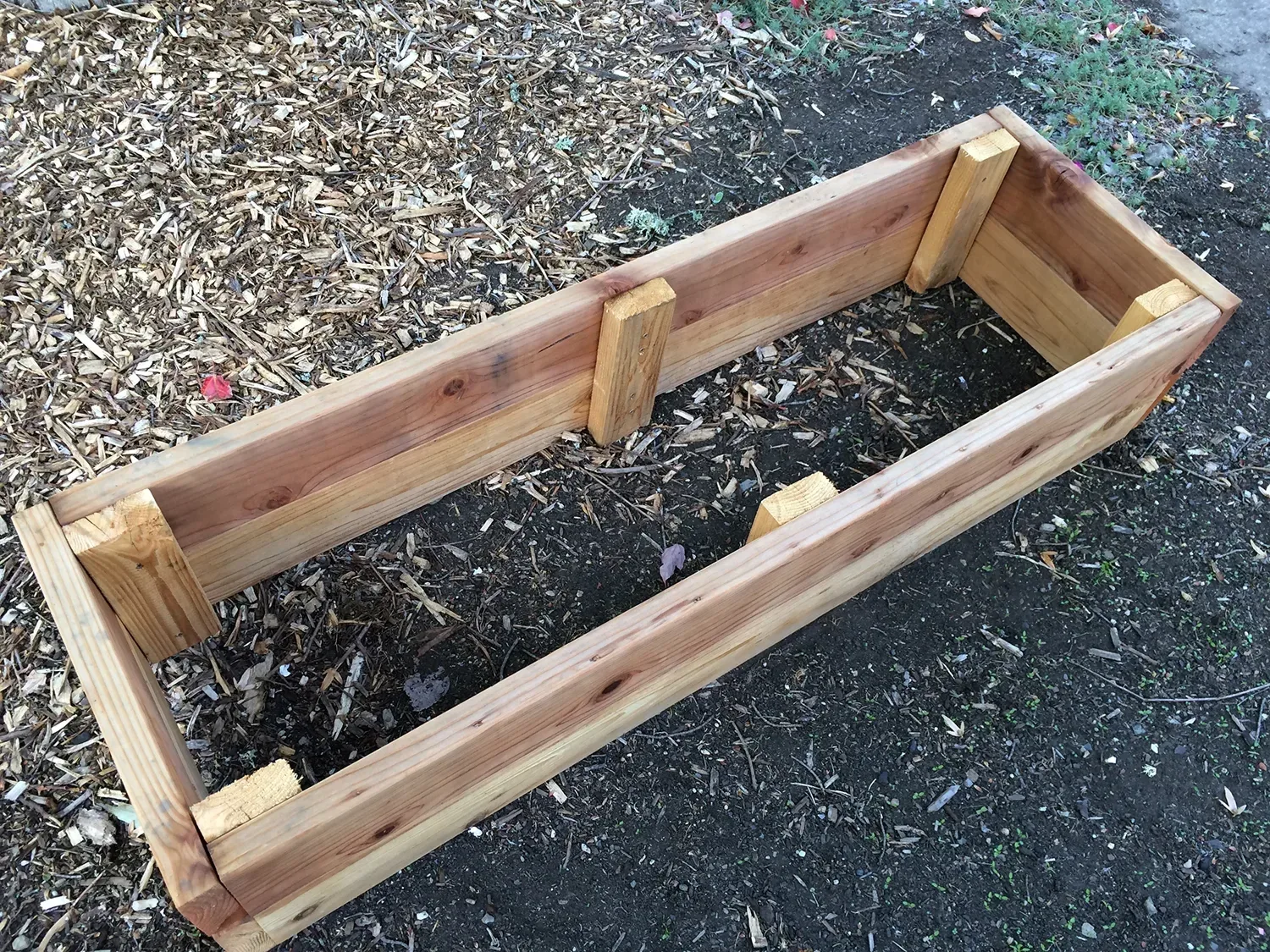
| Low bed (about 20 to 30 cm high) | Tall bed or elevated planter on legs |
| Large bed with lots of soil | Small box or container |
| Sheltered by a fence, wall or shrubs; snow collects | Open, windswept yard; snow blows off |
| Southern Saskatchewan or a city garden | Northern, rural or low-lying site |
| Sides banked with soil or bales | Thin metal sides |
Elevated planters and small boxes on legs are rarely worth trying for garlic over a Prairie winter.
How to plant garlic in a raised bed
- Time it right. Plant between late August and early October, at least three weeks before freeze-up, as USask recommends. In a raised bed, aim for the earlier part of that window so roots establish well. See when and how to plant garlic in Saskatchewan.
- Plant at the deeper end. USask gives 5 to 10 cm deep. In a raised bed, 10 cm gives the cloves a bit more soil above them.
- Keep cloves away from the edges. Leave 15 cm or so between the outer row and the sides of the bed, where the soil gets coldest.
- Space cloves about 8 cm apart in rows about 30 cm apart, or a little wider for bigger bulbs.
Winter protection for raised beds
Deep mulch
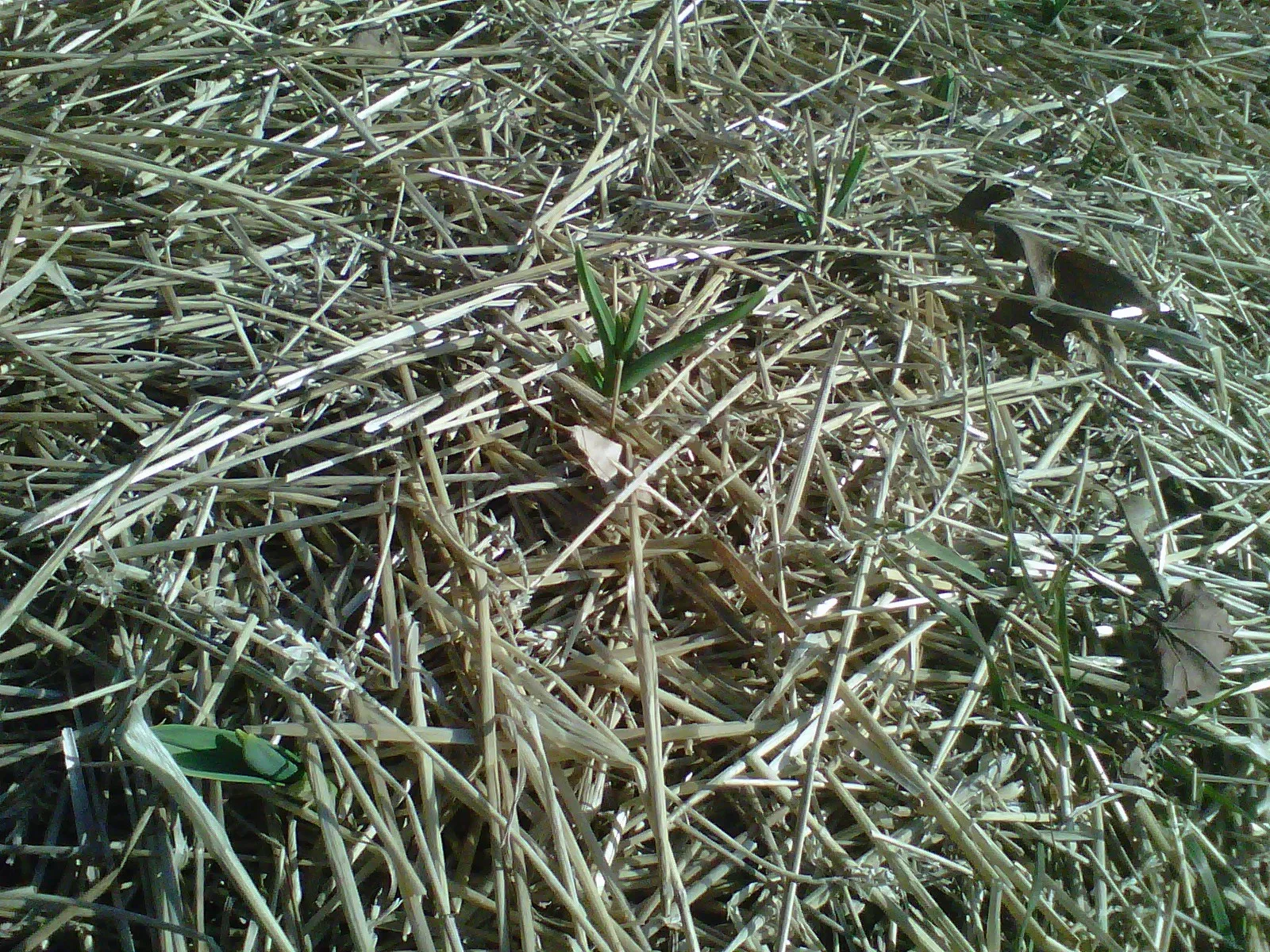
After the soil starts to freeze, cover the bed with a thick layer of loose straw or shredded leaves. USask's garlic page suggests 15 to 20 cm of straw for garlic generally; a raised bed benefits from the deeper end. Hold it down with netting or branches so wind does not blow it off.
A Saskatchewan field study published in 1994 found straw mulch did not improve garlic winter survival in its in-ground trials. In a raised bed, where soil is more exposed, mulch and snow are more likely to make a difference, but there is no Prairie research that proves it.
Keep the snow
- Shovel clean snow onto the bed during winter.
- Put a short snow fence, or a few branches, upwind of the bed to catch drifting snow.
- Leave plant stalks standing nearby to trap snow.
Insulate the sides
- Bank soil, straw bales, leaf bags or snow against the outside walls.
- Metal beds lose heat fastest; insulating their sides helps the most.
Spring: the other risk
Raised beds warm early in spring, which is good, but garlic can start growing during a warm spell and then be hit by hard frost. Pull mulch back from the rows gradually once the worst cold has passed, as USask recommends, and keep some mulch handy to cover young shoots on a very cold night. Water about 2.5 cm a week, including rain, once growth starts, because raised beds dry out faster.
A backup plan
- Plant some cloves in an in-ground bed too.
- Keep a few bulbs in cool storage over winter. If the raised bed fails, plant them as early as possible in spring. Spring-planted garlic usually gives smaller bulbs, but it is better than none.
- Record what you did and the winter conditions, so you can compare next year.
Signs of winter damage
- Gaps in the rows in spring, or cloves that are soft and rotten when you dig.
- Weak, yellow shoots that stop growing.
- Cloves heaved to the surface by freeze-thaw.
Garlic is toxic to dogs, cats and horses according to the ASPCA, so keep stored bulbs away from pets.
More: our garlic plant profile and planting calendar.
Watch: a video walk-through
Vegetable Academy shows step by step how to plant hardneck garlic in a cold climate, including mulching for winter.
Sources
Sources last checked 10 November 2026. Advice varies with your home, region and plant; use these as a starting point.
Comments
No comments yet — share what worked in your climate.