
| ☀️ Light | Full sun |
|---|---|
| 💧 Water | Moderate (lightly moist) |
| 🪴 Soil | Well-drained garden soil or potting mix; not soggy |
| 🌡️ Temp | 0°C – 38°C |
| 🐾 Safety | Cats: not verified · Dogs: not verified |
| 📏 Mature size | 30 cm |
Where It Grows & Climate Tolerance
Pet & Companion Animal Toxicity (Verbena (Garden Verbena))
Not yet verified: Toxicity status for cats, dogs, and horses has not yet been confirmed against veterinary poison-control records. Keep out of reach of pets or consult your veterinarian.
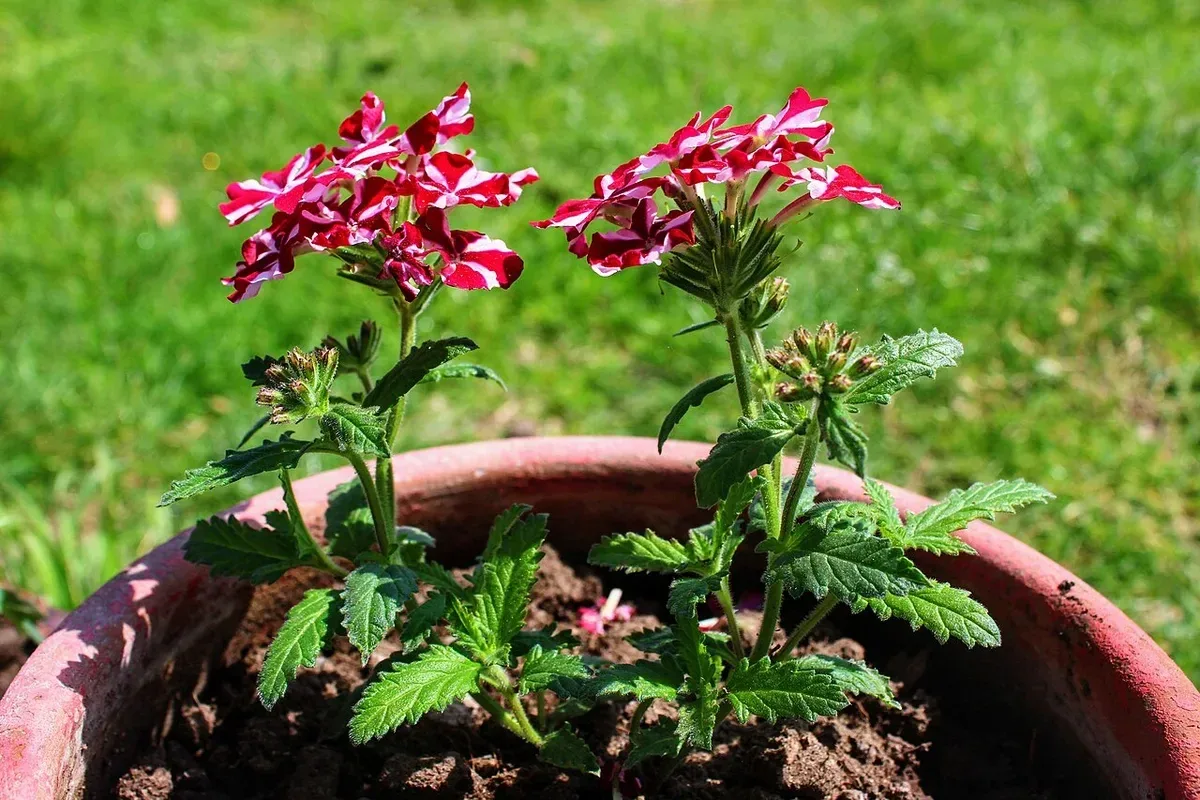
Garden verbena (Verbena × hybrida) is a low, spreading bedding plant with flat clusters of small, star-shaped flowers in purple, pink, red, white and bicolours. It flowers for months in full sun if deadheaded, suits beds, pots and hanging baskets, and attracts butterflies and bees.
Care instructions
Care Guide & Maintenance Routine
Plant in full sun in well-drained soil or potting mix. Water pots regularly and beds only in long dry spells; avoid wetting the leaves. Feed container plants with a potassium-rich liquid fertiliser. Deadhead to keep it flowering. Grow it as an annual where winters are cold, or root cuttings in late summer.
Light & Sunlight
NC State, the RHS and Wisconsin Horticulture all call for full sun. In shade, plants flower poorly and are more prone to powdery mildew.
Watering Schedule
NC State notes garden verbenas are fairly drought tolerant once established but that overwatering causes root rot. The RHS says pots and baskets need regular watering, sometimes daily in hot weather, when the mix is dry 2.5 cm down; border plants need water only in long dry spells. Avoid wetting the flowers and leaves.
Potting Mix & Drainage
Well-drained garden soil or potting mix; not soggy
Temperature & Humidity
Bedding verbenas are tender. The RHS notes most are killed by the first autumn frosts. Wisconsin Horticulture rates V. bonariensis as a tender perennial hardy in zones 7a to 11b. Plants flower through warm weather but slow down in extreme heat. NC State gives garden verbena a height of 15 to 45 cm; V. bonariensis reaches 90 to 180 cm.
About verbena
Verbenas are sun-loving plants in the verbena family, mostly from the Americas. The garden verbena sold for beds and baskets is a hybrid, Verbena × hybrida, now often placed in the related genus Glandularia. The RHS notes the two groups look alike and are grown the same way, so gardeners call both verbena. Wisconsin Horticulture notes there are about 250 Verbena species, of which only about half a dozen are cultivated.
Garden verbenas grow 15 to 45 cm tall, according to NC State, with square, slightly hairy stems and toothed or finely cut leaves. The flowers are tiny stars packed into flat clusters about 7 cm across, in purple, violet, pink, red, peach, white and bicolours, often with a white eye.
Types
- Bedding verbenas: compact, about 30 cm, for the front of borders and pots. Series include Obsession, Tuscany and Aztec.
- Trailing verbenas: such as the Lanai and Superbena series, for hanging baskets, window boxes and the edges of tall pots.
- Verbena bonariensis: tall and see-through, with small purple clusters on wiry stems up to 1.8 m.
- Verbena rigida: low and spreading, a drought-tolerant ground cover, per the RHS.
Where to plant
Full sun is essential. The RHS recommends a warm, sunny spot in soil that does not stay soggy. Verbenas suit the front of a border, rock gardens, gravel beds, window boxes and hanging baskets. Tall V. bonariensis works through the middle of a border, where other plants can be seen through its stems.
Soil
NC State recommends amended, well-drained garden soil. Mix compost and grit into heavy clay, or plant on a slightly raised bed. In containers, use a peat-free multipurpose potting mix.
Sowing seed
Bedding verbenas are usually bought as young plants, but seed is cheap and easy if started early. Wisconsin Horticulture advises sowing V. bonariensis indoors 8 to 12 weeks before the last frost and covering seed with a thin layer of mix, because it needs darkness to germinate. Germination can be slow and uneven, so keep the tray evenly moist and warm. The RHS adds that hardier perennial verbenas can be sown indoors in March or April or outdoors in May in the UK.
Planting and spacing
Plant bedding verbenas 25 to 45 cm apart, depending on the variety; SKUAST-Jammu spaces medium annuals such as verbena 45 by 45 cm. Water in well. Pinch the tips of young plants once to encourage branching.
Watering
NC State notes garden verbenas are fairly drought tolerant once established and warns that overwatering causes root rot. The RHS advises checking pots and baskets by feeling the mix 2.5 cm down; in hot weather they may need water daily. Border plants need water only in long dry spells. Water the soil, not the leaves and flowers, to reduce fungal problems.
Feeding
The RHS notes border verbenas do not need feeding. Container plants use up the fertiliser in their potting mix within about a month; after that, a potassium-rich liquid feed such as tomato fertiliser, at the dose on the pack, keeps them flowering.
Deadheading and trimming
NC State notes garden verbenas will bloom all season if faded flowers are deadheaded. Snip off spent clusters every week. By midsummer, trailing types can look straggly; cut stems back by about a third and they quickly refill with new flowers.
Mulching
The RHS suggests mulching border verbenas with a 10 cm layer of well-rotted organic matter after planting, leaving a gap around the stems to avoid rot. Mulch holds moisture and reduces weeds.
Cuttings and overwintering
Bedding verbenas are usually treated as temporary summer plants. The RHS notes you can keep a favourite colour by taking cuttings in late summer and overwintering them frost-free. Take 5 to 8 cm non-flowering shoot tips, root them in gritty mix, and keep them in a bright, cool spot until planting time.
Verbena bonariensis
Wisconsin Horticulture describes V. bonariensis as a tender perennial from Brazil and Argentina, hardy in zones 7a to 11b, growing 90 to 180 cm tall with sturdy stems that rarely flop. It blooms from midsummer until frost and is fairly drought tolerant. It reseeds prolifically. Wisconsin Horticulture notes it is a weed in several mild climates, though not aggressive in cold areas, and NC State notes it has naturalised in parts of the southern United States.
Pests and problems
- Powdery mildew: white coating on leaves, worse in shade and humid weather. NC State notes some cultivars resist it well.
- Root rot: from overwatering or soggy soil.
- Thrips and leafhoppers: listed by the RHS; mottled or silvery leaves.
- Aphids and spider mites: in hot, dry spells.
Discoloured or spotted leaves can have more than one cause, so check watering and look under the leaves before treating.
Wildlife and pets
The RHS and Wisconsin Horticulture both note verbenas attract butterflies, bees and other pollinators. NC State notes deer usually leave garden verbena alone. ASPCA has no entry for verbena, so pet safety is not verified.
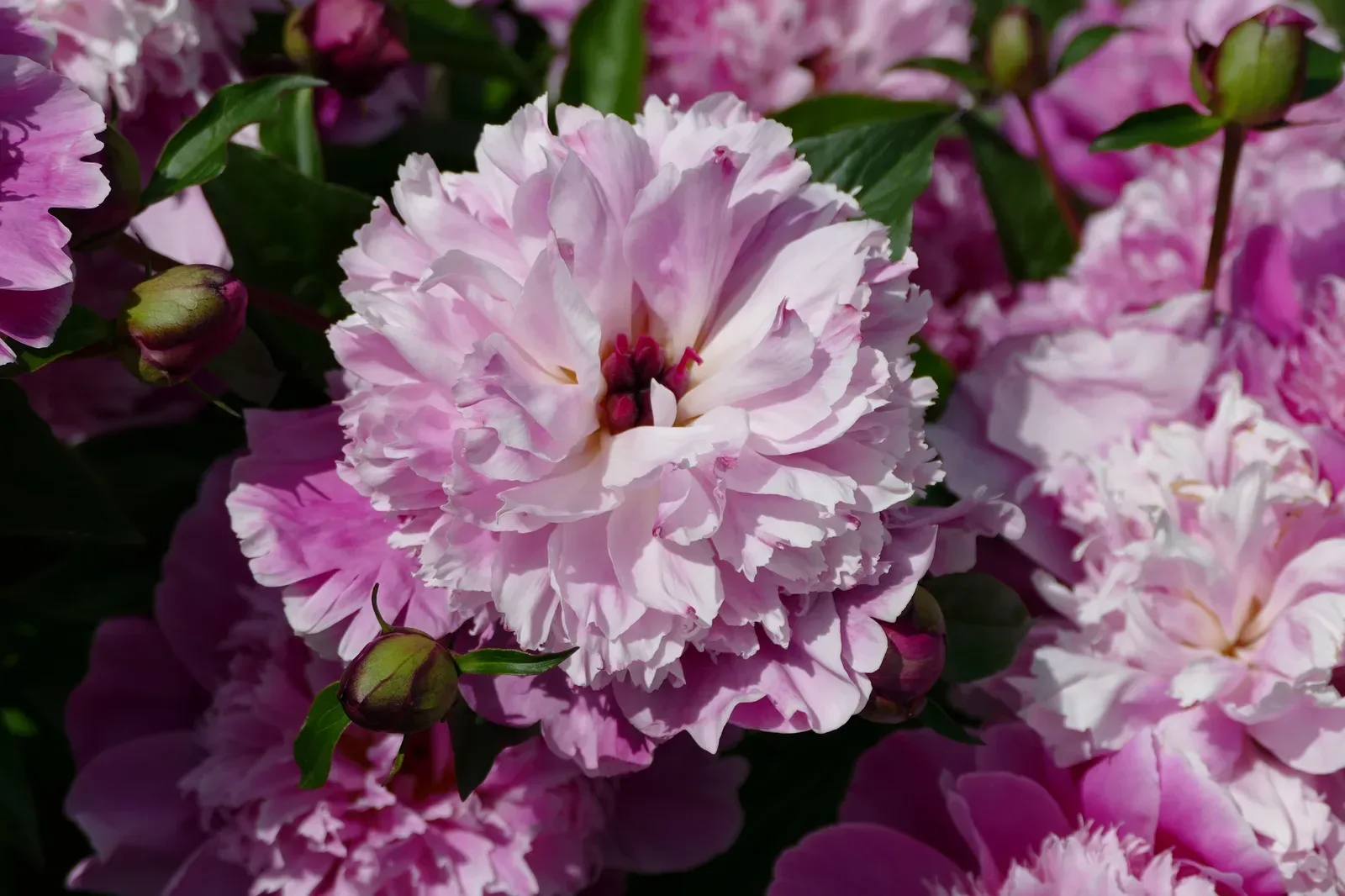
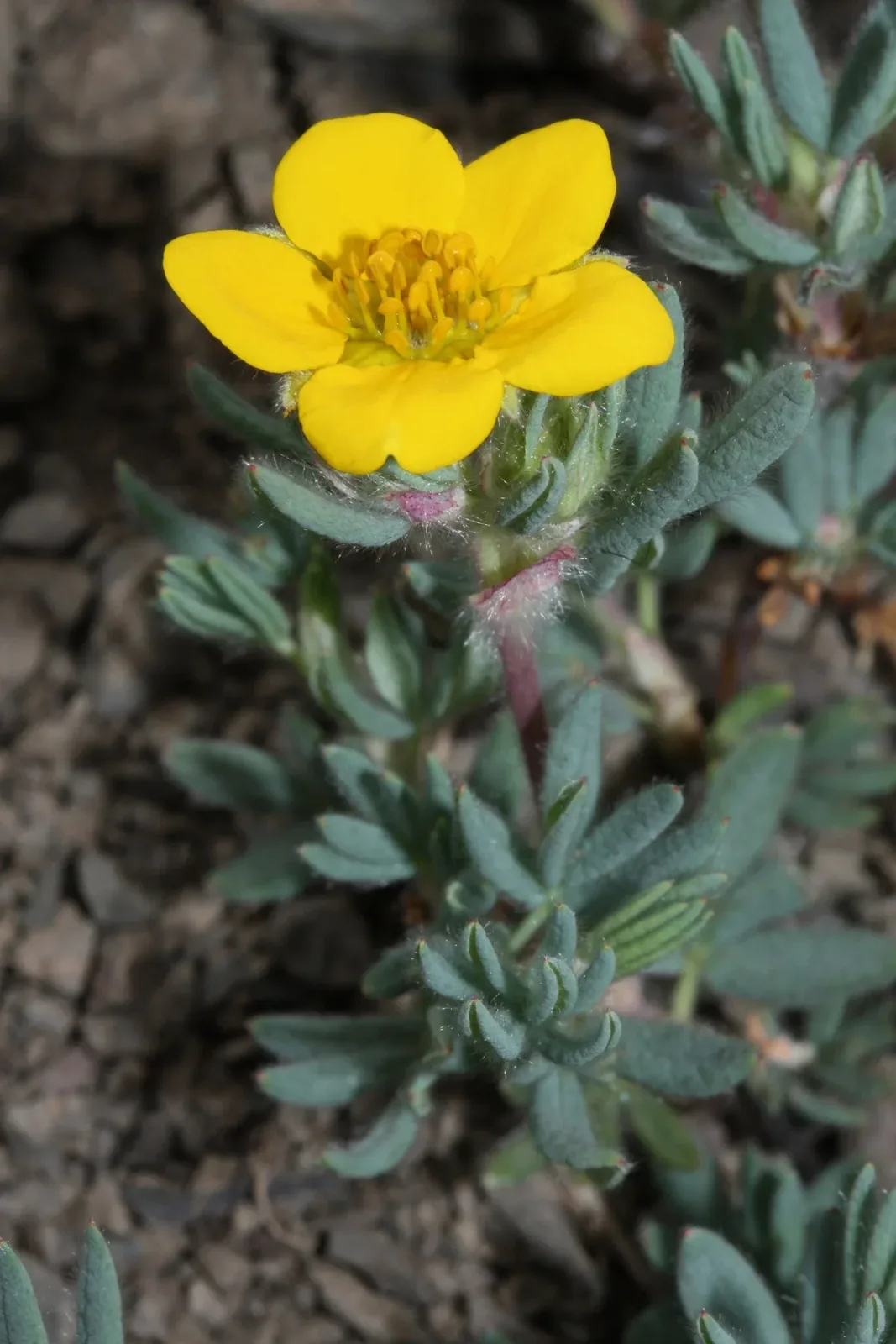
Verbena pairs well with petunia, sweet alyssum, marigold and portulaca in sunny beds and pots. China pink is another winter bedding flower, and butterfly bush draws the same pollinators.
India and Canada in brief
In one market garden verbena is a cool-season bedding flower sown after the rains. In the other it is a summer plant set out after frost and lost to the first hard freeze unless cuttings are kept. The market sections give the months.
Seasonal rhythm
Seasonal Calendar
A month-by-month calendar for Verbena (Garden Verbena) in Global is coming soon. See the light, water and temperature notes above.
Diagnostics
Common Problems & Troubleshooting
Powdery mildew in shade, crowding or humid weather; root rot in soggy soil; fewer flowers if not deadheaded; straggly growth by late summer; frost kill in autumn.
Pests & seasonal watch: The RHS lists thrips, glasshouse leafhoppers and powdery mildew as occasional problems. NC State notes overwatering causes root rot and some cultivars resist mildew well. Aphids and spider mites appear in hot, dry spells.
Q&A
Frequently Asked Questions
How do I keep verbena flowering?
Full sun and deadheading. NC State notes garden verbenas bloom all season if faded flowers are removed. Feed container plants with a potassium-rich liquid fertiliser, as the RHS advises.
Why does my verbena have white powder on the leaves?
Often powdery mildew, which the RHS lists as an occasional problem. It is worse in shade, crowding and humid weather. Thin the planting and avoid wetting the leaves.
How often should I water verbena?
Pots and baskets when the mix is dry 2.5 cm down, which may be daily in hot weather, according to the RHS. Border plants need water only in long dry spells. NC State warns overwatering causes root rot.
Is verbena an annual or perennial?
Bedding verbenas are treated as annuals. The RHS notes most are killed by the first frosts. Some species, such as V. bonariensis, are short-lived perennials in mild climates.
Can I grow verbena from cuttings?
Yes. The RHS notes cuttings taken in late summer can be overwintered frost-free and grown on the following year.
What is Verbena bonariensis?
A tall, airy species, 90 to 180 cm, with small purple clusters on wiry stems. Wisconsin Horticulture notes it is hardy in zones 7a to 11b and self-seeds.
Does verbena attract butterflies?
Yes. The RHS and Wisconsin Horticulture both note verbenas are popular with butterflies, bees and other pollinators.
When should I sow verbena in India?
SKUAST-Jammu groups verbena with winter annuals sown in September or October and transplanted in October or November, spaced 45 by 45 cm.
Is verbena safe for pets?
Not verified. There is no ASPCA entry for verbena, and NC State lists no poison information for garden verbena.
Similar Botanical Matches
Keep exploring
Related plants
Grower field notes
Reader Field Notes in Global
Share how this plant performs in your local Global climate.