
| ☀️ Light | Bright indirect light |
|---|---|
| 💧 Water | Moderate (lightly moist) |
| 🪴 Soil | Porous, slightly acidic potting mix with free drainage |
| 🐾 Safety | Cats: non-toxic · Dogs: non-toxic |
Where It Grows & Climate Tolerance
Pet & Companion Animal Toxicity (Norfolk Island Pine)
Keep a Norfolk Island pine healthy indoors. Learn where to put it, how to water it and what to check when the lower branches or tips turn brown.
Care instructions
Care Guide & Maintenance Routine
Give the pot bright light and turn it periodically. Water when the surface starts to dry, then let it drain. Keep foliage away from heating outlets and preserve the upright growing tip.
Light & Sunlight
Choose a bright room. Gentle direct light can suit an acclimated plant. Turn the pot in small increments for even growth and move it back from hot glass if foliage bleaches.
Watering Schedule
Water thoroughly after the surface starts to dry and drain the saucer. In cool or dim conditions the root ball dries more slowly. Avoid allowing it to remain sodden or bone dry.
Potting Mix & Drainage
Porous, slightly acidic potting mix with free drainage
Temperature & Humidity
A cooler bright room can suit this subtropical tree. Keep the plant frost-free and away from hot indoor vents and abrupt temperature swings.
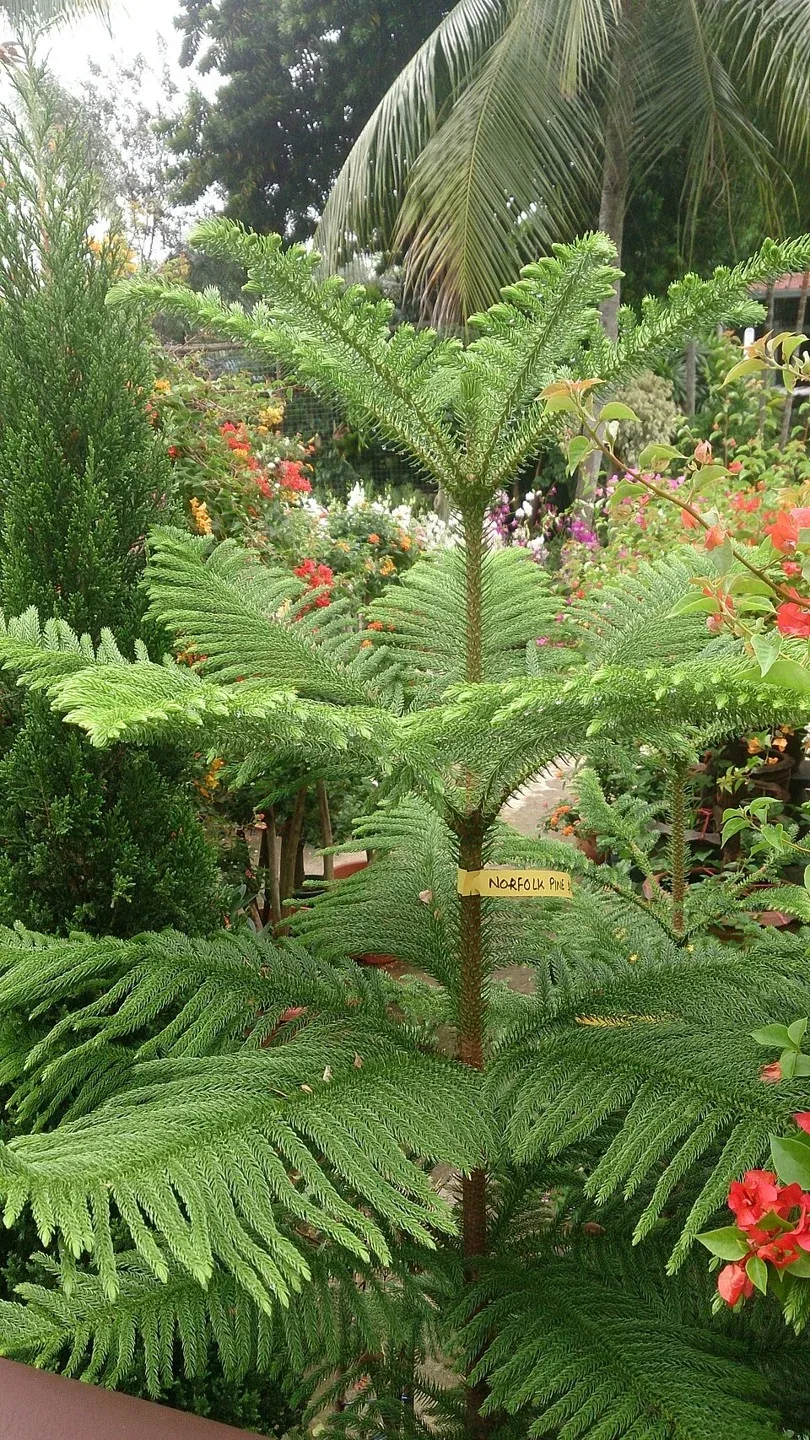
The Norfolk Island pine forms distinct tiers of green branches. It can be a long-lived indoor container plant in a bright room and a much larger evergreen tree where outdoor conditions stay mild.
Light and position
Set the container near a bright window with enough space for the branches. Turn it a little every few weeks. Move any nursery-grown plant into stronger direct light gradually to avoid bleaching.
Water the root ball
Check the upper mix and the weight of the container. When the surface starts drying, water across the whole pot and discard runoff. Wait longer between waterings if the room is cooler or dimmer.
Pruning and brown branches
Trim fully dead material if necessary and leave the growing tip intact. If lower branches start browning quickly, compare current light, room dryness and the moisture inside the pot before changing your routine.
Pet safety
The ASPCA entry for Araucaria heterophylla lists it as non-toxic to cats and dogs. Nursery names such as Australian pine can refer to other species, so confirm the botanical name.
Sources
- NC State Extension · Norfolk Island pine
- Royal Horticultural Society · Norfolk Island pine
- Kew Plants of the World Online · Norfolk Island pine
- ASPCA · Araucaria heterophylla
Photo by Mokkie via Wikimedia Commons. CC BY-SA 4.0. Resized and converted to WebP under the same license.
Seasonal rhythm
Seasonal Calendar
A month-by-month calendar for Norfolk Island Pine in Global is coming soon. See the light, water and temperature notes above.
Diagnostics
Common Problems & Troubleshooting
Dry air, uneven moisture or low light can brown tips or cause lower tiers to decline. Lost branches seldom fill back in. Preserve the leader to keep the plant's tiered shape.
Care encyclopedia · 2 guides
Guides & Articles for Norfolk Island Pine
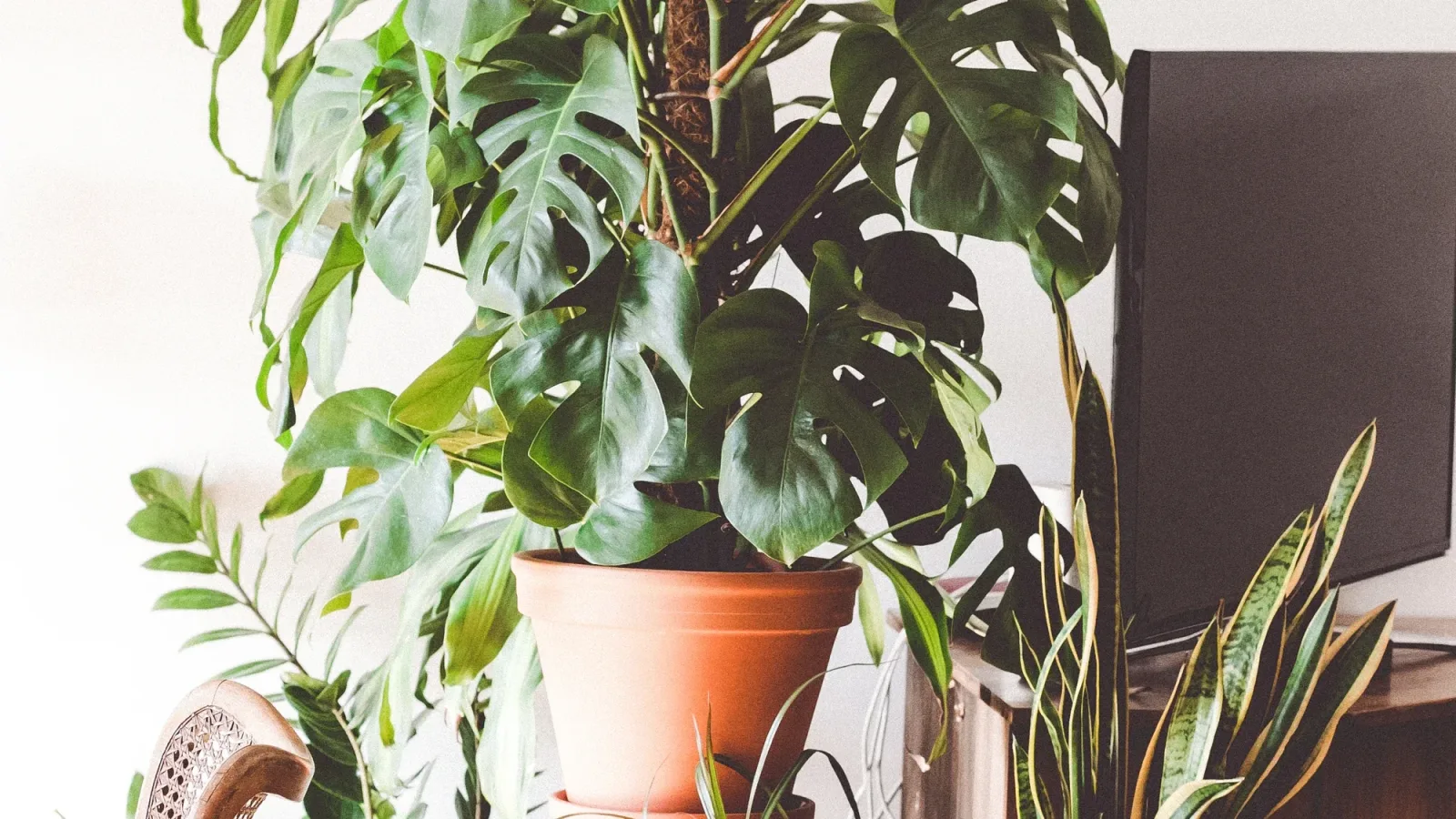
12 Indoor Plants for Australian Homes, by Light and Climate
Twelve indoor plants that can work in Australian homes, grouped by light, with notes for tropical, subtropical, temperate, Mediterranean and arid climates, including a dry Perth summer and a humid Brisbane one.
Read guide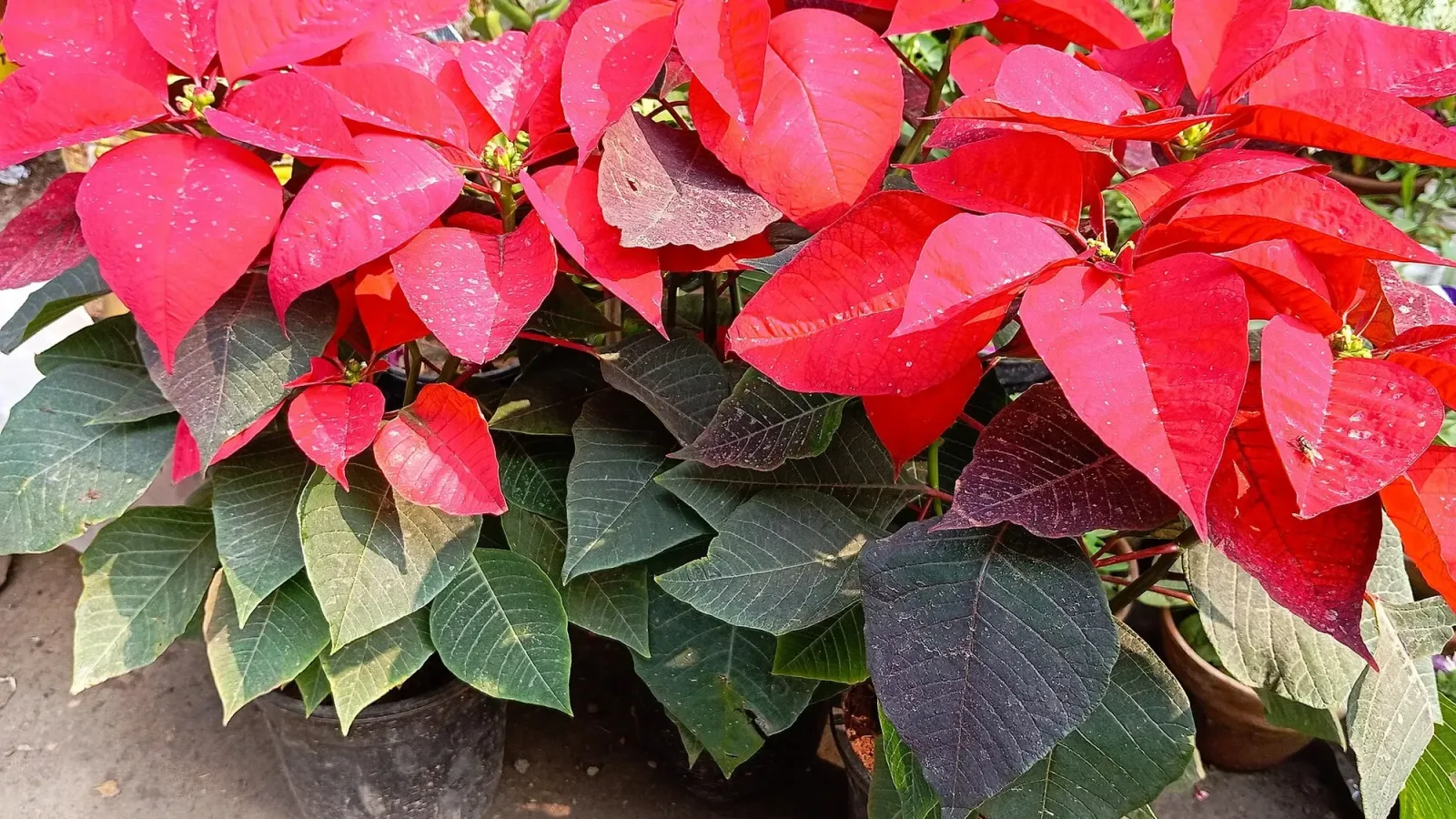
8 Christmas Plants for Indian Homes (and How to Keep Them Alive After December)
In India, the Christmas tree plant is almost always an Araucaria, and it can be your tree for years. Here are eight Christmas plants sold in Indian nurseries, with care, pet safety and region notes.
Read guideQ&A
Frequently Asked Questions
Why are the tips of my Norfolk Island pine turning brown?
Check for dry indoor air, irregular watering and inadequate light. The surface can look dry while the lower mix is still wet, so check below it before watering.
Can a Norfolk Island pine grow outdoors?
It can become a large tree in mild, frost-free climates. In cold climates grow it as a container plant and shelter it before frost.
Similar Botanical Matches
Keep exploring
Related plants

Grower field notes
Reader Field Notes in Global
Share how this plant performs in your local Global climate.