
| ☀️ Light | Full sun |
|---|---|
| 💧 Water | Moderate (lightly moist) |
| 🪴 Soil | Deep, fertile, well-drained loam; pH about 6.0 to 7.0 |
| 🌡️ Temp | -30°C – 30°C |
| 🐾 Safety | Cats: toxic · Dogs: toxic |
| 📏 Mature size | 90 cm |
Where It Grows & Climate Tolerance
Pet & Companion Animal Toxicity (Asiatic Lily)
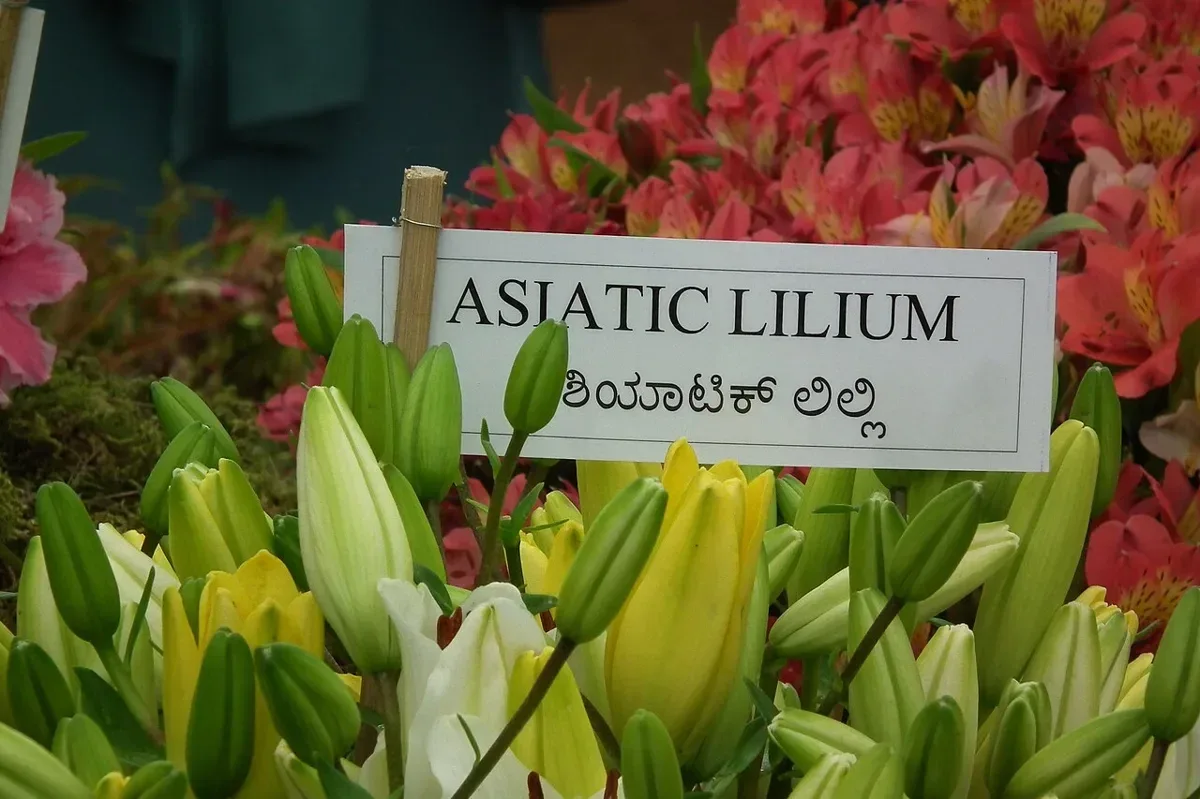
Asiatic lilies are hybrid lilies grown from scaly bulbs for their upward- or outward-facing flowers in orange, red, yellow, pink, white and bicolours. They are usually the earliest lilies to bloom, have little or no scent, and suit pots, borders and cutting. All lilies are dangerous to cats.
Care instructions
Care Guide & Maintenance Routine
Plant bulbs in well-drained, fertile soil where the stems get sun and the roots stay cool and shaded, ideally under a mulch. Keep the soil moist but never soggy. Stake tall stems, deadhead faded flowers, and let the leaves die back naturally so the bulb can rebuild for next year. Keep cats away from every part of the plant.
Light & Sunlight
NC State lists full sun to light shade for Asiatic hybrids and advises sun on the leaves with shade over the roots. SKUAST-Jammu notes lilies are very sensitive to light: too little gives weak stems and bud drop, while strong summer sun keeps plants short and warms the soil, which encourages root rots.
Watering Schedule
NC State warns that overly moist soil rots bulbs but the soil should not dry out completely. Water deeply when the top few centimetres feel dry, especially while buds form, and reduce watering once the foliage starts to yellow after flowering.
Potting Mix & Drainage
Deep, fertile, well-drained loam; pH about 6.0 to 7.0
Temperature & Humidity
NC State rates Asiatic hybrids hardy in USDA zones 4a to 8b. SKUAST-Jammu gives 10 to 25°C as the growing range under protection, and TNAU gives ideal days of 18 to 22°C with nights of 10 to 15°C. Bulbs need a cold period before they flower well; TNAU notes six weeks at 2 to 5°C breaks dormancy. Hot soil causes short plants and root infections.
About Asiatic lilies
Lilies are bulbous perennials in the lily family, native to temperate parts of Asia, Europe and North America. Gardeners group them into horticultural divisions, and the Asiatic hybrids are the most widely sold. NC State describes them as hybrids bred from several Asian species, usually the first lilies to flower, without scent, and with the widest colour range of all the groups.
Plants grow 60 to 150 cm tall from a scaly bulb, with narrow leaves spiralling up a single stem. Each stem carries several flowers 10 to 15 cm across, each with six tepals, often freckled with darker spots. Flowers face upwards or outwards. Colours include orange, red, yellow, pink, cream, white and lavender, plus bicolours.
Lily groups compared
- Asiatic hybrids: early, unscented, compact and the easiest to grow. NC State notes the bulbs are typically white.
- Oriental hybrids: later, taller, large and strongly scented, and fussier about acid soil and cool summers.
- Longiflorum (Easter lily) types: white, trumpet-shaped and fragrant.
- LA hybrids: Longiflorum × Asiatic crosses. SKUAST-Jammu notes they are more floriferous than Asiatics and are replacing them in cut-flower production.
Daylilies (Hemerocallis) and calla lilies (Zantedeschia) are unrelated plants despite the name.
Where to plant
NC State's general lily advice is sun on the leaves and shade over the roots, in well-drained, fertile soil, with mulch to keep the root zone cool. Low plants in front of lilies, such as sweet alyssum or short annuals, do the same job. Avoid windy corners, or plan to stake.
Soil
Good drainage matters more than anything else, because the bulb has no papery skin and rots in waterlogged ground. Dig deeply and mix in compost. Add grit to clay or plant on a raised bed. SKUAST-Jammu recommends soil 60 to 90 cm deep with plenty of organic matter.
Choosing bulbs
Buy firm, plump bulbs with fleshy scales and live roots at the base. Avoid bulbs that are soft, mouldy or dried and shrivelled. Bulbs are graded by circumference, and SKUAST-Jammu gives 10 to 12 cm as the optimum size for Asiatic lilies, against 16 to 18 cm for Orientals. Larger bulbs generally carry more buds.
Planting
NC State suggests planting lily bulbs about 20 cm deep in autumn, and notes Asiatic bulbs can be planted in spring or autumn according to the supplier's directions. Set them pointed end up in groups of three or five, 20 to 30 cm apart. In pots, use a deep container and three bulbs per 30 cm pot.
Chilling
Lily bulbs need a cold spell before they flower. In cold-winter gardens this happens naturally in the ground. Where winters are warm, bulbs are bought already chilled; TNAU notes six weeks at 2 to 5°C breaks dormancy.
Watering
Keep the soil evenly moist while shoots grow and buds form, then reduce watering as the leaves yellow. NC State warns that very wet soil causes bulb rot but that the soil should not dry out completely.
Feeding
In fertile soil, lilies need little extra. A balanced fertiliser at the dose on the pack as shoots appear, and again before buds form, helps in pots and poor soil.
Staking
SKUAST-Jammu advises staking all lilies as buds develop, because the weight of the flowers can make stems lodge. Put stakes in at planting time to avoid spearing the bulbs later.
Cutting flowers
For the vase, cut when the lowest bud shows colour. SKUAST-Jammu advises cutting the stem 10 to 15 cm above ground so leaves remain to feed the bulb. Pull the orange anthers off as flowers open; NC State notes lily pollen stains clothes and hands.
After flowering
Snap off faded flowers before seed pods swell. Leave the stem and leaves until they turn yellow, then cut them down. In mild climates or where summers are very hot, bulbs are lifted once the stems have dried and stored cool in barely moist peat-free compost, coir or sawdust.
Propagation
Clumps can be divided every few years in autumn. Small bulblets form on the stem just below ground and can be grown on in a nursery bed. Scales snapped from the outside of a bulb also root and form new bulbs, although they take two to three years to flower.
Pests and diseases
- Bulb rot: in poorly drained soil.
- Botrytis (grey mould): brown spots on leaves and stems in long wet spells.
- Aphids: on buds and young growth; they can also spread lily viruses.
- Lily beetle: bright red beetles and their grubs strip the foliage.
- Slugs and snails: on emerging shoots.
Yellowing leaves can come from wet soil, disease or natural dieback after flowering, so look at the timing and the bulb before treating.
Pets
ASPCA lists all Lilium species as toxic to cats, causing kidney failure. Leaves, flowers, pollen and the water in a vase are all a risk. Dogs and horses are listed as unaffected. In homes with cats, choose another cut flower.
Lilies in containers
Pots let you grow lilies on a balcony or move them into view when they bloom. Use a deep pot, a loam-based or good peat-free mix with added grit, and feed lightly while in growth. NC State notes potted lilies stay a little shorter than those in the ground. In cold areas, sink the pot in the ground or move it to an unheated garage for winter.
Asiatic lilies combine well with daylily, Siberian iris and dahlia in summer borders. For spring bulbs, see tulip and daffodil, and for a big indoor bulb, amaryllis.
India and Canada in brief
In Canada Asiatic lilies are hardy perennials that stay in the ground for years. In India they are a hill crop in summer and a cool-season pot or shade-house flower on the plains. The market sections give months and regions.
Seasonal rhythm
Seasonal Calendar
A month-by-month calendar for Asiatic Lily in Global is coming soon. See the light, water and temperature notes above.
Diagnostics
Common Problems & Troubleshooting
Bulb rot in wet soil; grey mould (Botrytis) spots in long rainy spells; aphids on buds; lily beetle grubs stripping leaves in Canada; weak stems and bud drop in low light; short plants in hot soil; pollen staining clothes.
Pests & seasonal watch: NC State lists bulb rot in poorly drained soil, Botrytis on the stems in wet weather, aphids and the lily beetle. Aphids can also spread viruses that streak the leaves and flowers. Slugs and snails eat young shoots.
Q&A
Frequently Asked Questions
Are Asiatic lilies poisonous to cats?
Yes. ASPCA lists all true lilies (Lilium species) as toxic to cats, causing kidney failure. They are listed as non-toxic to dogs and horses. Keep cut lilies and fallen pollen away from cats.
How deep should I plant lily bulbs?
NC State gives about 20 cm for lilies in general. A common rule is two to three times the height of the bulb, a little deeper in light soil and a little shallower in heavy soil.
When do Asiatic lilies bloom?
NC State notes Asiatic hybrids are usually the first lilies to bloom, from late spring into summer. On the Indian plains, bulbs planted in October and November flower in winter under protection.
Do Asiatic lilies need full sun?
They need sun on the stems and leaves but prefer a cool root zone. NC State lists full sun to light shade; SKUAST-Jammu uses 50 to 75% shade net in the hot season.
Why are my lily buds falling off?
SKUAST-Jammu notes low light, such as dark winter days, gives weak stems and bud drop. Dry soil while buds form and heat stress can also cause it.
Do I need to dig up lily bulbs?
Not in cold climates; NC State notes lilies overwinter well in the ground. On the Indian plains, SKUAST-Jammu lifts bulbs 40 to 50 days after flowering, once the stems dry, and cold-stores them.
How do I make more lilies?
Lift and divide clumps, or plant the small bulblets that form on the stem below ground. SKUAST-Jammu notes bulblets reach commercial size after about a year.
What is eating my lily leaves?
In Canada it is often the red lily beetle and its slug-like larvae. The University of Saskatchewan notes Asiatic lilies are its preferred food. Check under the leaves before treating.
Are Asiatic lilies scented?
Usually not. NC State notes Asiatic hybrids have no fragrance; scented types are mostly Oriental and trumpet lilies.
Similar Botanical Matches
Keep exploring
Related plants
Grower field notes
Reader Field Notes in Global
Share how this plant performs in your local Global climate.