
| ☀️ Light | Full sun |
|---|---|
| 💧 Water | Low (allow soil to dry) |
| 🪴 Soil | Free-draining container potting mix with added coarse mineral material |
| 🌡️ Temp | 10°C – 35°C |
| 🐾 Safety | Cats: toxic · Dogs: toxic |
| 📏 Mature size | 30 cm |
Where It Grows & Climate Tolerance
Pet & Companion Animal Toxicity (Purple Heart Plant Care in India: Sun, Water and Cuttings)
A fast-growing purple trailer for sunny containers and hanging baskets. Acclimatise to sun, drain well and keep cuttings contained.
Care instructions
Care Guide & Maintenance Routine
Light: strong light and gradually introduced sun for purple colour. Water: after the top 3–5 cm dries; drain fully. Mix: free-draining container compost. Temperature: warm conditions preferred; shelter pots below about 10°C. Sap and chewing can irritate people and pets.
Light & Sunlight
Strong daylight with several hours of sun gives richer purple colour. Acclimatise gradually, especially behind hot glass or on an Indian summer balcony. Shade from extreme afternoon heat if foliage scorches; deep shade encourages greener, stretched growth.
Watering Schedule
Allow the upper 3–5 cm of potting mix to dry before a thorough watering. Let excess drain. Established plants tolerate short dry periods better than waterlogged roots. Young cuttings need a little steadier moisture. Check frequently in small hot pots and reduce extra watering during rain.
Potting Mix & Drainage
Free-draining container potting mix with added coarse mineral material
Temperature & Humidity
Warm conditions around 18–30°C suit active container growth. Shelter potted plants before nights fall below about 10°C; frost can damage foliage. The 10–35°C management range is not a guaranteed survival range, especially with heat radiating from walls.
Purple Heart plant care starts with enough light and a draining pot. Let the top 3–5 cm of mix dry before watering thoroughly. Gradually introduce direct sun to develop purple colour, and trim long stems to keep the display compact.
Know the Purple Heart Plant
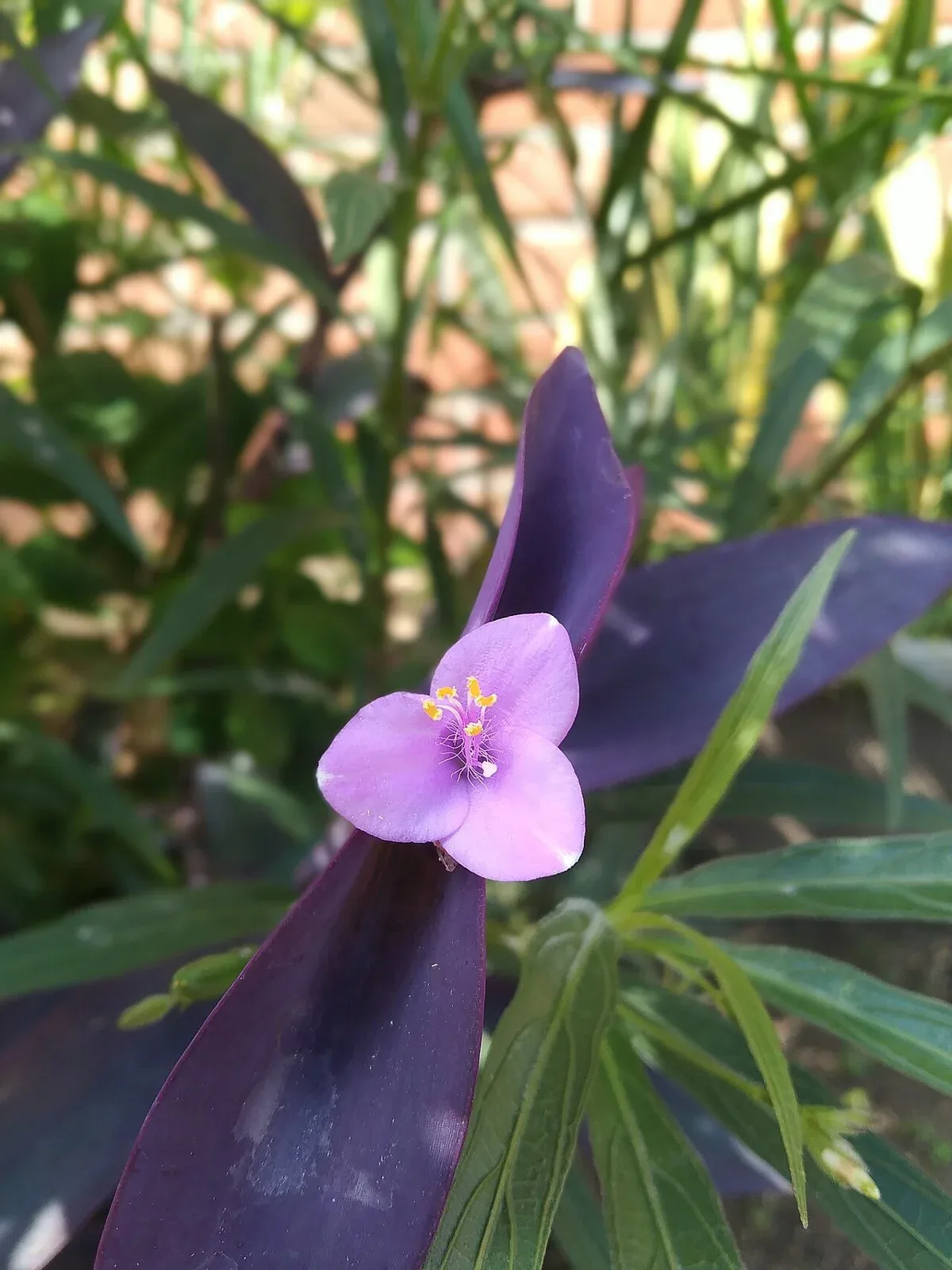
Tradescantia pallida is a trailing perennial, also known by the older nursery name Setcreasea purpurea. The familiar purple form has narrow fleshy violet leaves, purple stems and small pink three-petalled flowers. It differs from striped Tradescantia zebrina and from the fuzzy-leaved purple velvet plant.
It usually forms a low display about 20–30 cm tall, with trails spreading much farther. A hanging basket or raised container shows the colour well and helps contain stems that can root where they touch suitable ground.
How Much Sun Does Purple Heart Need?
Strong light and several hours of sun produce the richest purple colour. Start a nursery plant with gentle morning sun and increase exposure gradually over one or two weeks. A sunny east-facing balcony can be a useful starting place. An indoor plant needs a genuinely bright window, rather than a dim shelf.
Hot west-facing glass and exposed concrete balconies can scorch a plant that was grown in shade. During peak Indian summer, provide afternoon relief if leaves bleach or develop dry patches. Greener new leaves and long spaces between nodes often mean the light is too weak.
How Often to Water Purple Heart
Check the upper 3–5 cm of mix before each watering. Once dry, water the whole root ball and allow the pot to drain. Empty any saucer or cover pot. Established plants tolerate a brief dry spell, but repeated severe drying makes thin, tired-looking foliage.
Young cuttings need slightly steadier moisture while roots form. Small containers can dry quickly in hot wind; in cloudy monsoon weather they may remain damp for days. Watering again because a fixed number of days has passed can leave the stem bases soggy. A pot that stays wet needs a drainage, mix and light check.
Soil, Feeding and Repotting
Use a free-draining container mix, with coarse perlite or similar material if the original compost is too dense. Drainage holes should remain open. A layer of stones at the bottom cannot replace them. Give roots enough space, without moving a small cutting into a huge damp pot.
Feed lightly with dilute balanced liquid fertiliser about monthly during active growth. Extra feed is rarely the answer to pale or stretched foliage. Repot when roots crowd the pot, drainage fails or the display becomes unstable. Warm spring weather is convenient in much of India; in the tropics, choose a mild active-growth period.
Pruning and Easy Stem Cuttings
Pinch or trim stems above a node to encourage branching. Handle gently because the fleshy stems break easily. Wear gloves, collect prunings and wash away sap. Long, bare plants can be renewed with rooted tip cuttings rather than allowed to trail indefinitely.
Take a healthy stem about 8–12 cm long with several nodes. Remove the lower leaves and place at least one node in a lightly moist, draining propagation mix. Keep in bright filtered light until roots establish, then introduce stronger sun gradually. Do not discard cuttings in drains, open ground or natural areas, where fragments may establish.
Indian Seasons and Common Problems
During the monsoon, stop automatic extra watering and keep baskets out of repeated downpours. In North India, shelter pots before nights fall below roughly 10°C and protect from frost. South and coastal India may support longer growth, but wet roots remain a risk. In Canada it is a houseplant or summer container; Australian outdoor use needs local climate and weed guidance.
- Long, green growth: improve light gradually and review leggy growth.
- Soft dark bases: inspect for root rot and stop watering damp mix.
- Cottony clusters: check for mealybugs at nodes and leaf bases.
- Broken stems: protect from wind and brushing; healthy sections can become cuttings.
Uses and Pet Safety
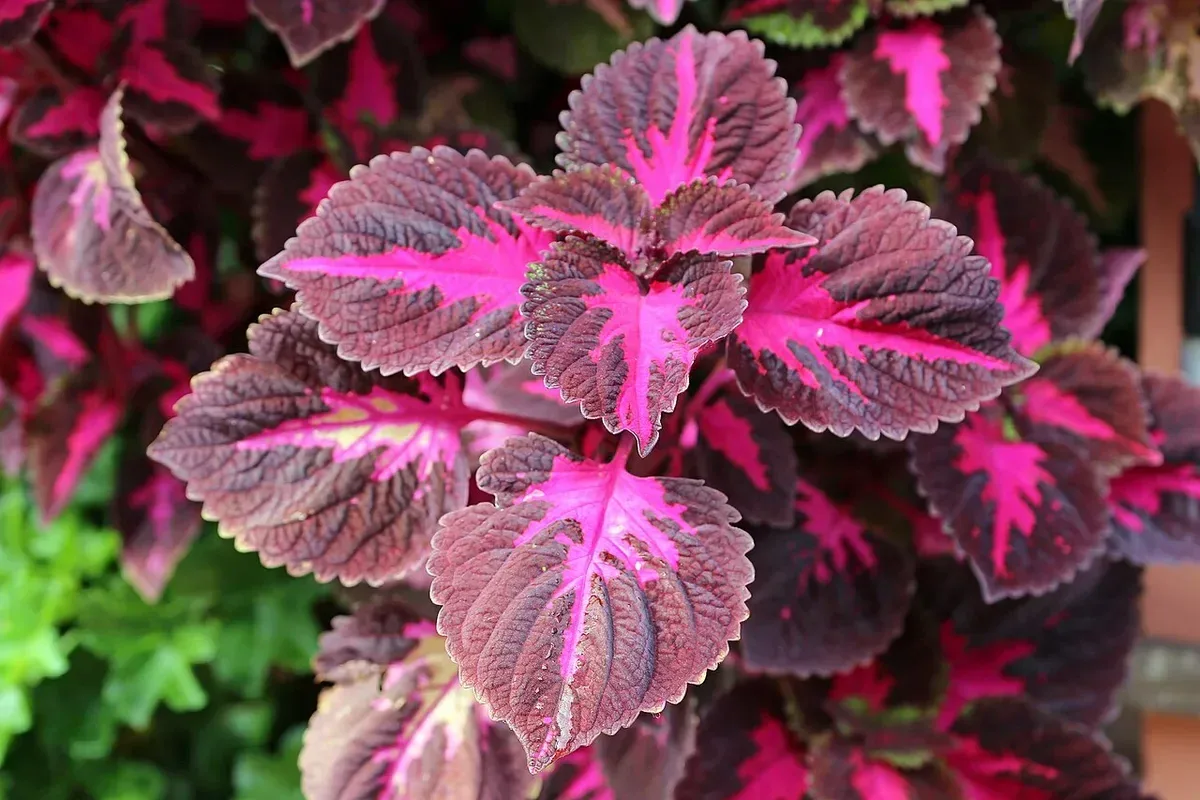
Use Purple Heart as a colour accent in contained balcony arrangements. Avoid planting it where fragments can spread into nearby habitat. NC State records irritation from both ingestion and contact with sap or leaves in people and pets. Keep it away from chewing animals and children. For another colourful container option, compare coleus care and match the position to each plant’s light needs.
Sources and editorial note
Care and plant identity sources checked on 21 November 2026. The month-by-month advice is adapted for Indian container growing; local weather and indoor conditions take priority over the date.
- NC State Extension: Tradescantia pallida care and irritation hazard
- Wisconsin Horticulture: Purple Heart
- Singapore NParks: Tradescantia pallida
Photo Credit
Photo by PapiPijuan via Wikimedia Commons, CC BY-SA 4.0. Resized and converted for web use; the adapted image is shared under the same licence.
Seasonal rhythm
Seasonal Calendar
| Month | Care Tasks | Seasonal Focus |
|---|---|---|
| Jan | Routine check | Shelter containers from cold North Indian nights and frost; water only after the upper mix dries. |
| Feb | Routine check | Give the brightest suitable sheltered position. Avoid overwatering a plant that is growing slowly. |
| Mar | Repot | Repot if crowded once warmth returns; take node-bearing cuttings and begin gradual sun acclimatisation. |
| Apr | Fertilize | Feed lightly with active growth and pinch long stems if needed. Check small sunlit pots for drying. |
| May | Routine check | Protect newly moved plants from extreme afternoon heat and hot walls. Water thoroughly only after the soil check. |
| Jun | Routine check | Adjust watering to local rains; move baskets under cover if repeated downpours keep stem bases wet. |
| Jul | Routine check | Clear fallen fragments and inspect bases for rot. Keep drainage holes open and protect brittle stems from wind. |
| Aug | Fertilize | Feed lightly if healthy growth continues. Check nodes for mealybugs and remove all prunings from open ground. |
| Sep | Fertilize | Renew leggy trails with tip cuttings during mild weather; feed only with active growth and healthy roots. |
| Oct | Routine check | Check light as the sun angle changes. Gradually reduce watering if cooler conditions slow soil drying. |
| Nov | Routine check | Move containers to shelter before nights fall below about 10°C in cold regions; avoid cold wet roots. |
| Dec | Routine check | Pause feed if growth slows, protect from frost and keep containers bright. Do not leave cuttings in wet outdoor beds. |
Diagnostics
Common Problems & Troubleshooting
Greener leaves and long internodes usually suggest insufficient light. Soft black bases and wet mix suggest rot. Dry thin leaves can follow a prolonged dry spell. Broken stems commonly reflect handling or wind rather than disease.
Pests & seasonal watch: Inspect for mealybugs, scale and aphids. Outdoor plants may attract snails or slugs. Isolate infested containers and test labelled treatments on a small area; protect brittle stems during handling.
- Root rot — Roots turn brown and mushy in soil that stays wet.
- Mealybugs — White cottony clumps in leaf joints, often with sticky honeydew.
- Leggy — Long weak stems with big gaps between small leaves, leaning to the window.
- Overwatering — Soil stays wet, leaves yellow or droop, and the pot feels heavy.
- Sun scorch — Bleached or crispy patches on the side that faces strong sun.
Care encyclopedia · 3 guides
Guides & Articles for Purple Heart Plant Care in India: Sun, Water and Cuttings
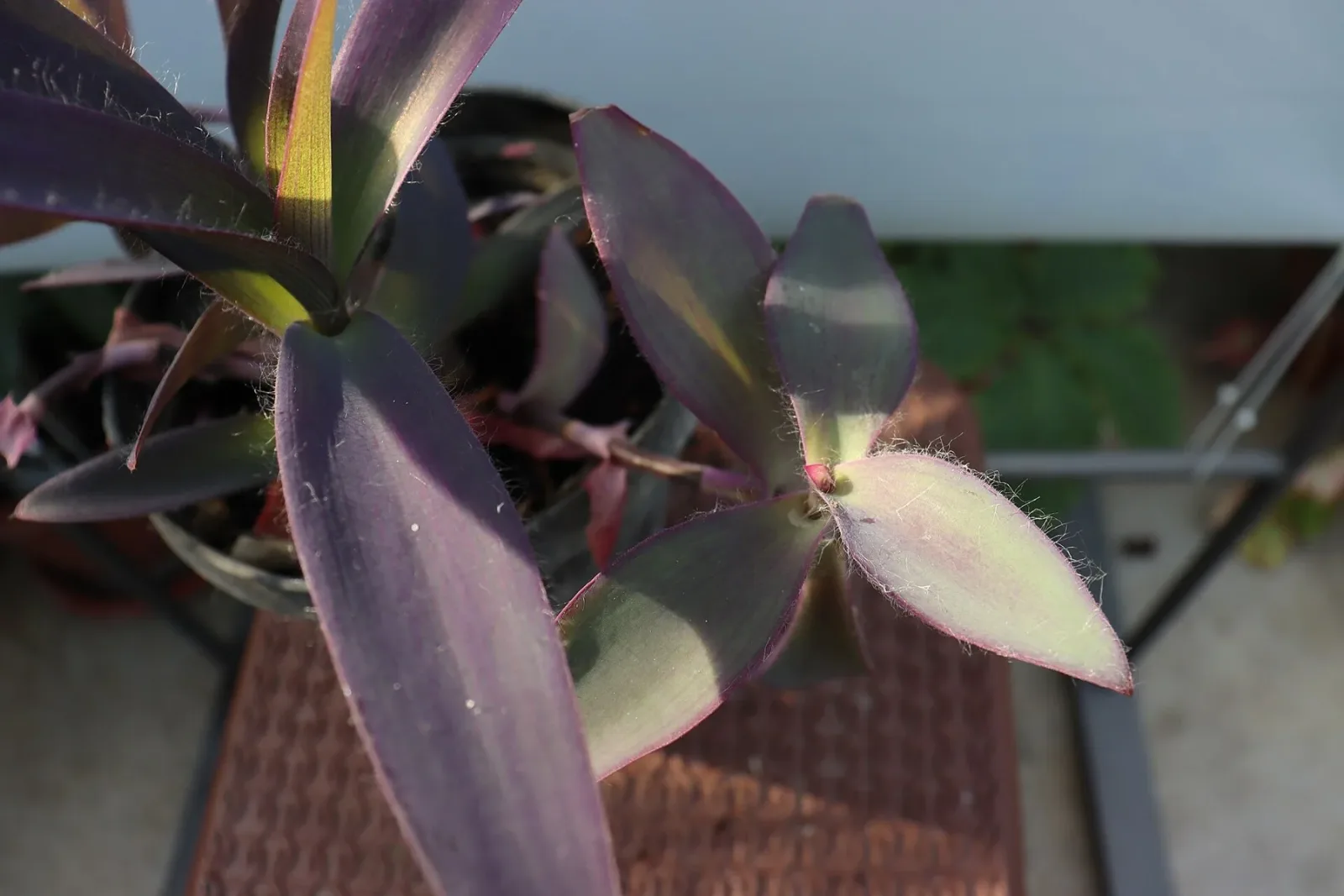
How to Prune Purple Heart for Fuller Growth
A careful trim can tidy long bare stems. Keep healthy leaves, cut above a joint and improve weak light so the plant does not stretch again.
Read guide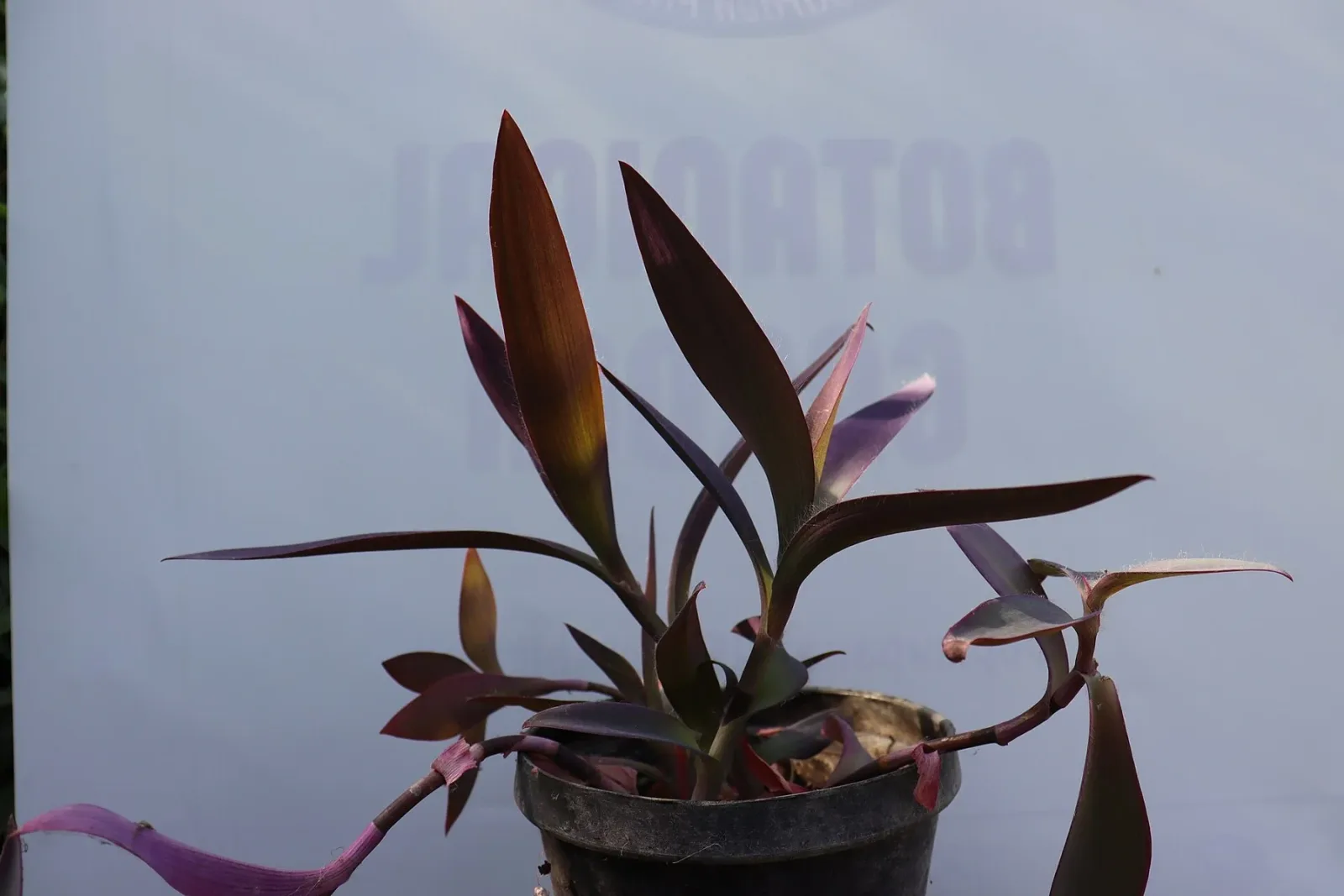
How to Grow Purple Heart From Stem Cuttings
Use a healthy tip with stem joints, remove lower leaves and root it in a small draining pot. Keep cut pieces contained because they can spread.
Read guide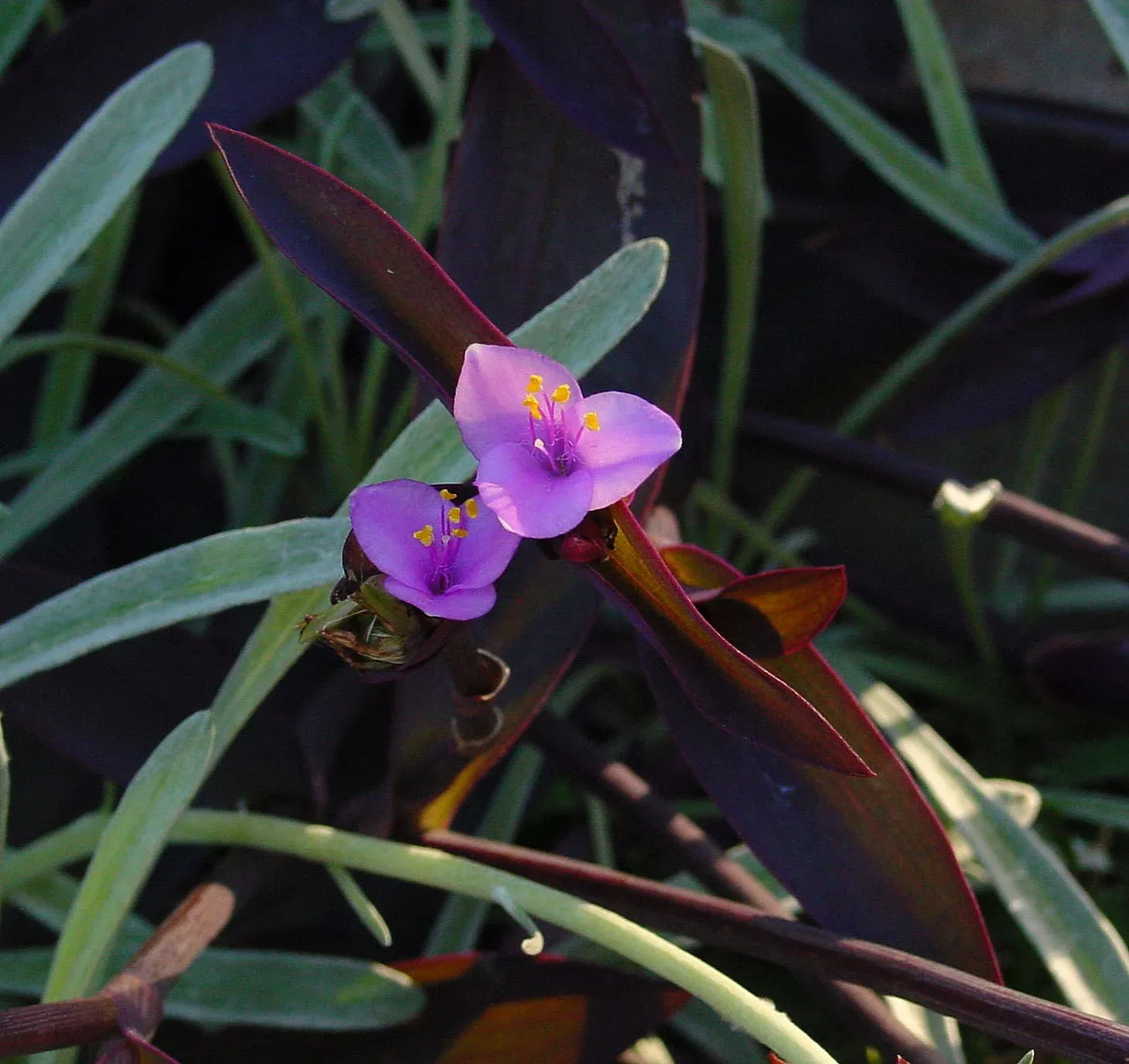
Purple Heart Leaves Turning Green: Check the Light
Weak light is a common reason for greener Purple Heart growth. Improve the light slowly and check new leaves instead of trying to feed the colour back.
Read guideQ&A
Frequently Asked Questions
How often should I water Purple Heart?
Water after the top 3–5 cm of potting mix dries, then soak the root ball and drain. Established plants tolerate short dry periods; fresh cuttings need steadier moisture. Hot small pots dry quickly, while monsoon rain and cold weather can extend the interval considerably.
Why is my Purple Heart turning green?
Insufficient light is a common reason for greener, stretched growth. Move it gradually into brighter light and gentle sun rather than straight into hot afternoon exposure. Existing leaves may not change fully; judge the colour and spacing of new growth after the plant adjusts.
Can Purple Heart grow indoors?
Yes, near a very bright window where the foliage receives enough light to stay compact. A dark room usually gives greener, weaker growth. Introduce direct sun gradually, keep the pot draining and turn it occasionally if growth leans strongly toward the window.
How do I propagate Purple Heart?
Take a healthy 8–12 cm stem section with nodes, remove lower leaves and place a node in lightly moist, draining mix. Keep in bright filtered light until roots establish. Stems root readily, so collect loose fragments and do not discard them into drains or natural areas.
Is Purple Heart toxic to cats and dogs?
Treat it as an irritant plant. NC State records mouth and stomach irritation after ingestion and skin irritation from contact with sap or leaves in humans and pets. Keep it away from chewing cats and dogs, and wear gloves when pruning or handling many cuttings.
Can Purple Heart survive North Indian winters?
Do not rely on exposed container plants surviving cold spells. Shelter pots before nights fall below roughly 10°C and protect from frost and cold wet soil. In a bright sheltered room, reduce watering according to drying and pause fertiliser if growth slows.
Why are the stems soft at the base?
Persistent wetness and poor drainage can lead to rot. Check the mix, drainage holes and root condition before watering again. If healthy upper stems remain, they may be salvaged as clean cuttings. Keep recovering plants out of heavy rain and avoid oversized damp pots.
Should I prune Purple Heart regularly?
Pinch or trim long stems above a node when the plant becomes sparse; this encourages branching. Wear gloves and handle gently because stems break easily. Collect every cutting, and prune according to growth rather than a compulsory monthly schedule or harvest calendar.
Similar Botanical Matches
Keep exploring
Related plants

Grower field notes
Reader Field Notes in India
Share how this plant performs in your local India climate.