
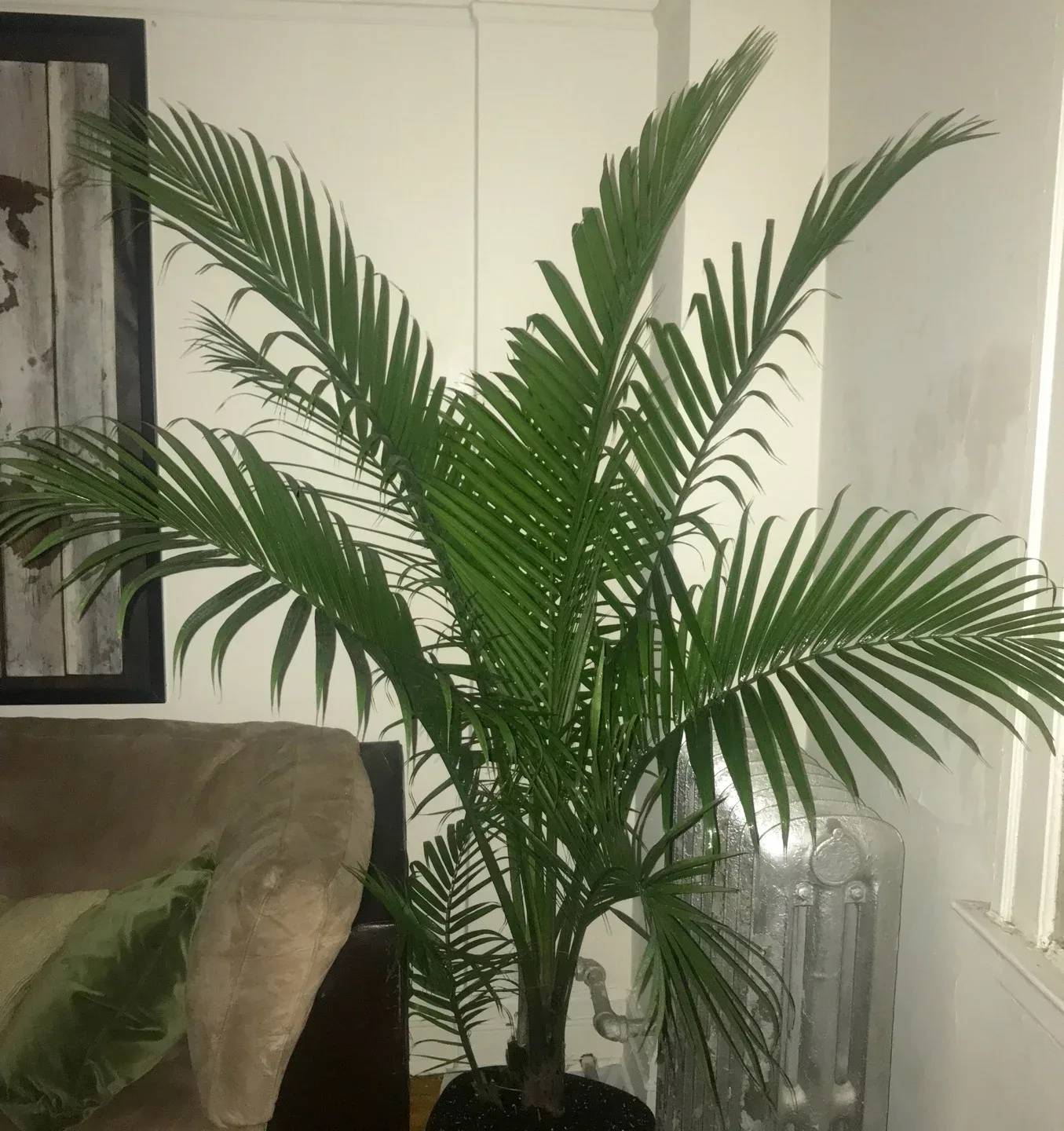
| ☀️ Light | Bright indirect light |
|---|---|
| 💧 Water | High (consistently moist) |
| 🪴 Soil | Moisture-retentive container mix with good aeration |
| 🐾 Safety | Cats: non-toxic · Dogs: non-toxic |
Where It Grows & Climate Tolerance
Pet & Companion Animal Toxicity (Majesty Palm)
Grow a majesty palm near a bright window in India. Balance humidity, drainage and watering in summer and the monsoon.
Care instructions
Care Guide & Maintenance Routine
In Indian flats, a palm near a bright east-facing window is easier to manage than one tucked into a dim corner. Use a curtain where afternoon glass becomes hot. Shift pots away from direct AC when the weather turns hot.
Light & Sunlight
Choose bright indirect light. Introduce gentle direct sun gradually and protect the fronds from sudden intense afternoon exposure.
Watering Schedule
Check the surface and root ball regularly. Water thoroughly when the surface begins to dry and allow excess water to escape. A pot left in collected runoff can develop root rot.
Potting Mix & Drainage
Moisture-retentive container mix with good aeration
Temperature & Humidity
Keep the palm warm with good air movement. Protect from frost, cold draughts, intense heater air and the direct flow from air conditioning.
Dry heat and AC
Check how quickly the pot dries during April and May, especially in inland cities. Keep the palm in a bright location with gentle airflow, then direct cooling vents away from the fronds.
Humid monsoon
Check the pot before watering because higher humidity usually slows drying. Under a covered balcony, allow leaves to dry after rain and avoid keeping the grow pot in standing water.
Pet safety
The ASPCA lists Ravenea rivularis as non-toxic to cats and dogs. Sago palm is a different plant with a very different safety profile.
Photo by Glpinagelpinagel via Wikimedia Commons. CC BY-SA 4.0. Resized and converted to WebP under the same license.
Seasonal rhythm
Seasonal Calendar
| Month | Care Tasks | Seasonal Focus |
|---|---|---|
| Jan | Protect from frost/heat | Keep leaves clear of cold glass and outdoor doors. |
| Feb | Routine check | Look below fronds for mites in dry indoor air. |
| Mar | Repot | Repot if roots have filled the pot and growth resumes. |
| Apr | Routine check | Check the pot more often as daytime heat increases. |
| May | Protect from frost/heat | Position the pot outside direct air-conditioner airflow. |
| Jun | Routine check | Make sure the container can drain after every watering. |
| Jul | Protect from frost/heat | Reduce watering frequency if the mix dries slowly in humid air. |
| Aug | Routine check | Keep fronds spaced from other plants after heavy rain. |
| Sep | Routine check | Inspect pale leaves for moisture stress and insects. |
| Oct | Routine check | Restore bright light as the monsoon fades. |
| Nov | Protect from frost/heat | Shelter the pot from cold nights in north India. |
| Dec | Routine check | Water by soil moisture and keep away from room heaters. |
Diagnostics
Common Problems & Troubleshooting
Brown tips can follow dry air or variable watering. Yellowing in persistently wet soil can indicate root stress. Fine webbing or stippling suggests checking for spider mites.
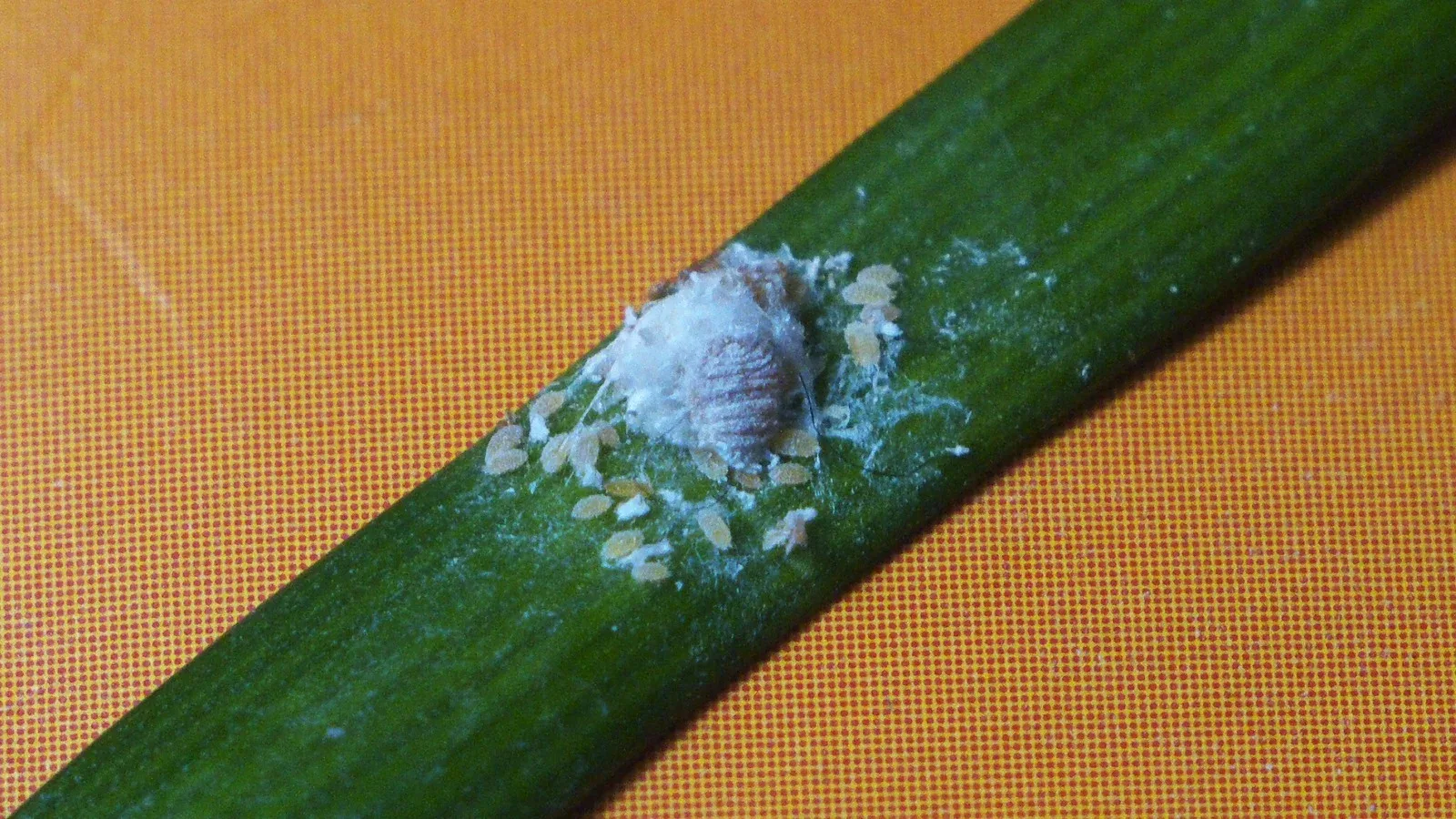
- Mealybugs — White cottony clumps in leaf joints, often with sticky honeydew.
Care encyclopedia · 1 guide
Guides & Articles for Majesty Palm
Q&A
Frequently Asked Questions
Why are my majesty palm tips turning brown?
Check for a dry root ball, dry air and mineral buildup before changing the feeding schedule. If you see fine webbing or tiny pale specks, inspect for spider mites.
Does a majesty palm tolerate low light?
Aim for bright filtered light. In a dim room the palm can weaken and the pot can stay wet for too long.
Similar Botanical Matches
Keep exploring
Related plants

Grower field notes
Reader Field Notes in India
Share how this plant performs in your local India climate.