
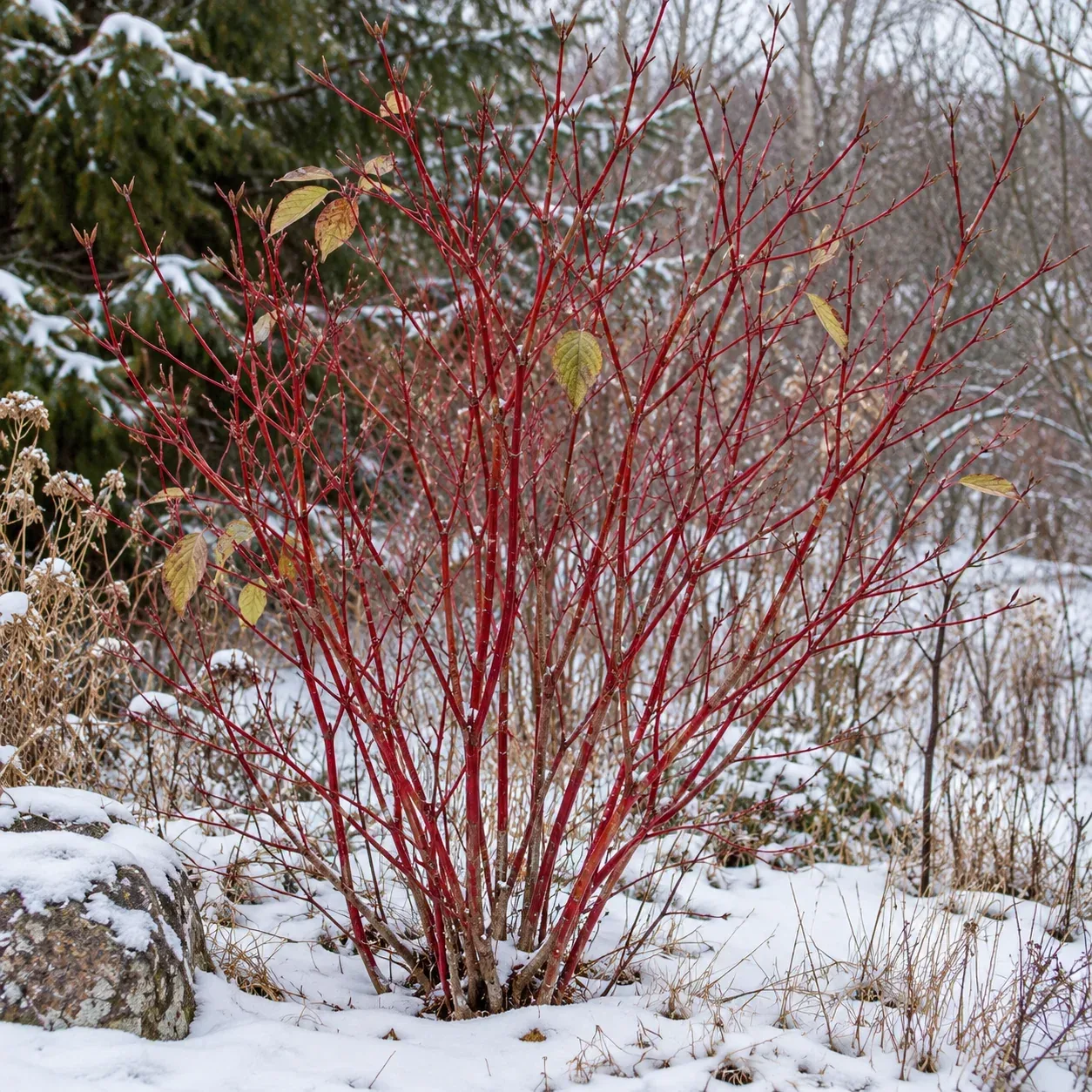
| ☀️ Light | Full sun |
|---|---|
| 💧 Water | Moderate (lightly moist) |
| 🪴 Soil | Moist but not necessarily permanently flooded. |
| 🐾 Safety | Cats: toxic · Dogs: toxic (ASPCA Animal Poison Control) |
Where It Grows & Climate Tolerance
Pet & Companion Animal Toxicity (Red-osier Dogwood)
A spreading native shrub known for red winter stems, useful where its mature size and moisture needs fit the site.
Care instructions
Care Guide & Maintenance Routine
Sun to part shade; Moderate; suited to moist ground; Moist but not necessarily permanently flooded. Check local timing and cultivar suitability.
Light & Sunlight
Sun to part shade. Check local heat and site exposure.
Watering Schedule
Moderate; suited to moist ground. Adjust to rainfall and drainage.
Potting Mix & Drainage
Moist but not necessarily permanently flooded.
Temperature & Humidity
Use local frost dates and cultivar suitability; a single Canada-wide temperature range is unreliable.
A spreading native shrub known for red winter stems, useful where its mature size and moisture needs fit the site.
Care
Choose local-origin nursery stock where possible and allow room for the shrub's eventual spread. It suits moist sites and can tolerate a range of soils, but newly planted shrubs need regular water. Bright stem colour is strongest on younger wood; renew older plants by removing a portion of old stems in dormancy rather than repeatedly shearing the whole shrub. Avoid planting against narrow walkways or utilities. Inspect foliage for disease in crowded, humid sites. Fruit is wildlife food; do not make unverified edible or pet-safety claims.
Seasonal care
Spring—plant and water; remove damaged wood. Summer—monitor moisture and spread. Autumn—retain fruit for wildlife where appropriate. Winter—assess stem colour and plan renewal pruning.
Seasonal rhythm
Seasonal Calendar
A month-by-month calendar for Red-osier Dogwood in Canada is coming soon. See the light, water and temperature notes above.
Diagnostics
Common Problems & Troubleshooting
Poor growth: check light, drainage and moisture. Disease or damage: identify the cause before treatment.
Pests & seasonal watch: Inspect regularly, identify problems before treatment and follow local guidance.
Care encyclopedia · 2 guides
Guides & Articles for Red-osier Dogwood
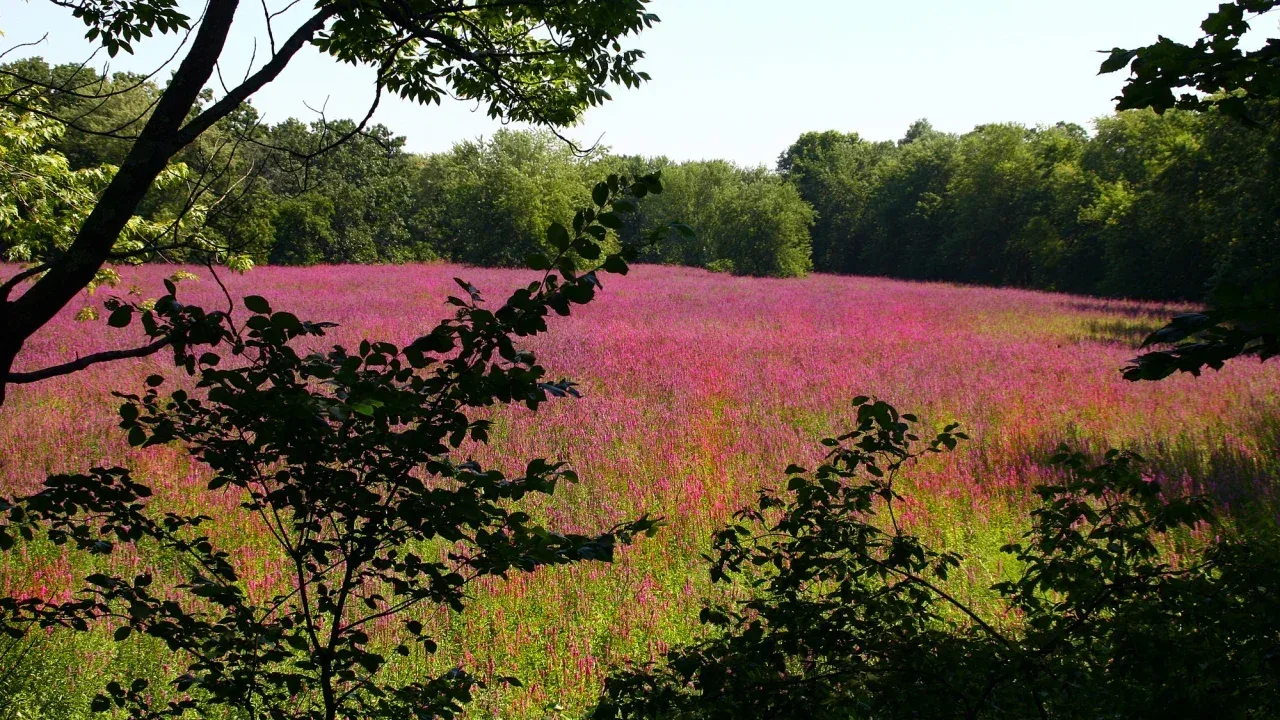
Invasive Plants You Shouldn't Grow in Canada (and Native Alternatives)
The garden plants Canada's invasive species councils want you to avoid, which ones are restricted by law in Ontario and Alberta, how to remove and dispose of them, and native alternatives to plant instead.
Read guide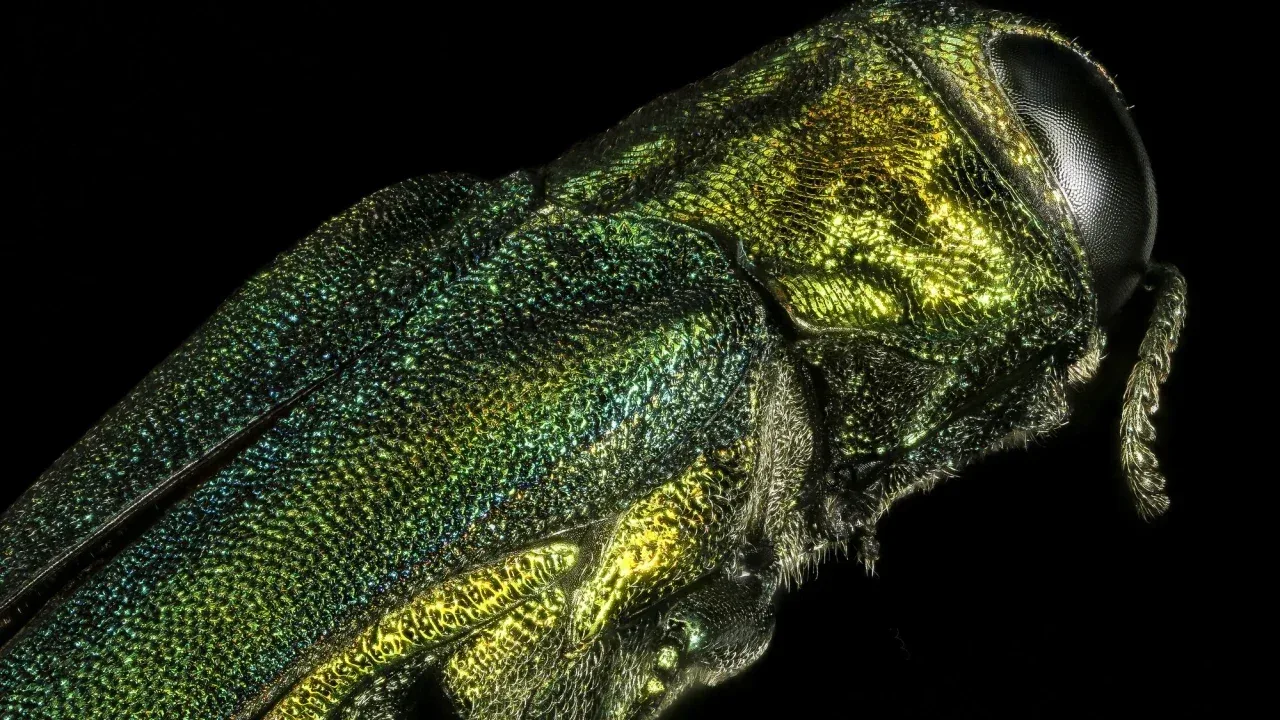
Emerald Ash Borer in Canada: Signs, Spread and What Homeowners Can Do
Emerald ash borer has killed millions of ash trees in Canada and is regulated in six provinces. Learn the signs of an infested tree, where CFIA restricts firewood and ash wood in 2026, and whether to treat, remove or replace your ash.
Read guideQ&A
Frequently Asked Questions
Why are stems less red?
Older wood tends to lose colour; renew some old stems.
Is it a compact shrub?
No; allow for spread.
Does it need a wet site?
It prefers moisture but not every planting must be waterlogged.
Similar Botanical Matches
Keep exploring
Related plants
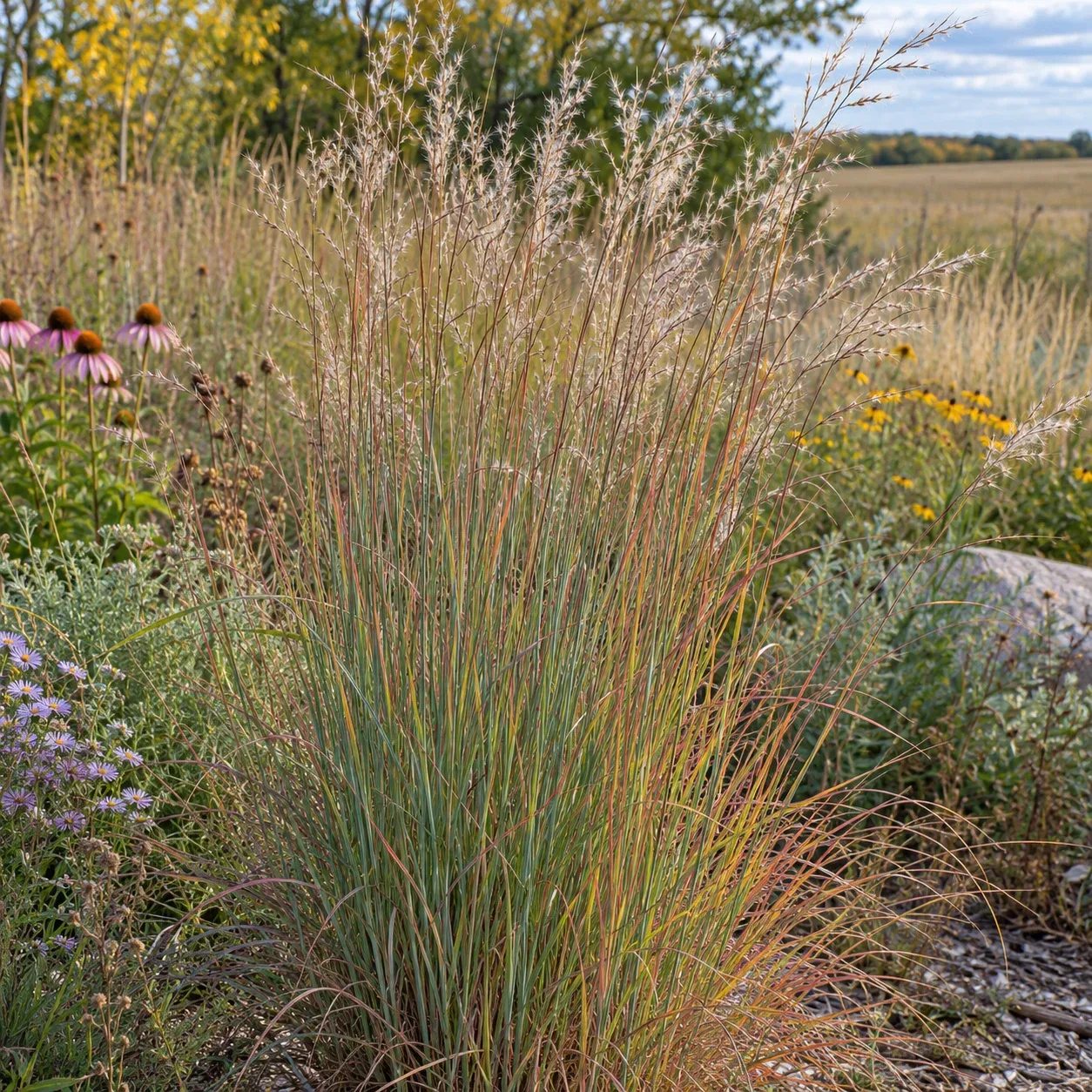
Grower field notes
Reader Field Notes in Canada
Share how this plant performs in your local Canada climate.